Festivals and celebrationsEuropeSecular and civic
Novy God
In its own language: Новый Год
A secular winter celebration of decorated trees, family feasts and midnight gifts

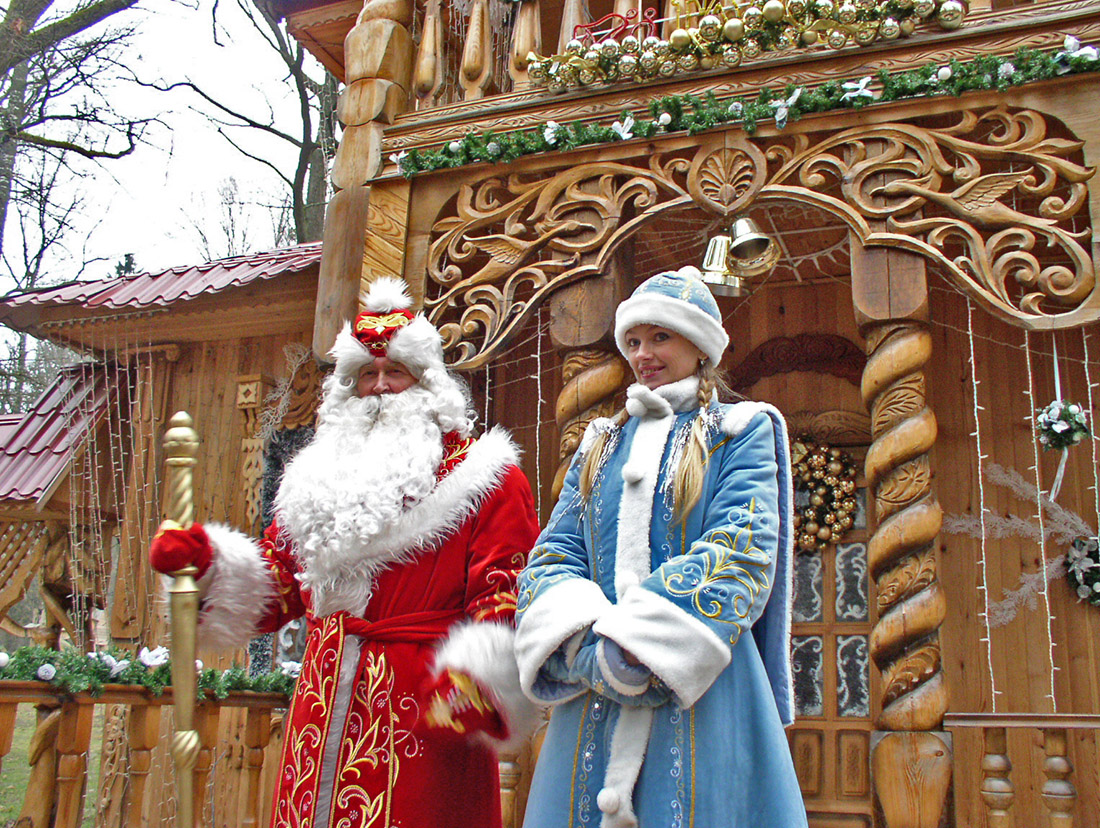
Novy God is a major secular holiday celebrated across Russia, Central Asia, and the global Russian-speaking diaspora on New Year's Eve. Families gather around a decorated evergreen tree to share elaborate meals, watch midnight broadcasts, and receive gifts brought by Ded Moroz and the Snow Maiden.
When is Novy God marked?
Novy God is kept as part of New Year's Eve, which runs from 31 December 2026 to 1 January 2027.
Novy God is the Russian New Year celebration, observed on the night of 31 December. Established in the Soviet era as a secular winter festival, it combines the warmth of family reunions with gift-giving and decorated fir trees. Across Russia and the wider diaspora, households gather around tables piled with food, listen for the midnight chimes of the Kremlin clock, and welcome the mythical figure of Ded Moroz.
Origins and revival
In 1699, Peter the Great moved Russia's new year from September to January, ordering evergreen branches to decorate streets. Following the 1917 revolution, the Soviet state banned Christmas and religious festivities. In December 1935, official Pavel Postyshev proposed turning the New Year into a secular holiday for young people in the newspaper Pravda. The state repurposed seasonal customs without religious associations. The spruce tree returned as a symbol of youth and joy, while Ded Moroz took on the role of gift giver. Millions of greeting cards were printed, and communities held celebrations in schools and on frozen street slides.
The midnight gathering
The heart of Novy God is the evening meal on 31 December. Families spread lavish dishes across the table, serving classic items like layered shuba salad, Olivier salad, and meat pelmeni dumplings. As midnight nears, households watch television variety specials like Little Blue Light and tune in to the annual presidential address. When the Kremlin clock strikes twelve, people raise toasts, sing the national anthem, and watch fireworks. Children look forward to presents left beneath the fir tree by Ded Moroz and his granddaughter, the Snow Maiden, while adults exchange gifts as the new year begins.
Ornaments and symbols
New Year trees, known as yelkas, reflect decades of changing design. Early Soviet trees featured cotton-wool snow and strips of metallic foil tinsel. Over time, glass ornaments mirrored historical events. World War II brought miniature aeroplanes, soldiers, and medical rescue dogs to the branches. Later years saw glass fruit, fairy-tale figures, and golden ears of corn. After the first crewed spaceflight, factories produced glass rockets marked with state initials alongside figurines of cosmonauts. Toy clocks showing five minutes to midnight became iconic, while sturdy cardboard lanterns and glass pine cones decorated homes in later decades.
Traditions across borders
Following the fall of the Soviet Union, emigrants carried Novy God across the globe. In Israel, hundreds of thousands of Russian-speaking immigrants gather on 31 December, often sourcing fir branches from Arab Christian vendors in Jerusalem and Jaffa or using palm trees. In post-Soviet Central Asian nations like Uzbekistan, Kyrgyzstan, and Tajikistan, public festivities continue alongside local customs. In the United States, large immigrant communities in areas such as Los Angeles preserve the late-night meal and gift swaps. Many people also observe an informal Old New Year in mid-January, following the historical Julian calendar.
How Novy God is kept
Preparations begin with decorating an evergreen tree at home using glass ornaments, foil tinsel, and cotton snow. On New Year's Eve, families and friends gather around an abundant table loaded with salads and warm dumplings. People watch holiday variety shows and seasonal films on television throughout the evening. Just before midnight, they listen to the presidential address, followed by the Kremlin clock chimes, toasts, and fireworks. Ded Moroz and the Snow Maiden are said to deliver presents to children, while adults exchange gifts as the celebrations stretch late into the night.
When and where
The main festivities take place on the night of 31 December and continue into 1 January. Many people enjoy an extended public break leading up to Orthodox Christmas on 7 January. An informal celebration known as the Old New Year is also kept on the night of 13 to 14 January, reflecting the older Julian calendar.
Novy God is celebrated throughout Russia and across former Soviet republics in Central Asia and Eastern Europe. It remains deeply rooted among Russian-speaking diaspora communities worldwide, with prominent celebrations in Israel, Germany, and cities such as Los Angeles in the United States.
What Novy God means
Conceived as a secular celebration of renewal, Novy God represents family unity, shared hospitality, and hope for prosperity. The evergreen tree, once introduced as a symbol of youth and happiness, stands alongside folk figures like Ded Moroz and the Snow Maiden to create a non-religious winter wonderland centered on children, generosity, and community bonds.
On the table
- Olivier salad
- Shuba salad
- Pelmeni

Days Novy God is marked
Questions people ask about Novy God
When is Novy God marked?
Novy God is kept as part of New Year's Eve, which runs from 31 December 2026 to 1 January 2027.
What is Novy God?
Novy God is the Russian secular New Year holiday. First established in the 1930s by the Soviet Union, it brings families together on New Year's Eve around decorated evergreen trees with feasts, midnight countdowns, and gift-giving.
Who are Ded Moroz and Snegurochka?
Ded Moroz, or Grandfather Frost, is a winter figure similar to Santa Claus who brings gifts to children on New Year's Eve. He is accompanied by his granddaughter, Snegurochka, also known as the Snow Maiden.
Where is Novy God celebrated?
The holiday is widely observed in Russia, across post-Soviet states such as Uzbekistan and Kyrgyzstan, and throughout diaspora communities in countries like Israel and the United States.
What foods are served during the celebration?
A traditional feast covers the table with varied appetizers and dishes, most notably Olivier potato salad, layered shuba herring salad, and boiled pelmeni meat dumplings.
See also
 ChristmasA festival of Jesus's birth, kept on 25 December with gifts, lights and shared meals
 HalloweenAn annual observance on 31 October marking the eve of All Saints' Day, rooted in Christian tradition and Celtic heritage
 Christmas treeA decorated evergreen or artificial tree placed indoors to mark the Christmas season.
 NowruzThe Iranian new year at the March equinox, kept with fire, greenery and picnics
Good reading and sources
- Novy God on WikipediaEncyclopedia
- More photos on Wikimedia CommonsPhotos and video
- Wikidata recordOpen data
The facts on this page come from the Wikipedia article "Novy God", written by its contributors and used under the CC BY-SA 4.0 licence, and from its Wikidata record (CC0). EveryParampara rewrote the text in its own words, with AI assistance, and compares every page with the article to make sure no passage is copied. It may be reused under the same CC BY-SA 4.0 licence with a link back.
It may contain mistakes. Traditions differ from one family, village and community to the next, and the people who keep them know them best. If something is wrong, tell us. Last refreshed 2026-10-04.
More from Russia
All the traditions of Russia 🇷🇺 Russia and 2 moreMaslenitsaМасленица
A seven-day Eastern Slavic festival of pancakes and bonfires marking the end of winter before Lent.Festival · Breakfast
🇷🇺 Russia and 2 moreMaslenitsaМасленица
A seven-day Eastern Slavic festival of pancakes and bonfires marking the end of winter before Lent.Festival · Breakfast
 🇺🇦 Ukraine and 7 moreKoliadaКоляда
A traditional winter caroling and solstice festival kept across Slavic EuropeFestival
🇺🇦 Ukraine and 7 moreKoliadaКоляда
A traditional winter caroling and solstice festival kept across Slavic EuropeFestival
 🇧🇬 Bulgaria and 4 moreBabindenБабинден
A Bulgarian feast honoring midwives and new mothers with rituals of bathing, feasting, and blessing.Festival · Feasts and festival meals
🇧🇬 Bulgaria and 4 moreBabindenБабинден
A Bulgarian feast honoring midwives and new mothers with rituals of bathing, feasting, and blessing.Festival · Feasts and festival meals
 🇱🇧 Beirut, Lebanon and 7 moreEid il-Burbaraعيد البربارة
A winter feast of costumes, sweet boiled wheat, and sprouting seeds across the LevantFestival · Feasts and festival meals
🇱🇧 Beirut, Lebanon and 7 moreEid il-Burbaraعيد البربارة
A winter feast of costumes, sweet boiled wheat, and sprouting seeds across the LevantFestival · Feasts and festival meals
The same idea elsewhere
New Year compared 🇨🇳 China and 5 moreLion dance舞獅
A dynamic ritual dance featuring costumed lions, drums and martial acrobaticsPerformance
🇨🇳 China and 5 moreLion dance舞獅
A dynamic ritual dance featuring costumed lions, drums and martial acrobaticsPerformance
 🇨🇳 Shanghai, China and 1 moreJiaozi餃子
Crescent Chinese dumplings filled with meat or vegetables, eaten for fortune and feastsTable custom · Breakfast
🇨🇳 Shanghai, China and 1 moreJiaozi餃子
Crescent Chinese dumplings filled with meat or vegetables, eaten for fortune and feastsTable custom · Breakfast
 🇲🇳 Mongolia and 2 moreTsagaan SarЦагаан сар
The Mongolian Lunar New Year festival of peace, elders, white foods and renewalSeasonal · Feasts and festival meals
🇲🇳 Mongolia and 2 moreTsagaan SarЦагаан сар
The Mongolian Lunar New Year festival of peace, elders, white foods and renewalSeasonal · Feasts and festival meals
 🇳🇿 New ZealandMatariki
The Māori New Year marked by the midwinter rising of the Pleiades clusterSeasonal
🇳🇿 New ZealandMatariki
The Māori New Year marked by the midwinter rising of the Pleiades clusterSeasonal