Seasons, harvest and the calendarEuropeChristian
Harvest Festival
An autumn thanksgiving for the crops, kept in churches and schools across the UK

A yearly thanksgiving kept across the United Kingdom once the crops are in and winter draws near. Churches, schools and villages gather garden and farm produce, share a harvest supper, and give what is left to charity.
When is Harvest Festival kept?
Harvest Festival is kept on annually, on the Sunday nearest the harvest moon, usually in September or October.
When the last crops are in and winter draws near, churches, schools and villages across the United Kingdom stop to say thank you. People bring vegetables, fruit and tins from garden, allotment or farm, share a harvest supper, and pass the surplus to those who need it. It is a thanksgiving for food grown and for the good things of ordinary life.
A thanksgiving for crops
The Harvest Festival is the season when communities across the United Kingdom pause to be thankful for the food the land has given. Once the fields are cleared, people gather to mark a good year of growth before the cold months arrive. The thanks is not only for grain and vegetables: families also count the friendships and everyday blessings of the year. Though it has a religious home in church services, the festival reaches well beyond the pulpit, into classrooms, pubs and other local gathering places, so that nearly anyone can take part regardless of how often they attend a service.
Where it is kept
Traditionally the festival lives in churches, especially those serving rural parishes, and most country churches still keep one each year. But the custom has spread: many schools hold their own harvest assembly, some pubs put on an evening of thanksgiving, and old estate farms once gathered in a barn instead. Because several churches may serve one town, communities sometimes agree between them on separate dates, so neighbours can attend each other's services rather than compete for the same Sunday.
Choosing the day
There is no single fixed date. Each place celebrates once its own harvest is finished, which depends on the crops grown there, so festivals cluster in September and October. Church calendars often anchor the main service to the Sunday nearest the harvest moon, while church schools frequently hold theirs in the middle of the week. Unlike Thanksgiving in the United States, the day carries no official public holiday status. Around the chosen Sunday, parades and other events often fill the neighbouring days.
Produce, supper and giving
Preparation begins at home. People gather vegetables, fruit and other produce from their own gardens and allotments, or from farms, and add shop-bought tins and packets to the collection. The gifts are brought to the church or school. Afterwards comes the harvest supper, a shared meal where part of the gathered food is eaten together. What remains does not go to waste: the surplus is handed to charities, hospitals or children's homes nearby, or sold at auction with the money raised going to good causes.
Harvest thanksgivings abroad
Britain's harvest festival has close cousins abroad. Germany and Austria keep Erntedankfest, their own thanksgiving for the gathered crops. Canada and the United States celebrate Thanksgiving, a related holiday of gratitude. The British version stays looser, tied to the land and the local calendar rather than to a national date, which is why two villages a few miles apart may keep it weeks apart.
How Harvest Festival is kept
Once the harvest is in, a community fixes its date, and neighbouring churches may coordinate so their services fall on different days. People collect vegetables, fruit and other produce from gardens, allotments and farms, adding tinned and packaged goods, and carry it to a church, school, pub or, on some old estates, a barn. At the service or assembly thanks is given for the year's food. A harvest supper often follows, with part of the produce eaten at the table. What is left goes to local charities, hospitals and children's homes, or is auctioned to raise money.
When and where
Each place keeps the festival after its own harvest ends, so dates differ across the country, usually falling in September or October. The main church service is commonly set for the Sunday nearest the harvest moon, and church schools often hold theirs mid-week. Unlike American Thanksgiving, it is not a public holiday.
The festival is kept throughout the United Kingdom. Its natural home is the village church, and rural parishes mostly hold one every year, but town churches, schools and pubs join in too. Some towns spread the dates so that different churches do not all celebrate together.
What Harvest Festival means
At its heart the festival is gratitude: for a successful crop, for food on the table, and for the quieter gifts of family and friendship. Bringing in the year's produce and then handing the surplus to people in need turns thanks into practical care for neighbours. Its timing, as winter nears, marks the turn from growth to rest.
Questions people ask about Harvest Festival
When is Harvest Festival kept?
Harvest Festival is kept on annually, on the Sunday nearest the harvest moon, usually in September or October.
What is the Harvest Festival?
It is an annual thanksgiving in the United Kingdom for the crops grown on the land, kept as winter approaches. People also give thanks for good things in their lives, like family and friendship, and share food with others.
Where is it celebrated?
Traditionally in churches, especially rural ones, but also in schools, sometimes in pubs, and in the past in barns on estates and farms. In certain towns the churches agree on separate days so their festivals do not fall together.
What happens to the food that is collected?
People bring vegetables, fruit and other produce from gardens, allotments and farms, plus tinned and packaged items. Some is eaten at the harvest supper. The surplus usually goes to local charities, hospitals and children's homes, or is auctioned to raise money for good causes.
Is it the same as Thanksgiving in America?
No. It is related to Thanksgiving in the United States and Canada, and to Erntedankfest in Germany and Austria, but the British festival has no fixed national date and is not a public holiday. Each community keeps it once its own harvest is in.
See also
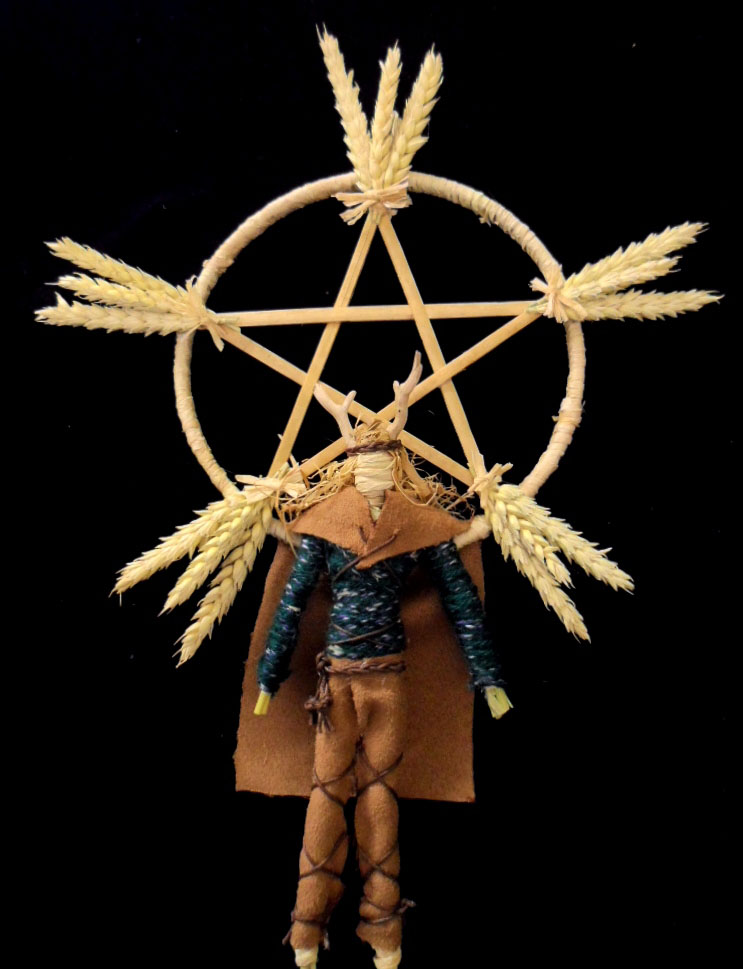 LughnasadhA Gaelic festival marking the start of harvest with feasts, fairs and mountain walks
 LammasA harvest festival marking the blessing of the first baked bread from the new wheat crop
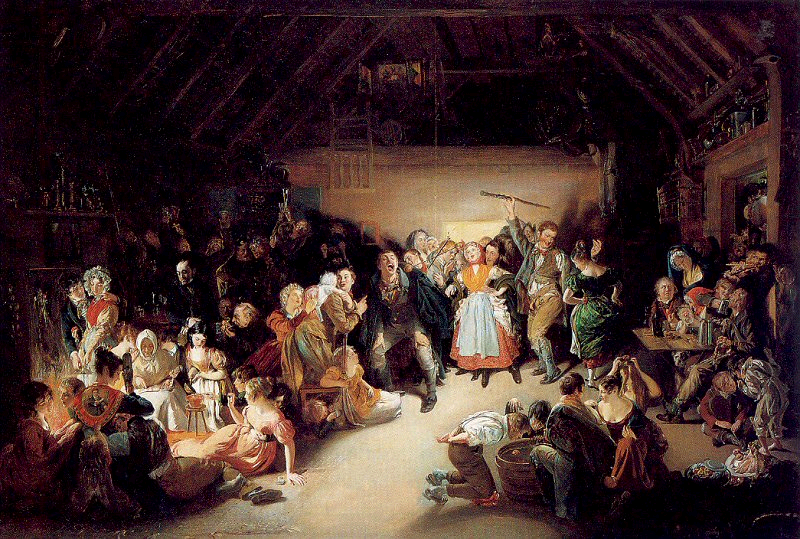 SamhainA Gaelic festival marking the start of winter with bonfires and ancestor feasts
 Harvest festivalA thanks for the gathered crop, kept with church meals, songs and shared food
Good reading and sources
The facts on this page come from the Wikipedia article "Harvest Festival (United Kingdom)", written by its contributors and used under the CC BY-SA 4.0 licence, and from its Wikidata record (CC0). EveryParampara rewrote the text in its own words, with AI assistance, and compares every page with the article to make sure no passage is copied. It may be reused under the same CC BY-SA 4.0 licence with a link back.
It may contain mistakes. Traditions differ from one family, village and community to the next, and the people who keep them know them best. If something is wrong, tell us. Last refreshed 2026-10-08.
More from the United Kingdom
All the traditions of the United Kingdom
🇮🇪 Killorglin, Ireland and 1 moreLughnasadhLúnasa
A Gaelic festival marking the start of harvest with feasts, fairs and mountain walksSeasonal · Feasts and festival meals
🇬🇧 United KingdomLammashlāfmæsse
A harvest festival marking the blessing of the first baked bread from the new wheat cropSeasonal
🇮🇪 Ireland and 1 moreSamhain
A Gaelic festival marking the start of winter with bonfires and ancestor feastsSeasonal · Feasts and festival meals
🇬🇧 United Kingdom and 5 moreHarvest festival
A thanks for the gathered crop, kept with church meals, songs and shared foodSeasonal · Feasts and festival meals
The same idea elsewhere
Harvest and thanksgiving compared 🇮🇳 Ayodhya, India and 7 moreDiwaliदीपावली (Dīpāvalī)
A five-day festival of lights celebrated across India and its diaspora to mark the victory of light over darkness.Festival · Feasts and festival meals
🇮🇳 Ayodhya, India and 7 moreDiwaliदीपावली (Dīpāvalī)
A five-day festival of lights celebrated across India and its diaspora to mark the victory of light over darkness.Festival · Feasts and festival meals
 🇮🇱 Jerusalem, IsraelPassoverפסח
A Jewish spring festival celebrating freedom from slavery with ritual mealsSpiritual · Dinner
🇮🇱 Jerusalem, IsraelPassoverפסח
A Jewish spring festival celebrating freedom from slavery with ritual mealsSpiritual · Dinner
 🇮🇱 Jerusalem, IsraelSukkotסוכות
A seven-day autumn Jewish festival of temporary booths, harvest prayers and hospitalitySpiritual
🇮🇱 Jerusalem, IsraelSukkotסוכות
A seven-day autumn Jewish festival of temporary booths, harvest prayers and hospitalitySpiritual
 🇮🇳 Jammu, IndiaBhangra
A Punjabi harvest dance, first kept by farmers and now performed worldwidePerformance
🇮🇳 Jammu, IndiaBhangra
A Punjabi harvest dance, first kept by farmers and now performed worldwidePerformance