Seasons, harvest and the calendarEuropeChristianPagan and ancient
Lammas
In its own language: hlāfmæsse
A harvest festival marking the blessing of the first baked bread from the new wheat crop

Lammas is an early harvest feast observed on 1 August across English-speaking regions by Christian denominations and modern Pagans. The custom centres on bringing a freshly baked wheat loaf to church for a blessing, alongside traditional street fairs and bakery walks.
When is Lammas kept?
Lammas is kept on annually on 1 August in the Northern Hemisphere and 1 February in the Southern Hemisphere.
Lammas, also called Loaf Mass Day, is an early harvest holiday observed on the first day of August. It brings Christian and modern Pagan worshippers together around the season of gathering crops. The main custom involves baking a loaf from the earliest cut wheat and carrying it into church for a blessing. Across towns and villages, the day marks relief at the arrival of new food and thanks for rural work.
Origins and history
The name comes from the Old English word hlāfmæsse, which means loaf mass. Old English chronicles described the first day of August as a feast of first fruits. The practice drew on biblical traditions of presenting the earliest harvest yield to God. In early medieval England, the occasion brought deep relief to field labourers whose grain supplies were running low before the new wheat ripened. An early charm book instructed people to split the blessed loaf into four parts and place them in the corners of a barn to protect stored grain. Lammas also marked the end of summer haymaking, when farm hands celebrated in the cleared meadows.
Church rites and bakery blessings
During modern Christian services, especially in Anglican, Catholic, and Lutheran parishes, the first bread of the season takes center stage. Congregations are encouraged to bake the loaf themselves using grain from nearby fields. Priests may use portions of this bread during Holy Communion, or hand out small blessed rolls to everyone present. Readings during the liturgy focus on the idea of the bread of life and the presentation of initial agricultural yields. Outside the chapel walls, clergy and parishioners often walk together in street processions to local bakeries, where ministers offer prayers and blessings over the staff and ovens.
Civic fairs and seasonal traditions
Beyond church services, Lammas developed into a major commercial and social event in medieval Britain. It served as an official quarter day in Scotland for settling rents and contracts. Several towns retain annual summer fairs connected to the holiday. In Exeter, an annual Lammas fair with centuries of history features a civic procession led by the Lord Mayor, who hoists a garland-trimmed pole bearing a white glove over the Guildhall. St Andrews and Inverkeithing in Scotland also hold festive street gatherings that trace their origins to these historic summer trade markets.
Neopagan celebrations
Modern Pagans celebrate Lammas as the opening festival in a cycle of three seasonal autumn gatherings on their Wheel of the Year. It shares its date and harvest themes with the Gaelic feast of Lughnasadh. Neopagans honour the ripening grain and express thanks for the bounty of the earth through ritual gatherings and shared food. While northern communities observe the day at the start of August, groups living in the Southern Hemisphere shift their observance to early February to match the seasonal rhythm of their local grain harvest.
How Lammas is kept
Worshippers mark the day by preparing bread from newly harvested wheat flour. A member of the church brings this loaf to the altar during the service, where clergy offer a blessing. The bread may be shared among the congregation or used directly in Holy Communion alongside small blessed rolls. Ministers and churchgoers also walk in procession through the community to bless neighbourhood bakeries. In certain historic towns, civic leaders and residents gather for traditional street fairs and processional ceremonies.
When and where
Lammas falls on 1 August each year. In the liturgical calendar, it marks the opening of the late summer harvest period. Modern Pagan groups in the Southern Hemisphere shift the date to 1 February to align with their local agricultural season.
The observance is kept in English-speaking countries, with strong historical roots in England and Scotland. Anglican, Catholic, and Lutheran churches hold services, while specific towns such as Exeter and St Andrews continue to stage traditional Lammas fairs.
What Lammas means
Lammas symbolises gratitude for sustenance and the physical fruits of hard agricultural labor. Presenting the earliest loaf represents dedicating the first share of food to God. Historically, it also embodied community relief, marking the welcome end to summer shortages as fresh grain became available to sustain families through the coming year.


Questions people ask about Lammas
When is Lammas kept?
Lammas is kept on annually on 1 August in the Northern Hemisphere and 1 February in the Southern Hemisphere.
What is Lammas?
Lammas is a harvest festival observed on 1 August by Christian denominations and modern Pagans. It centres on blessing the first bread baked from the new crop of wheat.
Why is bread brought to church on this day?
Baking and blessing a loaf from the earliest grain harvest follows the ancient tradition of offering first fruits. The bread is blessed on the altar, and pieces are often shared among churchgoers.
What happens during bakery processions?
During the celebration, clergy and members of the congregation walk to nearby bakeries. Ministers offer prayers of blessing over the bakers and their workplaces to honour the trade that turns grain into bread.
Where is Lammas celebrated today?
The festival is celebrated in English-speaking nations by Christian churches and Pagan communities. Towns such as Exeter and St Andrews also maintain traditional street fairs linked to the date.
See also
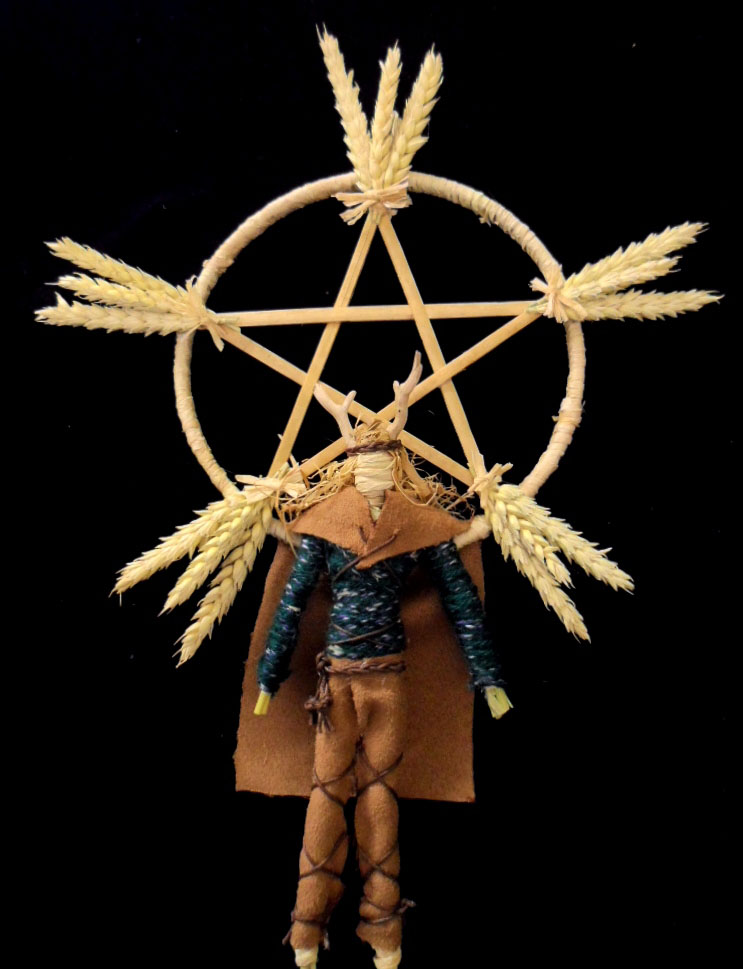 LughnasadhA Gaelic festival marking the start of harvest with feasts, fairs and mountain walks
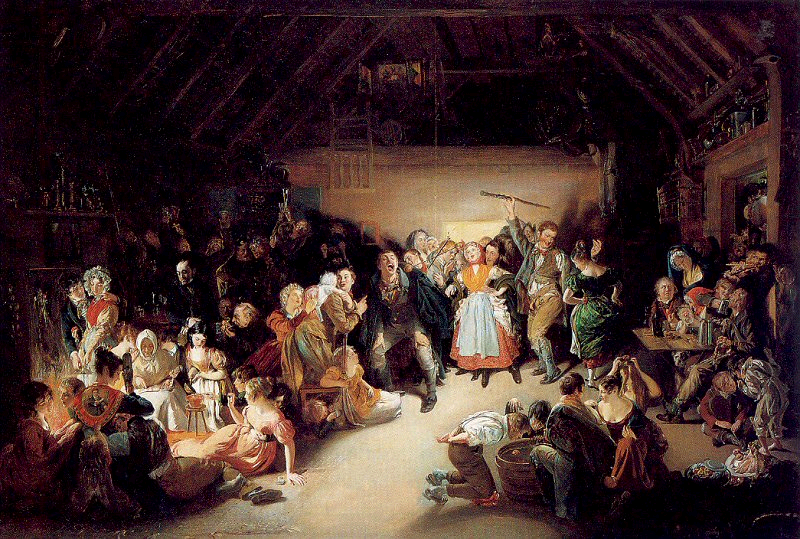 SamhainA Gaelic festival marking the start of winter with bonfires and ancestor feasts
 St. Martin's DayA November feast of lantern walks, bonfires, roast goose and new wine
 OnamA ten-day harvest festival in Kerala celebrating the return of King Mahabali with feasts, flower carpets and boat races.
Good reading and sources
The facts on this page come from the Wikipedia article "Lammas", written by its contributors and used under the CC BY-SA 4.0 licence, and from its Wikidata record (CC0). EveryParampara rewrote the text in its own words, with AI assistance, and compares every page with the article to make sure no passage is copied. It may be reused under the same CC BY-SA 4.0 licence with a link back.
It may contain mistakes. Traditions differ from one family, village and community to the next, and the people who keep them know them best. If something is wrong, tell us. Last refreshed 2026-10-04.
More from the United Kingdom
All the traditions of the United Kingdom
🇮🇪 Killorglin, Ireland and 1 moreLughnasadhLúnasa
A Gaelic festival marking the start of harvest with feasts, fairs and mountain walksSeasonal · Feasts and festival meals
 🇬🇧 United Kingdom and 5 moreHarvest festival
A thanks for the gathered crop, kept with church meals, songs and shared foodSeasonal · Feasts and festival meals
🇮🇪 Ireland and 1 moreSamhain
A Gaelic festival marking the start of winter with bonfires and ancestor feastsSeasonal · Feasts and festival meals
🇬🇧 United Kingdom and 5 moreHarvest festival
A thanks for the gathered crop, kept with church meals, songs and shared foodSeasonal · Feasts and festival meals
🇮🇪 Ireland and 1 moreSamhain
A Gaelic festival marking the start of winter with bonfires and ancestor feastsSeasonal · Feasts and festival meals
 🇬🇧 United KingdomHarvest Festival
An autumn thanksgiving for the crops, kept in churches and schools across the UKSeasonal · Supper
🇬🇧 United KingdomHarvest Festival
An autumn thanksgiving for the crops, kept in churches and schools across the UKSeasonal · Supper
The same idea elsewhere
Harvest and thanksgiving compared 🇮🇳 Ayodhya, India and 7 moreDiwaliदीपावली (Dīpāvalī)
A five-day festival of lights celebrated across India and its diaspora to mark the victory of light over darkness.Festival · Feasts and festival meals
🇮🇳 Ayodhya, India and 7 moreDiwaliदीपावली (Dīpāvalī)
A five-day festival of lights celebrated across India and its diaspora to mark the victory of light over darkness.Festival · Feasts and festival meals
 🇮🇱 Jerusalem, IsraelPassoverפסח
A Jewish spring festival celebrating freedom from slavery with ritual mealsSpiritual · Dinner
🇮🇱 Jerusalem, IsraelPassoverפסח
A Jewish spring festival celebrating freedom from slavery with ritual mealsSpiritual · Dinner
 🇮🇱 Jerusalem, IsraelSukkotסוכות
A seven-day autumn Jewish festival of temporary booths, harvest prayers and hospitalitySpiritual
🇮🇱 Jerusalem, IsraelSukkotסוכות
A seven-day autumn Jewish festival of temporary booths, harvest prayers and hospitalitySpiritual
 🇵🇪 Cusco, Peru and 4 moreIntiinti (Quechua)
The Inca sun deity, honoured with temples, offerings and the June festival Inti RaymiSpiritual
🇵🇪 Cusco, Peru and 4 moreIntiinti (Quechua)
The Inca sun deity, honoured with temples, offerings and the June festival Inti RaymiSpiritual