Seasons, harvest and the calendarEuropePagan and ancient
Samhain
A Gaelic festival marking the start of winter with bonfires and ancestor feasts
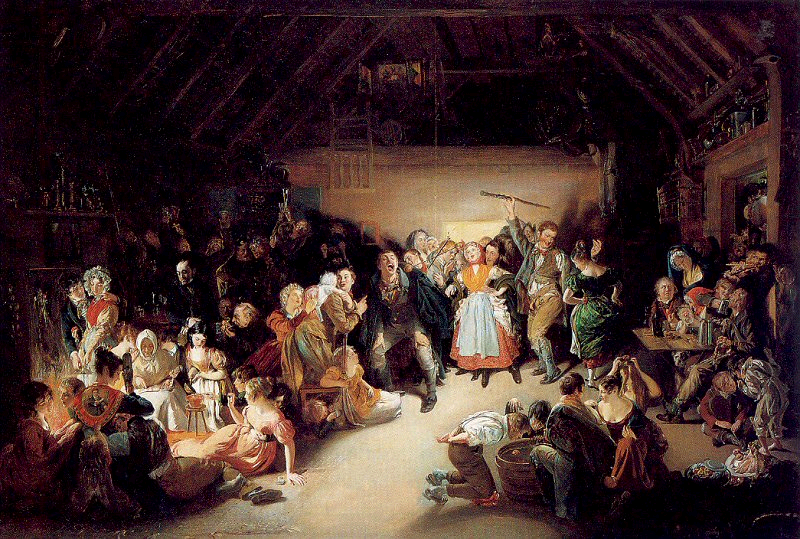
Samhain is an ancient Gaelic festival marking the close of the harvest and the start of winter across Ireland, Scotland and the Isle of Man. Beginning at sundown on 31 October, communities historically gathered for feasts, lit protective bonfires, set table places for dead kin and offered food to appease visiting spirits.
When is Samhain kept?
Samhain is kept on annually on 1 November, starting the evening of 31 October.
Samhain is a traditional Gaelic festival that marks the end of the harvest and the arrival of winter. Beginning at sunset on the final evening of October, it opens what Celtic tradition regarded as the darker half of the annual cycle. Historically observed across Ireland, Scotland and the Isle of Man, it is a time when the threshold between the human world and the realm of spirits is believed to stand open.
Pastoral turns and ancient roots
Long before it appeared in written medieval tales, Samhain marked an essential turning point in the pastoral year. Herders guided their livestock down from high summer pastures back to the home settlements, a practice known in Ireland as booleying. Animals were sorted, and surplus stock was culled before the lean cold set in. Ancient passage tombs across Ireland, such as the Mound of the Hostages on the Hill of Tara, align directly with the sunrise at this time of year, suggesting communal gatherings at this seasonal pivot date back thousands of years. Early law texts and 9th-century manuscripts describe vast assemblies where rulers settled disputes, proclaimed laws, feasted and drank.
The thinning of the veil
According to Gaelic lore, Samhain is a threshold occasion when the barrier dividing everyday life from the Otherworld grows faint. Ancient burial mounds, or sídhe, were said to open wide to let supernatural beings wander the earth. People left out portions of food and drink to appease the aos sí, the spirits or ancestral deities, hoping to shield their families and herds from harm through the winter. Wandering souls of deceased relatives were also believed to return to their former households. Families welcomed them with warmth, deliberately setting an empty place and serving food at the dinner table for their departed kin.
Bonfires, costumes and fortune telling
Fire played a central role during the night of Samhain. Communities built great bonfires, trusting their flames and embers to purify the air and safeguard the settlement against winter hardships. Neighbours went from house to house in disguise, reciting verses to receive gifts of food, a practice known as mumming or guising that helped conceal people from wandering spirits. Gatherers also looked ahead to the coming months through games of divination, especially using seasonal fruits such as apples and hazelnuts to foretell marriages, luck and future fortunes.
Medieval lore and modern observance
Irish mythology abounds with dramatic events set on Samhain night, from battles against monstrous forces to heroic deeds by legendary figures such as Fionn mac Cumhaill. As Christian practices spread, the church positioned All Saints' Day on 1 November and All Souls' Day on 2 November, intertwining with existing customs. Many of these Gaelic seasonal rituals later crossed the Atlantic with emigrants, shaping modern Halloween. Today, alongside cultural events across Ireland and Scotland, modern pagans and Wiccans observe Samhain as an important religious celebration.
How Samhain is kept
Celebrations commence at dusk on 31 October. Communities gather around large cleansing bonfires to mark the end of the agricultural year. In traditional practice, families lay an extra place at the dinner table and leave food and drink outdoors for visiting spirits and dead ancestors. People take part in mumming or guising, dressing in costume and visiting nearby homes to chant verses in return for food. Households also practice divination with nuts and apples to foretell the future, while contemporary pagans hold rituals to honour ancestors and the changing season.
When and where
Samhain falls on 1 November each year, with festivities starting on the evening of 31 October because traditional Celtic days begin at sundown. Neopagans in the Southern Hemisphere often mark it six months later, on 1 May.
The festival has its roots in Ireland and spread across Scotland and the Isle of Man. Today it is observed by cultural communities in these Gaelic regions and celebrated worldwide by modern pagan groups.
What Samhain means
Samhain represents a vital threshold between seasons, welcoming the darker, colder half of the year while completing the harvest. It symbolises the meeting point of the living and the spirit world, honouring deceased family members and seeking protection against hardship and winter decay through hospitality, fire and communal harmony.
On the table
- Apples
- Nuts
- Roast pig
- Milk
- Corn
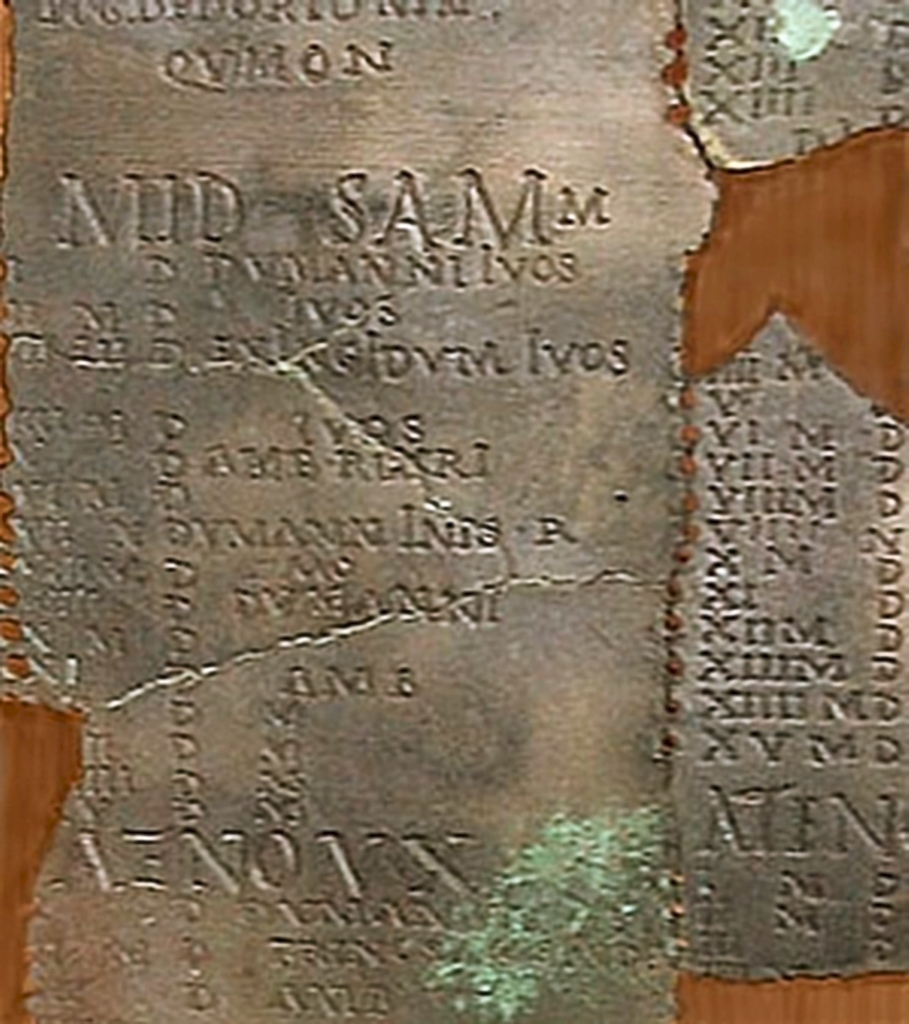


Questions people ask about Samhain
When is Samhain kept?
Samhain is kept on annually on 1 November, starting the evening of 31 October.
What is Samhain?
Samhain is a traditional Gaelic festival marking the close of the harvest and the onset of winter. It celebrates the threshold into the darker half of the year through feasting, bonfires and rituals that honour ancestors and spirits.
Why were costumes worn during Samhain?
Masked guisers and mummers went door to door reciting verses in exchange for food. Wearing disguises allowed people to imitate or conceal themselves from the aos sí, the spirits believed to roam freely during the festival.
How is Samhain connected to Halloween?
Samhain traditions directly influenced Halloween. As Irish and Scottish immigrants carried their customs of guising, bonfires and seasonal divination abroad, these Gaelic threshold practices helped create the modern holiday.
See also
 HalloweenAn annual observance on 31 October marking the eve of All Saints' Day, rooted in Christian tradition and Celtic heritage
 Christmas marketA seasonal street market held during Advent in German-speaking regions and beyond, featuring stalls, food, and crafts.
 ImbolcA Gaelic festival heralding spring and honoring Saint Brigid with woven rush crosses
 St John's EveBonfires, feasting and worship on the short night before John the Baptist's feast
Good reading and sources
- Samhain on WikipediaEncyclopedia
- More photos on Wikimedia CommonsPhotos and video
- Wikidata recordOpen data
The facts on this page come from the Wikipedia article "Samhain", written by its contributors and used under the CC BY-SA 4.0 licence, and from its Wikidata record (CC0). EveryParampara rewrote the text in its own words, with AI assistance, and compares every page with the article to make sure no passage is copied. It may be reused under the same CC BY-SA 4.0 licence with a link back.
It may contain mistakes. Traditions differ from one family, village and community to the next, and the people who keep them know them best. If something is wrong, tell us. Last refreshed 2026-10-04.
More from Ireland
All the traditions of Ireland
🇮🇪 Ireland and 1 moreImbolcLá Fhéile Bríde
A Gaelic festival heralding spring and honoring Saint Brigid with woven rush crossesSeasonal · Feasts and festival meals
 🇮🇪 Killorglin, Ireland and 1 moreLughnasadhLúnasa
A Gaelic festival marking the start of harvest with feasts, fairs and mountain walksSeasonal · Feasts and festival meals
🇮🇪 Killorglin, Ireland and 1 moreLughnasadhLúnasa
A Gaelic festival marking the start of harvest with feasts, fairs and mountain walksSeasonal · Feasts and festival meals
 🇮🇪 Uisneach, Ireland and 1 moreBeltaneBealtaine
A Gaelic first-of-summer festival of bonfires, May flowers and feasting on 1 MaySeasonal
🇮🇪 Uisneach, Ireland and 1 moreBeltaneBealtaine
A Gaelic first-of-summer festival of bonfires, May flowers and feasting on 1 MaySeasonal
 🇮🇪 Ireland and 2 moreEmber daysQuatuor Tempora
A quarterly Western Christian rhythm of fasting, prayer and seasonal thanksgivingSeasonal · Fasting and breaking the fast
🇮🇪 Ireland and 2 moreEmber daysQuatuor Tempora
A quarterly Western Christian rhythm of fasting, prayer and seasonal thanksgivingSeasonal · Fasting and breaking the fast
The same idea elsewhere
Harvest and thanksgiving compared 🇮🇱 Jerusalem, IsraelSukkotסוכות
A seven-day autumn Jewish festival of temporary booths, harvest prayers and hospitalitySpiritual
🇮🇱 Jerusalem, IsraelSukkotסוכות
A seven-day autumn Jewish festival of temporary booths, harvest prayers and hospitalitySpiritual
 🇨🇱 ChileNgillatun
A communal Mapuche rite of prayer, sacrifice and dance to maintain cosmic balanceSpiritual
🇨🇳 Beijing, ChinaLaba Festival臘八節
A winter porridge festival marking the start of the Chinese New Year seasonFestival · Feasts and festival meals
🇨🇱 ChileNgillatun
A communal Mapuche rite of prayer, sacrifice and dance to maintain cosmic balanceSpiritual
🇨🇳 Beijing, ChinaLaba Festival臘八節
A winter porridge festival marking the start of the Chinese New Year seasonFestival · Feasts and festival meals
 🇮🇳 India and 1 moreNaraka Chaturdashi
The dawn festival of oil baths, ancestor lamps, and harvest foods during DiwaliFestival · Breakfast
🇮🇳 India and 1 moreNaraka Chaturdashi
The dawn festival of oil baths, ancestor lamps, and harvest foods during DiwaliFestival · Breakfast