Festivals and celebrationsEast AsiaShinto, Taoist and folk Chinese
Hinamatsuri
In its own language: 雛祭り
A March festival in Japan where families display ornamental dolls to pray for the health and happiness of young girls.

Hinamatsuri is an annual Japanese celebration held on 3 March. Families set up elaborate displays of hina-ningyō dolls on tiered platforms covered with red cloth. The tradition honors the emperor and empress while praying for the well-being of daughters. It is one of five seasonal festivals known as gosekku.
When is Hinamatsuri in 2027?
Hinamatsuri 2027 is on Wednesday, 3 March 2027. Other years: 2026, Tuesday, 3 March 2026; 2028, Friday, 3 March 2028.
Hinamatsuri is a cherished spring festival in Japan dedicated to the growth and safety of young girls. Held annually on 3 March, it involves displaying intricate sets of ornamental dolls representing the imperial court. Families gather to eat special foods and pray for their daughters' future happiness. The custom blends Shinto purification rites with courtly traditions from the Heian period.
Origins and history
The festival traces its roots to the Nara period practice of floating paper dolls down rivers to absorb impurities. This evolved into a purification rite during the Heian era. The modern doll display began in 1629 when Empress Tokugawa Masako created a wedding scene for her daughter, Princess Meisho. The name Hinamatsuri was officially adopted in 1687. Over time, the elaborate doll sets became heirlooms passed through generations, symbolizing hopes for family stability and respect for the throne.
How the dolls are arranged
Families place hina-ningyō on a multi-tiered stand called hinadan, draped in red carpet. The top tier holds the Emperor and Empress dolls. Lower levels feature court ladies, musicians, and ministers. Each doll wears traditional Heian period clothing. Accessories include miniature furniture, musical instruments, and ceremonial items. The arrangement varies by region, with Kyoto and Kantō styles differing in left-right placement. Dolls are typically put away shortly after the festival to avoid bad luck.
Traditional foods and drinks
Meals center on symbolic dishes for the occasion. Girls eat chirashizushi, a bowl of sushi topped with raw fish and vegetables. They also enjoy hishi mochi, diamond-shaped rice cakes in pink, white, and green colors. Sweet treats include ichigo daifuku and sakuramochi. Multi-colored rice crackers called hina-arare are common. Clam soup, ushiojiru, is served because clams represent perfect pairs. Families drink shirozake, a sweet non-alcoholic sake made from fermented rice.
Rituals and customs
Beyond the doll display, communities hold purification ceremonies. In Nagashi-bina, people float paper or straw dolls down rivers to carry away sins. Hanging decorations called tsurushi-bina adorn homes with colorful cords and miniature figures. Girls host parties with friends before the main day. Historically, these dolls were toys, but they are now strictly for display. The practice highlights the importance of family heritage and the transition of girls toward adulthood within Japanese culture.
How Hinamatsuri is kept
Families set up a seven-tiered platform covered in red cloth a few days before 3 March. They arrange ornamental dolls representing the imperial court, attendants, and musicians. Mothers and daughters decorate the display with miniature furniture and food items. After the festival, the dolls are stored until the next year. Communities may also perform river rituals to float away impurities. Girls celebrate with friends using special sweets and drinks.
When and where
It falls on 3 March every year. This date is fixed in the Gregorian calendar. It is one of five seasonal festivals called gosekku. The timing coincides with early peach blossoms in Japan.
The tradition is kept throughout Japan. It is strongest in Japanese households with young daughters. Some regions like Tottori City maintain specific local variations. The custom has spread to Japanese diaspora communities abroad.
What Hinamatsuri means
The dolls represent the imperial court and pray for the health of girls. The display fosters respect for family and tradition. Floating dolls purify the body of impurities. Peach flowers symbolize spring and renewal. The careful arrangement reflects social order and harmony.
On the table
- chirashizushi
- hishi mochi
- ichigo daifuku
- sakuramochi
- ushiojiru
- hina-arare
- shirozake


Days Hinamatsuri is marked
Hinamatsuri dates: 2026, 2027, 2028
| Year | Hinamatsuri date |
|---|---|
| 2026 | Tuesday, 3 March 2026 |
| 2027 | Wednesday, 3 March 2027 |
| 2028 | Friday, 3 March 2028 |
Questions people ask about Hinamatsuri
When is Hinamatsuri in 2027?
Hinamatsuri 2027 is on Wednesday, 3 March 2027. Other years: 2026, Tuesday, 3 March 2026; 2028, Friday, 3 March 2028.
What is Hinamatsuri?
Hinamatsuri is a Japanese festival held on 3 March. Families display ornamental dolls to celebrate the health and happiness of young girls. It is not a national holiday but is widely observed across Japan.
Why are dolls displayed?
The dolls represent the emperor, empress, and their court. They serve as prayer objects for the well-being of daughters. Leaving them out too long is considered unlucky. The display is usually removed quickly after the festival ends.
What special foods are eaten?
Families eat chirashizushi, hishi mochi, and drink shirozake. Clam soup represents paired shells. Rice crackers and sweet bean pastes are also common. These foods have symbolic meanings related to purity and good fortune.
See also
 HalloweenAn annual observance on 31 October marking the eve of All Saints' Day, rooted in Christian tradition and Celtic heritage
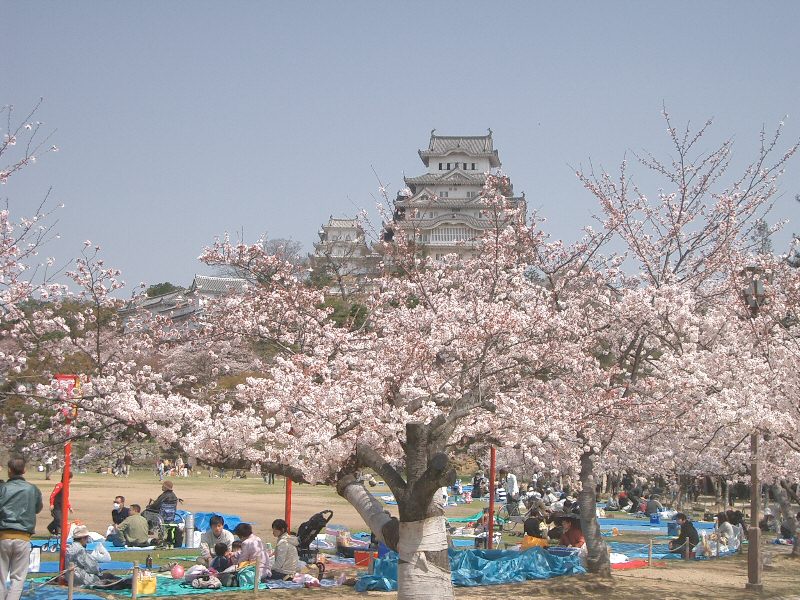 HanamiA Japanese spring custom of gathering under blooming cherry trees to eat, drink, and celebrate the fleeting beauty of th
 Rama NavamiA Hindu spring festival marking the birth of Rama with prayer, fasting and processions
 Buddha's BirthdayA festival marking the birth of Siddhartha Gautama, observed across Asia with temple rituals and community gatherings.
Good reading and sources
- Hinamatsuri on WikipediaEncyclopedia
- More photos on Wikimedia CommonsPhotos and video
- Wikidata recordOpen data
The facts on this page come from the Wikipedia article "Hinamatsuri", written by its contributors and used under the CC BY-SA 4.0 licence, and from its Wikidata record (CC0). EveryParampara rewrote the text in its own words, with AI assistance, and compares every page with the article to make sure no passage is copied. It may be reused under the same CC BY-SA 4.0 licence with a link back.
It may contain mistakes. Traditions differ from one family, village and community to the next, and the people who keep them know them best. If something is wrong, tell us. Last refreshed 2026-10-04.
More from Japan
All the traditions of Japan 🇯🇵 JapanTairyō-bata大漁旗
Traditional Japanese flags flown by fishing boats to celebrate a bountiful catchFestival
🇮🇪 Ireland and 5 moreHalloween
An annual observance on 31 October marking the eve of All Saints' Day, rooted in Christian tradition and Celtic heritageFestival · Sweets given and shared
🇯🇵 JapanTairyō-bata大漁旗
Traditional Japanese flags flown by fishing boats to celebrate a bountiful catchFestival
🇮🇪 Ireland and 5 moreHalloween
An annual observance on 31 October marking the eve of All Saints' Day, rooted in Christian tradition and Celtic heritageFestival · Sweets given and shared
 🇯🇵 Aomori, JapanAomori Nebuta Matsuri青森ねぶた祭
A summer festival in Aomori featuring large warrior floats and dancing participants.Festival
🇯🇵 Aomori, JapanAomori Nebuta Matsuri青森ねぶた祭
A summer festival in Aomori featuring large warrior floats and dancing participants.Festival
 🇯🇵 Kishiwada, JapanKishiwada Danjiri Matsuri岸和田だんじり祭
A high-speed festival of wooden shrine floats pulled through Kishiwada, JapanFestival
🇯🇵 Kishiwada, JapanKishiwada Danjiri Matsuri岸和田だんじり祭
A high-speed festival of wooden shrine floats pulled through Kishiwada, JapanFestival
The same idea elsewhere
Birth and new babies compared 🇹🇱 Timor-LesteUma Lulik
Sacred ancestral clan houses and ritual shrines in East TimorSpiritual
🇹🇱 Timor-LesteUma Lulik
Sacred ancestral clan houses and ritual shrines in East TimorSpiritual
 🇮🇩 Indonesia and 2 moreKenduri
A communal prayer meal and gathering shared across Indonesia, Malaysia and BruneiSpiritual · Feasts and festival meals
🇮🇩 Indonesia and 2 moreKenduri
A communal prayer meal and gathering shared across Indonesia, Malaysia and BruneiSpiritual · Feasts and festival meals
 🇺🇸 United States and 1 moreDreamcatcherᐊᓴᐱᑫᔒᓐᐦ (asabikeshiinh)
A hand-woven hoop from Anishinaabe tradition, hung above a cradle to protect a childCraft
🇺🇸 United States and 1 moreDreamcatcherᐊᓴᐱᑫᔒᓐᐦ (asabikeshiinh)
A hand-woven hoop from Anishinaabe tradition, hung above a cradle to protect a childCraft