Traditions of Kyoto
The old imperial capital, home of tea ceremony, geisha districts and the great summer Gion festival.
Kyoto was the capital of Japan for more than a thousand years and still keeps a calendar of Shinto and Buddhist festivals, craft guilds and seasonal food. Its temples, tea houses and wooden machiya townhouses shape a city where tradition is practised daily and not only displayed.

The Gion Matsuri
All through July, floats called yamaboko, some of them towering and hung with tapestries, are pulled through the streets of the city in a festival that began in the ninth century as a prayer against plague. Neighbours build the floats without nails. On the evenings before the procession, families open their houses and show treasures.
At the table
Kyoto cooking is called kyo-ryori: soft, pale and seasonal. Kaiseki is the multi-course meal that grew from the tea ceremony. Tofu, pickles, yuba and matcha sweets are local. In summer, restaurants build platforms over the Kamo River, called yuka, and diners eat outdoors in the evening.
Signature traditions of Kyoto
 Gion MatsuriThe great July festival of Kyoto.
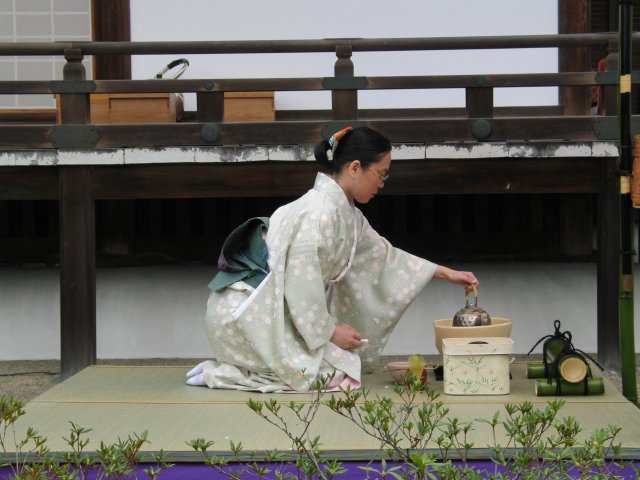 Japanese tea ceremonyThe way of tea.
 KaisekiThe multi-course seasonal meal.
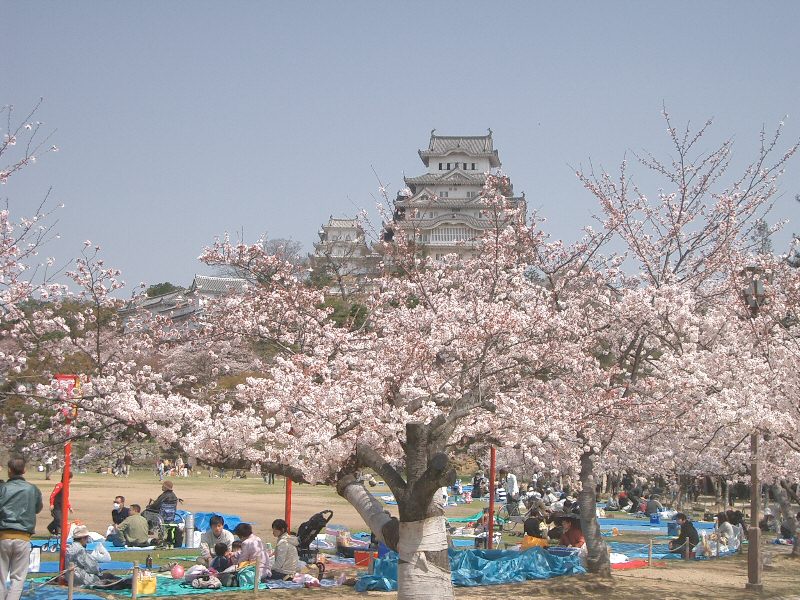 HanamiCherry blossom viewing.
Also part of it, and being written: Geisha (The traditional entertainers.).
A trail idea for Kyoto
- Kamo River at dusk Walk the banks and watch the riverside tables fill.
- Nishiki Market Taste pickles and tofu in the five-block food lane.
- Fushimi Inari Shrine Climb through thousands of red gates.
- Gion at twilight Look for geiko on the way to dinner, and do not chase them.
Written by the EveryParampara desk with AI assistance. Opening hours, markets and festival dates change; check locally before travelling. Customs differ from place to place and family to family. If this is your tradition and we have it wrong, tell us.
 🇯🇵 Kyoto, JapanIkebana生け花
The Japanese art of arranging cut branches and flowers in a vesselPerformance
🇯🇵 Kyoto, JapanIkebana生け花
The Japanese art of arranging cut branches and flowers in a vesselPerformance
 🇯🇵 Tokyo, Japan and 1 moreBonsai盆栽
A Japanese craft of keeping small trees in shallow pots, shaped for contemplationCraft
🇯🇵 Tokyo, Japan and 1 moreBonsai盆栽
A Japanese craft of keeping small trees in shallow pots, shaped for contemplationCraft
 🇯🇵 Tokyo, JapanRakugo落語
Japanese solo comic storytelling told from a cushion using a fan and a clothPerformance
🇯🇵 Tokyo, JapanRakugo落語
Japanese solo comic storytelling told from a cushion using a fan and a clothPerformance
 🇯🇵 Kishiwada, JapanKishiwada Danjiri Matsuri岸和田だんじり祭
A high-speed festival of wooden shrine floats pulled through Kishiwada, JapanFestival
🇯🇵 Kishiwada, JapanKishiwada Danjiri Matsuri岸和田だんじり祭
A high-speed festival of wooden shrine floats pulled through Kishiwada, JapanFestival
 🇯🇵 Kyoto, JapanKendo剣道
A Japanese martial art of swordsmanship using bamboo swords and protective armourGame
🇯🇵 Kyoto, JapanKendo剣道
A Japanese martial art of swordsmanship using bamboo swords and protective armourGame
 🇯🇵 Kyoto, JapanTorii鳥居
A traditional Japanese gate marking the entrance to a Shinto shrine and separating the sacred from the mundane.Spiritual
🇯🇵 Kyoto, JapanTorii鳥居
A traditional Japanese gate marking the entrance to a Shinto shrine and separating the sacred from the mundane.Spiritual
 🇯🇵 Kyoto, JapanYūzen友禅
A Japanese resist-dyeing craft that creates painterly patterns on fine kimonoCraft
🇯🇵 Kyoto, JapanYūzen友禅
A Japanese resist-dyeing craft that creates painterly patterns on fine kimonoCraft
 🇯🇵 Kyoto, JapanKyōgen狂言
A traditional Japanese comic theatre of short farces, spoken dialogue and satirePerformance
🇯🇵 Kyoto, Japan and 4 moreHanami花見
A Japanese spring custom of gathering under blooming cherry trees to eat, drink, and celebrate the fleeting beauty of thFestival · Lunch
🇯🇵 Kyoto, JapanKyōgen狂言
A traditional Japanese comic theatre of short farces, spoken dialogue and satirePerformance
🇯🇵 Kyoto, Japan and 4 moreHanami花見
A Japanese spring custom of gathering under blooming cherry trees to eat, drink, and celebrate the fleeting beauty of thFestival · Lunch
 🇯🇵 Kyoto, JapanHinamatsuri雛祭り
A March festival in Japan where families display ornamental dolls to pray for the health and happiness of young girls.Festival · Sweets given and shared
🇯🇵 Kyoto, JapanHinamatsuri雛祭り
A March festival in Japan where families display ornamental dolls to pray for the health and happiness of young girls.Festival · Sweets given and shared
 🇯🇵 Tokyo, Japan and 2 moreTanabataたなばた
A Japanese summer star festival of written wishes hung on leafy bamboo.Festival
🇯🇵 Tokyo, Japan and 2 moreTanabataたなばた
A Japanese summer star festival of written wishes hung on leafy bamboo.Festival
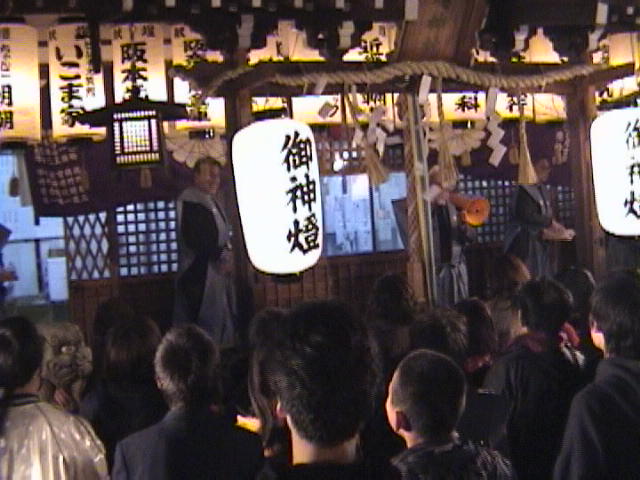 🇯🇵 Tokyo, JapanSetsubun節分
A Japanese ritual of throwing roasted soybeans to banish evil spirits and welcome spring.Festival · Feasts and festival meals
🇯🇵 Kyoto, JapanKaiseki懐石
A multi-course Japanese dining tradition shaped by tea ceremonies and the seasonsTable custom · Dinner
🇯🇵 Tokyo, JapanSetsubun節分
A Japanese ritual of throwing roasted soybeans to banish evil spirits and welcome spring.Festival · Feasts and festival meals
🇯🇵 Kyoto, JapanKaiseki懐石
A multi-course Japanese dining tradition shaped by tea ceremonies and the seasonsTable custom · Dinner
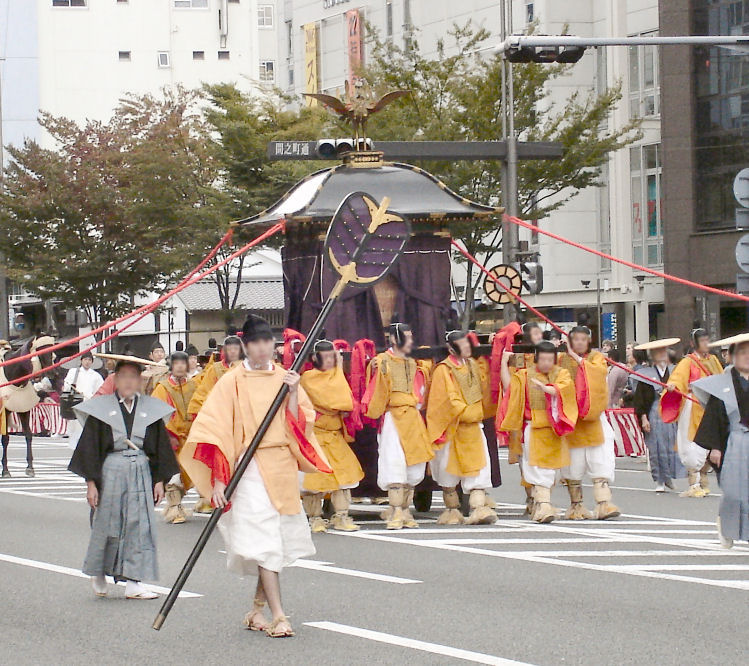 🇯🇵 Kyoto, JapanJidai Matsuri時代祭
An autumn costume procession celebrating Kyoto's imperial heritage and historyFestival
🇯🇵 Kyoto, JapanJidai Matsuri時代祭
An autumn costume procession celebrating Kyoto's imperial heritage and historyFestival
 🇯🇵 Kyoto, JapanAoi Matsuri葵祭
A classical Kyoto festival with an imperial procession and ancient shrine ritualsFestival
🇯🇵 Kyoto, JapanGion Matsuri祇園祭
A month-long Kyoto festival of grand floats, evening markets and purifying ritualsFestival
🇯🇵 Kyoto, JapanAoi Matsuri葵祭
A classical Kyoto festival with an imperial procession and ancient shrine ritualsFestival
🇯🇵 Kyoto, JapanGion Matsuri祇園祭
A month-long Kyoto festival of grand floats, evening markets and purifying ritualsFestival
 🇯🇵 Osaka, JapanTenjin Matsuri天神祭
A major Shinto festival in Osaka featuring a street procession and a river boat parade on the Okawa River.Festival
🇯🇵 Osaka, JapanTenjin Matsuri天神祭
A major Shinto festival in Osaka featuring a street procession and a river boat parade on the Okawa River.Festival
 🇯🇵 Kyoto, JapanGozan no Okuribi五山送り火
Five giant bonfires lit across Kyoto's hills to bid farewell to ancestor spirits.Spiritual
🇯🇵 Kyoto, JapanGozan no Okuribi五山送り火
Five giant bonfires lit across Kyoto's hills to bid farewell to ancestor spirits.Spiritual
 🇯🇵 Tokyo, JapanDaijō-sai大嘗祭
The emperor's once-in-a-reign Shinto rite of thanks for the rice harvestSpiritual
🇯🇵 Kyoto, JapanJapanese tea ceremony茶道 (Sadō / Chadō), 茶の湯 (Chanoyu)
The formal serving of powdered matcha, shaped by Zen, Shinto and wabiTable custom · Tea, coffee and drinking ceremonies
🇯🇵 Tokyo, JapanDaijō-sai大嘗祭
The emperor's once-in-a-reign Shinto rite of thanks for the rice harvestSpiritual
🇯🇵 Kyoto, JapanJapanese tea ceremony茶道 (Sadō / Chadō), 茶の湯 (Chanoyu)
The formal serving of powdered matcha, shaped by Zen, Shinto and wabiTable custom · Tea, coffee and drinking ceremonies
 🇯🇵 Kyoto, JapanKimono着物
Japan's national dress: a wrapped robe with square sleeves, tied with a wide sashDress
🇯🇵 Kyoto, JapanKimono着物
Japan's national dress: a wrapped robe with square sleeves, tied with a wide sashDress
 🇯🇵 Kyoto, JapanNoh能 (Nō)
Japanese masked dance-drama, staged since the 14th century in family schoolsPerformance
🇯🇵 Kyoto, JapanNoh能 (Nō)
Japanese masked dance-drama, staged since the 14th century in family schoolsPerformance
 🇯🇵 Tokyo, Japan and 2 moreManeki-neko招き猫
A lucky cat figurine, paw raised, kept by shop doors and in homes across JapanFolklore
🇯🇵 Tokyo, Japan and 2 moreManeki-neko招き猫
A lucky cat figurine, paw raised, kept by shop doors and in homes across JapanFolklore
 🇯🇵 Tokyo, JapanShinto wedding神前結婚
A short purification ceremony before the kami, sealed by three cups of sakeRite of passage
🇯🇵 Tokyo, JapanTomimoto-bushi富本節
A subtle school of Japanese sung storytelling with shamisen, popular in the 1700sPerformance
🇯🇵 Tokyo, JapanShinto wedding神前結婚
A short purification ceremony before the kami, sealed by three cups of sakeRite of passage
🇯🇵 Tokyo, JapanTomimoto-bushi富本節
A subtle school of Japanese sung storytelling with shamisen, popular in the 1700sPerformance
 🇯🇵 Kyoto, Japan and 5 moreTeeth blackening
A custom of dyeing teeth black to mark adulthood and beauty in parts of Asia and Oceania.Rite of passage
🇯🇵 Kyoto, Japan and 5 moreTeeth blackening
A custom of dyeing teeth black to mark adulthood and beauty in parts of Asia and Oceania.Rite of passage
Photo credits on this page
The small pictures above come from Wikimedia Commons under free licences. Some are cropped to fit.
- Hanami: Unknown author, CC BY-SA 3.0, source
- Hinamatsuri: Lalupa, CC BY-SA 4.0, source
- Tanabata: Laika ac, CC BY-SA 2.0, source
- Ikebana: Joe Mabel, CC BY-SA 3.0, source
- Setsubun: Unknown author, CC BY-SA 3.0, source
- Bonsai: Ragesoss, CC BY-SA 3.0, source
- Kaiseki: Unknown author, CC BY-SA 3.0, source
- Jidai Matsuri: PlusMinus, CC BY-SA 3.0, source
- Aoi Matsuri: Japanexperterna, CC BY-SA 3.0, source
- Gion Matsuri: 江戸村のとくぞう, CC BY-SA 4.0, source
- Tenjin Matsuri: 663highland, CC BY 2.5, source
- Gozan no Okuribi: J_o, CC BY-SA 3.0, source
- Rakugo: Yuya Tamai, CC BY 2.0, source
- Kishiwada Danjiri Matsuri: Kounosu, CC BY-SA 3.0, source
- Kendo: Source: photo taken by Harald Hofer, CC BY-SA 2.0 at, source
- Torii: JordyMeow, CC BY-SA 3.0, source
- Yūzen: Ismoon ( talk ), CC BY-SA 4.0, source
- Kyōgen: Corpse Reviver, CC BY 3.0, source
- Daijō-sai: Abasaa, Public domain, source
- Japanese tea ceremony: Photograph taken by Stephane D'Alu ( en:User:Sdalu ) in April 2004, CC BY-SA 3.0, source
- Kimono: Takaaki Kawai, CC BY-SA 2.0, source
- Noh: Yoshiyuki Ito, CC BY-SA 3.0, source
- Maneki-neko: Su--May, CC BY 2.0, source
- Shinto wedding: Jakub Hałun, CC BY-SA 4.0, source
- Teeth blackening: momo, CC BY 2.0, source