Yule Lads
In its own language: Jólasveinarnir
Thirteen mischievous brothers who visit Icelandic homes in the nights leading to Yule.

In Iceland, thirteen prankster brothers known as the Yule Lads travel from the mountains to visit towns one by one before Christmas. Children put shoes on window ledges each night starting on 12 December, hoping to receive small presents instead of rotten potatoes.
When is Yule Lads marked?
Yule Lads is kept as part of Christmas, which is on Friday, 25 December 2026.
The Yule Lads are thirteen mythical brothers from Icelandic folklore who visit towns across the country during the midwinter season. Emerging from mountain caves one by one in the days before Christmas, they leave treats or rotten potatoes inside shoes set on window ledges. Though once feared as frightening figures used to discipline young people, they are now welcomed as playful seasonal guests.
Thirteen night visits
Starting on 12 December, the brothers arrive in towns individually, one each evening. Children put a shoe on their window ledge before going to sleep. Well-behaved youngsters wake to discover a tiny treat or gift tucked inside. Those who have misbehaved find only an old, decaying potato left behind. Each visitor remains for thirteen days. After the first brother departs on Christmas Day, the others head back to their cave in succession, ending the visits on 6 January.
Grýla and her cave
According to traditional tales, the brothers are the sons of an ogress named Grýla and her lazy third husband, Leppalúði. They share a cave in the Dimmuborgir lava fields along with a massive, vicious black pet called the Yule Cat. Older stories painted Grýla as a terrible monster who searched settlements for mischievous children to boil in her cooking pot. The dreaded cat hunted anyone who failed to get new clothing before Christmas Eve. Leppalúði stays behind in their dark refuge while his wife and sons set out.
From fright to gifts
The first written reference to the brothers appeared during the seventeenth century in a poem about Grýla. At first, their numbers, names, and habits differed by district, and parents used them to terrify youngsters into obedience. Because the stories caused severe fright, the Danish crown intervened in 1746 to forbid using the tales to terrorise children. Author Jón Árnason compiled their first recorded names in 1862. Later, a 1932 poetry volume by Jóhannes úr Kötlum popularised the current roster of thirteen distinct personalities.
Pranks and changing dress
Every Lad has an individual way of creating chaos, whether snatching food or playing tricks on households. Early tales portrayed them in regional forms, such as maritime spirits from eastern Iceland or pairs who stole melted fat. Today, figures are usually shown in late-medieval Icelandic attire, though modern appearances sometimes borrow the red costume of Santa Claus. In recent times, the brothers have softened into kinder figures who mirror benign gift-givers rather than the kidnappers described in early folklore.
How Yule Lads is kept
Beginning on 12 December, children across Iceland place a shoe on a window ledge at bedtime. Over thirteen consecutive nights, one Yule Lad arrives each evening to leave a modest gift for obedient children or a rotten potato for those who misbehaved. The visitors each stay for thirteen days before leaving in the same order they arrived, concluding their stay on 6 January.
When and where
The tradition runs each winter during the thirteen nights before Christmas, beginning on 12 December. Each figure stays for thirteen days, with the earliest visitor departing on Christmas Day and the final Lad leaving on 6 January.
The custom is observed throughout Iceland. In folklore, the brothers dwell in the mountains and specifically in a cave among the Dimmuborgir lava fields before walking down to towns and farmsteads.
What Yule Lads means
Originally, the figures served as cautionary warnings to encourage good conduct during the winter months. Today, the custom blends excitement and playful mischief into the holiday countdown. Getting a small surprise or a spoiled potato reminds children of proper behavior while making the dark winter nights feel festive.


Days Yule Lads is marked
Questions people ask about Yule Lads
When is Yule Lads marked?
Yule Lads is kept as part of Christmas, which is on Friday, 25 December 2026.
What are the Yule Lads?
The Yule Lads are thirteen mischievous brothers from Icelandic folklore. In the thirteen nights leading up to Christmas, they leave their mountain home one by one to visit towns, leaving small gifts or rotten potatoes in children's shoes.
What happens if a child misbehaves?
Children place their shoes on window ledges before sleeping each evening. Well-behaved youngsters receive small treats or presents, but those who have caused trouble wake to find a rotten potato left in their footwear.
Who are Grýla and the Yule Cat?
Grýla is an ogress and the mother of the Yule Lads, feared in old tales for boiling naughty children in a stew. The Yule Cat is her enormous pet that stalks the countryside to eat anyone who lacks new clothes before Christmas Eve.
See also
 RisalamandeA chilled Danish Christmas rice dessert with cream, chopped almonds and cherry sauce
 CandlemasA Christian feast of candle blessings marking the end of the Christmas season
 Advent calendarA daily countdown to Christmas using doors, images, or small gifts.
 JiaoziCrescent Chinese dumplings filled with meat or vegetables, eaten for fortune and feasts
Good reading and sources
- Before the Yule Lads Evolved Into Icelandic Versions of Santa Claus, They Terrorized Children Into Following the RulesSmithsonian Magazine, Article
- Before the Yule Lads Evolved Into Icelandic Versions of Santa Claus, They Terrorized Children Into Following the RulesSmithsonian Magazine, Article
- Icelandic Christmas folklore on WikipediaEncyclopedia
- More photos on Wikimedia CommonsPhotos and video
- Wikidata recordOpen data
The facts on this page come from the Wikipedia article "Icelandic Christmas folklore", written by its contributors and used under the CC BY-SA 4.0 licence, and from its Wikidata record (CC0). EveryParampara rewrote the text in its own words, with AI assistance, and compares every page with the article to make sure no passage is copied. It may be reused under the same CC BY-SA 4.0 licence with a link back.
It may contain mistakes. Traditions differ from one family, village and community to the next, and the people who keep them know them best. If something is wrong, tell us. Last refreshed 2026-10-04.
More from Iceland
All the traditions of Iceland 🇬🇧 United Kingdom and 3 moreSelkieselkie fowk
The seal shapeshifters of Scottish and northern island folkloreFolklore
🇩🇰 Copenhagen, Denmark and 4 moreRisalamande
A chilled Danish Christmas rice dessert with cream, chopped almonds and cherry sauceTable custom · Sweets given and shared
🇮🇸 IcelandÞorrablót
An Icelandic midwinter feast of dinner, speeches and poetryFestival · Dinner
🇬🇧 United Kingdom and 3 moreSelkieselkie fowk
The seal shapeshifters of Scottish and northern island folkloreFolklore
🇩🇰 Copenhagen, Denmark and 4 moreRisalamande
A chilled Danish Christmas rice dessert with cream, chopped almonds and cherry sauceTable custom · Sweets given and shared
🇮🇸 IcelandÞorrablót
An Icelandic midwinter feast of dinner, speeches and poetryFestival · Dinner
 🇮🇸 Iceland and 2 moreYuleġēol (Old English); jól (Old Norse)
The Germanic midwinter festival that Christmas grew out of, kept today by HeathensSpiritual
🇮🇸 Iceland and 2 moreYuleġēol (Old English); jól (Old Norse)
The Germanic midwinter festival that Christmas grew out of, kept today by HeathensSpiritual
The same idea elsewhere
Midwinter and the longest night compared 🇵🇪 Cusco, Peru and 4 moreIntiinti (Quechua)
The Inca sun deity, honoured with temples, offerings and the June festival Inti RaymiSpiritual
🇵🇪 Cusco, Peru and 4 moreIntiinti (Quechua)
The Inca sun deity, honoured with temples, offerings and the June festival Inti RaymiSpiritual
 🇮🇷 Iran and 5 moreYaldā Nightشب یلدا
A solstice night of poetry, fruit and family, kept from Iran through Central AsiaFestival · Dinner
🇮🇷 Iran and 5 moreYaldā Nightشب یلدا
A solstice night of poetry, fruit and family, kept from Iran through Central AsiaFestival · Dinner
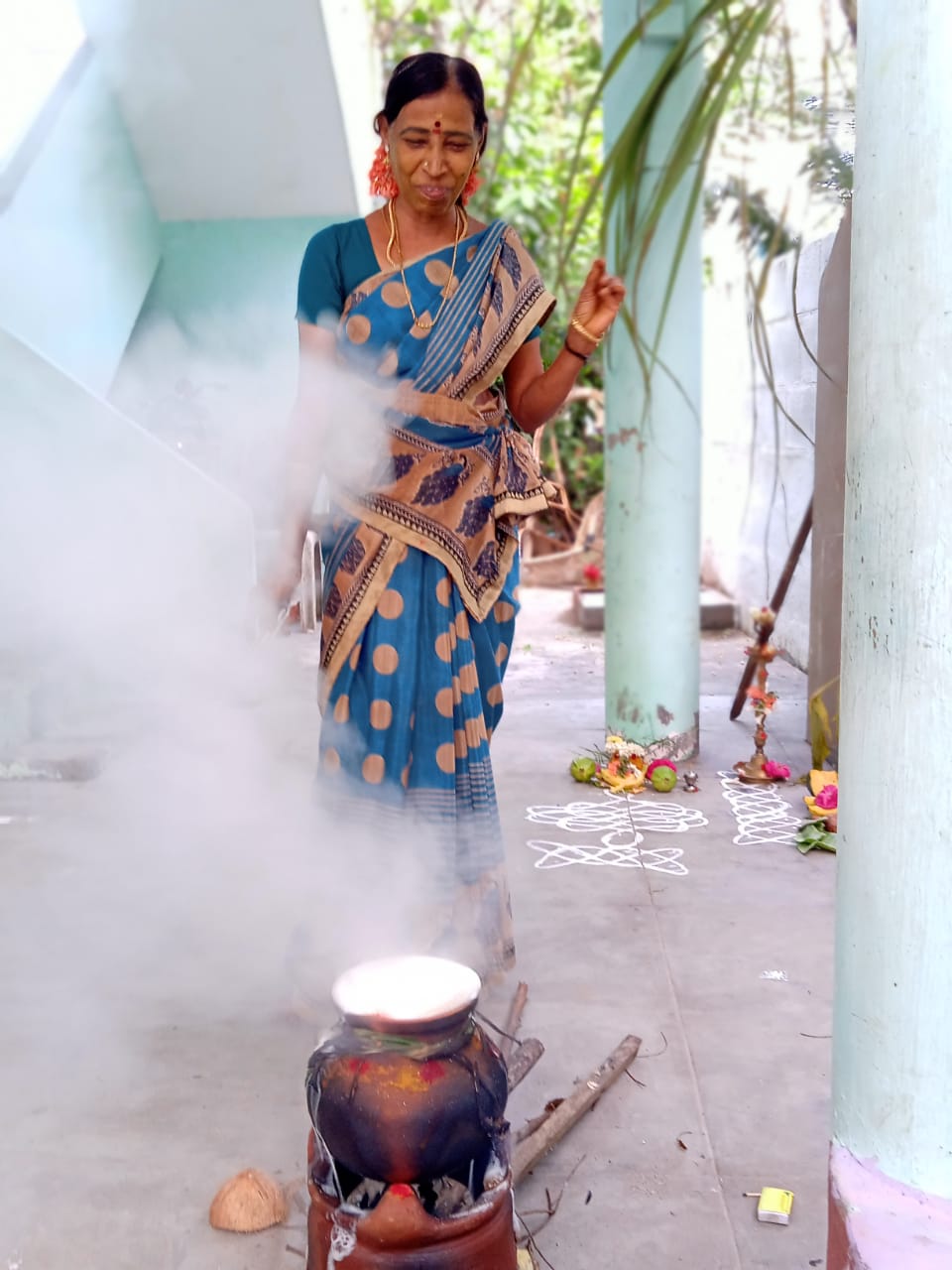 🇮🇳 India and 5 morePongal
Three or four days of boiling rice, garlanded cattle and thanks to the sunSeasonal · Sweets given and shared
🇨🇳 Shanghai, China and 1 moreJiaozi餃子
Crescent Chinese dumplings filled with meat or vegetables, eaten for fortune and feastsTable custom · Breakfast
🇮🇳 India and 5 morePongal
Three or four days of boiling rice, garlanded cattle and thanks to the sunSeasonal · Sweets given and shared
🇨🇳 Shanghai, China and 1 moreJiaozi餃子
Crescent Chinese dumplings filled with meat or vegetables, eaten for fortune and feastsTable custom · Breakfast