Customs of food and drinkEuropeChristianSecular and civic
Risalamande
A chilled Danish Christmas rice dessert with cream, chopped almonds and cherry sauce

Risalamande is a cold Danish dessert made from sweet rice pudding folded with whipped cream, chopped almonds, and vanilla, then topped with cherry sauce. Eaten during Christmas dinner and holiday lunches, it features a playful search for a single whole almond hidden in the bowl.
When is Risalamande marked?
Risalamande is kept as part of Christmas Eve, which is on Thursday, 24 December 2026.
Risalamande is a chilled rice dessert served across Denmark during Christmas feasts and seasonal lunches. Cooks blend cold cooked rice pudding with whipped cream, chopped almonds, sugar, and vanilla, spooning warm or chilled cherry sauce over each portion. Beyond its rich taste, the dish centres on a lighthearted holiday game: dinner guests search their servings for a lone intact almond to win a small prize.
Origins and French influence
According to local lore, the dessert originated when a chef at the Hotel d'Angleterre in Copenhagen needed to improvise a sweet dish. It took inspiration from empress rice, a molded French creation decorated with fruit jelly. Nineteenth-century bourgeois households in Denmark embraced the recipe around 1900 to set themselves apart from ordinary families, who ate simple warm porridge. Wealthy diners were fond of French dining trends and adopted the French name riz à l'amande, which became risalamande. Plain rice pudding became widespread across the country only in the first half of the twentieth century, after wartime rationing made rice an everyday staple.
The almond hunt
A key part of serving the pudding is the search for a single unchopped nut stirred into the bowl. Whoever receives the intact nut wins a designated gift, known in Denmark as the almond present. This custom stems from an older French Epiphany practice, where a dry bean baked into a festive cake made the finder king for the evening. In Danish homes, the finder often conceals the nut in their mouth or pocket. This playful trick compels everyone else at the table to keep eating their portions, even after finishing a heavy festive dinner, hoping the prize might still appear.
Festive porridge and house spirits
Traditional hot porridge, or risengrød, remains closely tied to the chilled dessert. Many families prepare a generous kettle of hot porridge on Little Christmas Eve, the twenty-third of December, reserving half to fold with cream the following day. Warm porridge is served with melted butter and ground cinnamon, frequently accompanied by low-alcohol malt beer. Children also offer steaming bowls to nisser, the household spirits of Scandinavian folklore. If the porridge vanishes overnight, family lore treats the empty bowl as proof that the elf visited the home, continuing an ancient northern folk belief.
Across the Nordic region
Neighbouring Nordic countries enjoy their own variations of the chilled holiday dessert. In Sweden and Finland, cooks prepare dishes known as ris à la Malta or Maltan riisi, accompanying the sweet grains with berry sauces, fruit cordial, or orange pieces. Folk belief in Sweden promises a quick wedding to the person who finds the hidden nut, while Finnish tradition promises good fortune for the coming year. Norwegian households serve riskrem paired with raspberry or strawberry compote, whereas Icelandic cooks cool their porridge overnight and serve the almond mixture for lunch on Christmas Eve.
How Risalamande is kept
On Christmas Eve or during seasonal lunches, hosts dish out cold rice pudding folded with whipped cream and crushed almonds, ladling cherry sauce over the top. One unbroken almond is mixed secretly into the bowl. As guests eat, they check each mouthful for the whole nut. The diner who discovers it wins a small celebratory gift. Finding the almond often leads to friendly trickery, as the winner may quietly hide the nut so other diners keep eating in suspense.
When and where
The dessert is served in late December, particularly during Christmas dinner on Christmas Eve and at traditional holiday midday gatherings known as julefrokost. Preparations often begin on December 23, when cooks make the base rice pudding.
Risalamande is prepared throughout Denmark in family homes and festive gatherings. Related versions of chilled festive rice cream are also eaten across Sweden, Norway, Finland, and Iceland.
What Risalamande means
The dessert represents festive hospitality and seasonal indulgence, evolving from an elite nineteenth-century luxury into a universal holiday staple. Finding the solitary almond symbolises good luck for the coming year or romantic fortune in neighbouring lands, while offering plain porridge connects modern celebrations to older beliefs in protective household spirits.
On the table
- Risalamande
- Risengrød
- Cherry sauce
- Malt beer
- Riskrem
- Ris à la Malta
- Möndlugrautur

Days Risalamande is marked
Questions people ask about Risalamande
When is Risalamande marked?
Risalamande is kept as part of Christmas Eve, which is on Thursday, 24 December 2026.
What is risalamande?
Risalamande is a classic Danish holiday dessert made by combining cold rice pudding with whipped cream, sugar, chopped almonds, and vanilla. It is served chilled and coated with either warm or cold cherry sauce.
What is the game played with the almond?
Hosts stir one whole unchopped almond into the pudding before serving. The person who discovers the hidden nut in their bowl wins a special gift, often keeping the discovery secret so fellow guests keep eating.
How does risalamande differ from risengrød?
Risengrød is a hot, simple rice porridge topped with butter and cinnamon, often eaten on December 23. Risalamande uses chilled porridge as a base, lightening it with whipped cream, vanilla, and chopped nuts for Christmas Eve.
See also
 Saint Lucy's DayA December festival of light and song held across Scandinavia and Italy to honour a Christian martyr.
 Gävle goatA towering straw Yule goat built each Advent in the central square of Gävle
 JiaoziCrescent Chinese dumplings filled with meat or vegetables, eaten for fortune and feasts
 HalloweenAn annual observance on 31 October marking the eve of All Saints' Day, rooted in Christian tradition and Celtic heritage
Good reading and sources
- Risalamande on WikipediaEncyclopedia
- More photos on Wikimedia CommonsPhotos and video
- Wikidata recordOpen data
The facts on this page come from the Wikipedia article "Risalamande", written by its contributors and used under the CC BY-SA 4.0 licence, and from its Wikidata record (CC0). EveryParampara rewrote the text in its own words, with AI assistance, and compares every page with the article to make sure no passage is copied. It may be reused under the same CC BY-SA 4.0 licence with a link back.
It may contain mistakes. Traditions differ from one family, village and community to the next, and the people who keep them know them best. If something is wrong, tell us. Last refreshed 2026-10-04.
More from Denmark
All the traditions of Denmark 🇳🇴 Norway and 2 moreJulebord
A Scandinavian Christmas banquet of traditional dishes, festive drinks and celebrationTable custom · Feasts and festival meals
🇳🇴 Norway and 2 moreJulebord
A Scandinavian Christmas banquet of traditional dishes, festive drinks and celebrationTable custom · Feasts and festival meals
 🇬🇧 United Kingdom and 4 moreSaffron bun
A golden, spiced yeast roll flavoured with saffron, baked for festive and holy daysTable custom · Tea-time and snacking customs
🇬🇧 United Kingdom and 4 moreSaffron bun
A golden, spiced yeast roll flavoured with saffron, baked for festive and holy daysTable custom · Tea-time and snacking customs
 🇩🇰 Copenhagen, Denmark and 1 moreHygge
A Danish word for unhurried time at home with others, kept with candles and cookingHome
🇸🇪 Stockholm, Sweden and 4 moreSaint Lucy's Day
A December festival of light and song held across Scandinavia and Italy to honour a Christian martyr.Festival · Breakfast
🇩🇰 Copenhagen, Denmark and 1 moreHygge
A Danish word for unhurried time at home with others, kept with candles and cookingHome
🇸🇪 Stockholm, Sweden and 4 moreSaint Lucy's Day
A December festival of light and song held across Scandinavia and Italy to honour a Christian martyr.Festival · Breakfast
The same idea elsewhere
Midwinter and the longest night compared 🇵🇪 Cusco, Peru and 4 moreIntiinti (Quechua)
The Inca sun deity, honoured with temples, offerings and the June festival Inti RaymiSpiritual
🇵🇪 Cusco, Peru and 4 moreIntiinti (Quechua)
The Inca sun deity, honoured with temples, offerings and the June festival Inti RaymiSpiritual
 🇮🇷 Iran and 5 moreYaldā Nightشب یلدا
A solstice night of poetry, fruit and family, kept from Iran through Central AsiaFestival · Dinner
🇮🇷 Iran and 5 moreYaldā Nightشب یلدا
A solstice night of poetry, fruit and family, kept from Iran through Central AsiaFestival · Dinner
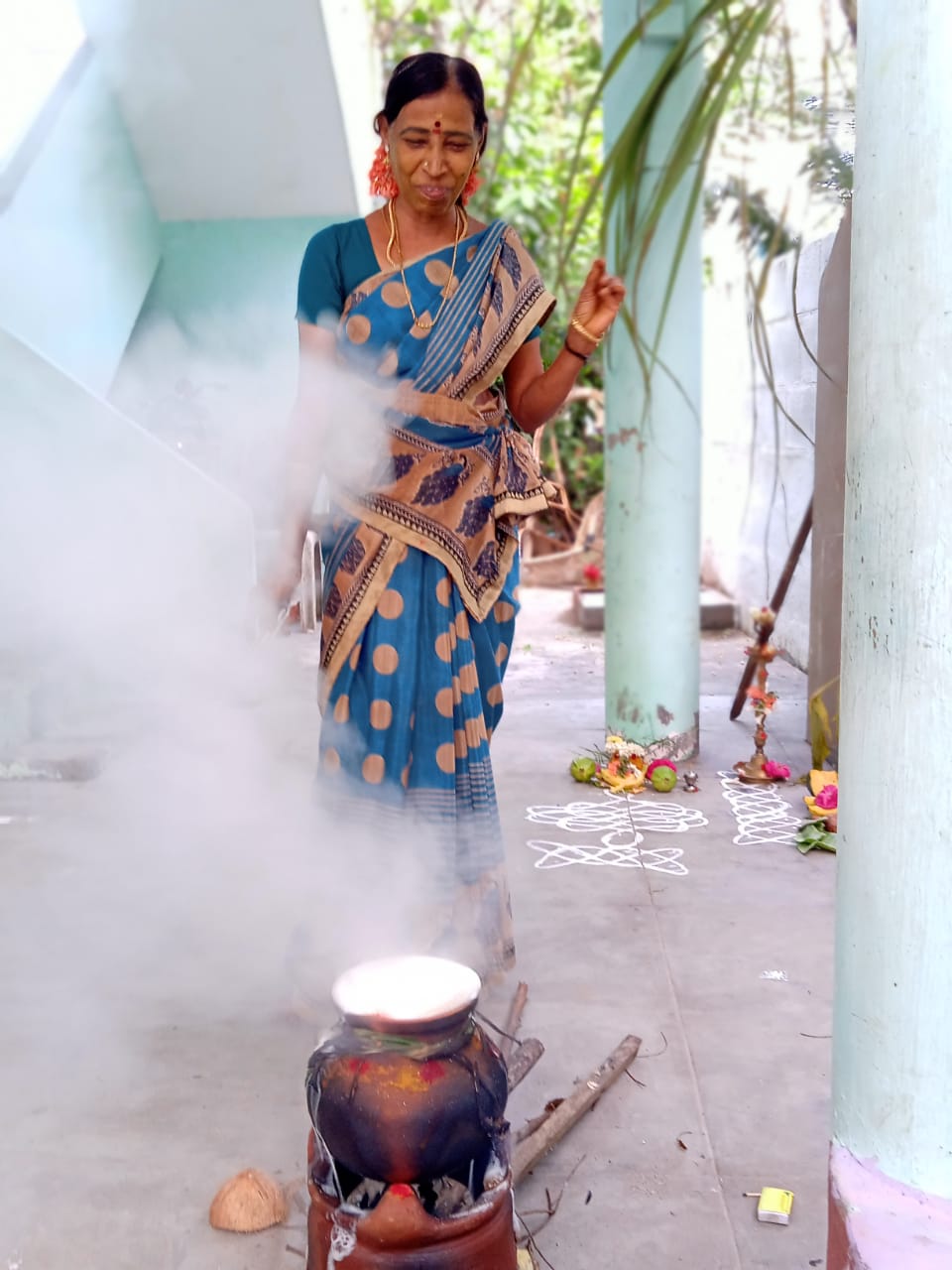 🇮🇳 India and 5 morePongal
Three or four days of boiling rice, garlanded cattle and thanks to the sunSeasonal · Sweets given and shared
🇨🇳 Shanghai, China and 1 moreJiaozi餃子
Crescent Chinese dumplings filled with meat or vegetables, eaten for fortune and feastsTable custom · Breakfast
🇮🇳 India and 5 morePongal
Three or four days of boiling rice, garlanded cattle and thanks to the sunSeasonal · Sweets given and shared
🇨🇳 Shanghai, China and 1 moreJiaozi餃子
Crescent Chinese dumplings filled with meat or vegetables, eaten for fortune and feastsTable custom · Breakfast