Spiritual and religiousEuropeChristian
Anastenaria
In its own language: Αναστενάρια
A barefoot firewalking and dance rite honouring Saint Constantine and Saint Helen

Anastenaria is a barefoot firewalking ritual kept in northern Greek localities and southern Bulgarian villages. Holding sacred icons, dancers step across glowing embers during multi-day festivals dedicated to Christian saints, accompanied by lyre melodies and drum beats.
When is Anastenaria kept?
Anastenaria is kept on annually from May 21 to May 23, and in January.
Anastenaria is a barefoot firewalking rite kept in northern Greek settlements and southern Bulgarian villages. Centred on the feast days of Saint Constantine and Saint Helen, participants hold revered icons and dance across hot embers without suffering burns. The observance weaves together village processions, animal offerings, and rhythmic music played on drums and Thracian lyres, maintained by communities tracing their roots to Eastern Thrace.
Origins and sacred lore
According to community lore, the tradition began during the Middle Ages in Kosti, a settlement now located in Bulgaria. When the local church caught fire, villagers heard the voices of Saint Constantine and Saint Helen calling from inside the flames. The rescuers entered the blaze and saved the sacred images completely unharmed. Other ethnographers offer an alternative interpretation, suggesting that these rites are survivals of ancient cults devoted to Dionysus. Today, modern participants descend from Thracian refugee families who relocated to Greece following conflicts in the early twentieth century.
The festival cycle
The ritual calendar revolves around significant dates in the Christian Orthodox year, highlighting two major three-day observances. The primary gathering occurs each spring between May 21 and May 23 for Saints Constantine and Helen, while a secondary winter event honours Saint Athanasius in January. Activities commence on the eve of the holiday when dancers gather to prepare spiritually. On the central feast morning, participants travel to a local spring or well for water blessings and carry out animal sacrifices according to village customs before the evening firewalking begins.
Shrines and hereditary duties
Each participating community relies on a designated private shrine known as a konaki. This space houses holy icons adorned with red cloths, votive offerings, and saintly signs. In Bulgarian tradition, leadership was strictly hereditary, passing from a head nestinar to their child once age or illness prevented active service. The leader kept a small chapel called a stolnina inside their home. This sacred room safeguarded religious paintings alongside a ceremonial drum, an instrument thought to possess healing properties for anyone playing it.
Dance and the coals
Music from Thracian lyres and drums accompanies the gathering, driving an ecstatic rhythm until participants feel seized by the saint. Carrying adorned icons, the anastenarides step outdoors in the evening toward a bed of glowing coals. After circling the perimeter together, individual dancers step directly onto the red embers, moving rhythmically across the heat without harm. During the winter festival of Saint Athanasius, the firewalking ritual is performed indoors instead.
How Anastenaria is kept
Communities gather at a sacred shrine called the konaki on the eve of the feast, dancing to drum and lyre music to reach a trance state. The following day, participants bless water at a well, offer an animal sacrifice, and process with their holy icons. At nightfall, dancers circle an outdoor fire before walking barefoot across glowing embers, guided by the saints.
When and where
The primary festival takes place annually from May 21 to May 23, aligned with the feast of Saint Constantine and Saint Helen. A winter ceremony occurs in January during the feast of Saint Athanasius.
The ritual survives in northern Greek villages including Langadas, Ayia Eleni, Meliki, Mavrolefki, and Kerkini, as well as Strandzha Mountain villages in Bulgaria such as Kosti, Balgari, and Gramatikovo.
What Anastenaria means
Stepping unharmed across glowing coals represents divine protection granted by Saint Constantine and Saint Helen. The icons, adorned with votive signs and red kerchiefs, act as direct conduits to spiritual grace, reenacting the legendary rescue of church icons from medieval flames.

Questions people ask about Anastenaria
When is Anastenaria kept?
Anastenaria is kept on annually from May 21 to May 23, and in January.
What is Anastenaria?
Anastenaria, known as Nestinarstvo in Bulgaria, is a traditional firewalking ritual. Dancers enter an ecstatic trance and step barefoot onto glowing coals while holding sacred Christian icons, emerging unharmed from the heat.
How did the firewalking tradition begin?
According to legend, the ritual began in the Middle Ages when villagers in Kosti entered a burning church to rescue crying icons of Saints Constantine and Helen, surviving the fire without injury.
What role does music play in the rite?
Musicians play Thracian lyres and sacred drums to accompany the dancers for hours. The rhythmic music helps the dancers enter a trance state, in which they believe Saint Constantine moves and protects them.
See also
 Eleusinian MysteriesSecret annual initiations in ancient Greece dedicated to Demeter and Persephone, promising a blessed afterlife.
 Saint George's DayA saint's feast on 23 April, kept by churches and patron nations from England to Georgia
 RadonitsaA spring day when Orthodox families visit graves, share Easter food and greet the dead
 Clean MondayThe Monday that opens Great Lent, kept with fasting, forgiveness and kite-flying
Good reading and sources
- Anastenaria on WikipediaEncyclopedia
- More photos on Wikimedia CommonsPhotos and video
- Wikidata recordOpen data
The facts on this page come from the Wikipedia article "Anastenaria", written by its contributors and used under the CC BY-SA 4.0 licence, and from its Wikidata record (CC0). EveryParampara rewrote the text in its own words, with AI assistance, and compares every page with the article to make sure no passage is copied. It may be reused under the same CC BY-SA 4.0 licence with a link back.
It may contain mistakes. Traditions differ from one family, village and community to the next, and the people who keep them know them best. If something is wrong, tell us. Last refreshed 2026-10-06.
More from Greece
All the traditions of Greece
🇬🇷 Greece and 1 moreClean MondayΚαθαρά Δευτέρα
The Monday that opens Great Lent, kept with fasting, forgiveness and kite-flyingSpiritual · Fasting and breaking the fast
 🇮🇹 Italy and 5 moreEasterΠάσχα
The day Christians mark the resurrection, kept with vigils, feasts and eggsSpiritual · Feasts and festival meals
🇮🇹 Italy and 5 moreEasterΠάσχα
The day Christians mark the resurrection, kept with vigils, feasts and eggsSpiritual · Feasts and festival meals
 🇧🇬 Bulgaria and 4 moreKukeriкукери (kukeri)
Masked and belled figures who tour Bulgarian villages at New Year to drive off harmSpiritual
🇬🇷 Eleusis, Greece and 1 moreEleusinian MysteriesἘλευσίνια Μυστήρια
Secret annual initiations in ancient Greece dedicated to Demeter and Persephone, promising a blessed afterlife.Spiritual
🇧🇬 Bulgaria and 4 moreKukeriкукери (kukeri)
Masked and belled figures who tour Bulgarian villages at New Year to drive off harmSpiritual
🇬🇷 Eleusis, Greece and 1 moreEleusinian MysteriesἘλευσίνια Μυστήρια
Secret annual initiations in ancient Greece dedicated to Demeter and Persephone, promising a blessed afterlife.Spiritual
The same idea elsewhere
Healing, luck and protection compared 🇰🇷 Jeju, South KoreaGut굿
Sacred rites of song, dance, and spirit communion performed by Korean shamansSpiritual
🇰🇷 Jeju, South KoreaGut굿
Sacred rites of song, dance, and spirit communion performed by Korean shamansSpiritual
 🇯🇵 JapanChildren's Dayこどもの日
A Japanese holiday on May fifth celebrating the happiness and growth of childrenFestival
🇯🇵 JapanChildren's Dayこどもの日
A Japanese holiday on May fifth celebrating the happiness and growth of childrenFestival
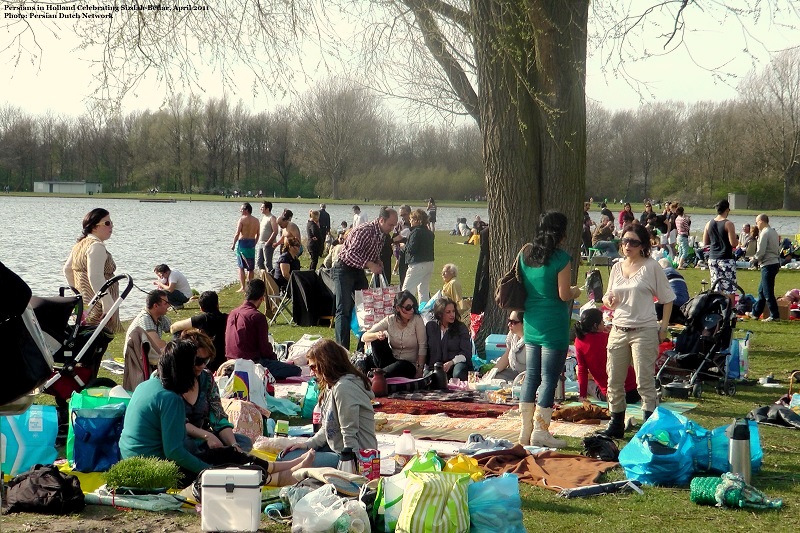 🇮🇷 Iran and 4 moreSizdah Bedarسیزدهبدر
An open-air picnic holiday concluding the Iranian New Year celebrationsFestival
🇮🇷 Iran and 4 moreSizdah Bedarسیزدهبدر
An open-air picnic holiday concluding the Iranian New Year celebrationsFestival
 🇯🇵 Kyoto, JapanAoi Matsuri葵祭
A classical Kyoto festival with an imperial procession and ancient shrine ritualsFestival
🇯🇵 Kyoto, JapanAoi Matsuri葵祭
A classical Kyoto festival with an imperial procession and ancient shrine ritualsFestival