Dress and adornmentSouth AsiaHinduChristian
Indian wedding clothes
Traditional attire worn by couples and guests during Indian wedding ceremonies across various regions.

This tradition covers the garments worn by brides, grooms, and attendees at weddings throughout India. The clothing changes daily to match specific rituals and regional customs. Colors and styles carry deep symbolic meaning for the union and the community.
When is Indian wedding clothes kept?
Indian wedding clothes is kept during multi-day wedding ceremonies.
Indian wedding clothes represent the diverse sartorial traditions of South Asia. Couples and guests wear specific outfits for each day of the celebration. These garments reflect regional identity, religious faith, and social status while marking the sacred transition into married life.
Regional variations
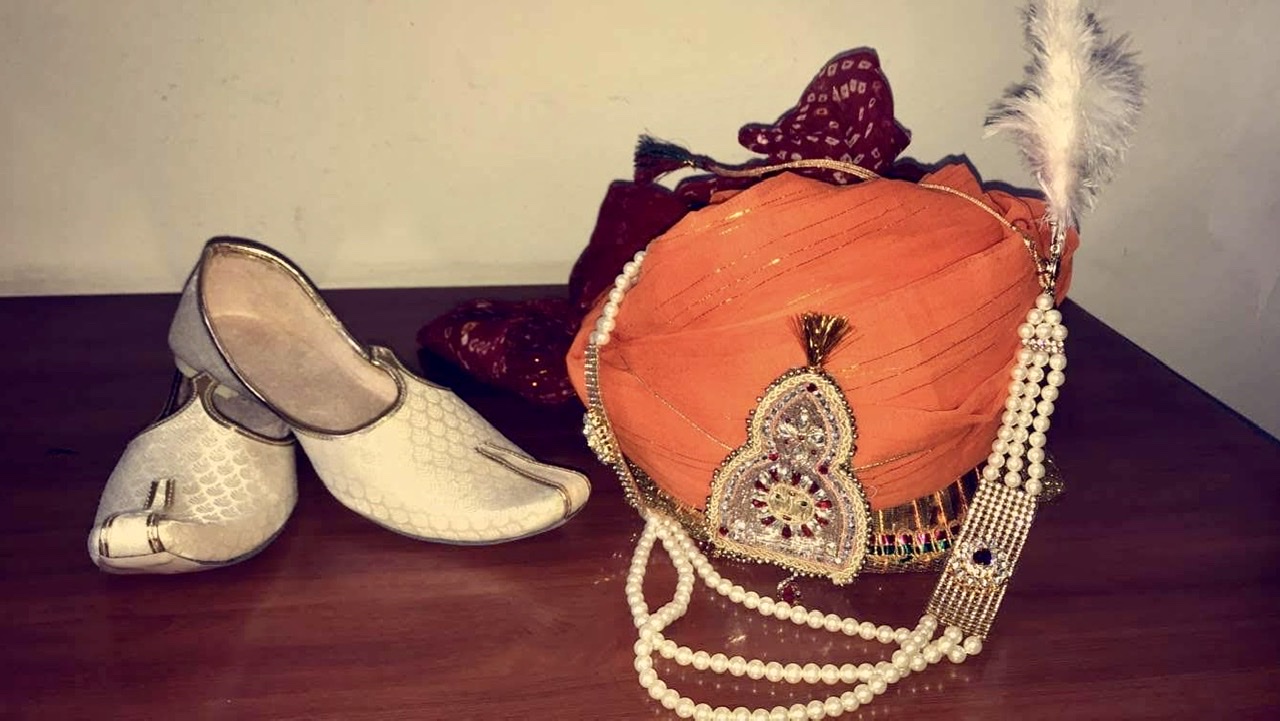
Attire differs significantly across the subcontinent. Southern men often wear dhotis or mundus with minimal upper coverings. Northern grooms typically choose sherwanis or jodhpuris. Brides select saris in the south, lehengas in the north, and mekhela sadors in the northeast. Each choice signals local heritage and family preference.
Ceremonial dress codes
Weddings span multiple days requiring new outfits for every ritual. Guests frequently wear gold jewelry alongside their clothing. Henna adorns the hands and feet of women. The bride usually wears auspicious colors, with red being paramount for Hindu unions. A floral curtain called a sehra may veil the northern groom's face.
Faith-specific practices
Christian weddings often adopt Western styles like white gowns and black suits. Some South Canarese Christians switch from gowns to saris after church services. Muslim marriages feature the taqiyah cap worn throughout the ceremony. These adaptations show how global influences merge with local customs.
How Indian wedding clothes is kept
Families prepare distinct outfits for each ritual day. The bride receives her main dress as a gift from the groom's side. Men don traditional lower garments paired with regional upper wear. Women apply henna designs before the events begin. Jewelry selection focuses on gold pieces that complement the fabric choices.
When and where
Held over several consecutive days during the wedding period. Specific outfits are reserved for named ceremonies like tilak or sangeet.
Worn throughout India with strong regional distinctions between north and south. Practices vary by state and local community traditions.
What Indian wedding clothes means
Colors denote luck and marital bliss. New clothes mark spiritual renewal at each stage. Regional fabrics preserve cultural memory. Gold jewelry signifies prosperity and enduring bonds within the family structure.


Questions people ask about Indian wedding clothes
When is Indian wedding clothes kept?
Indian wedding clothes is kept during multi-day wedding ceremonies.
Where is Indian wedding clothes kept?
Indian wedding clothes belongs to the traditions of India.
Who keeps Indian wedding clothes?
As our sources describe it, Indian wedding clothes is kept by Indian communities. Many other communities and families now share it too.
See also
 DhotiA long unstitched cloth men wrap like trousers, for worship and formal days
 SherwaniA long buttoned coat for men, worn at weddings and state occasions in South Asia
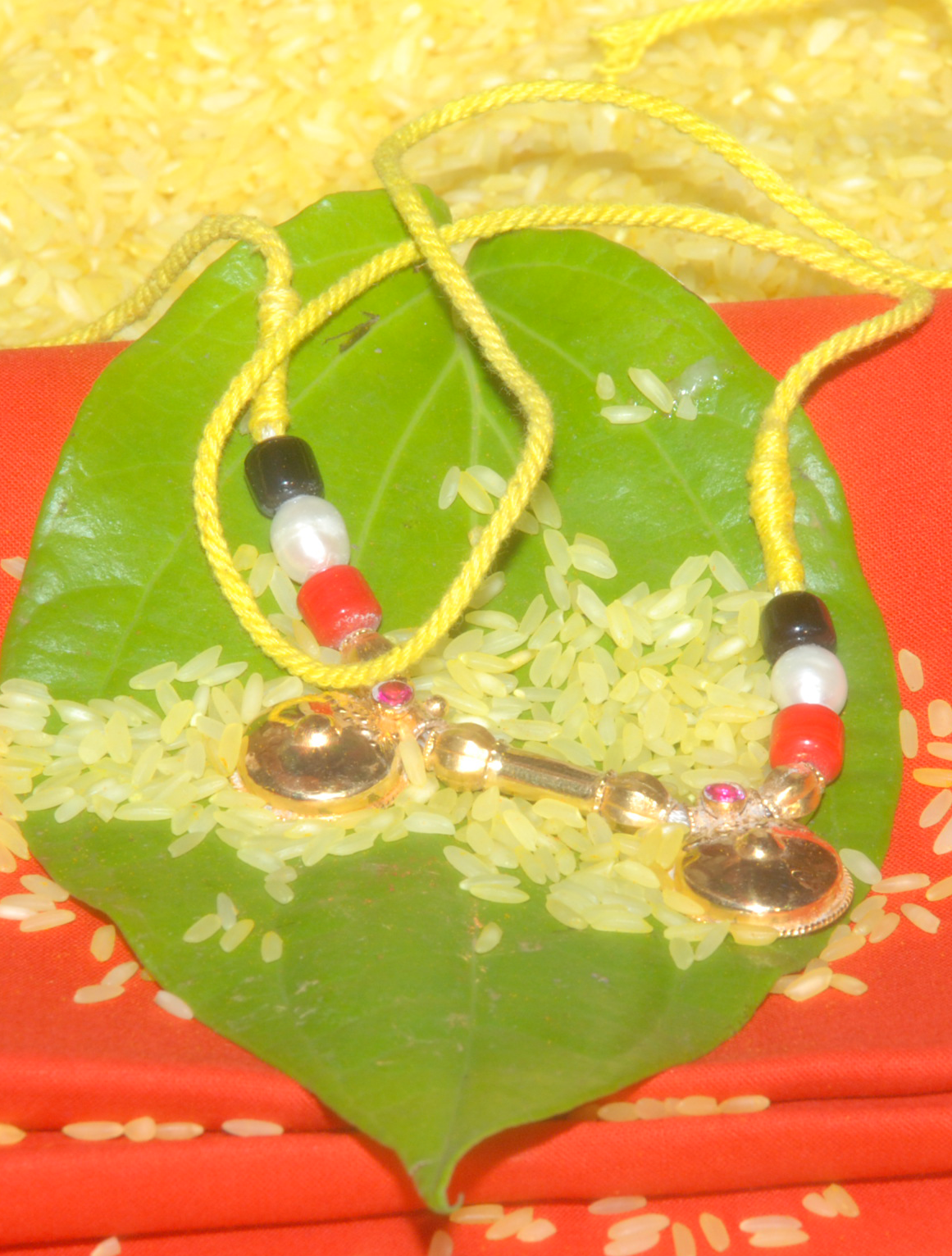 MangalasutraA necklace tied by the groom at a wedding, worn through married life
 PashminaUltra-fine wool of Himalayan goats, hand-woven in Kashmir into shawls of rank
Good reading and sources
The facts on this page come from the Wikipedia article "Indian wedding clothes", written by its contributors and used under the CC BY-SA 4.0 licence, and from its Wikidata record (CC0). EveryParampara rewrote the text in its own words, with AI assistance, and compares every page with the article to make sure no passage is copied. It may be reused under the same CC BY-SA 4.0 licence with a link back.
It may contain mistakes. Traditions differ from one family, village and community to the next, and the people who keep them know them best. If something is wrong, tell us. Last refreshed 2026-10-06.
More from India
All the traditions of India
🇮🇳 Mumbai, India and 1 moreDhoti
A long unstitched cloth men wrap like trousers, for worship and formal daysDress
🇮🇳 India and 2 moreMangalasutraमङ्गलसूत्रम् (maṅgalasūtram)
A necklace tied by the groom at a wedding, worn through married lifeDress
🇮🇳 Lucknow, India and 3 moreSherwani
A long buttoned coat for men, worn at weddings and state occasions in South AsiaDress
🇮🇳 Srinagar, India and 3 morePashmina
Ultra-fine wool of Himalayan goats, hand-woven in Kashmir into shawls of rankDress
The same idea elsewhere
Weddings compared 🇼🇸 Samoa and 1 moreʻIe tōga
Precious woven mats exchanged in Samoan ceremonies to honor family ties and chiefly status.Dress
🇼🇸 Samoa and 1 moreʻIe tōga
Precious woven mats exchanged in Samoan ceremonies to honor family ties and chiefly status.Dress
 🇹🇱 Timor-LesteUma Lulik
Sacred ancestral clan houses and ritual shrines in East TimorSpiritual
🇹🇱 Timor-LesteUma Lulik
Sacred ancestral clan houses and ritual shrines in East TimorSpiritual
 🇮🇩 Indonesia and 2 moreKenduri
A communal prayer meal and gathering shared across Indonesia, Malaysia and BruneiSpiritual · Feasts and festival meals
🇺🇬 UgandaKwanjula
A formal marriage introduction ritual of the Baganda people in Uganda, where families meet to exchange gifts and seek blRite of passage
🇮🇩 Indonesia and 2 moreKenduri
A communal prayer meal and gathering shared across Indonesia, Malaysia and BruneiSpiritual · Feasts and festival meals
🇺🇬 UgandaKwanjula
A formal marriage introduction ritual of the Baganda people in Uganda, where families meet to exchange gifts and seek blRite of passage