Festivals and celebrationsEast AsiaShinto, Taoist and folk Chinese
Kanda Matsuri
In its own language: 神田祭
A major Shinto festival with massive parades through the streets of central Tokyo

Kanda Matsuri is a major Shinto festival celebrated in Tokyo, Japan, every two years during odd-numbered calendar years. Held in mid-May around Kanda Shrine, the event features large street processions filled with music, dancers, decorative floats and hundreds of portable shrines.
When is Kanda Matsuri kept?
Kanda Matsuri is kept every two years in odd-numbered years, on the weekend before or near May 15.
Kanda Matsuri ranks among Tokyo's three most prominent Shinto celebrations. Held in odd-numbered years, it honours the kami of Kanda Shrine and brings lively processions to surrounding neighbourhoods. The tradition began in the early seventeenth century after a decisive military triumph by Tokugawa Ieyasu, developing over time into a grand civic and religious gathering.
Origins in Edo
The festival originated during the early seventeenth century. It was first staged to commemorate Tokugawa Ieyasu's triumph in the battle of Sekigahara. Throughout the Edo era, the rulers used the event to highlight their strength and success. Alongside the Sannō Matsuri and the Fukagawa Matsuri, it earned a standing as one of the three great Edo festivals. In modern times, the celebration retains this historic status while focusing on venerating the sacred kami housed at Kanda Shrine, also known as Kanda Myōjin.
Processions and shrines
During festival years, the streets of central Tokyo around Kanda Shrine fill with spectators and participants. The celebrations centre on immense parades that move through nearby neighbourhoods. More than two hundred mikoshi, which are ornate portable shrines carrying divine spirits, are shouldered through the city. Dancers, instrumental musicians and tall festival floats join these sacred vehicles, creating continuous movement and sound across the district over the course of the weekend.
The alternating calendar
Kanda Matsuri does not happen every year. Instead, it shares a rotating schedule with the Sannō Matsuri. Because of this arrangement, full celebrations take place exclusively during odd-numbered years. The main events are scheduled for the weekend closest to the middle of May, falling on the Saturday and Sunday before the fifteenth. In even-numbered years, the sister festival takes its turn, preserving a balanced rhythm between the major shrines of Tokyo.
How Kanda Matsuri is kept
Celebrants gather at Kanda Shrine and the surrounding central Tokyo districts for two days of ceremonies. Parades move through the avenues, led by musicians and traditional dancers alongside decorated floats. Local groups carry more than two hundred mikoshi on their shoulders through the streets, offering respect to the shrine's kami and bringing communal energy to the city.
When and where
The festival takes place on the Saturday and Sunday preceding May 15. It is celebrated solely in odd-numbered years, alternating annually with the Sannō Matsuri.
The festivities are hosted in Tokyo, Japan. Events take place at Kanda Shrine, also called Kanda Myōjin, and spread throughout the streets of the surrounding central city neighbourhoods.
What Kanda Matsuri means
The festival is carried out to honour the kami, or divine spirits, residing at Kanda Shrine. Historically, the gathering commemorated the major military victory of Tokugawa Ieyasu at Sekigahara and demonstrated the authority and flourishing condition of the shogunate throughout the Edo era.


Questions people ask about Kanda Matsuri
When is Kanda Matsuri kept?
Kanda Matsuri is kept every two years in odd-numbered years, on the weekend before or near May 15.
What is Kanda Matsuri?
Kanda Matsuri is one of the three principal Shinto festivals in Tokyo. It features expansive city parades to honour the kami of Kanda Shrine, tracing its history back to the early seventeenth century.
How often does Kanda Matsuri take place?
The festival is held every two years, occurring exclusively in odd-numbered years. It alternates annually on the Tokyo festival calendar with the Sannō Matsuri.
What happens during the festival parades?
Parades move through central Tokyo with more than two hundred mikoshi portable shrines. They are accompanied by music, dancers in traditional roles and decorative festival floats.
See also
 HalloweenAn annual observance on 31 October marking the eve of All Saints' Day, rooted in Christian tradition and Celtic heritage
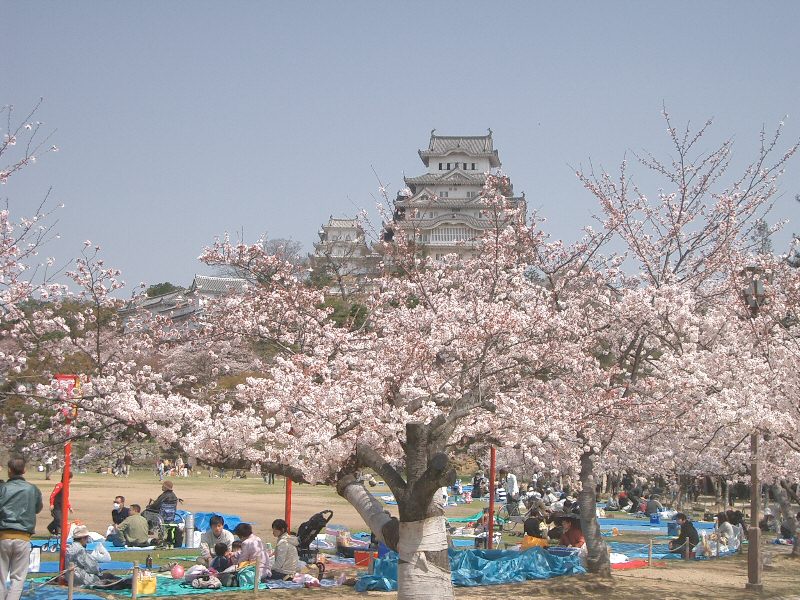 HanamiA Japanese spring custom of gathering under blooming cherry trees to eat, drink, and celebrate the fleeting beauty of th
 HinamatsuriA March festival in Japan where families display ornamental dolls to pray for the health and happiness of young girls.
 Buddha's BirthdayA festival marking the birth of Siddhartha Gautama, observed across Asia with temple rituals and community gatherings.
Good reading and sources
- Kanda Matsuri on WikipediaEncyclopedia
- More photos on Wikimedia CommonsPhotos and video
- Wikidata recordOpen data
The facts on this page come from the Wikipedia article "Kanda Matsuri", written by its contributors and used under the CC BY-SA 4.0 licence, and from its Wikidata record (CC0). EveryParampara rewrote the text in its own words, with AI assistance, and compares every page with the article to make sure no passage is copied. It may be reused under the same CC BY-SA 4.0 licence with a link back.
It may contain mistakes. Traditions differ from one family, village and community to the next, and the people who keep them know them best. If something is wrong, tell us. Last refreshed 2026-10-04.
More from Japan
All the traditions of Japan
🇮🇪 Ireland and 5 moreHalloween
An annual observance on 31 October marking the eve of All Saints' Day, rooted in Christian tradition and Celtic heritageFestival · Sweets given and shared
 🇯🇵 Aomori, JapanAomori Nebuta Matsuri青森ねぶた祭
A summer festival in Aomori featuring large warrior floats and dancing participants.Festival
🇯🇵 Aomori, JapanAomori Nebuta Matsuri青森ねぶた祭
A summer festival in Aomori featuring large warrior floats and dancing participants.Festival
 🇯🇵 Kishiwada, JapanKishiwada Danjiri Matsuri岸和田だんじり祭
A high-speed festival of wooden shrine floats pulled through Kishiwada, JapanFestival
🇯🇵 Kishiwada, JapanKishiwada Danjiri Matsuri岸和田だんじり祭
A high-speed festival of wooden shrine floats pulled through Kishiwada, JapanFestival
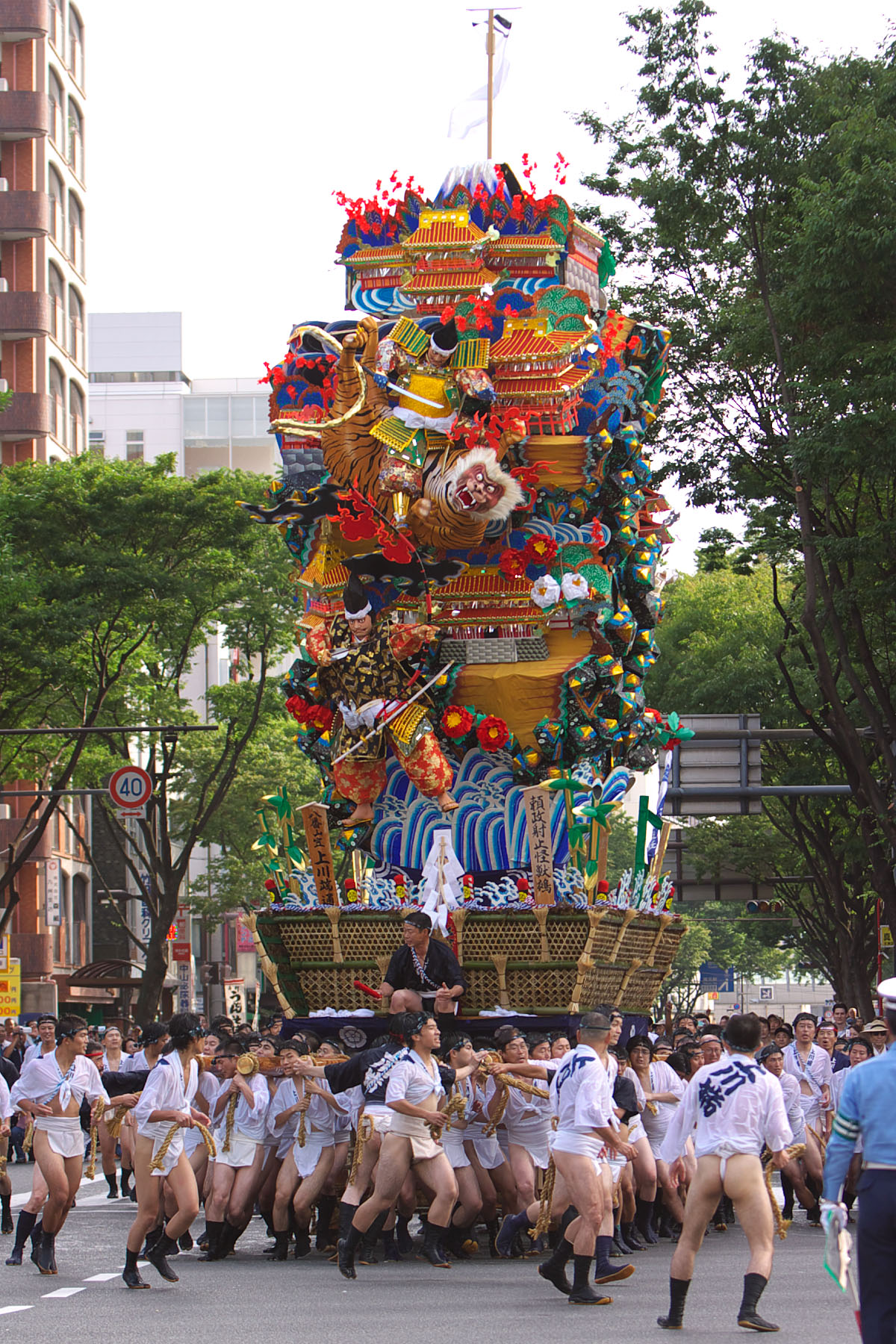 🇯🇵 Fukuoka, JapanHakata Gion Yamakasa博多祇園山笠
A July festival in Fukuoka featuring heavy float races through the streets of Hakata.Festival
🇯🇵 Fukuoka, JapanHakata Gion Yamakasa博多祇園山笠
A July festival in Fukuoka featuring heavy float races through the streets of Hakata.Festival
The same idea elsewhere
All of this kind 🇮🇹 Rome, Italy and 4 moreChristmas
A festival of Jesus's birth, kept on 25 December with gifts, lights and shared mealsFestival
🇮🇹 Rome, Italy and 4 moreChristmas
A festival of Jesus's birth, kept on 25 December with gifts, lights and shared mealsFestival
 🇬🇧 United Kingdom and 4 moreValentine's Day
A Christian feast day and cultural celebration of love kept on February 14 in many countries.Festival
🇬🇧 United Kingdom and 4 moreValentine's Day
A Christian feast day and cultural celebration of love kept on February 14 in many countries.Festival
 🇹🇷 Turkey and 5 moreEid al-Fitrعيد الفطر
The feast that ends Ramadan, opened with morning prayers, sweets and visits homeFestival · Feasts and festival meals
🇹🇷 Turkey and 5 moreEid al-Fitrعيد الفطر
The feast that ends Ramadan, opened with morning prayers, sweets and visits homeFestival · Feasts and festival meals
 🇩🇪 Germany and 5 moreChristmas tree
A decorated evergreen or artificial tree placed indoors to mark the Christmas season.Festival
🇩🇪 Germany and 5 moreChristmas tree
A decorated evergreen or artificial tree placed indoors to mark the Christmas season.Festival