Music, dance and storytellingEast Asia
Kumi Odori
In its own language: 組踊 (Okinawan: Kumi wudui)
A narrative dance from Okinawa that blends East Asian styles to tell stories of Confucian virtue.

Kumi odori is a traditional Ryukyuan dance form that originated in Shuri in 1719. It was created by courtier Tamagusuku Chokun to entertain Chinese envoys visiting the Ryukyu Kingdom. The performance combines movement, music and song into a slow, deliberate art that emphasizes restraint over bravura.
When is Kumi Odori kept?
Kumi Odori is kept on performed today as a cultural heritage event in Okinawa.
Kumi odori is a traditional narrative dance from the Ryukyu Islands. Created in the early eighteenth century, it serves as a living record of Ryukyuan court culture. The art form blends Japanese, Chinese and local influences into a unique style of storytelling through movement.
Origins and history
The dance began in 1719 in the capital city of Shuri. Courtier Tamagusuku Chokun established the form to provide entertainment for Chinese diplomats. These visitors stayed for months during royal succession confirmations. Chokun had studied arts in Japan and China before returning home. He combined elements of Noh, Kabuki and Kyogen with local traditions. The performances were originally staged for aristocratic banquets known as ukwanshin. After the fall of the Tokugawa shogunate the art nearly disappeared. It survived through dedicated figures who passed it down. Following the end of American occupation in 1972 the tradition saw a revival.
Style and movement
Performers use a slow and deliberate gliding walk that requires years to master. The movements are restrained rather than showing off physical feats. Actors express emotion through subtle head tilts and eye direction. The eyes lead the body in every gesture. Performances avoid elaborate scenery or heavy props. Instead they rely on symbolic representation and understated facial expressions. The style leans toward Confucian values of moderation rather than Buddhist enlightenment. Good performers must possess both innate grace and learned skill. This combination creates a refined atmosphere that distinguishes the art from other forms.
Music and instruments
Music plays a central role in telling the story. Musicians sit stage left or behind a drop to maintain a clean visual space. They play stringed instruments like the sanshin along with flutes and drums. Songs replace dialogue in intense scenes to heighten the mood. The lyrics use formal metaphors drawn from classical poetry. Singing styles vary by character type. Powerful male roles use strong vocal delivery while female roles use softer tones. The music projects nobility and austerity. It differs significantly from the spirited folk songs of the region.
How Kumi Odori is kept
Male aristocrats originally performed the dance. Today women also participate taking female or young male roles. Musicians accompany the actors using traditional instruments. Performances follow a strict structure of realistic actions and emotional dances. The art is sustained by schools in Okinawa that train new generations. Government recognition helps preserve the repertoire and techniques.
When and where
It originated in 1719 and remains active today. Performances occur at cultural venues such as the National Theatre Okinawa built in 2004 near Naha.
The tradition comes from Shuri in Okinawa Prefecture. It is strongest in Japan where it holds national heritage status. The dance reflects the historical position of the Ryukyu Kingdom between China and Japan.
What Kumi Odori means
The dance symbolizes the diplomatic history of the Ryukyu Islands. It represents the blending of Chinese and Japanese influences into a distinct Ryukyuan identity. The emphasis on moderation and present action reflects Confucian ideals. The art serves as a reminder of the kingdom's autonomy and cultural richness.
Questions people ask about Kumi Odori
When is Kumi Odori kept?
Kumi Odori is kept on performed today as a cultural heritage event in Okinawa.
Where is Kumi Odori kept?
Kumi Odori belongs to the traditions of Japan, and is tied most closely to Shuri.
Who keeps Kumi Odori?
As our sources describe it, Kumi Odori is kept by Ryūkyūan people. Many other communities and families now share it too.
See also
 RakugoJapanese solo comic storytelling told from a cushion using a fan and a cloth
 IkebanaThe Japanese art of arranging cut branches and flowers in a vessel
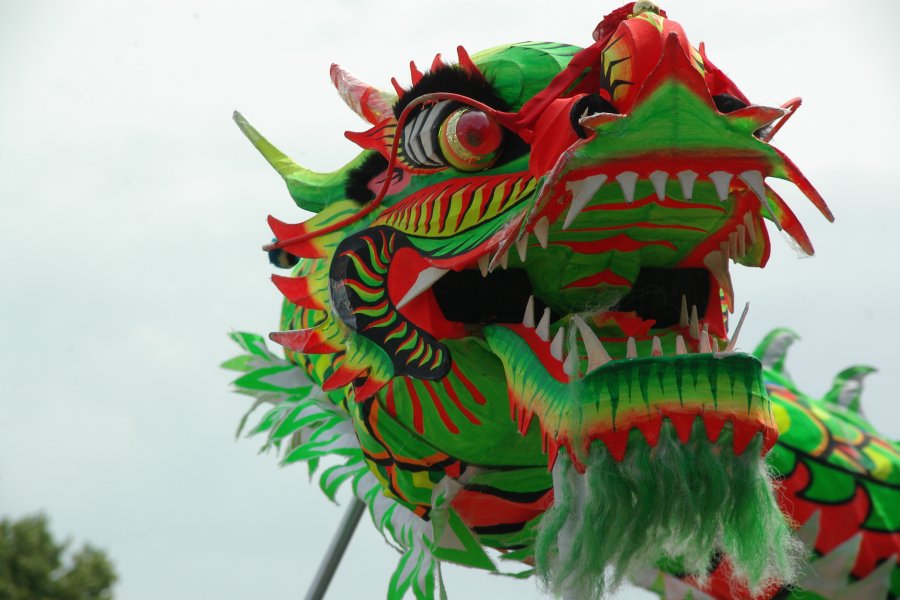 Dragon danceA long dragon puppet on poles, danced by a team at Chinese New Year and other festivals
 KyōgenA traditional Japanese comic theatre of short farces, spoken dialogue and satire
Good reading and sources
- Kumi Odori on WikipediaEncyclopedia
- More photos on Wikimedia CommonsPhotos and video
- Wikidata recordOpen data
The facts on this page come from the Wikipedia article "Kumi Odori", written by its contributors and used under the CC BY-SA 4.0 licence, and from its Wikidata record (CC0). EveryParampara rewrote the text in its own words, with AI assistance, and compares every page with the article to make sure no passage is copied. It may be reused under the same CC BY-SA 4.0 licence with a link back.
It may contain mistakes. Traditions differ from one family, village and community to the next, and the people who keep them know them best. If something is wrong, tell us. Last refreshed 2026-10-08.
More from Japan
All the traditions of Japan
🇯🇵 Kyoto, JapanKyōgen狂言
A traditional Japanese comic theatre of short farces, spoken dialogue and satirePerformance
 🇨🇳 China and 5 moreLion dance舞獅
A dynamic ritual dance featuring costumed lions, drums and martial acrobaticsPerformance
🇯🇵 Tokyo, JapanRakugo落語
Japanese solo comic storytelling told from a cushion using a fan and a clothPerformance
🇨🇳 China and 3 moreDragon dance舞龍 / 舞龙
A long dragon puppet on poles, danced by a team at Chinese New Year and other festivalsPerformance
🇨🇳 China and 5 moreLion dance舞獅
A dynamic ritual dance featuring costumed lions, drums and martial acrobaticsPerformance
🇯🇵 Tokyo, JapanRakugo落語
Japanese solo comic storytelling told from a cushion using a fan and a clothPerformance
🇨🇳 China and 3 moreDragon dance舞龍 / 舞龙
A long dragon puppet on poles, danced by a team at Chinese New Year and other festivalsPerformance
The same idea elsewhere
All of this kind 🇹🇷 Kayseri, Turkey and 4 moreHalay
A traditional line and circle folk dance kept across Turkey, Azerbaijan, Armenia, Iran, and Syria.Performance
🇧🇷 BrazilBaião
A syncopated folk rhythm and partnered dance from northeastern BrazilPerformance
🇹🇷 Kayseri, Turkey and 4 moreHalay
A traditional line and circle folk dance kept across Turkey, Azerbaijan, Armenia, Iran, and Syria.Performance
🇧🇷 BrazilBaião
A syncopated folk rhythm and partnered dance from northeastern BrazilPerformance
 🇺🇦 Kyiv, UkraineBanduraБандура
A Ukrainian plucked string instrument played to accompany epic songs and folk balladsPerformance
🇺🇦 Kyiv, UkraineBanduraБандура
A Ukrainian plucked string instrument played to accompany epic songs and folk balladsPerformance
 🇳🇿 Auckland, New ZealandPoi
A Māori performing art of swinging tethered weights in rhythmical patterns.Performance
🇳🇿 Auckland, New ZealandPoi
A Māori performing art of swinging tethered weights in rhythmical patterns.Performance