Music, dance and storytellingEast Asia
Kyōgen
In its own language: 狂言
A traditional Japanese comic theatre of short farces, spoken dialogue and satire

Kyōgen is a traditional form of Japanese comic theatre focused on humor, everyday life and satire. Developed alongside serious Noh drama, it features lively dialogue, exaggerated gestures and relatable stock characters staged either as standalone farces or as comic interludes.
Kyōgen is a traditional Japanese comic performing art designed to make audiences laugh through everyday humor, satire and lively physical acting. Rooted in medieval performance styles, it developed as a lighthearted counterpart to solemn Noh plays. Performers use rhythmic speech, expressive poses and familiar character types to tell relatable stories about masters, servants, foolish deities and clever schemes.
Origins and history
Kyōgen traces its earliest roots to sangaku, an entertainment style of comical mimicry brought from China to Japan in the eighth century. Over centuries, these acts blended with native folk arts into sarugaku, which gradually divided into serious musical drama and comedic theatre. During the fourteenth century, kyōgen performers operated alongside Noh companies before establishing independent traditions like the Ōkura and Izumi schools. Shogunal patronage during the Edo era raised kyōgen to an official ceremonial art. Although state support ended in the late nineteenth century, public and international interest helped preserve the art into modern times.
Performance and staging
Plays are typically short, lasting around ten minutes with two or three actors. Performers often portray stock figures such as the servant Tarō kaja or his master. On stage, kyōgen shares the polished wooden platform of Noh theatre. When presented within a full Noh program, actors provide comic relief between heavier plays or step in as narrators to explain complex plots in plain speech. Independent kyōgen events usually present three to five separate pieces in one sitting. Productions use minimal scenery and few props, relying mainly on folding fans and expressive acting.
Movement, speech and costume
Actors slide their feet across the floor using a gliding technique called suriashi, keeping their posture level and occasionally stamping the boards for emphasis. Dialogue is delivered in a rhythmic, sing-song voice using early modern phrasing that remains largely accessible to modern listeners. All roles are performed by men. Female characters are indicated by a white head sash called a binankazura with ends trailing over the chest. Unlike Noh drama, performers rarely wear masks, reserving them only for divine beings or animals such as foxes.
How Kyōgen is kept
A kyōgen performance begins with actors entering the stage via a raised walkway. Performers glide across the polished boards using level footwork, addressing each other or facing forward to deliver speeches in a distinct sing-song rhythm. The story unfolds rapidly through exaggerated physical comedy, witty banter, and floor stamping. Male actors portray all parts, assuming female roles with a folded head sash or using masks for deities and animals. After resolving the conflict or chasing a mischievous servant off stage, the players make their formal exit.
When and where
Kyōgen is staged across Japan, with active performance centers in major cities including Tokyo, Kyoto and Osaka. It is presented on specialized Noh stages within dedicated theatres, cultural centers and outdoor historic sites.

Questions people ask about Kyōgen
What is kyōgen?
Kyōgen is a traditional Japanese form of comic drama. It features short, humorous plays with spoken dialogue, exaggerated physical acting and stock characters, offering laughter alongside the more solemn masked drama of Noh.
How does kyōgen relate to Noh theatre?
Kyōgen developed alongside Noh and shares its stage. While Noh is poetic, serious and masked, kyōgen is comedic, largely unmasked and spoken. Kyōgen actors often perform short comedies between Noh plays or explain Noh storylines during intermissions.
Do kyōgen actors wear masks?
Most kyōgen roles are played without masks, allowing actors to rely on facial expressions and lively dialogue. Masks are reserved for non-human roles, such as spirits, gods, or animals like foxes and tanuki.
Where can kyōgen be seen today?
Kyōgen is regularly performed throughout Japan, particularly in Tokyo, Osaka and Kyoto. Performances take place in Noh theatres, on television cultural broadcasts, and during independent comedic festivals or shared bills with Noh.
See also
 RakugoJapanese solo comic storytelling told from a cushion using a fan and a cloth
 HalloweenAn annual observance on 31 October marking the eve of All Saints' Day, rooted in Christian tradition and Celtic heritage
 Kishiwada Danjiri MatsuriA high-speed festival of wooden shrine floats pulled through Kishiwada, Japan
 KokeshiHand-turned Japanese wooden dolls painted with floral designs and slender faces
Good reading and sources
- Kyōgen on WikipediaEncyclopedia
- More photos on Wikimedia CommonsPhotos and video
- Wikidata recordOpen data
The facts on this page come from the Wikipedia article "Kyōgen", written by its contributors and used under the CC BY-SA 4.0 licence, and from its Wikidata record (CC0). EveryParampara rewrote the text in its own words, with AI assistance, and compares every page with the article to make sure no passage is copied. It may be reused under the same CC BY-SA 4.0 licence with a link back.
It may contain mistakes. Traditions differ from one family, village and community to the next, and the people who keep them know them best. If something is wrong, tell us. Last refreshed 2026-10-04.
More from Japan
All the traditions of Japan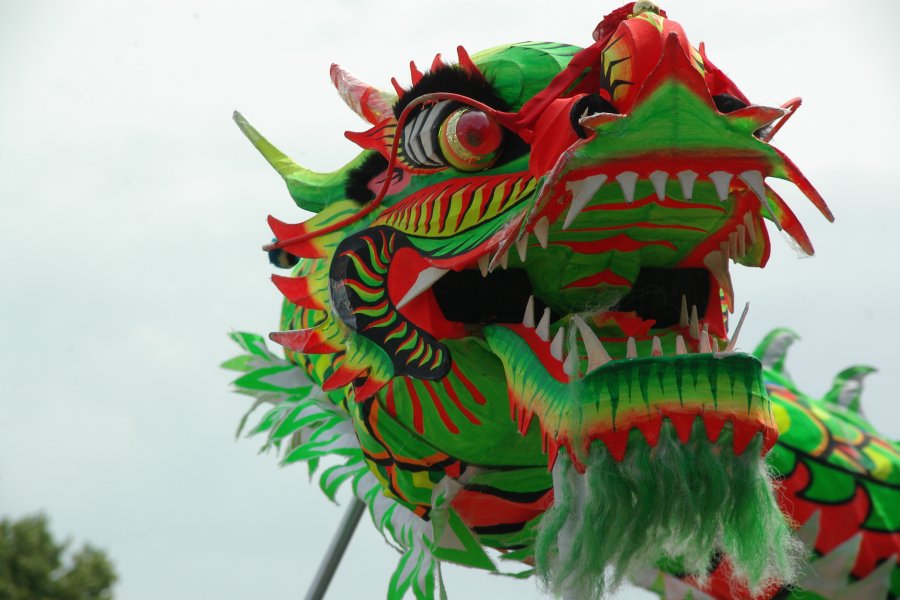 🇨🇳 China and 3 moreDragon dance舞龍 / 舞龙
A long dragon puppet on poles, danced by a team at Chinese New Year and other festivalsPerformance
🇨🇳 China and 3 moreDragon dance舞龍 / 舞龙
A long dragon puppet on poles, danced by a team at Chinese New Year and other festivalsPerformance
 🇨🇳 China and 5 moreLion dance舞獅
A dynamic ritual dance featuring costumed lions, drums and martial acrobaticsPerformance
🇯🇵 Tokyo, JapanRakugo落語
Japanese solo comic storytelling told from a cushion using a fan and a clothPerformance
🇨🇳 China and 5 moreLion dance舞獅
A dynamic ritual dance featuring costumed lions, drums and martial acrobaticsPerformance
🇯🇵 Tokyo, JapanRakugo落語
Japanese solo comic storytelling told from a cushion using a fan and a clothPerformance
 🇯🇵 Kyoto, JapanIkebana生け花
The Japanese art of arranging cut branches and flowers in a vesselPerformance
🇯🇵 Kyoto, JapanIkebana生け花
The Japanese art of arranging cut branches and flowers in a vesselPerformance
The same idea elsewhere
All of this kind 🇹🇷 Kayseri, Turkey and 4 moreHalay
A traditional line and circle folk dance kept across Turkey, Azerbaijan, Armenia, Iran, and Syria.Performance
🇧🇷 BrazilBaião
A syncopated folk rhythm and partnered dance from northeastern BrazilPerformance
🇹🇷 Kayseri, Turkey and 4 moreHalay
A traditional line and circle folk dance kept across Turkey, Azerbaijan, Armenia, Iran, and Syria.Performance
🇧🇷 BrazilBaião
A syncopated folk rhythm and partnered dance from northeastern BrazilPerformance
 🇺🇦 Kyiv, UkraineBanduraБандура
A Ukrainian plucked string instrument played to accompany epic songs and folk balladsPerformance
🇺🇦 Kyiv, UkraineBanduraБандура
A Ukrainian plucked string instrument played to accompany epic songs and folk balladsPerformance
 🇳🇿 Auckland, New ZealandPoi
A Māori performing art of swinging tethered weights in rhythmical patterns.Performance
🇳🇿 Auckland, New ZealandPoi
A Māori performing art of swinging tethered weights in rhythmical patterns.Performance