Music, dance and storytellingEurope
Lăutărească music
In its own language: Muzică lăutărească
A professional string and brass tradition from Romania and Moldova, kept by Romani musicians for weddings and court life

This style of instrumental and vocal music developed in the courts and towns of Wallachia and Moldavia. Romani performers known as lăutari play at celebrations like weddings and christenings. The sound blends local melodies with Ottoman and Western European influences, played on violins, cimbaloms, and accordions.
When is Lăutărească music kept?
Lăutărească music is kept at weddings, funerals, and social gatherings year-round.
Lăutărească music is a professional performance tradition from Romania and Moldova. Romani musicians called lăutari keep this style alive through oral teaching. They play at life events like weddings and christenings. The sound mixes local dance tunes with foreign influences.
What the music sounds like
The core group is called a taraf. A lead violinist guides the melody and improvises while others provide rhythm. Early groups used the nai pan flute and cobza lute. Later players added the cimbalom hammered dulcimer and accordion. Brass bands also became common in some areas. The style features fast ornamented melodies and free rhythmic variations.
How it is taught
Knowledge passes by ear from master to student or within families. No written scores are used. Young musicians learn technique and repertoire through direct observation. This oral method preserves specific regional playing styles. It allows for personal expression during live performances at village dances and city parties.
History of the profession
Romani musicians served aristocratic courts from the fourteenth century. Slavery ended in the mid-nineteenth century but the trade continued. Urban guilds formed to regulate musical services. Musicians toured Europe and Russia in the nineteenth century. Recordings began in the early twentieth century after fieldwork by researchers.
Modern practice today
Two forms exist now. Traditional tarafs play at rural weddings with improvisation. Stage groups perform stylized concert versions. Globalization has reduced traditional settings. Modern ensembles mix with pop and manele styles. Some projects revive older forgotten repertoires for new audiences.
How Lăutărească music is kept
Musicians gather in ensembles called tarafs for community events. A lead violinist sets the tempo and melody. Accompanists follow with harmonic support. Repertoire includes hora and sârba dances alongside doina songs. Performers adapt peasant tunes with technical display. Families pass skills down through listening and imitation rather than reading notes.
When and where
Performed whenever social gatherings occur throughout the year. Weddings and christenings are primary occasions. Historical records show court performances in earlier centuries.
Strongest in Romania and Moldova. Originated in Wallachia and Moldavia. Spread to urban centers like Bucharest and Chișinău. Historically reached Russian cities and Paris.
What Lăutărească music means
Represents professional artistic identity among Romani communities. Serves as a bridge between ethnic groups at celebrations. Marks membership in a skilled trade distinct from peasant farming culture.


Questions people ask about Lăutărească music
When is Lăutărească music kept?
Lăutărească music is kept at weddings, funerals, and social gatherings year-round.
Where is Lăutărească music kept?
Lăutărească music belongs to the traditions of Romania and Moldova, and is tied most closely to Bucharest.
Who keeps Lăutărească music?
As our sources describe it, Lăutărească music is kept by Romani musicians. Many other communities and families now share it too.
See also
 Hungarian folk danceA collection of traditional dances kept by Hungarians in Hungary and across the diaspora.
 CălușariAn acrobatic Romanian spring dance and ritual brotherhood tied to folklore and healing
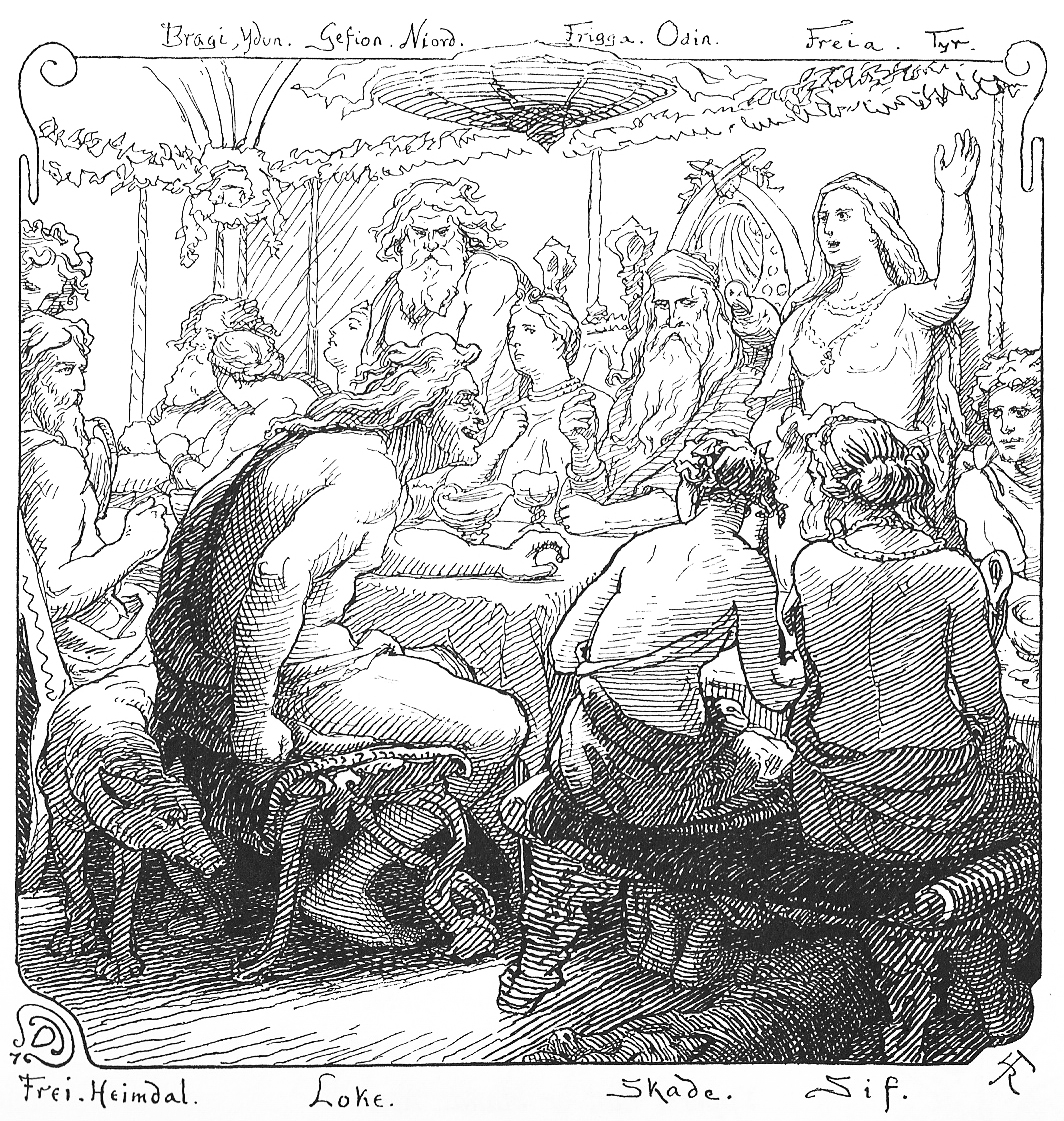 FlytingA ritual contest of poetic insults exchanged between two parties in verse.TáncházA Hungarian folk dance gathering where anyone can learn the steps and dance to live music
Good reading and sources
- BBC - Radio 3 -- Awards for World MusicBBC, Article
- Examination of nominations for inscription in 2020 on the Representative List of the Intangible Cultural Heritage of Humanity (item 8.b on tUNESCO, Heritage listing
- BBC - Radio 3 -- Awards for World MusicBBC, Article
- Examination of nominations for inscription in 2020 on the Representative List of the Intangible Cultural Heritage of Humanity (item 8.b on tUNESCO, Article
The facts on this page come from the Wikipedia article "Lăutărească music", written by its contributors and used under the CC BY-SA 4.0 licence, and from its Wikidata record (CC0). EveryParampara rewrote the text in its own words, with AI assistance, and compares every page with the article to make sure no passage is copied. It may be reused under the same CC BY-SA 4.0 licence with a link back.
It may contain mistakes. Traditions differ from one family, village and community to the next, and the people who keep them know them best. If something is wrong, tell us. Last refreshed 2026-10-14.
More from Romania
All the traditions of Romania
🇭🇺 Budapest, Hungary and 2 moreHungarian folk dance
A collection of traditional dances kept by Hungarians in Hungary and across the diaspora.Performance
🇷🇴 Romania and 3 moreCălușariCălușarii
An acrobatic Romanian spring dance and ritual brotherhood tied to folklore and healingPerformance
🇭🇺 Budapest, Hungary and 3 moreTáncház
A Hungarian folk dance gathering where anyone can learn the steps and dance to live musicPerformance
 🇨🇭 Appenzell, Switzerland and 5 moreYodeling
A singing style switching between chest voice and falsetto, kept as a folk tradition across the Alps and globally.Performance
🇨🇭 Appenzell, Switzerland and 5 moreYodeling
A singing style switching between chest voice and falsetto, kept as a folk tradition across the Alps and globally.Performance
The same idea elsewhere
All of this kind 🇵🇭 Philippines and 1 morePangalay
A traditional fingernail dance of the Tausūg and Bajau peoples in the Sulu Archipelago and Sabah.Performance
🇵🇭 Philippines and 1 morePangalay
A traditional fingernail dance of the Tausūg and Bajau peoples in the Sulu Archipelago and Sabah.Performance
 🇲🇱 Bamako, Mali and 5 moreGriotjeli, ߖߋ߬ߟߌ in N'Ko script
West Africa's hereditary keepers of spoken history, praise and musicPerformance
🇲🇱 Bamako, Mali and 5 moreGriotjeli, ߖߋ߬ߟߌ in N'Ko script
West Africa's hereditary keepers of spoken history, praise and musicPerformance
 🇵🇾 ParaguayParaguayan harp
Paraguay's national harp, strung with 32 to 46 strings and plucked with long fingernailsPerformance
🇼🇸 Samoa and 1 moreFa'ataupati
A traditional Samoan dance performed by men who clap and slap their bodies to create rhythm.Performance
🇵🇾 ParaguayParaguayan harp
Paraguay's national harp, strung with 32 to 46 strings and plucked with long fingernailsPerformance
🇼🇸 Samoa and 1 moreFa'ataupati
A traditional Samoan dance performed by men who clap and slap their bodies to create rhythm.Performance