Music, dance and storytellingEurope
Călușari
In its own language: Călușarii
An acrobatic Romanian spring dance and ritual brotherhood tied to folklore and healing

The Căluș is an athletic ritual dance performed by sworn male brotherhoods in Romania. Traveling between villages around Pentecost, dancers perform high leaps with bells and staves, maintaining a seasonal tradition once believed to cure fairy illnesses.
When is Călușari marked?
Călușari is kept as part of Easter, which runs from 28 to 29 March 2027.
The Călușari are members of a fraternal group in Romania who dance the căluș, an athletic spring ritual. Guided by an older leader, these men take oaths of brotherhood and secrecy before touring nearby settlements. Accompanied by fiddlers, they leap high into the air and brandish carved staves, enacting a custom historically believed to protect communities and cure those struck by fairy ailments.
The ritual brotherhood
The group functions as a closed male society under the direction of an older leader. He selects athletic, unmarried young men who undergo an initiation and swear an oath of secrecy. Pledging to support each other as brothers and observe chastity for nine days, the troupe journeys through the countryside for about a fortnight. They visit local settlements and take part in weekend circle dances called hora. Historical records from the Oltenia region note that groups occasionally selected a skilled local woman as a ceremonial bride for a three-year term.
Movement and attire
Performers dress in white tunics and trousers, with bright ribbons flowing from their hats and bells strapped to their ankles. In their hands, they carry decorated wooden staves used during intricate jumps and extensions. The choreography begins with a counter-clockwise circle step before shifting into complex figures danced in place. Many groups also include a comedic character known as the nebun, or fool, while local fiddlers provide the musical tempo for the leaps.
Fairies and healing
Scholar Mircea Eliade suggested that the soaring leaps of the dancers evoke galloping horses and the movement of mythical fairies, or zâne. The brotherhood looked to a patron figure called the Queen of the Fairies, known in Romanian as Doamna Zânelor, Irodiada, or Arada. Villagers believed the group held the power to heal people made unwell by fairy encounters, using their energetic dances to counter these spiritual afflictions.
Martial symbols and history
The dancers carry swords, clubs, a wooden horse head, and a banner. When returning home, they plant the flag into the ground, and one member climbs it while shouting a call to war. The earliest written documentation appears in seventeenth-century musical manuscripts compiled by Ioan Căianu. During the nineteenth century, church authorities opposed the society, in some places preventing members from receiving church communion for three years.
How Călușari is kept
An elder recruits agile young men into a fraternal troupe. Swearing an oath of secrecy, chastity, and mutual loyalty over their banner, the dancers practice their steps before starting a two-week tour. Moving between villages alongside fiddlers, they participate in community ring dances, brandish decorated staves, and execute acrobatic leaps. A comic fool accompanies the figures, and the tour ends when the troupe plants its flag back in their home settlement.
When and where
The tradition takes place during the spring season, beginning three weeks following Easter and continuing for around two weeks through Pentecost, known locally as Rusalii.
The practice is found throughout Romania, especially in regions such as Oltenia and Transylvania, with related male dance traditions preserved along the Carpathian Mountains.
What Călușari means
The ritual centers on fertility, martial strength, and protection. High aerial jumps symbolize both galloping horses and airborne fairy spirits. By honoring the Queen of the Fairies, the sworn brotherhood was believed to offer spiritual protection and cure people afflicted by fairy spells.

Days Călușari is marked
Questions people ask about Călușari
When is Călușari marked?
Călușari is kept as part of Easter, which runs from 28 to 29 March 2027.
What is the Călușari tradition?
It is an acrobatic spring ritual dance practiced by a sworn male brotherhood in Romania. Dancers tour villages to perform high jumps, brandish wooden sticks, and bring protection against fairy afflictions.
What do the dancers wear?
Dancers dress in white tunics and matching trousers. They fasten jingling bells around their ankles and wear hats trimmed with bright, flowing ribbons, while carrying ornamented wooden sticks.
Who is the fool in the performance?
Many troupes include an eccentric character known as the nebun, which translates to the fool or crazy figure, who adds theatrical and comic elements to the intricate choreography.
See also
 NowruzThe Iranian new year at the March equinox, kept with fire, greenery and picnics
 Kupala NightA summer solstice folk festival marked by bonfires, water rituals and herbal gatherings across Eastern Europe.
 HıdırellezA spring festival marking the meeting of two prophets, celebrated across Turkey and the Balkans.
 Mother's DayA worldwide annual celebration dedicated to mothers, maternal bonds and family care
Good reading and sources
- Călușari on WikipediaEncyclopedia
- More photos on Wikimedia CommonsPhotos and video
- Wikidata recordOpen data
The facts on this page come from the Wikipedia article "Călușari", written by its contributors and used under the CC BY-SA 4.0 licence, and from its Wikidata record (CC0). EveryParampara rewrote the text in its own words, with AI assistance, and compares every page with the article to make sure no passage is copied. It may be reused under the same CC BY-SA 4.0 licence with a link back.
It may contain mistakes. Traditions differ from one family, village and community to the next, and the people who keep them know them best. If something is wrong, tell us. Last refreshed 2026-10-04.
More from Romania
All the traditions of Romania 🇭🇺 Budapest, Hungary and 2 moreHungarian folk dance
A collection of traditional dances kept by Hungarians in Hungary and across the diaspora.Performance
🇭🇺 Budapest, Hungary and 3 moreTáncház
A Hungarian folk dance gathering where anyone can learn the steps and dance to live musicPerformance
🇭🇺 Budapest, Hungary and 2 moreHungarian folk dance
A collection of traditional dances kept by Hungarians in Hungary and across the diaspora.Performance
🇭🇺 Budapest, Hungary and 3 moreTáncház
A Hungarian folk dance gathering where anyone can learn the steps and dance to live musicPerformance
 🇨🇭 Appenzell, Switzerland and 5 moreYodeling
A singing style switching between chest voice and falsetto, kept as a folk tradition across the Alps and globally.Performance
🇨🇭 Appenzell, Switzerland and 5 moreYodeling
A singing style switching between chest voice and falsetto, kept as a folk tradition across the Alps and globally.Performance
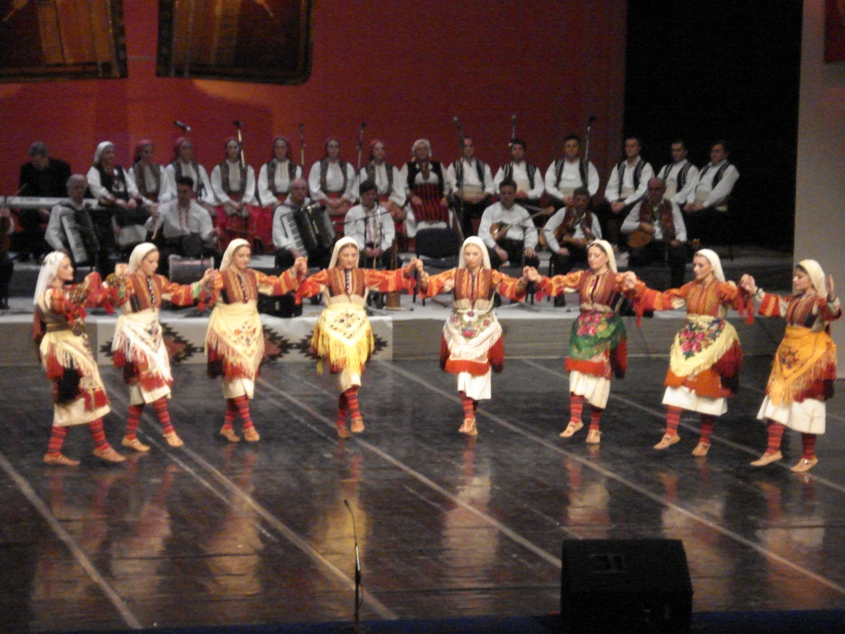 🇷🇴 Bucharest, Romania and 7 moreHorahoră (Romanian), хоро (Bulgarian), оро (Macedonian), הורה (Hebrew)
A circle dance from Southeast Europe, danced at weddings and festivalsPerformance
🇷🇴 Bucharest, Romania and 7 moreHorahoră (Romanian), хоро (Bulgarian), оро (Macedonian), הורה (Hebrew)
A circle dance from Southeast Europe, danced at weddings and festivalsPerformance
The same idea elsewhere
Spring and renewal compared 🇰🇷 Jeju, South KoreaGut굿
Sacred rites of song, dance, and spirit communion performed by Korean shamansSpiritual
🇰🇷 Jeju, South KoreaGut굿
Sacred rites of song, dance, and spirit communion performed by Korean shamansSpiritual
 🇯🇵 JapanChildren's Dayこどもの日
A Japanese holiday on May fifth celebrating the happiness and growth of childrenFestival
🇯🇵 JapanChildren's Dayこどもの日
A Japanese holiday on May fifth celebrating the happiness and growth of childrenFestival
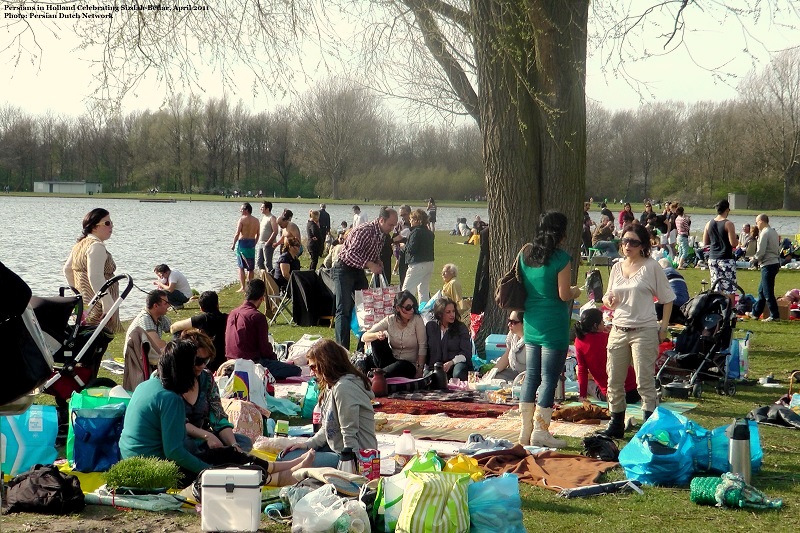 🇮🇷 Iran and 4 moreSizdah Bedarسیزدهبدر
An open-air picnic holiday concluding the Iranian New Year celebrationsFestival
🇮🇷 Iran and 4 moreSizdah Bedarسیزدهبدر
An open-air picnic holiday concluding the Iranian New Year celebrationsFestival
 🇯🇵 Kyoto, JapanAoi Matsuri葵祭
A classical Kyoto festival with an imperial procession and ancient shrine ritualsFestival
🇯🇵 Kyoto, JapanAoi Matsuri葵祭
A classical Kyoto festival with an imperial procession and ancient shrine ritualsFestival