Lefkara lace
Cut-and-stitch needle lace from two villages in Cyprus, once made for brides' dowries

Lefkara lace is a handmade needle lace from Pano Lefkara and Kato Lefkara in Cyprus, known for cut openings, satin stitch fillings and thread in white, brown or ecru. Women have stitched it for at least six centuries, first for their wedding dowries and later for sale, and UNESCO listed it in 2009 as heritage a community still practises.
When is Lefkara lace kept?
Lefkara lace is kept on worked throughout the year; in the past, finished in time for a bride's wedding day.
Lefkara lace is the cut-and-stitch embroidery of two villages in Cyprus, Pano Lefkara and Kato Lefkara. It is also called Lefkaritika. Women there have made it as a household craft and as a trade for centuries, and the finest pieces were once gathered for a bride's dowry. Lacemakers across the island still stitch the geometric motifs, and some work to keep the skill alive.
What it is
Lefkara lace is needle lace worked by hand. A woman stitches into cotton cloth, builds the pattern with fine thread, then cuts and draws out certain threads so the design opens up. The craft belongs to Pano Lefkara and Kato Lefkara, two villages in Cyprus. Its usual marks are hemstitch, satin stitch fillings, needlepoint edgings and a narrow range of colour: white, brown and ecru. Motifs are geometric and complicated. UNESCO added the lace to its list of living cultural traditions in 2009.
Stitches and patterns
The earliest Lefkara lace was sewn from white cotton cloth made on the island. The craft grew out of an older embroidery called asproploumia, and several of that older type's stitches are still used. Lacemakers combine stitches with cut openings. Bigger embroideries, called tagiades, sit alongside patterns known as pittota, gyroulota and liminota, and a Venice lace type. The name tagiades comes from the Italian term Punto Tagliato, a cut design that was popular in Italy in the sixteenth century. According to the Cyprus Handicraft Service, more than 650 motifs are known. The best known is potamoi, meaning rivers, formed from triangular zig-zags called kamares, or arcs.
Dowry and livelihood
Lace held a place in family life. A girl was expected to build a large collection of embroidered cloth to show on her wedding day, and this dowry became a measure of her skill. Neighbours competed with one another, and the rivalry pushed the standard of the work upward. Patterns and stitches passed from mother to daughter. Some women earned money from lace. In Pano Lefkara the embroiderers, known as ploumarisses, arranged their work from home, while the men, called kentitarides, travelled as merchants through Europe and Scandinavia to sell it.
A traveller's legend
People in the villages tell a story about Leonardo da Vinci. According to that tradition, he visited Cyprus in the fifteenth century and carried a piece of the lace back to Italy with him. The same account says the cloth he took now decorates the cathedral in Milan. The tale is offered as local tradition, not as recorded fact, and it shows how far the lace travelled. People here have long rated the work of their own hands highly, and the story says so.
Today and change
Lace is no longer made only in the two Lefkara villages. It is produced all over Cyprus today, by home workers and in workshops, and the villages of Pano Lefkara and Kato Lefkara were the largest centres in earlier times. Embroiderers, almost all of them women, still earn part of their living from the craft, as women did in the past. Some want to keep the older designs and methods alive. Printed books of historical patterns help today's lacemakers copy pieces they never learned at home, and new motifs still appear, since each worker adds what her own skill and imagination allow.
How Lefkara lace is kept
A woman works at home, usually by herself, with cotton cloth, needle and thread. She builds the pattern with hemstitch, satin stitch fillings and needlepoint edgings, motif after motif. At some point she cuts the cloth and draws out threads, which opens the design and gives the lace its name. Some pieces are small; others are large embroideries called tagiades. Today many lacemakers follow printed pattern books; in the past a girl learned by watching her mother or a neighbour and then copying what she saw until she could add motifs of her own.
When and where
There is no single day or season for the craft: lacemakers sew through the year, at home and in workshops. The one fixed point in the old calendar was a wedding. A bride was expected to have her embroidered collection finished and ready to display on her wedding day, so much of the stitching was done in the months and years before a marriage.
The lace comes from Pano Lefkara and Kato Lefkara, two villages in Cyprus, and those two places were once the main centres of production. The craft is now practised across the island, and pieces are also sold abroad. In earlier centuries the merchants of Lefkara carried the work through Europe and as far as Scandinavia, so buyers far from Cyprus have long known it.
What Lefkara lace means
For the families who made it, lace was proof of patience and skill. A daughter's dowry showed what she could do with her hands, and it carried her mother's teaching into a new household. That is why the motifs were repeated so faithfully and why neighbours compared their work. The lace also stood for the village itself when it travelled: a piece of Cyprus in a merchant's pack. People in Lefkara still speak of it as something their own women made and their own men sold.

Questions people ask about Lefkara lace
When is Lefkara lace kept?
Lefkara lace is kept on worked throughout the year; in the past, finished in time for a bride's wedding day.
What is Lefkara lace?
It is a handmade needle lace from two villages in Cyprus, Pano Lefkara and Kato Lefkara. Women stitch cotton cloth with hemstitch, satin stitch fillings and needlepoint edgings, then cut and draw out threads to open the design. The usual colours are white, brown and ecru.
Where is it made, and when?
It belongs to Pano Lefkara and Kato Lefkara in Cyprus, which were the biggest centres, and it is now worked in many places on the island. There is no season for it: women sew through the year. In the past, the deadline that mattered was a wedding, when a bride displayed the collection she had embroidered.
Is it hard to learn?
The basic stitches can be taught, and lacemakers today often copy old patterns from printed books. Even so the work takes years of practice, and the more intricate pieces demand steady hands. The older route was to learn at home, watching a mother or neighbour, and to go on adding new motifs as skill grew.
Has it been recognised officially?
Yes. In 2009 UNESCO added the lace to a list of cultural traditions that communities still practise. Cyprus is the country it is entered for. The Cyprus Handicraft Service also records the designs, which now number more than 650 motifs.
Who makes it today?
Mainly women, working at home or in workshops. Lacemaking has long been a way for women in these villages to earn money, and that continues. The men of Lefkara, called kentitarides, once travelled as merchants to sell the work, and the trade in lace was built around the pair of roles.
See also
 Tush kyizAn embroidered wall hanging made for a child's wedding in Kyrgyz and Kazakh homes
 IkatA resist-dyeing craft from Southeast Asia, where yarns are tied and dyed before weaving
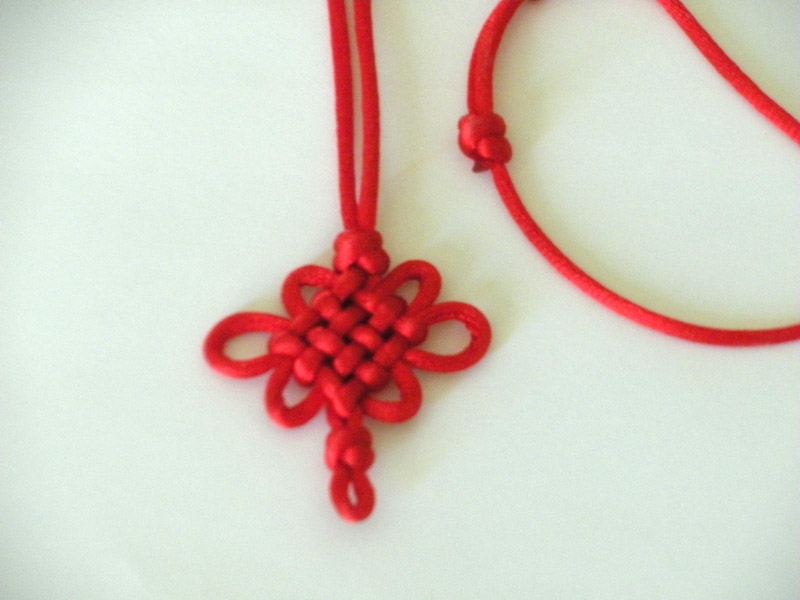 Chinese knottingA folk craft of cord tied into lucky shapes, made in China and given as charms
 PhulkariGeometric and floral threadwork embroidered by Punjabi women on handwoven cotton.
Good reading and sources
- Lefkara lace on WikipediaEncyclopedia
- More photos on Wikimedia CommonsPhotos and video
- Wikidata recordOpen data
The facts on this page come from the Wikipedia article "Lefkara lace", written by its contributors and used under the CC BY-SA 4.0 licence, and from its Wikidata record (CC0). EveryParampara rewrote the text in its own words, with AI assistance, and compares every page with the article to make sure no passage is copied. It may be reused under the same CC BY-SA 4.0 licence with a link back.
It may contain mistakes. Traditions differ from one family, village and community to the next, and the people who keep them know them best. If something is wrong, tell us. Last refreshed 2026-10-05.
More from Cyprus
All the traditions of Cyprus 🇬🇷 Athens, Greece and 1 moreSirtakiσυρτάκι
A Greek folk dance created for a 1964 film that blends slow and fast rhythms into a single performance.Performance
🇬🇷 Athens, Greece and 1 moreSirtakiσυρτάκι
A Greek folk dance created for a 1964 film that blends slow and fast rhythms into a single performance.Performance
 🇬🇷 Athens, Greece and 1 moreOhi DayΕπέτειος του Όχι
A Greek national holiday on October 28 that marks the refusal of an Italian ultimatum in 1940.Ceremony
🇬🇷 Athens, Greece and 1 moreOhi DayΕπέτειος του Όχι
A Greek national holiday on October 28 that marks the refusal of an Italian ultimatum in 1940.Ceremony
 🇬🇷 Greece and 1 moreClean MondayΚαθαρά Δευτέρα
The Monday that opens Great Lent, kept with fasting, forgiveness and kite-flyingSpiritual · Fasting and breaking the fast
🇬🇷 Greece and 1 moreClean MondayΚαθαρά Δευτέρα
The Monday that opens Great Lent, kept with fasting, forgiveness and kite-flyingSpiritual · Fasting and breaking the fast
 🇬🇷 Athens, Greece and 1 moreCelebration of the Greek RevolutionΕορτασμός της Ελληνικής Επανάστασης του 1821
An annual civic holiday of parades and church services marking Greek independenceCeremony
🇬🇷 Athens, Greece and 1 moreCelebration of the Greek RevolutionΕορτασμός της Ελληνικής Επανάστασης του 1821
An annual civic holiday of parades and church services marking Greek independenceCeremony
The same idea elsewhere
Weddings compared 🇼🇸 Samoa and 1 moreʻIe tōga
Precious woven mats exchanged in Samoan ceremonies to honor family ties and chiefly status.Dress
🇼🇸 Samoa and 1 moreʻIe tōga
Precious woven mats exchanged in Samoan ceremonies to honor family ties and chiefly status.Dress
 🇮🇩 Indonesia and 2 moreKenduri
A communal prayer meal and gathering shared across Indonesia, Malaysia and BruneiSpiritual · Feasts and festival meals
🇮🇩 Indonesia and 2 moreKenduri
A communal prayer meal and gathering shared across Indonesia, Malaysia and BruneiSpiritual · Feasts and festival meals
 🇹🇱 Timor-LesteUma Lulik
Sacred ancestral clan houses and ritual shrines in East TimorSpiritual
🇺🇬 UgandaKwanjula
A formal marriage introduction ritual of the Baganda people in Uganda, where families meet to exchange gifts and seek blRite of passage
🇹🇱 Timor-LesteUma Lulik
Sacred ancestral clan houses and ritual shrines in East TimorSpiritual
🇺🇬 UgandaKwanjula
A formal marriage introduction ritual of the Baganda people in Uganda, where families meet to exchange gifts and seek blRite of passage