Spiritual and religiousLatin America and the CaribbeanChristian
Lord of Miracles
In its own language: Señor de los Milagros
An October Catholic festival in Lima honouring a miraculous mural of Christ
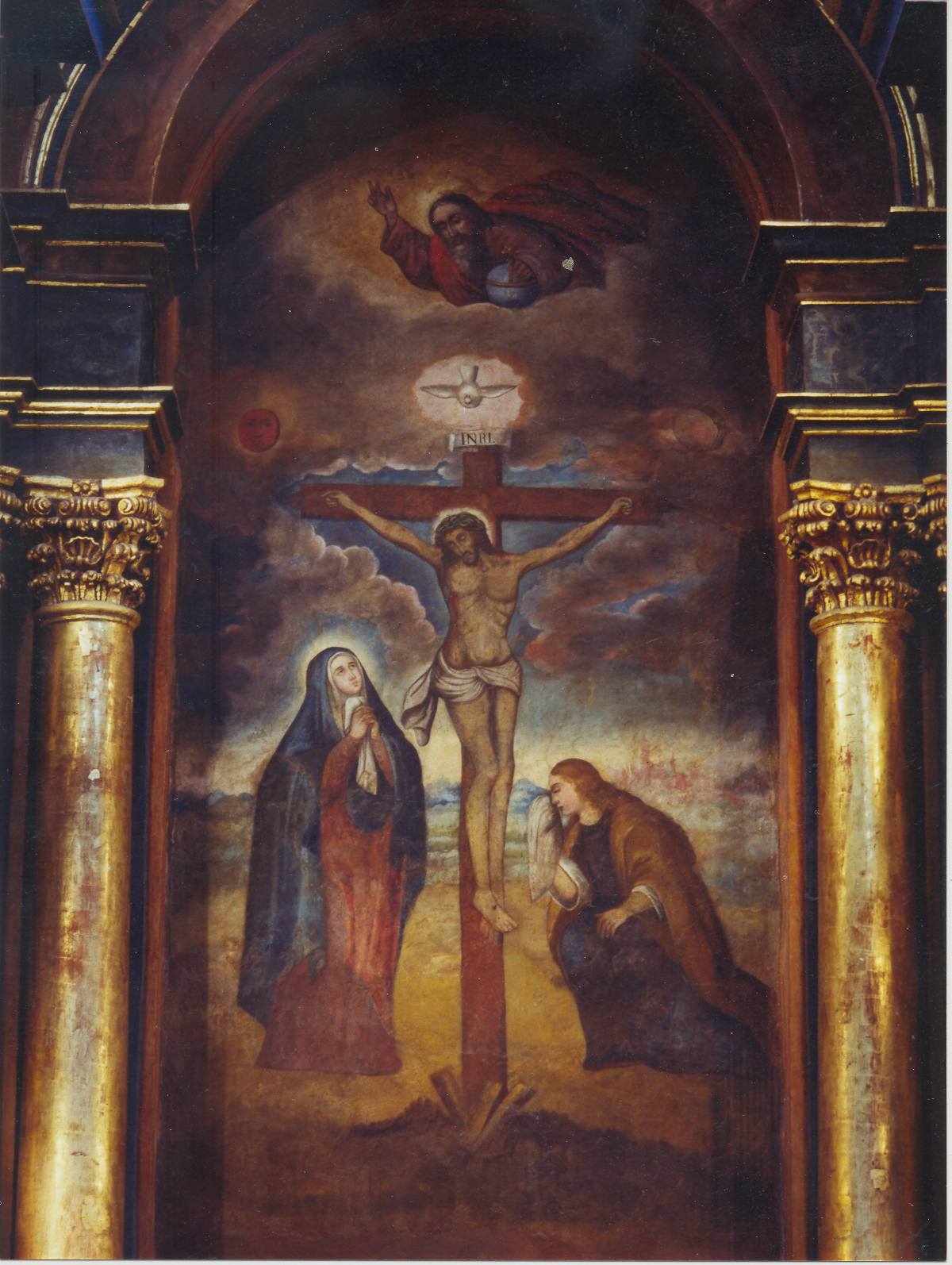
The Lord of Miracles is an annual Catholic observance centred in Lima, Peru, held throughout October. Devotees dress in purple robes to escort a heavy replica of a revered seventeenth-century mural across the historic city centre.
When is Lord of Miracles marked?
Lord of Miracles is kept as part of All Saints and All Souls, which runs from 1 to 2 November 2026.
Every October, huge crowds gather in Lima to honour the Lord of Miracles. The devotion centres on a seventeenth-century painting of Christ crucified, created on an adobe wall by an enslaved Angolan man. After devastating earthquakes flattened the city around it, the mural stayed upright. Today, millions of worshippers take part in massive street processions, donning purple habits, singing hymns, and burning incense across the Peruvian capital.
The mural and its survival
In the seventeenth century, an enslaved man from Angola named Benito or Pedro Dalcon painted a mural of Christ on the cross. The artwork features God the Father and the Holy Spirit above Jesus, flanked by Mary as the Sorrowful Mother and a weeping Mary Magdalene. Severe earthquakes struck Lima in 1655, 1687, and 1746, levelling surrounding buildings while leaving the fragile wall untouched. Residents regarded this survival as a sign of divine protection. Over time, the devotion broadened from its Afro-Peruvian roots to embrace the wider city, leading civic and church authorities to name the icon a patron of Lima and Peru.
Processions in purple
During October, known locally as the purple month, massive processions wind through downtown Lima. A heavy platform bearing a replica of the painting leaves the Sanctuary and Monastery of Las Nazarenas. Worshippers dress in deep purple habits tied with white cords. Leading the way, women known as sahumadoras walk backwards while swinging incense burners to perfume the path before the holy image. Brass bands accompany the crowd with traditional processional marches, while onlookers shower the route with confetti, flower petals, and balloons. The journey lasts around twenty hours, pausing at civic landmarks such as the main plaza.
Seasonal foods and traditions
The festival brings distinctive culinary traditions that appear across Lima during the purple month. Street stalls and bakeries prepare Turrón de Doña Pepa, a layered anise pastry stick confection topped with sweet syrup and colourful sprinkles. Families also enjoy mazamorra morada, a warm pudding made from purple corn. Alongside the sacred ceremonies, the city has hosted a bullfighting fair in the Acho bullring since 1946, where toreros compete for gold and silver scapulars named after the holy icon. Peruvian communities abroad also organise their own processions to celebrate their shared heritage.
How Lord of Miracles is kept
Pilgrims assemble across downtown Lima on designated dates in October and on All Saints' Day. Groups of bearers carry a decorated litter holding a copy of the painting along a twenty-hour route from the Sanctuary of Las Nazarenas. Women wearing purple garments and lace veils walk backwards before the platform, swinging handheld censers of burning incense. Thousands of devotees dressed in purple robes and white cords follow behind, chanting hymns alongside marching bands. The procession stops before government buildings, churches, and civic institutions for formal blessings amidst confetti, floral offerings, and night fireworks.
When and where
Events take place throughout October, especially during major processions on the first weekend, the 18th and 19th, and the 28th, ending on All Saints' Day on 1 November. October 18 is the central feast day.
The festival takes place in Lima, Peru, starting and ending at the Sanctuary and Monastery of Las Nazarenas in the historic centre. Devotions also occur in towns across Peru and in overseas Peruvian diaspora communities.
What Lord of Miracles means
The icon represents hope, endurance, and divine mercy. Because the original painting withstood several catastrophic earthquakes that razed Lima, believers view the image as a miraculous protector against disaster. Purple clothing and white cords symbolise penance and spiritual devotion, uniting worshippers across different social backgrounds behind a shared history of resilience.
On the table
- mazamorra morada
- Turrón de Doña Pepa
Days Lord of Miracles is marked
Questions people ask about Lord of Miracles
When is Lord of Miracles marked?
Lord of Miracles is kept as part of All Saints and All Souls, which runs from 1 to 2 November 2026.
What is the Lord of Miracles?
The Lord of Miracles is a major Catholic devotion in Lima, Peru, centred on a seventeenth-century wall painting of the crucified Christ that survived several destructive earthquakes.
Why do people wear purple during October in Lima?
Worshippers wear purple habits with white cords as a sign of penitence and devotion to the holy image, giving October its title as the purple month in Peru.
Who painted the original image?
An enslaved African man from Angola, identified as Benito or Pedro Dalcon, created the mural on an adobe wall in Lima during the seventeenth century.
See also
 PassoverA Jewish spring festival celebrating freedom from slavery with ritual meals
 Isra and Mi'rajAn Islamic observance marking the prophet Muhammad’s night journey and ascent through the heavens.
 Krishna JanmashtamiA Hindu festival celebrating the birth of Krishna with fasting, singing and night vigils
 ThaipusamA Tamil Hindu festival honoring Murugan through devotional burdens and pilgrimage
Good reading and sources
- Lord of Miracles on WikipediaEncyclopedia
- More photos on Wikimedia CommonsPhotos and video
- Wikidata recordOpen data
The facts on this page come from the Wikipedia article "Lord of Miracles", written by its contributors and used under the CC BY-SA 4.0 licence, and from its Wikidata record (CC0). EveryParampara rewrote the text in its own words, with AI assistance, and compares every page with the article to make sure no passage is copied. It may be reused under the same CC BY-SA 4.0 licence with a link back.
It may contain mistakes. Traditions differ from one family, village and community to the next, and the people who keep them know them best. If something is wrong, tell us. Last refreshed 2026-10-04.
More from Peru
All the traditions of Peru 🇵🇪 Cusco, PeruQoyllur Rit'iQuyllurit'i
An Andean mountain pilgrimage uniting indigenous star lore and Catholic devotionSpiritual
🇵🇪 Cusco, PeruQoyllur Rit'iQuyllurit'i
An Andean mountain pilgrimage uniting indigenous star lore and Catholic devotionSpiritual
 🇪🇸 Valencia, Spain and 5 moreFeast of Corpus ChristiCorpus Domini
A Christian feast celebrating the presence of Christ in the bread and wine of the EucharistSpiritual
🇪🇸 Valencia, Spain and 5 moreFeast of Corpus ChristiCorpus Domini
A Christian feast celebrating the presence of Christ in the bread and wine of the EucharistSpiritual
 🇵🇪 Cusco, Peru and 4 moreIntiinti (Quechua)
The Inca sun deity, honoured with temples, offerings and the June festival Inti RaymiSpiritual
🇪🇸 Spain and 5 moreCompadre
A ritual kinship made at a child's baptism, binding parents and godparents for lifeSpiritual
🇵🇪 Cusco, Peru and 4 moreIntiinti (Quechua)
The Inca sun deity, honoured with temples, offerings and the June festival Inti RaymiSpiritual
🇪🇸 Spain and 5 moreCompadre
A ritual kinship made at a child's baptism, binding parents and godparents for lifeSpiritual
The same idea elsewhere
Pilgrimage compared 🇺🇸 United States and 5 moreMother's Day
A worldwide annual celebration dedicated to mothers, maternal bonds and family careHome
🇮🇱 Jerusalem, IsraelPassoverפסח
A Jewish spring festival celebrating freedom from slavery with ritual mealsSpiritual · Dinner
🇺🇸 United States and 5 moreMother's Day
A worldwide annual celebration dedicated to mothers, maternal bonds and family careHome
🇮🇱 Jerusalem, IsraelPassoverפסח
A Jewish spring festival celebrating freedom from slavery with ritual mealsSpiritual · Dinner
 🇵🇱 Poland and 5 moreChristmas Eve
The evening before Christmas, marked by church services, family meals, and gift preparations across Christian cultures.Festival · Dinner
🇵🇱 Poland and 5 moreChristmas Eve
The evening before Christmas, marked by church services, family meals, and gift preparations across Christian cultures.Festival · Dinner
 🇮🇱 Jerusalem, IsraelSukkotסוכות
A seven-day autumn Jewish festival of temporary booths, harvest prayers and hospitalitySpiritual
🇮🇱 Jerusalem, IsraelSukkotסוכות
A seven-day autumn Jewish festival of temporary booths, harvest prayers and hospitalitySpiritual