🇵🇪 Traditions of Peru
29 traditions from Peru, best known first, across 11 cities and towns.
Peruvian traditions grew out of ancient Andean civilizations, later shaped by Spanish rule as well as African and Asian migrations. Across the coast, highlands, and Amazon, communities sustain a deep bond with native crops, oral verse, and distinct culinary fusions. This history lives on through shared meals, hybrid visual arts, and literary forms.
Across the Pacific shoreline, the Andean peaks, and the Amazon basin, Peru maintains cultural customs shaped by thousands of years of farming and community life. Early Andean civilizations cultivated a vast range of tubers and grains, laying the foundation for local food and ritual. Centuries of contact with Spanish settlers, followed by African, Chinese, and Japanese immigrants, added new ingredients, stories, and artistic styles to this heritage. Today, these diverse roots define daily life, cooking, and creative expression.
Staples of the soil
The foundation of Peruvian food rests on native crops developed over millennia in difficult mountain landscapes. Peru is home to thousands of potato varieties, which remain the country's most vital staple alongside maize and ancient grains like quinoa, kiwicha, and kañiwa. Mountain farmers also grow traditional tubers such as oca, mashua, and ulluco, as well as protein-rich tarwi lupin beans. Fiery chili peppers, including ají amarillo, ají limo, and rocoto, provide characteristic warmth and seasoning across many dishes. Local markets feature native fruits such as sweet lúcuma, cherimoya, and tart camu camu, which are eaten fresh or used in desserts and regional cooking.
The blended kitchen
Peruvian culinary habits reflect centuries of blending between native foods and outside arrivals. The Spanish introduced garlic, onions, wheat, rice, and livestock, along with frying techniques. Later waves of newcomers left their own lasting marks. African cooks created tacu-tacu, combining seasoned rice and beans into a hearty pan-fried patty served with meat or eggs. In the nineteenth century, Chinese immigrants created lomo saltado by flash-frying strips of beef with onions, tomatoes, and fried potatoes. Today, this multicultural cooking enjoys widespread pride. In 2008, the state established National Ceviche Day on June 28 to honor the country's signature marinated seafood tradition.
Song and written word
Before the arrival of the Spanish alphabet, Quechua and Aymara communities passed down their knowledge orally. Their poetry and recitations were bound to agricultural rhythms, romantic bonds, sacred rites, and funerary customs. Colonial writers later captured these voices in early chronicles, while poets adapted the melancholy yaraví lyric form into patriotic verse. In the twentieth century, writers led an indigenist cultural movement, placing indigenous Andean realities and rural struggles at the center of national literature. Magazines like Amauta nurtured new artistic thought, and prominent authors wove indigenous oral storytelling techniques together with modern European narrative forms.
Architecture and visual arts
Artistic life in Peru draws from pre-Columbian craft traditions and colonial developments. Early Andean cultures left intricate achievements, from Chavín stone carvings and delicate Paracas textiles to the adobe walls of Chimú cities. When Spanish builders arrived, native artisans worked on colonial churches in Lima and Cuzco, infusing European Baroque architecture with local symbols and decorative motifs. This blending, known as mestizaje, also flourished in religious painting workshops that portrayed Andean themes through imported styles. In 1919, the establishment of the School of Fine Arts of Lima helped modern painters and sculptors forge a distinct identity rooted in their complex history.
The facts in this overview come from the Wikipedia article "Culture of Peru", written by its contributors and used under the CC BY-SA 4.0 licence. EveryParampara rewrote the text in its own words, with AI assistance, and compares every page with the article to make sure no passage is copied. It may be reused under the same CC BY-SA 4.0 licence with a link back.
The table in Peru
Foods and drinks by the moment they belong to.
| Tea-time and snacking customs | Turrón |
|---|---|
| Sweets given and shared | Lord of Miracles, Turrón |
| Feasts and festival meals | Turrón, Feast of Saint Isidore the Laborer |
Cities, towns and villages of Peru
 🇪🇸 Valencia, Spain and 5 moreFeast of Corpus ChristiCorpus Domini
A Christian feast celebrating the presence of Christ in the bread and wine of the EucharistSpiritual
🇪🇸 Valencia, Spain and 5 moreFeast of Corpus ChristiCorpus Domini
A Christian feast celebrating the presence of Christ in the bread and wine of the EucharistSpiritual
 🇵🇪 Peru and 2 moreAyniAyni (Quechua and Aymara)
Giving and receiving as a duty, kept by Andean communitiesEtiquette
🇵🇪 Peru and 2 moreAyniAyni (Quechua and Aymara)
Giving and receiving as a duty, kept by Andean communitiesEtiquette
 🇨🇱 Santiago, Chile and 3 moreCueca
A courtship dance of Chile and the Andes where partners trace circles with handkerchiefs to mimic a rooster and hen.Performance
🇨🇱 Santiago, Chile and 3 moreCueca
A courtship dance of Chile and the Andes where partners trace circles with handkerchiefs to mimic a rooster and hen.Performance
 🇵🇭 Manila, Philippines and 1 moreSimbang Gabi
A nine-day series of early morning Masses held in the Philippines to prepare for Christmas.Festival
🇵🇭 Manila, Philippines and 1 moreSimbang Gabi
A nine-day series of early morning Masses held in the Philippines to prepare for Christmas.Festival
 🇧🇴 Oruro, Bolivia and 3 moreMorenada
A Bolivian folk dance featuring heavy masks and rattling instruments, performed in festivals across the Andes.Performance
🇧🇴 Oruro, Bolivia and 3 moreMorenada
A Bolivian folk dance featuring heavy masks and rattling instruments, performed in festivals across the Andes.Performance
 🇵🇪 Cusco, Peru and 4 moreIntiinti (Quechua)
The Inca sun deity, honoured with temples, offerings and the June festival Inti RaymiSpiritual
🇦🇷 Salta, Argentina and 3 moreZamba
A graceful Argentine couple dance of circling steps and fluttering white handkerchiefsPerformance
🇵🇪 Cusco, Peru and 4 moreIntiinti (Quechua)
The Inca sun deity, honoured with temples, offerings and the June festival Inti RaymiSpiritual
🇦🇷 Salta, Argentina and 3 moreZamba
A graceful Argentine couple dance of circling steps and fluttering white handkerchiefsPerformance
 🇵🇪 Cusco, Peru and 2 moreInti Raymi
A major Andean festival honoring the sun god Inti and marking the winter solstice in Cusco.Festival
🇵🇪 Cusco, Peru and 2 moreInti Raymi
A major Andean festival honoring the sun god Inti and marking the winter solstice in Cusco.Festival
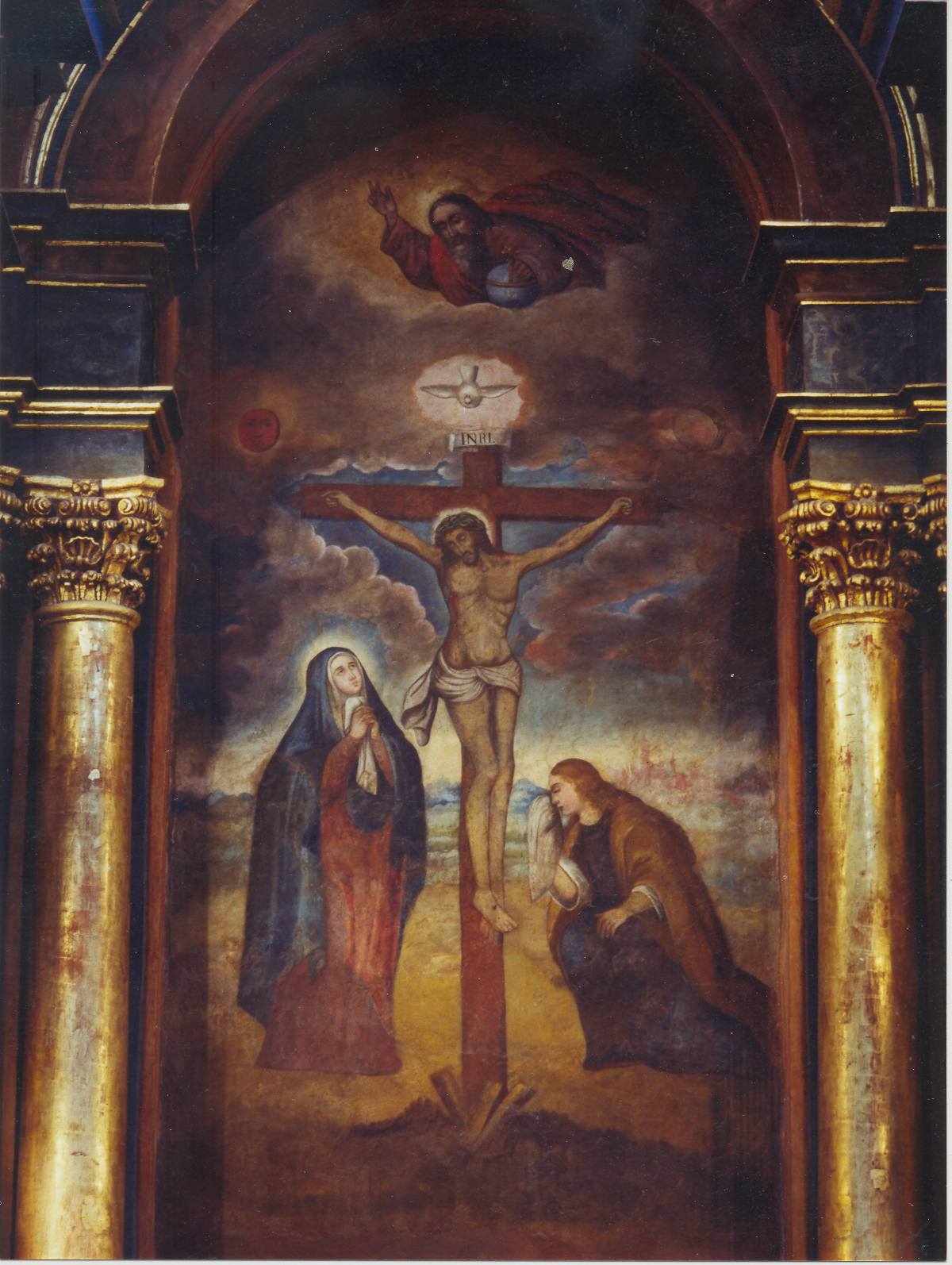 🇵🇪 Lima, PeruLord of MiraclesSeñor de los Milagros
An October Catholic festival in Lima honouring a miraculous mural of ChristSpiritual · Sweets given and shared
🇵🇪 Lima, PeruLord of MiraclesSeñor de los Milagros
An October Catholic festival in Lima honouring a miraculous mural of ChristSpiritual · Sweets given and shared
 🇵🇪 Cusco, PeruQoyllur Rit'iQuyllurit'i
An Andean mountain pilgrimage uniting indigenous star lore and Catholic devotionSpiritual
🇵🇪 Cusco, PeruQoyllur Rit'iQuyllurit'i
An Andean mountain pilgrimage uniting indigenous star lore and Catholic devotionSpiritual
 🇵🇪 Trujillo, PeruMarinera
A courtship dance from Peru's coast, with handkerchiefs and bare feetPerformance
🇵🇪 Trujillo, PeruMarinera
A courtship dance from Peru's coast, with handkerchiefs and bare feetPerformance
 🇵🇪 Peru and 1 moreChulloch'ullu
An earflapped Andean hat in alpaca or llama wool, worn against the coldDress
🇵🇪 Peru and 1 moreChulloch'ullu
An earflapped Andean hat in alpaca or llama wool, worn against the coldDress
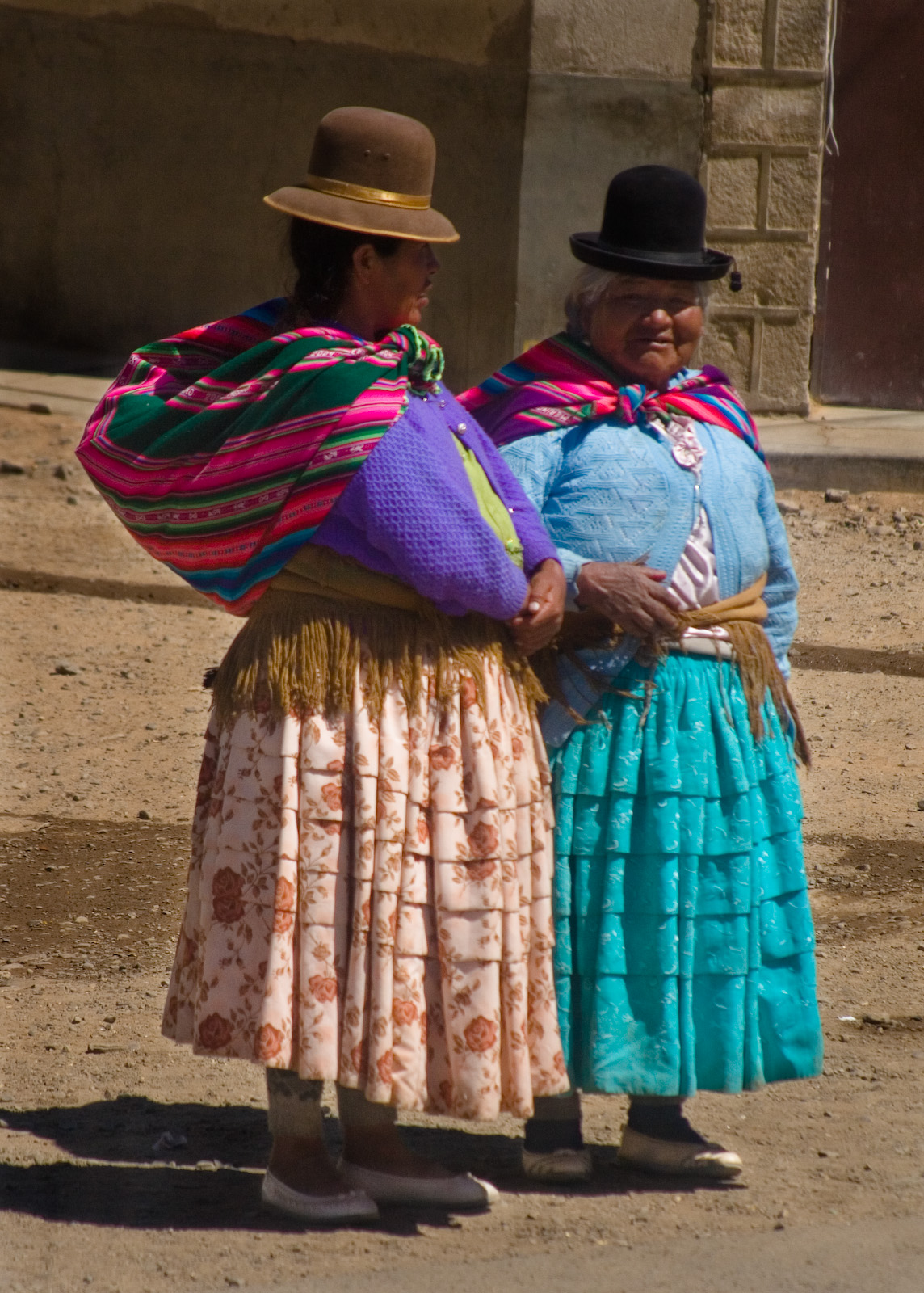 🇵🇦 Las Tablas, Panama and 2 morePollera
A handmade skirt and outfit worn in Panama, Bolivia and Peru, and a marker of identityDress
🇪🇸 Spain and 5 moreCompadre
A ritual kinship made at a child's baptism, binding parents and godparents for lifeSpiritual
🇵🇦 Las Tablas, Panama and 2 morePollera
A handmade skirt and outfit worn in Panama, Bolivia and Peru, and a marker of identityDress
🇪🇸 Spain and 5 moreCompadre
A ritual kinship made at a child's baptism, binding parents and godparents for lifeSpiritual
 🇧🇴 La Paz, Bolivia and 1 moreAlasitasFeria de la Alasita
A month-long Bolivian fair where people exchange miniatures to invite good fortuneFestival
🇧🇴 La Paz, Bolivia and 1 moreAlasitasFeria de la Alasita
A month-long Bolivian fair where people exchange miniatures to invite good fortuneFestival
 🇪🇸 Spain and 5 moreMoors and ChristiansMoros y Cristianos
Theatrical parades and mock battles staging historic clashes across Spain and beyondFestival
🇪🇸 Spain and 5 moreMoors and ChristiansMoros y Cristianos
Theatrical parades and mock battles staging historic clashes across Spain and beyondFestival
 🇧🇴 Oruro, Bolivia and 3 moreDiabladaDanza de los Diablos
An Andean masked dance depicting a battle between devils and the Archangel MichaelPerformance
🇧🇴 Oruro, Bolivia and 3 moreDiabladaDanza de los Diablos
An Andean masked dance depicting a battle between devils and the Archangel MichaelPerformance
 🇪🇸 Jijona, Spain and 5 moreTurrón
A festive Mediterranean nut-and-honey confection shared at Christmas and local feastsTable custom · Sweets given and shared
🇪🇸 Jijona, Spain and 5 moreTurrón
A festive Mediterranean nut-and-honey confection shared at Christmas and local feastsTable custom · Sweets given and shared
 🇧🇴 Tiwanaku, Bolivia and 2 moreWillkakuti
An Aymara new year at the June solstice, marking the sun's returnSeasonal
🇧🇴 Tiwanaku, Bolivia and 2 moreWillkakuti
An Aymara new year at the June solstice, marking the sun's returnSeasonal
 🇧🇴 La Paz, Bolivia and 1 moreEkekoIqiqu
A small figurine of abundance kept in Andean homes and carried at the Alasitas fair to invite prosperity.Spiritual
🇧🇴 La Paz, Bolivia and 1 moreEkekoIqiqu
A small figurine of abundance kept in Andean homes and carried at the Alasitas fair to invite prosperity.Spiritual
 🇷🇺 Russia and 5 moreYuri's Night
An annual global celebration on April 12 marking milestones in space explorationFestival
🇷🇺 Russia and 5 moreYuri's Night
An annual global celebration on April 12 marking milestones in space explorationFestival
 🇵🇪 Mito, PeruHuaconada
A three-day January ritual dance in Mito, Peru, led by masked men called huaconesPerformance
🇵🇪 Mito, PeruHuaconada
A three-day January ritual dance in Mito, Peru, led by masked men called huaconesPerformance
 🇺🇸 United States and 5 moreArmed Forces Day
A civic holiday honouring national military services, their history and active personnelCeremony
🇵🇪 Santo Tomás, PeruTakanakuy
A December tradition in Peru where community members settle disputes through regulated fistfights and dance.Festival
🇪🇸 Spain and 5 moreInternet DayDía de Internet
An annual May observance dedicated to digital access, education and online community.Ceremony
🇺🇸 United States and 5 moreArmed Forces Day
A civic holiday honouring national military services, their history and active personnelCeremony
🇵🇪 Santo Tomás, PeruTakanakuy
A December tradition in Peru where community members settle disputes through regulated fistfights and dance.Festival
🇪🇸 Spain and 5 moreInternet DayDía de Internet
An annual May observance dedicated to digital access, education and online community.Ceremony
 🇵🇪 Peru and 5 moreMinka
Shared unpaid work for community projects and for families who need many handsCeremony
🇵🇪 Peru and 5 moreMinka
Shared unpaid work for community projects and for families who need many handsCeremony
 🇵🇾 Ypacaraí, Paraguay and 5 moreFestival of the Lake YpacaraíFestival del Lago Ypacaraí
A Paraguayan folk festival celebrating national music, dance and poetry at the shores of Lake Ypacaraí.Festival
🇵🇾 Ypacaraí, Paraguay and 5 moreFestival of the Lake YpacaraíFestival del Lago Ypacaraí
A Paraguayan folk festival celebrating national music, dance and poetry at the shores of Lake Ypacaraí.Festival
 🇪🇸 Madrid, Spain and 4 moreFeast of Saint Isidore the LaborerFiestas de San Isidro Labrador
A May festival honoring the patron saint of farmers, marked by processions and harvest gratitude in Spain and former colFestival · Feasts and festival meals
🇪🇸 Madrid, Spain and 4 moreFeast of Saint Isidore the LaborerFiestas de San Isidro Labrador
A May festival honoring the patron saint of farmers, marked by processions and harvest gratitude in Spain and former colFestival · Feasts and festival meals
 🇪🇸 Córdoba, Spain and 5 moreFiesta de las Cruces
A May festival where communities decorate crosses with flowers and crafts to celebrate faith and local heritage.Festival
🇪🇸 Córdoba, Spain and 5 moreFiesta de las Cruces
A May festival where communities decorate crosses with flowers and crafts to celebrate faith and local heritage.Festival
Photo credits on this page
The small pictures above come from Wikimedia Commons under free licences. Some are cropped to fit.
- Inti: Felipe Guaman Poma de Ayala, Public domain, source
- Inti Raymi: Cyntia Motta, CC BY-SA 3.0, source
- Lord of Miracles: Miguel Chong, Public domain, source
- Qoyllur Rit'i: AgainErick, CC BY-SA 3.0, source
- Alasitas: Ener6, CC BY-SA 4.0, source
- Feast of Corpus Christi: Fennec ., Public domain, source
- Moors and Christians: No machine-readable author provided. Jarke assumed (based on copyright, CC BY-SA 3.0, source
- Ayni: Sr raleigh, CC BY-SA 4.0, source
- Diablada: Elemaki, CC BY 3.0, source
- Turrón: Tamorlan, CC BY 3.0, source
- Cueca: Manuel Antonio Caro, Public domain, source
- Simbang Gabi: Avito C. Dalan for the Philippine News Agency, Public domain, source
- Chullo: El archivo fue elegido de manera aleatoria sin uso necesario de su lic, Public domain, source
- Morenada: Alfredobi, CC BY 3.0, source
- Fiesta de las Cruces: Michelangelo-36, Public domain, source
- Pollera: Pedro Szekely, CC BY 2.0, source
- Marinera: Tomas Sobek, CC BY 2.0, source
- Willkakuti: Tuco Quispe, CC BY-SA 3.0, source
- Ekeko: Ciudades, CC BY-SA 4.0, source
- Huaconada: Alfredo Palacios, CC BY-SA 3.0, source
- Minka: Tobias Deml, CC BY-SA 4.0, source
- Festival of the Lake Ypacaraí: Level4, CC BY-SA 3.0, source
- Yuri's Night: Ryan Somma, CC BY 2.0, source
- Armed Forces Day: Presidential Press and Information Office, CC BY 4.0, source
- Feast of Saint Isidore the Laborer: Ángel Lizcano Monedero, Public domain, source