Festivals and celebrationsNorth AmericaIndigenous and traditional
Mardi Gras Indians
A New Orleans carnival tradition where Black revelers wear elaborate Native American-inspired suits to honor historical

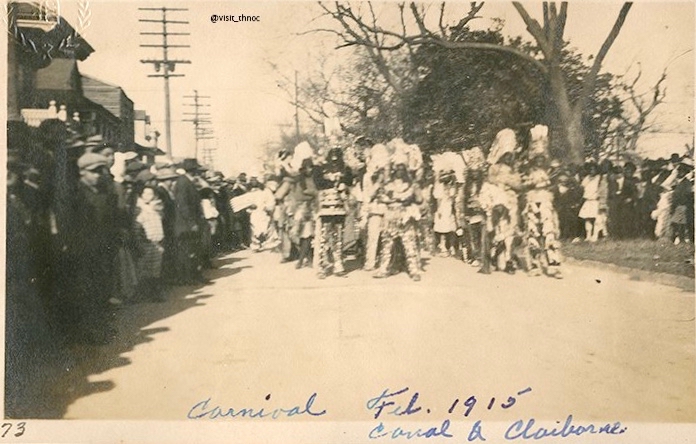
The Mardi Gras Indians are a unique cultural group in New Orleans, Louisiana. They blend African, Caribbean, Indigenous, and European influences into a distinct art form. Members create intricate suits and parade to celebrate their heritage and community solidarity.
When is Mardi Gras Indians kept?
Mardi Gras Indians is kept on Mardi Gras Day, Saint Joseph's Day, and the Sunday nearest to it.
The Mardi Gras Indians are a vibrant subculture in New Orleans, Louisiana. They are known for their elaborate handmade suits and participation in carnival parades. This tradition emerged as a form of cultural resistance and homage to Native Americans who aided enslaved ancestors.
Origins and history
The roots of this practice stretch back to the eighteenth century. Enslaved Africans arrived in Louisiana and formed maroon settlements in the swamps. These communities often received help from Indigenous peoples like the Chitimacha and Natchez. Historical accounts note that Black people dressed as Indigenous figures in celebratory dances as early as seventeen forty six. By the late nineteenth century, Becate Batiste formalized the first tribe. The custom developed partly because Black residents were barred from official white carnival events. They created their own masked celebrations to assert their presence and creativity.
How it is kept
Participants belong to independent groups called tribes or gangs. There are over forty active tribes today. Each group takes its name from local streets, ancestors, or cultural heroes. Members spend months crafting heavy suits covered in beads and feathers. These designs reflect African and Indigenous aesthetics. Parades occur on specific days when members wear full regalia. The performances include chanting and drumming. Groups coordinate loosely through umbrella organizations for Uptown and Downtown areas. Their displays serve as commentary on social justice and tribal unity.
Symbolism and meaning
The tradition honors the historical alliances between Black runaways and Native tribes. It serves as a tribute to those who provided shelter and resources during slavery. The masks and war paint originally hid identities from authorities who banned Black gatherings. Today, the suits express Black American heritage and artistic skill. The aesthetic also satirizes the racist masquerades of white-only carnival krewes. Incorporating Yoruba spirits or ancestral figures deepens the spiritual connection. The practice remains a powerful statement of community solidarity and cultural survival.
How Mardi Gras Indians is kept
Members join independent tribes named after local landmarks or ancestors. They spend months sewing intricate beadwork and feathered suits. On designated days, they parade through neighborhoods chanting and drumming. The performance blends West African masquerade styles with Indigenous motifs. Tribes gather to display their work and reinforce community bonds. Some appear at major city festivals alongside traditional carnival dates.
When and where
Parades happen on Mardi Gras Day, Saint Joseph's Day, and Super Sunday. The date depends on the lunar calendar and religious observances. Modern festivals sometimes invite tribes to perform outside these strict windows.
The tradition is exclusive to New Orleans, Louisiana. It thrives in historic Black neighborhoods like Tremé. The city's unique mix of French, Spanish, African, and Indigenous history shaped the custom. No other location shares this specific cultural expression.
What Mardi Gras Indians means
The suits honor Native allies who helped escaped slaves. They represent resistance against racial exclusion and segregation. The artistry celebrates Black creativity and heritage. The masks invert racist stereotypes while asserting dignity. The practice strengthens ties within the Black community and preserves historical memory.


Questions people ask about Mardi Gras Indians
When is Mardi Gras Indians kept?
Mardi Gras Indians is kept on Mardi Gras Day, Saint Joseph's Day, and the Sunday nearest to it.
What are the Mardi Gras Indians?
They are Black American carnival revelers in New Orleans known for elaborate Native American-inspired suits. The tradition blends African, Caribbean, and Indigenous cultural practices into a unique street theater and folk ritual.
Why do they dress this way?
The custom originated as a response to exclusion from white carnival events. It also pays homage to Native Americans who aided enslaved ancestors. The suits express cultural pride, artistic skill, and a desire for social justice.
How many tribes are there?
There are more than forty active tribes in New Orleans today. Each group operates independently but follows shared traditions. Sizes range from small family units to larger community organizations.
See also
 HalloweenAn annual observance on 31 October marking the eve of All Saints' Day, rooted in Christian tradition and Celtic heritage
 HanukkahAn eight-day Jewish festival marking the rededication of the Second Temple in Jerusalem and the miracle of a single day'
 Day of the DeadA Mexican remembrance of deceased family and friends with altars, marigolds and feasts
 Second lineA New Orleans parade where clubs march and a crowd dances along behind the band
Good reading and sources
- What You Should Know About the Mardi Gras IndiansSmithsonian Magazine, Article
- New Orleans: Black neighbourhoods pay homage to Native AmericansUNESCO, Heritage listing
- What You Should Know About the Mardi Gras IndiansSmithsonian Magazine, Article
- New Orleans: Black neighbourhoods pay homage to Native AmericansUNESCO, Article
- Mardi Gras Indians on WikipediaEncyclopedia
- More photos on Wikimedia CommonsPhotos and video
- Wikidata recordOpen data
The facts on this page come from the Wikipedia article "Mardi Gras Indians", written by its contributors and used under the CC BY-SA 4.0 licence, and from its Wikidata record (CC0). EveryParampara rewrote the text in its own words, with AI assistance, and compares every page with the article to make sure no passage is copied. It may be reused under the same CC BY-SA 4.0 licence with a link back.
It may contain mistakes. Traditions differ from one family, village and community to the next, and the people who keep them know them best. If something is wrong, tell us. Last refreshed 2026-10-05.
More from the United States
All the traditions of the United States
🇮🇪 Ireland and 5 moreHalloween
An annual observance on 31 October marking the eve of All Saints' Day, rooted in Christian tradition and Celtic heritageFestival · Sweets given and shared
🇮🇱 Jerusalem, Israel and 1 moreHanukkahחֲנֻכָּה
An eight-day Jewish festival marking the rededication of the Second Temple in Jerusalem and the miracle of a single day'Festival
🇲🇽 Mexico City, Mexico and 1 moreDay of the DeadDía de Muertos
A Mexican remembrance of deceased family and friends with altars, marigolds and feastsFestival · Sweets given and shared
🇺🇸 New Orleans, United StatesSecond line
A New Orleans parade where clubs march and a crowd dances along behind the bandFestival
The same idea elsewhere
Remembering the ancestors compared 🇮🇳 Ayodhya, India and 7 moreDiwaliदीपावली (Dīpāvalī)
A five-day festival of lights celebrated across India and its diaspora to mark the victory of light over darkness.Festival · Feasts and festival meals
🇮🇳 Ayodhya, India and 7 moreDiwaliदीपावली (Dīpāvalī)
A five-day festival of lights celebrated across India and its diaspora to mark the victory of light over darkness.Festival · Feasts and festival meals
 🇮🇷 Iran and 7 moreNowruzنوروز
The Iranian new year at the March equinox, kept with fire, greenery and picnicsSeasonal
🇮🇷 Iran and 7 moreNowruzنوروز
The Iranian new year at the March equinox, kept with fire, greenery and picnicsSeasonal
 🇮🇳 Mathura, India and 5 moreHoliहोली (Hindi)
A spring festival of colours and bonfires that marks the end of winter and the triumph of good over evil.Festival
🇮🇳 Mathura, India and 5 moreHoliहोली (Hindi)
A spring festival of colours and bonfires that marks the end of winter and the triumph of good over evil.Festival
 🇮🇱 Jerusalem, IsraelSukkotסוכות
A seven-day autumn Jewish festival of temporary booths, harvest prayers and hospitalitySpiritual
🇮🇱 Jerusalem, IsraelSukkotסוכות
A seven-day autumn Jewish festival of temporary booths, harvest prayers and hospitalitySpiritual