Festivals and celebrationsNorth America
Second line
A New Orleans parade where clubs march and a crowd dances along behind the band

The second line is a parade custom in New Orleans, Louisiana, run by Social Aid and Pleasure Clubs. Club members and a brass band form the main line, and the second line is made up of everyone who follows the music on foot, dancing with parasols and handkerchiefs.
When is Second line kept?
Second line is kept on most Sundays through a season running most of the year, with breaks for holidays and the hottest summer weeks.
In New Orleans, a second line is a parade led by a Social Aid and Pleasure Club and its brass band. Club members march in the main line, holding the permit and setting the route. Behind them comes the second line: neighbours, friends and visitors who walk, dance and follow the music. The custom grew out of Black neighbourhood life and is still how many communities mark both sorrow and celebration.
What it is
A second line is a style of street parade, not a single yearly date. A club applies for the permit and hires a brass band; together they form the main line, sometimes called the first line. Anyone else who joins in is the second line. Following the band is the point, and people do it by walking, strutting and dancing. Dancers often carry parasols or handkerchiefs, and this free-form movement has its own name, second-lining. Behind the band a snare drummer improvises around the marching beat, and those rhythms can push the dancers or the band in new directions.
Origins and history
The roots lie in West African circle dances, brought to Louisiana by enslaved Africans. In New Orleans those ring dances became part of processions and funerals. Scholars disagree about how the ring became a line: some describe children drumming while adults danced until the ring opened out, others point to steps performed in Congo Square on Sundays, dances the city banned for a time. African ritual dance met European military marching bands, and the two strands came together in the parades that surrounded jazz funerals. Free and enslaved Black residents formed clubs that offered loans, insurance and burial help, and their parades honoured members who had died. Historians trace this club life back to the years of enslavement.
How a parade runs
During the long season, which pauses for holidays and the hottest weeks of summer, parades are held most Sundays. A club's chosen date is a yearly fixture. Longer routes include stops, often at bars, where refreshments are waiting for members and anyone following can buy a drink. Vendors sell soft drinks, beer and street food along the way. Most parades go off peacefully. Some have been marred by shootings, among them a Mother's Day attack in 2013 that wounded nineteen people, and two incidents in the St. Roch neighbourhood in November 2024, forty-five minutes apart, in which two people died and eleven were hurt.
Drumming and dance
Second line drumming is its own craft. A snare player usually walks behind the brass band and answers the marching beat with improvised patterns that cross the main rhythm. Those figures entered early jazz drumming and the rhythm and blues played in New Orleans in the 1950s. Bands such as the Dirty Dozen Brass Band and the Rebirth Brass Band keep the older feel, and jazz drummers including Billy Higgins and Idris Muhammad carried the patterns into modern jazz. For dancers the style is loose and personal: stride, dip, spin, wave a cloth and stay close to the horns.
Today and change
Parades have run since the late 1800s, and the clubs that organise them are still busy. The Young Men Olympian Junior Benevolent Association, which dates from 1884, is the oldest group still parading on a regular schedule. After Hurricane Katrina the clubs restored their dates as soon as residents were allowed back, and the Black Men of Labor held the first club parade of that autumn, in October 2005. Newcomers have taken up the tradition too, and routes now circulate online, drawing visitors who come to follow along. The style has also travelled: parading groups play it in other American cities, and festivals borrow it.
How Second line is kept
A club sets a date and takes out the parade permit. Its members make up the main line with the brass band, and the band plays as they move through the streets. Behind them, anyone may join. People dance in their own way, some with parasols or handkerchiefs. Long routes stop at bars and other points where refreshments have been arranged, and vendors sell drinks and street food nearby. If the club is remembering members who have died, the band may begin with one solemn selection. Parades run most Sundays in season and often last for hours.
When and where
The season covers most of the year, with breaks for holidays such as Mardi Gras and for the hottest weeks of summer. In that stretch, second lines are held most Sundays, and each club keeps to its own chosen date. Parades also happen at other times when a family or group hires a band.
The tradition belongs to New Orleans, Louisiana. It is strongest in the historic Black neighbourhoods, especially Tremé and Central City. Parades also appear in the Seventh Ward, Uptown, Marigny, the Ninth Ward and Mid-City, and at least now and then in most of the city's older districts. Beyond Louisiana, bands and parade groups in other American cities keep a version going.
What Second line means
For the clubs, a parade is both a party and a duty. The clubs grew out of mutual aid, and marching together declares that members look after one another in sickness and in death. When a member dies, the band's slow music gives way to a joyful procession, a way of celebrating a spirit returning to the ancestors and to God. Dancers take a freedom in the street that their ancestors were once denied.


Questions people ask about Second line
When is Second line kept?
Second line is kept on most Sundays through a season running most of the year, with breaks for holidays and the hottest summer weeks.
What is a second line?
A second line is a New Orleans parade led by a Social Aid and Pleasure Club and a brass band. Club members and the band form the main line. Everyone who follows behind to walk, dance and enjoy the music makes up the second line, and the dancing style is called second-lining.
Where are they held?
They belong to New Orleans, Louisiana, and are strongest in the historic Black neighbourhoods of Tremé and Central City. They also take place in the Seventh Ward, Uptown, Marigny, the Ninth Ward, Mid-City and other older parts of the city. Versions exist in other American cities.
Is it the same as a jazz funeral?
They are related but not the same. A jazz funeral begins with slow hymns and dirges as the club marches with the body, then the mood turns and a celebratory parade follows. A second line parade has no body and usually skips the funeral music, though a band may open with one solemn piece for members who have died.
Can anyone join in?
Yes. The permit and the main line belong to the club, but the second line is open. People follow the band through the streets, dance as they like and stop where the parade stops. Visitors are welcome, and routes are often posted online so newcomers can find them.
See also
 HalloweenAn annual observance on 31 October marking the eve of All Saints' Day, rooted in Christian tradition and Celtic heritage
 HanukkahAn eight-day Jewish festival marking the rededication of the Second Temple in Jerusalem and the miracle of a single day'
 Day of the DeadA Mexican remembrance of deceased family and friends with altars, marigolds and feasts
 Papel picadoA Mexican folk art of cutting intricate designs into tissue paper for festive and spiritual displays.
Good reading and sources
- Second line (parades) on WikipediaEncyclopedia
- More photos on Wikimedia CommonsPhotos and video
- Wikidata recordOpen data
The facts on this page come from the Wikipedia article "Second line (parades)", written by its contributors and used under the CC BY-SA 4.0 licence, and from its Wikidata record (CC0). EveryParampara rewrote the text in its own words, with AI assistance, and compares every page with the article to make sure no passage is copied. It may be reused under the same CC BY-SA 4.0 licence with a link back.
It may contain mistakes. Traditions differ from one family, village and community to the next, and the people who keep them know them best. If something is wrong, tell us. Last refreshed 2026-10-05.
More from the United States
All the traditions of the United States
🇮🇪 Ireland and 5 moreHalloween
An annual observance on 31 October marking the eve of All Saints' Day, rooted in Christian tradition and Celtic heritageFestival · Sweets given and shared
🇮🇱 Jerusalem, Israel and 1 moreHanukkahחֲנֻכָּה
An eight-day Jewish festival marking the rededication of the Second Temple in Jerusalem and the miracle of a single day'Festival
🇲🇽 Mexico City, Mexico and 1 moreDay of the DeadDía de Muertos
A Mexican remembrance of deceased family and friends with altars, marigolds and feastsFestival · Sweets given and shared
🇲🇽 San Salvador Huixcolotla, Mexico and 1 morePapel picado
A Mexican folk art of cutting intricate designs into tissue paper for festive and spiritual displays.Festival
The same idea elsewhere
Death and mourning compared 🇹🇱 Timor-LesteUma Lulik
Sacred ancestral clan houses and ritual shrines in East TimorSpiritual
🇹🇱 Timor-LesteUma Lulik
Sacred ancestral clan houses and ritual shrines in East TimorSpiritual
 🇳🇿 New Zealand and 2 moreMarae
A cleared, sacred gathering place at the heart of Māori and Polynesian community lifeSpiritual
🇳🇿 New Zealand and 2 moreMarae
A cleared, sacred gathering place at the heart of Māori and Polynesian community lifeSpiritual
 🇼🇸 Samoa and 1 moreʻIe tōga
Precious woven mats exchanged in Samoan ceremonies to honor family ties and chiefly status.Dress
🇼🇸 Samoa and 1 moreʻIe tōga
Precious woven mats exchanged in Samoan ceremonies to honor family ties and chiefly status.Dress
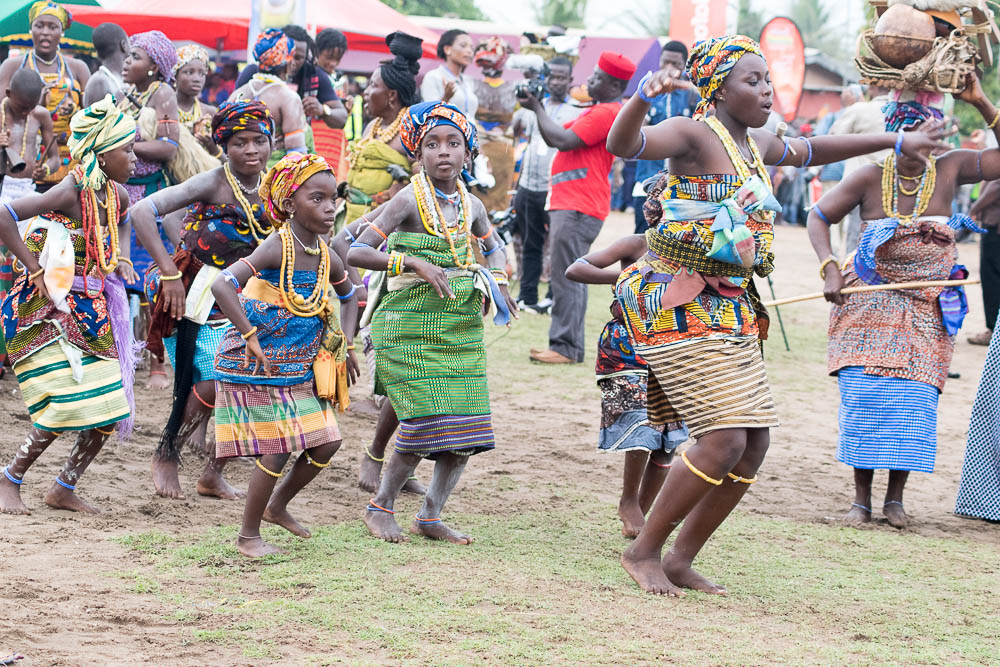 🇬🇭 Ghana and 2 moreAgbadza
An Ewe music and dance, born of war songs and kept for funerals, weddings and festivalsPerformance
🇬🇭 Ghana and 2 moreAgbadza
An Ewe music and dance, born of war songs and kept for funerals, weddings and festivalsPerformance