Royal, civic and national ceremonyEast AsiaSecular and civic
Mass games
Disciplined, large-scale gymnastic spectacles celebrating unity and national pride

Mass games are massive public spectacles that unite thousands of synchronized gymnasts, dancers, and performers. Emerging in nineteenth-century Europe and continuing today in events like North Korea's Arirang and Czech Slet gatherings, they celebrate collective strength and national milestones.
When is Mass games kept?
Mass games is kept during major national holidays and civic anniversaries.
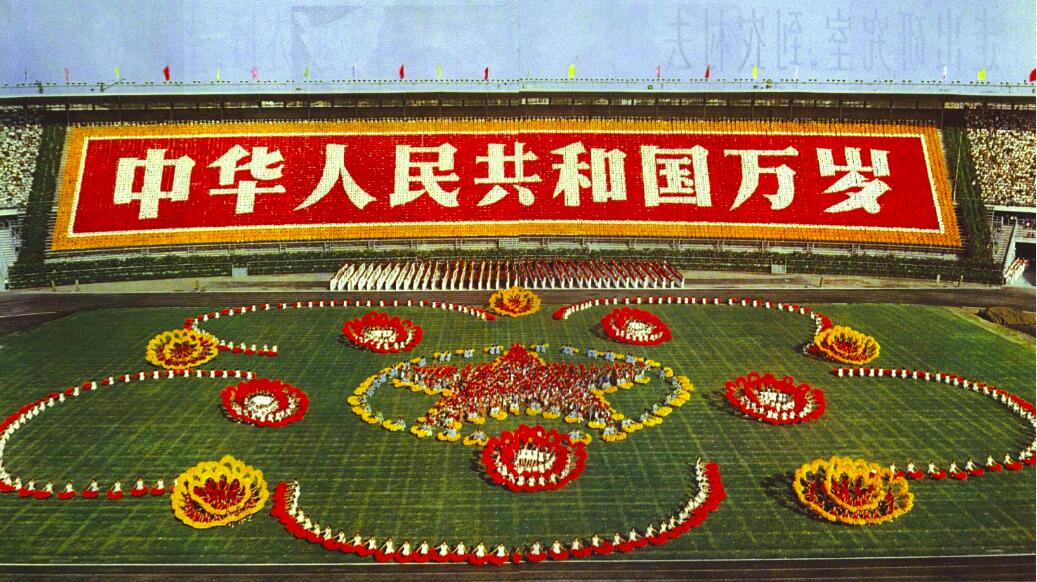
Mass games are monumental performances where thousands of people execute precise, synchronized routines in open stadiums. Rather than showcasing solitary athletic champions, these events highlight collective rhythm, physical fitness, and civic unity. Developed during the nineteenth century in Europe and adopted across various nations, mass gymnastics blend athletic skill, dance, and music into theatrical celebrations of shared identity and public occasions.
European beginnings
Mass gymnastics began in nineteenth-century central Europe as organized movements linked physical culture to civic life. In Germany, Friedrich Ludwig Jahn created the Massenturnen approach and launched a festival in 1860 to encourage the practice. This tradition later evolved into regular international gatherings. In Prague, the Sokol gymnastic organization introduced its first Slet, meaning a gathering of birds, in 1882 to celebrate two decades since its founding. The Czech Slet custom continues to this day, bringing thousands of volunteer gymnasts together every six years to perform coordinated field routines.
Spectacles in North Korea
In North Korea, mass gymnastics became grand state productions celebrating key dates, such as the birthdays of Kim Il-sung and Kim Jong-il. Staged in venues like the Rungrado May Day Stadium in Pyongyang, events such as the Arirang Mass Games gather more than 100,000 participants for ninety-minute programs. Schoolchildren and adult performers combine floor routines, dance, acrobatics, and dramatic acting against musical backdrops. The practice emphasizes the principle of single-minded unity, training participants to submerge personal distinction into seamless collective precision.
Celebrations across borders
Throughout the twentieth century, several other countries adapted mass gymnastics for state milestones. East Germany hosted eight sports festivals in Leipzig, blending regional folk customs with contemporary gymnastic styles. Czechoslovakia staged regular Spartakiad events between 1955 and 1990 to commemorate its 1945 liberation. Yugoslavia organized voluntary gatherings, including the Relay of Youth. In 1980, Guyana marked ten years of statehood with mass performances, while Romania established state-organized displays after leaders observed similar presentations in China.
How Mass games is kept
Mass games involve thousands of disciplined participants filling stadium fields or arenas in coordinated formations. Performers execute synchronized gymnastics, acrobatics, and dances timed to live or recorded music. In some traditions, student athletes undergo months of rigorous practice to ensure every gesture aligns perfectly. Displays often feature massive backdrop images, choral music, and dramatic historical scenes that tell a story of collective unity and civic pride.
When and where
Gatherings are staged to mark major public anniversaries, state holidays, or organizational jubilees. North Korean games are held annually around national birthdays, while Czech Sokol Slet festivals take place every six years.
Performances take place inside massive sports stadiums or public arenas. Prominent venues include the Rungrado May Day Stadium in Pyongyang, historic sports grounds in Prague, and festival stadiums in Leipzig.
What Mass games means
Mass gymnastics symbolizes the strength of the collective over the individual. Each participant is an essential part of an enormous moving picture. The coordinated motions represent discipline, unity, shared national identity, and mutual reliance, demonstrating how separate actions merge into a single harmonious effort.


Questions people ask about Mass games
When is Mass games kept?
Mass games is kept during major national holidays and civic anniversaries.
What are mass games?
Mass games are large-scale athletic and theatrical performances in which thousands of synchronized participants perform coordinated gymnastics, acrobatics, and dances together in large stadiums.
Where did mass gymnastics originate?
Mass gymnastics originated in nineteenth-century Europe. German educator Friedrich Ludwig Jahn pioneered the Massenturnen festival in 1860, and the Czech Sokol movement organized the first Slet festival in Prague in 1882.
How many people perform in North Korean mass games?
North Korean mass games, such as the Arirang festival in Pyongyang, regularly feature more than 100,000 performers on the field and in the stands during a ninety-minute performance.
Are mass games still held today?
Yes. Mass games continue in North Korea as major state celebrations, and the Czech Sokol organization still holds its traditional Slet festivals every six years, including one in 2024.
See also
 Day of the SunNorth Korea's principal holiday, marking the birth anniversary of Kim Il Sung
 Arirang Mass GamesA massive civic spectacle of gymnastics, dance, and card stunts in Pyongyang
 Day of the Shining StarA two-day national holiday in North Korea honouring the birth of Kim Jong Il.
 ChristmasA festival of Jesus's birth, kept on 25 December with gifts, lights and shared meals
Good reading and sources
- Mass games on WikipediaEncyclopedia
- More photos on Wikimedia CommonsPhotos and video
- Wikidata recordOpen data
The facts on this page come from the Wikipedia article "Mass games", written by its contributors and used under the CC BY-SA 4.0 licence, and from its Wikidata record (CC0). EveryParampara rewrote the text in its own words, with AI assistance, and compares every page with the article to make sure no passage is copied. It may be reused under the same CC BY-SA 4.0 licence with a link back.
It may contain mistakes. Traditions differ from one family, village and community to the next, and the people who keep them know them best. If something is wrong, tell us. Last refreshed 2026-10-04.
More from North Korea
All the traditions of North Korea
🇰🇵 Pyongyang, North KoreaDay of the Sun태양절
North Korea's principal holiday, marking the birth anniversary of Kim Il SungCeremony
🇰🇵 Pyongyang, North KoreaArirang Mass Games아리랑 축제
A massive civic spectacle of gymnastics, dance, and card stunts in PyongyangCeremony
🇰🇵 Pyongyang, North KoreaDay of the Shining Star광명성절
A two-day national holiday in North Korea honouring the birth of Kim Jong Il.Ceremony
 🇰🇷 Seoul, South Korea and 1 moreNational Liberation Day of Korea광복절 (Gwangbokjeol)
A public holiday on 15 August marking Korea's liberation from Japanese rule in 1945Ceremony
🇰🇷 Seoul, South Korea and 1 moreNational Liberation Day of Korea광복절 (Gwangbokjeol)
A public holiday on 15 August marking Korea's liberation from Japanese rule in 1945Ceremony
The same idea elsewhere
All of this kind 🇺🇸 Philadelphia, United States and 1 moreIndependence Day
The United States' national day of parades, barbecues and fireworks, kept each July 4Ceremony
🇺🇸 Philadelphia, United States and 1 moreIndependence Day
The United States' national day of parades, barbecues and fireworks, kept each July 4Ceremony
 🇺🇸 United StatesTalking stick
A carved staff that shows who may speak at a Northwest Coast gatheringCeremony
🇺🇸 United StatesTalking stick
A carved staff that shows who may speak at a Northwest Coast gatheringCeremony
 🇺🇸 Washington, United StatesState of the Union address
The US president's yearly report to Congress and the nation, given in the House chamberCeremony
🇺🇸 Washington, United StatesState of the Union address
The US president's yearly report to Congress and the nation, given in the House chamberCeremony
 🇮🇳 Kolkata, IndiaJana Gana Mana
India's national anthem, from a Bengali hymn of 1911, sung at civic occasionsCeremony
🇮🇳 Kolkata, IndiaJana Gana Mana
India's national anthem, from a Bengali hymn of 1911, sung at civic occasionsCeremony