Spiritual and religiousNorth AmericaIndigenous and traditional
Medicine wheel
Sacred circular stone arrangements built across the plains of North America

Medicine wheels are sacred circular rock formations built across northern North America by Indigenous Plains nations. Constructed over thousands of years for ceremony and astronomical alignment, these stone layouts feature central cairns and radiating spokes.
Medicine wheels are circular stone formations built on the earth across northern North America. Constructed by Indigenous peoples, notably Plains nations, these sacred rock structures have served ceremonial and spiritual functions for thousands of years. They generally feature a central stone cluster encircled by an outer ring, with lines of stones radiating outward like spokes, often aligned with the four cardinal directions or sky phenomena.
Design and layout
Archaeologist John Brumley established that a medicine wheel contains at least two key components: a central cairn, one or more concentric rings of rock, and lines of stones radiating outward. When viewed from above, the formations resemble wagon wheels laid flat. Diameters can extend up to seventy-five feet. Although spoke counts vary, many wheels have twenty-eight radiating lines, matching the count of days in a lunar cycle. The lines are rarely uniform in length or spacing. Some designs incorporate doorways where the outer boundary breaks, leading straight into the centre along a distinct stone pathway.
Origins and history
Indigenous builders created stone architecture across the plains over millennia. One of the oldest known sites, the Majorville wheel in Alberta, dates back to roughly 3200 BCE. Successive generations added fresh layers of stone to existing sites across centuries, causing their layout and ceremonial functions to evolve over time. While simple stone rings once anchored traditional tipi lodges across the plains, larger and more elaborate petroforms served communal and spiritual purposes. Researchers trace early constructions in Ojibwa territory to the ancestral forebears of the Assiniboine people.
Astronomical and sacred meaning
The word medicine in this context refers to sacred significance and spiritual value rather than physical treatment. Many wheels align with the cardinal directions of north, south, east, and west. Certain researchers, such as astronomer John Eddy, suggested that spokes point toward key stars or the positions of solstices and equinoxes, though other scholars debate whether stellar alignments are statistically provable. Modern adaptations, such as North Dakota's Medicine Wheel Park, illustrate this calendar function by aligning stone spokes with horizon sunrises and sunsets across the four seasons.
Modern symbols and adaptation
During the late twentieth century, the medicine wheel took on new forms beyond the original stone petroforms. In 1972, author Hyemeyohsts Storm published an invented visual wheel symbol with assigned meanings. Since then, multiple pan-Indian organisations and Native groups without historic stone-wheel traditions have adopted graphic wheel motifs as educational icons. However, non-Indigenous movements, particularly within New Age circles, have also misappropriated the design by blending outside cultural elements into their own versions, distinct from the ancient physical monuments preserved on northern landscapes.
How Medicine wheel is kept
Building and maintaining stone medicine wheels involved gathering cobbles and massive rocks to form deliberate ground patterns. Builders placed a central cairn, laid out enclosing stone rings, and created spoke-like lines spanning outward. Successive generations regularly visited these sacred places, adding new stone layers and adjusting features over centuries. Communities gathered at the sites for religious ceremonies, seasonal observations, and communal rites, treating the stone circles as enduring sanctuaries embedded in the surrounding landscape.
When and where
Stone wheels were built and used across millennia, dating as far back as 3200 BCE. Many sites incorporate alignments to sunrises and sunsets on key seasonal days, suggesting their use during specific times of the year and across lunar cycles.
Documented medicine wheels sit across the northern United States and southern Canada, particularly in Alberta, Saskatchewan, Montana, Wyoming, and South Dakota. Alberta holds the majority of the approximately seventy surviving stone structures.
What Medicine wheel means
To the Indigenous nations who constructed them, medicine wheels embody sacred architecture rather than medical treatment. The radiating spokes often honour the four cardinal directions or mirror the twenty-eight days of the lunar month. Stone alignments connect the human realm to celestial movements of the Sun, Moon, and stars, grounding ceremonial lore in the natural world.
Questions people ask about Medicine wheel
What is a medicine wheel?
A medicine wheel is a circular rock formation constructed on the land by Indigenous North American peoples. It typically includes a central rock cairn, an outer stone ring, and radiating stone spokes used for sacred ceremonies and astronomical observation.
Where are historical medicine wheels located?
Most of the approximately seventy surviving historic stone wheels are in Alberta, Canada. Others are located across Saskatchewan and northern American states including Wyoming, South Dakota, and Montana.
Why is the term medicine used for these sites?
The word medicine was applied by observers to denote the religious holiness, spiritual importance, and sacred nature of the stone structures, rather than referring specifically to medical healing.
How old are ancient medicine wheels?
Ancient wheels span several millennia of construction. For example, the Majorville medicine wheel in Alberta has been dated to around 3200 BCE, with later generations continually adding rocks to the site over thousands of years.
See also
 Armenian Genocide Remembrance DayAn annual day of mourning and remembrance for the victims of the 1915 Armenian Genocide.
 ChristmasA festival of Jesus's birth, kept on 25 December with gifts, lights and shared meals
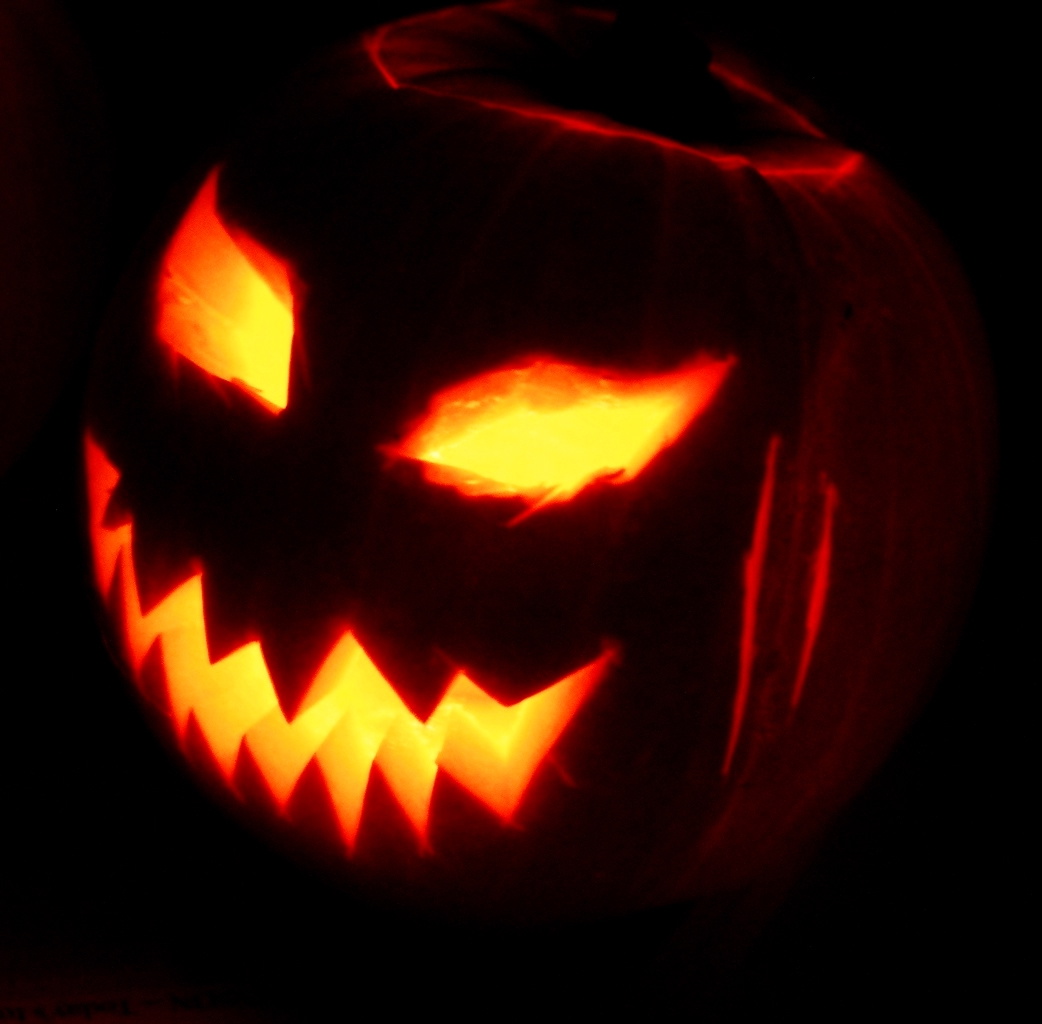 HalloweenAn annual observance on 31 October marking the eve of All Saints' Day, rooted in Christian tradition and Celtic heritage
 Christmas treeA decorated evergreen or artificial tree placed indoors to mark the Christmas season.
Good reading and sources
- Medicine wheel on WikipediaEncyclopedia
- More photos on Wikimedia CommonsPhotos and video
- Wikidata recordOpen data
The facts on this page come from the Wikipedia article "Medicine wheel", written by its contributors and used under the CC BY-SA 4.0 licence, and from its Wikidata record (CC0). EveryParampara rewrote the text in its own words, with AI assistance, and compares every page with the article to make sure no passage is copied. It may be reused under the same CC BY-SA 4.0 licence with a link back.
It may contain mistakes. Traditions differ from one family, village and community to the next, and the people who keep them know them best. If something is wrong, tell us. Last refreshed 2026-10-04.
More from Canada
All the traditions of Canada 🇮🇱 Jerusalem, Israel and 2 moreMezuzahמְזוּזָה (mezuzah)
A parchment scroll with Hebrew verses placed in a case on the doorposts of Jewish homes.Spiritual
🇦🇲 Yerevan, Armenia and 6 moreArmenian Genocide Remembrance DayՄեծ Եղեռնի զոհերի հիշատակի օր
An annual day of mourning and remembrance for the victims of the 1915 Armenian Genocide.Spiritual
🇮🇱 Jerusalem, Israel and 2 moreMezuzahמְזוּזָה (mezuzah)
A parchment scroll with Hebrew verses placed in a case on the doorposts of Jewish homes.Spiritual
🇦🇲 Yerevan, Armenia and 6 moreArmenian Genocide Remembrance DayՄեծ Եղեռնի զոհերի հիշատակի օր
An annual day of mourning and remembrance for the victims of the 1915 Armenian Genocide.Spiritual
 🇨🇦 Canada and 1 moreBeatification
A Catholic rite conferring the title Blessed and allowing local public venerationSpiritual
🇨🇦 Canada and 1 moreBeatification
A Catholic rite conferring the title Blessed and allowing local public venerationSpiritual
 🇺🇸 New York, United States and 4 moreFeast of the Ascension
The fortieth day of Easter, when Christians remember Jesus being taken up into heavenSpiritual
🇺🇸 New York, United States and 4 moreFeast of the Ascension
The fortieth day of Easter, when Christians remember Jesus being taken up into heavenSpiritual
The same idea elsewhere
Remembering the ancestors compared
🇮🇪 Ireland and 5 moreHalloween
An annual observance on 31 October marking the eve of All Saints' Day, rooted in Christian tradition and Celtic heritageFestival · Sweets given and shared
 🇮🇳 Ayodhya, India and 7 moreDiwaliदीपावली (Dīpāvalī)
A five-day festival of lights celebrated across India and its diaspora to mark the victory of light over darkness.Festival · Feasts and festival meals
🇮🇳 Ayodhya, India and 7 moreDiwaliदीपावली (Dīpāvalī)
A five-day festival of lights celebrated across India and its diaspora to mark the victory of light over darkness.Festival · Feasts and festival meals
 🇮🇷 Iran and 7 moreNowruzنوروز
The Iranian new year at the March equinox, kept with fire, greenery and picnicsSeasonal
🇮🇷 Iran and 7 moreNowruzنوروز
The Iranian new year at the March equinox, kept with fire, greenery and picnicsSeasonal
 🇮🇱 Jerusalem, Israel and 1 moreHanukkahחֲנֻכָּה
An eight-day Jewish festival marking the rededication of the Second Temple in Jerusalem and the miracle of a single day'Festival
🇮🇱 Jerusalem, Israel and 1 moreHanukkahחֲנֻכָּה
An eight-day Jewish festival marking the rededication of the Second Temple in Jerusalem and the miracle of a single day'Festival