Festivals and celebrationsSub-Saharan Africa
Medumba Arts and Culture Festival
In its own language: Festival des arts et de la culture medumba
A two-week biennial festival in Cameroon celebrating Medumba heritage and language.

Held every two years in Bangangté, the Medumba Arts and Culture Festival gathers fourteen villages from western Cameroon for a fortnight of heritage events. Organised by Kum Ntsi Medumba, the gathering revives the local language through community parades, theatre, storytelling, and artisan crafts.
When is Medumba Arts and Culture Festival kept?
Medumba Arts and Culture Festival is kept every two years in July.
The Medumba Arts and Culture Festival is a biennial fortnight of festivities held in the town of Bangangté in western Cameroon. Created to safeguard and revive the Medumba language, it brings together people from fourteen surrounding villages across the Ndé department. Community members celebrate their heritage through street processions, oral legends, dance, stage plays, and craft exhibitions, creating an enduring space where regional speech and ancestral customs continue to flourish.
Origins and purpose
The cultural group Kum Ntsi Medumba launched the gathering in 1995 to protect the Medumba language and ensure its transmission to younger generations. Over subsequent editions, the event grew into an essential civic platform for fourteen chiefdoms in the Ndé region. Organisers aim to reinforce community ties while highlighting the spoken traditions and artistic legacy of the area. Beyond holding the festival every two years, the founding association also operates a local radio station, Radio Medumba FM, and initiated construction of a dedicated regional museum complex to safeguard communal history.
Festival programme and events
Over two weeks, the festival hosts an energetic schedule of artistic and civic events. A street parade called the Festac Caravan opens up public celebration across the town. Daily programmes include theatrical performances, academic discussions, language competitions, and an evening sports gala. Dedicated days honour distinct groups within society, highlighting paramount leaders, local civic groups, and educators. Fairs showcase regional craftsmanship, traditional culinary habits, and native folklore. In addition, dance troupes and storytellers recount historical tales, creating lively venues for public entertainment and cultural education.
Community and visitors
The celebration draws a diverse crowd of tens of thousands, including town residents, visiting tourists, national politicians, and members of the Cameroonian diaspora returning home. Local businesses and sponsors set up temporary stalls to present their goods alongside rural artisans. Traditional leaders and chiefs take part alongside village delegations, creating moments of solidarity across the Ndé department. By bringing these groups together in Bangangté, the festival functions as both a lively cultural showcase and an economic catalyst for the wider western region.
How Medumba Arts and Culture Festival is kept
The festival unfolds over two weeks, opening with the Festac Caravan procession through Bangangté. Each day highlights specific themes, honouring paramount chiefs, community associations, or educators. Village delegations perform indigenous dances, tell folk stories, and stage plays, while youth compete in Medumba speech contests. Visitors explore craft exhibits, sample local foods, attend conferences, and gather for sports galas. Communal milestones, including the founding of a regional museum, are also commemorated during the festivities.
When and where
The festival takes place every two years, typically running for two weeks during the month of July. Exact dates are coordinated biennially by the organiser, Kum Ntsi Medumba.
The event is held in Bangangté, the primary administrative town of the Ndé department in the West Region of Cameroon. It draws participants from fourteen principal villages located across the surrounding department.
What Medumba Arts and Culture Festival means
At its core, the festival serves as a vital safeguard for the Medumba language against linguistic decline. It unites the fourteen villages of Ndé, reinforcing shared regional identity and collective memory. By celebrating oral folklore, traditional craftsmanship, and customary leadership, the gathering honours ancestral roots while instilling cultural pride in younger generations and returning diaspora members.
Questions people ask about Medumba Arts and Culture Festival
When is Medumba Arts and Culture Festival kept?
Medumba Arts and Culture Festival is kept every two years in July.
What is FESTAC Medumba?
FESTAC Medumba, officially known as the Medumba Arts and Culture Festival, is a biennial two-week cultural gathering in Cameroon. It celebrates regional craftsmanship, folklore, and performance arts, with the central aim of preserving and promoting the Medumba language.
Where and when does the festival happen?
The festival is celebrated in Bangangté, located in the Ndé department of western Cameroon. It occurs every two years, usually spanning a two-week period during July.
Who organises the festival?
The event was established and continues to be organised by Kum Ntsi Medumba, a local cultural organisation formed in 1995. The group also manages the community broadcaster Radio Medumba FM in Bangangté.
What activities can visitors experience?
Attendees can watch the Festac Caravan street parade, indigenous dance performances, and theatrical plays. The schedule also features language contests, storytelling sessions, craft exhibitions, conferences, and special days dedicated to regional chiefs and educators.
See also
 GuérewolA week-long courtship ritual where Wodaabe men dance and sing to win the attention of marriageable women.
 NgondoAn annual coastal water festival celebrated by the Sawa people in Cameroon
 Nyang Nyang FestivalA four-month Bamileke harvest festival and initiation rite in western CameroonZouglouA dance-led music style from Ivory Coast, sung in street slang and local languages
Good reading and sources
The facts on this page come from the Wikipedia article "Medumba Arts and Culture Festival", written by its contributors and used under the CC BY-SA 4.0 licence, and from its Wikidata record (CC0). EveryParampara rewrote the text in its own words, with AI assistance, and compares every page with the article to make sure no passage is copied. It may be reused under the same CC BY-SA 4.0 licence with a link back.
It may contain mistakes. Traditions differ from one family, village and community to the next, and the people who keep them know them best. If something is wrong, tell us. Last refreshed 2026-10-05.
More from Cameroon
All the traditions of Cameroon
🇳🇪 In-Gall, Niger and 2 moreGuérewol
A week-long courtship ritual where Wodaabe men dance and sing to win the attention of marriageable women.Festival
🇨🇲 Douala, CameroonNgondo
An annual coastal water festival celebrated by the Sawa people in CameroonFestival
🇨🇲 Bafoussam, CameroonNyang Nyang FestivalNyan-Nyang
A four-month Bamileke harvest festival and initiation rite in western CameroonFestival
🇨🇮 Abidjan, Ivory Coast and 3 moreZouglou
A dance-led music style from Ivory Coast, sung in street slang and local languagesPerformance
The same idea elsewhere
All of this kind 🇮🇹 Rome, Italy and 4 moreChristmas
A festival of Jesus's birth, kept on 25 December with gifts, lights and shared mealsFestival
🇮🇹 Rome, Italy and 4 moreChristmas
A festival of Jesus's birth, kept on 25 December with gifts, lights and shared mealsFestival
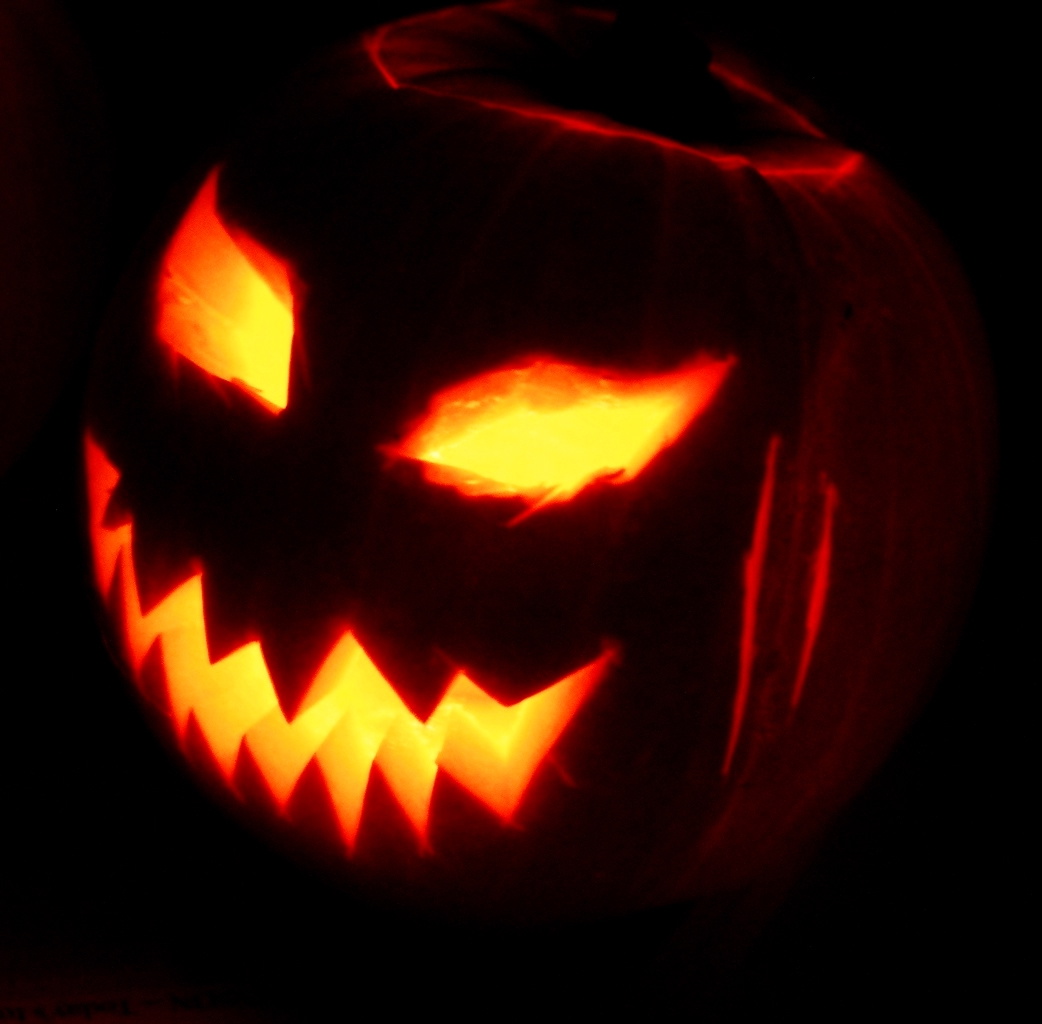 🇮🇪 Ireland and 5 moreHalloween
An annual observance on 31 October marking the eve of All Saints' Day, rooted in Christian tradition and Celtic heritageFestival · Sweets given and shared
🇮🇪 Ireland and 5 moreHalloween
An annual observance on 31 October marking the eve of All Saints' Day, rooted in Christian tradition and Celtic heritageFestival · Sweets given and shared
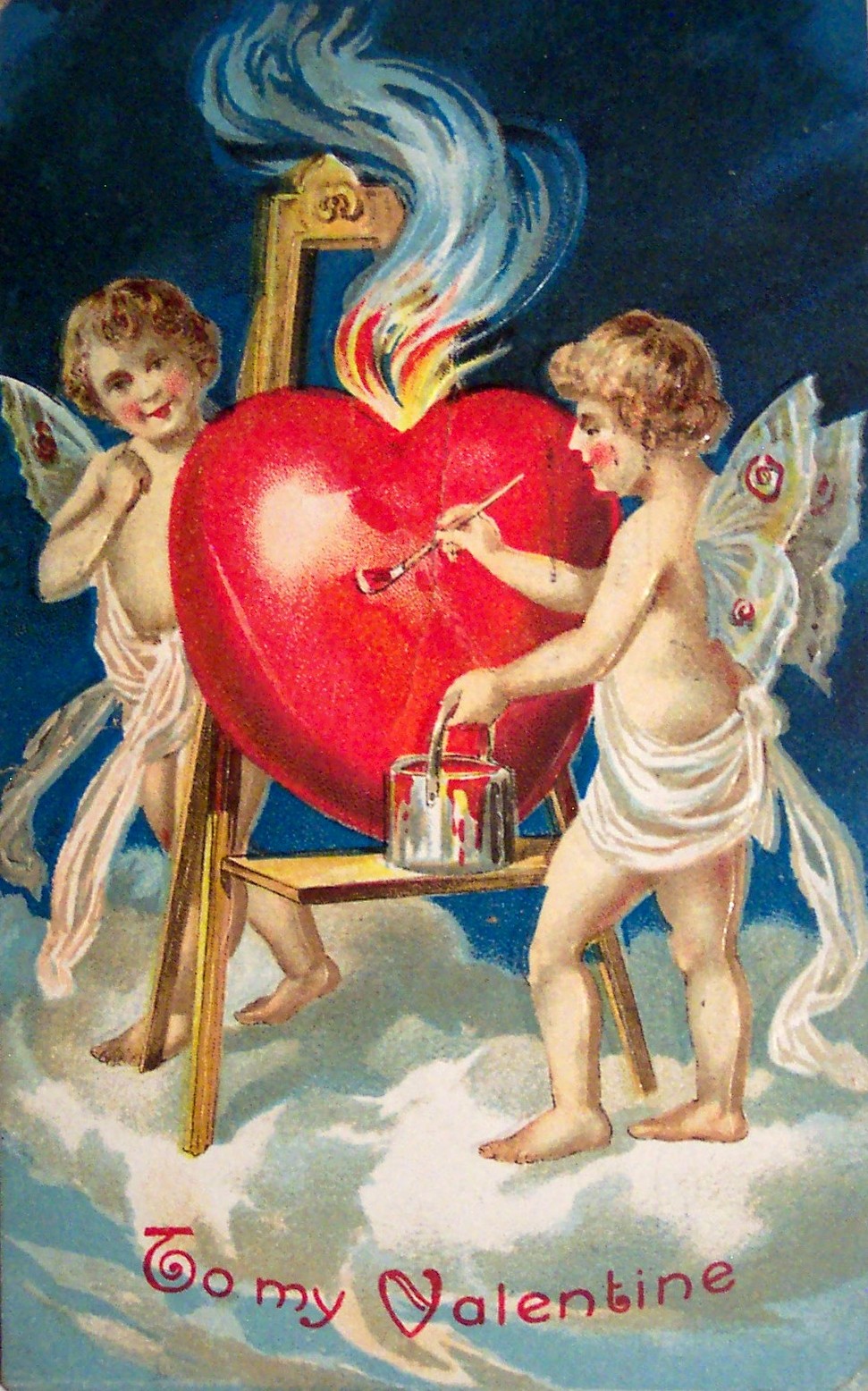 🇮🇹 Rome, Italy and 4 moreValentine's Day
A Christian feast day and cultural celebration of love kept on February 14 in many countries.Festival
🇮🇹 Rome, Italy and 4 moreValentine's Day
A Christian feast day and cultural celebration of love kept on February 14 in many countries.Festival
 🇹🇷 Turkey and 5 moreEid al-Fitrعيد الفطر
The feast that ends Ramadan, opened with morning prayers, sweets and visits homeFestival · Feasts and festival meals
🇹🇷 Turkey and 5 moreEid al-Fitrعيد الفطر
The feast that ends Ramadan, opened with morning prayers, sweets and visits homeFestival · Feasts and festival meals