Festivals and celebrationsSub-Saharan AfricaIndigenous and traditional
Nyang Nyang Festival
In its own language: Nyan-Nyang
A four-month Bamileke harvest festival and initiation rite in western Cameroon

The Nyang Nyang Festival is a four-month celebration held every two years in Bafoussam, Cameroon. Organized by the Fussep and Baleng communities, it blends sacred male initiations with thirteen weeks of dances, royal customs, and harvest celebrations.
When is Nyang Nyang Festival kept?
Nyang Nyang Festival is kept every two years from November to February.
The Nyang Nyang Festival is a four-month gathering observed every two years by the Fussep and Baleng peoples in western Cameroon. Coinciding with the crop harvest, this extended carnival welcomes thousands of people to Bafoussam. It centers on rites of passage that transition young men into recognized community warriors, accompanied by thirteen weeks of sacred dancing, royal assemblies, and spirited public festivities.
Roots and spiritual meaning
The festival stretches back more than eight centuries across more than 460 editions. Bamileke groups trace their wider lineage to Tikar migrants who moved from the Adamawa Plateau into the highland forests. In the Fussep tongue, Nyang Nyang translates to power or enchantment. The term also copies the calls of ravens, birds that frequently flew above women tending farm plots during harvest times. Through this shared name, the community honors both mystical authority and the natural agricultural cycles of their territory. Scheduled once every two years, the multi-month calendar runs from November into February, creating one of the longest continuous festival traditions on the African continent.
Rites of passage
At the center of the observance is the formal induction of boys and men into communal responsibilities. Candidates range from seven to fifteen years of age, though men up to forty-five join if they missed earlier editions. Once initiated, participants gain warrior status. Over several weeks, initiates coat themselves in soil, pigments, and natural mud while donning loincloths and ceremonial headpieces. They gather weekly for ritual dances that teach discipline, upright character, courage, and Fussep customs. These shared trials forge solidarity across generations, drawing thousands of participants from throughout Cameroon and abroad to take part in the forest rites.
Women and royal custom
Women hold vital roles during the long ceremonial period. The Queen Mothers, known locally as Mafo, guide several public events to maintain the spiritual continuity of the royal line. Special reverence is given to the Meku, mothers of twins or triplets, an event viewed as sacred in Fussep lore. In their worldview, multiple births represent an extraordinary blessing of divine energy. Contemporary editions have added modern social gatherings alongside traditional duties. These include marathon athletic races, concerts, craft markets, and a local pageant that selects Miss Nyang Nyang to honor the cultural contributions of young women.
The final celebration
The festival reaches its summit on the closing day with the sacred Koumdze dance, also known as the Kabem. Ceremonies begin with royal addresses and formal processions by the court queens. Ritual offerings are made to purify the community. As tam-tams beat rhythmically, freshly initiated young warriors emerge from the holy forest into public view. The reigning monarch and senior dignitaries then step into the royal palace courtyard without footwear. Dancing with bare feet against the ground affirms their physical and spiritual devotion to the ancestral soil that nourishes their people.
How Nyang Nyang Festival is kept
Spanning roughly four months between November and February, the festival moves through scheduled entry days called Shienku toward final exit days called Gossa Touopsa'a. Initiates undergo weeks of ritual education, masking, and body painting. Each week features a specific sacred dance that intensifies spiritually. The celebration concludes at the royal palace with court processions, the arrival of initiates from the sacred woods to tam-tam rhythms, and barefoot dances led by the king and tribal leaders.
When and where
The festival takes place every two years. It begins in November and runs through February, aligning closely with the local harvest season and agricultural cycles.
It is held in the city of Bafoussam, located in the West Region of Cameroon. Most key public ceremonies and dances take place at the Bafoussam Royal Palace.
What Nyang Nyang Festival means
The name reflects both the cry of ravens during harvest work and the concepts of magic and power. By having community leaders dance barefoot, the festival celebrates an unbroken link to ancestral earth. The initiation rites symbolize the transmission of bravery, respect, and tribal heritage to new generations of protectors.


Questions people ask about Nyang Nyang Festival
When is Nyang Nyang Festival kept?
Nyang Nyang Festival is kept every two years from November to February.
What is the Nyang Nyang Festival?
It is a biennial, four-month cultural carnival and initiation tradition practiced by the Fussep and Baleng peoples of western Cameroon. It combines youth rites of passage, sacred dances, and harvest celebrations.
Where and when does the festival take place?
The celebration occurs every two years in the city of Bafoussam, Cameroon. It begins in November and extends into February of the following year, centered around the royal palace.
Why do participants dance without shoes on the final day?
During the climactic Koumdze dance, the king and court notables dance barefoot in the palace courtyard. This physical contact with the earth symbolizes their enduring spiritual connection to ancestral land.
Who takes part in the initiation rites?
Young males between seven and fifteen years old form the main group of initiates, though older men up to forty-five can also join. Completing the rites confers warrior status in the community.
See also
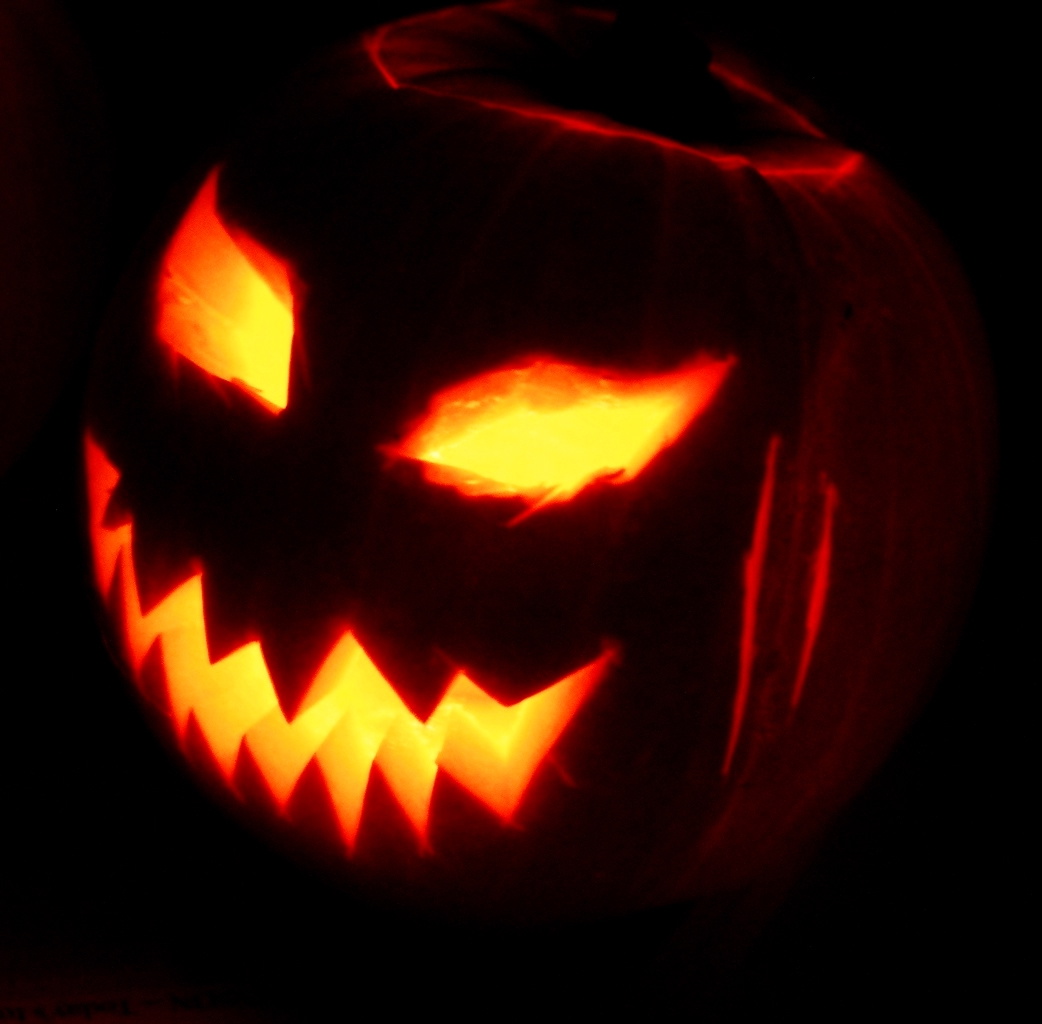 HalloweenAn annual observance on 31 October marking the eve of All Saints' Day, rooted in Christian tradition and Celtic heritage
 DiwaliA five-day festival of lights celebrated across India and its diaspora to mark the victory of light over darkness.
 Father's DayA day to honour fathers and fatherhood, kept on many different dates worldwide
 HanukkahAn eight-day Jewish festival marking the rededication of the Second Temple in Jerusalem and the miracle of a single day'
Good reading and sources
- Nyang Nyang Festival on WikipediaEncyclopedia
- More photos on Wikimedia CommonsPhotos and video
- Wikidata recordOpen data
The facts on this page come from the Wikipedia article "Nyang Nyang Festival", written by its contributors and used under the CC BY-SA 4.0 licence, and from its Wikidata record (CC0). EveryParampara rewrote the text in its own words, with AI assistance, and compares every page with the article to make sure no passage is copied. It may be reused under the same CC BY-SA 4.0 licence with a link back.
It may contain mistakes. Traditions differ from one family, village and community to the next, and the people who keep them know them best. If something is wrong, tell us. Last refreshed 2026-10-05.
More from Cameroon
All the traditions of Cameroon 🇳🇪 In-Gall, Niger and 2 moreGuérewol
A week-long courtship ritual where Wodaabe men dance and sing to win the attention of marriageable women.Festival
🇳🇪 In-Gall, Niger and 2 moreGuérewol
A week-long courtship ritual where Wodaabe men dance and sing to win the attention of marriageable women.Festival
 🇨🇲 Douala, CameroonNgondo
An annual coastal water festival celebrated by the Sawa people in CameroonFestival
🇨🇲 Douala, CameroonNgondo
An annual coastal water festival celebrated by the Sawa people in CameroonFestival
 🇨🇲 Bangangté, CameroonMedumba Arts and Culture FestivalFestival des arts et de la culture medumba
A two-week biennial festival in Cameroon celebrating Medumba heritage and language.Festival
🇨🇲 Bangangté, CameroonMedumba Arts and Culture FestivalFestival des arts et de la culture medumba
A two-week biennial festival in Cameroon celebrating Medumba heritage and language.Festival
 🇳🇬 Nigeria and 1 moreOkpu Aguokpu agụ
A knitted wool cap from southeastern Nigeria, historically worn by warriors to display status and now used in ceremoniesDress
🇳🇬 Nigeria and 1 moreOkpu Aguokpu agụ
A knitted wool cap from southeastern Nigeria, historically worn by warriors to display status and now used in ceremoniesDress
The same idea elsewhere
Coming of age compared 🇵🇪 Cusco, Peru and 4 moreIntiinti (Quechua)
The Inca sun deity, honoured with temples, offerings and the June festival Inti RaymiSpiritual
🇵🇪 Cusco, Peru and 4 moreIntiinti (Quechua)
The Inca sun deity, honoured with temples, offerings and the June festival Inti RaymiSpiritual
 🇺🇸 United StatesMakahiki
A four-month Hawaiian new year season of peace, harvest gifts, feasts and gamesSeasonal · Feasts and festival meals
🇺🇸 United StatesMakahiki
A four-month Hawaiian new year season of peace, harvest gifts, feasts and gamesSeasonal · Feasts and festival meals
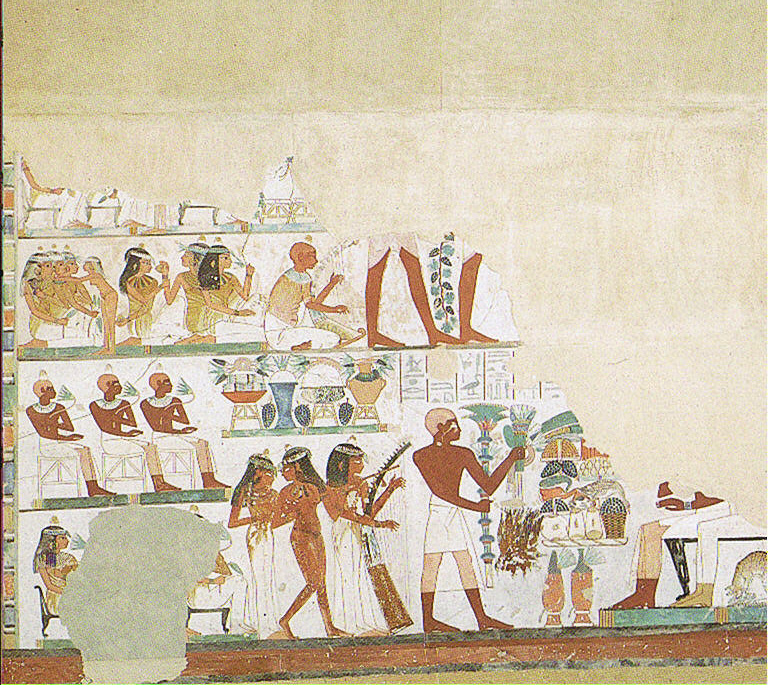 🇪🇬 Thebes, EgyptBeautiful Festival of the Valleyhb nfr n jnt
An ancient Egyptian festival honouring the dead with river processions across ThebesSpiritual
🇪🇬 Thebes, EgyptBeautiful Festival of the Valleyhb nfr n jnt
An ancient Egyptian festival honouring the dead with river processions across ThebesSpiritual
 🇨🇳 Beijing, ChinaHanfu漢服
The dress of the Han Chinese, named for the Han dynasty and worn again todayDress
🇨🇳 Beijing, ChinaHanfu漢服
The dress of the Han Chinese, named for the Han dynasty and worn again todayDress