Festivals and celebrationsSub-Saharan AfricaIndigenous and traditional
Ngondo
An annual coastal water festival celebrated by the Sawa people in Cameroon

Ngondo is an annual water festival celebrated by the Sawa coastal community in Douala, Cameroon. Held every December at Wouri Bay, it features sacred rites honoring water spirits known as miengu to bring good luck to worshippers.
When is Ngondo kept?
Ngondo is kept every year during the first two weeks of December.
Ngondo is a traditional festival celebrated each year by the Sawa coastal peoples of Cameroon. Centered on the waters of Douala, the gathering brings the community together to honour water spirits known as miengu. Participants seek good fortune and blessings through ritual communication with these sacred beings, keeping alive ancestral ties to the river and sea.
The water ceremony
The central event of Ngondo takes place along a beach at Wouri Bay. During this sacred jengu ceremony, a chosen devotee descends into the river to visit the underwater realm of the miengu spirits. According to local tradition, the practitioner can stay submerged for several hours and emerge onto the shore with clothes that remain entirely dry. The gathering observes strict customs regarding who may watch, and children are excluded from witnessing this deep-water ritual.
Spirits of the water
The festival revolves around reverence for the miengu, or jengu in the singular form. Sawa belief describes these aquatic beings as mermaid-like entities that dwell beneath the surface. Worshippers turn to them in search of good fortune, protection, and prosperity for the community. Engaging with these spirits through formal rites serves as a vital bridge between the living community and the spiritual powers believed to inhabit their coastal surroundings.
History and revival
The observance of Ngondo faced disruption in the late twentieth century when the government of Cameroon placed a ban on the festival in 1981. After a decade of absence, the authorities lifted the prohibition in 1991, allowing the Sawa people to restore their public cultural rites. Since its return, the festival has resumed its regular schedule in the opening weeks of December, serving once again as a key cultural focal point in Douala.
How Ngondo is kept
The festival brings Sawa communities together in Douala during early December. Its pivotal moment occurs on the shores of Wouri Bay during the jengu ritual. Adults gather by the beach while children stay away. A designated devotee enters the water to commune with the underwater spirits, staying beneath the waves for hours before returning to the beach without wet garments. Through this act, the community seeks good fortune from the miengu spirits.
When and where
Ngondo takes place every year during the first two weeks of December. The seasonal schedule marks the gathering of coastal peoples along the bay in Douala at the close of the calendar year.
The festival is held in Douala, Cameroon, within the Littoral region. The key rites take place on a beach along Wouri Bay, the ancestral waters of the coastal Sawa people.
What Ngondo means
For the Sawa people, the ceremony reflects a deep spiritual connection with aquatic spirits called miengu. These beings, believed to resemble mermaids, are seen as sources of fortune and blessing. The devotee's journey underwater and return dry symbolises the continued favor and goodwill of the water spirits towards their worshippers.


Questions people ask about Ngondo
When is Ngondo kept?
Ngondo is kept every year during the first two weeks of December.
What is Ngondo?
Ngondo is an annual water festival celebrated by the Sawa people in Douala, Cameroon. It centres on sacred ceremonies honoring the miengu, aquatic spirits believed to bring good luck.
Who are the miengu?
The miengu, or jengu in the singular, are water spirits believed by the Sawa to resemble mermaids. Devotees worship them during the festival in order to receive good fortune.
Who is allowed to attend the water ceremony?
The water ritual on Wouri Bay is attended by adult members of the community, but according to tradition, children are not permitted to attend the ceremony.
See also
 Mid-Autumn FestivalAn annual harvest festival celebrating family reunions, full moons and mooncakes
 Children's DayA Japanese holiday on May fifth celebrating the happiness and growth of children
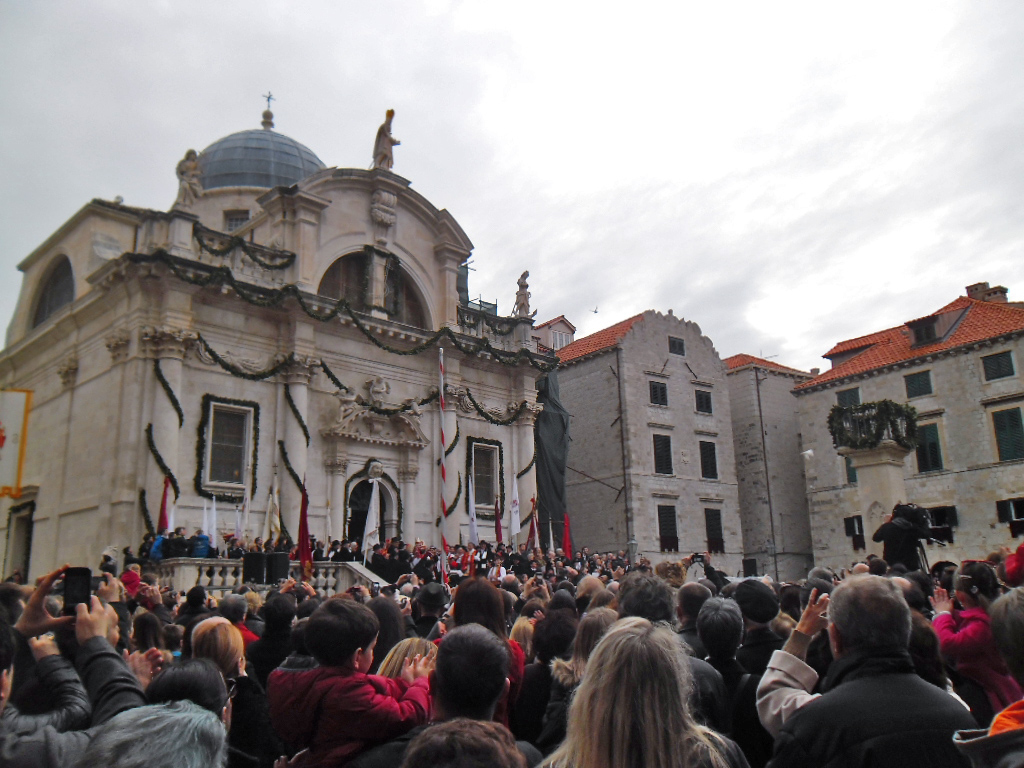 Festivity of Saint BlaiseAn annual patron saint festival in Dubrovnik with processions, relics and doves
 MimounaA Maghrebi Jewish celebration marking the end of Passover with sweets and open doors
Good reading and sources
- Ngondo on WikipediaEncyclopedia
- More photos on Wikimedia CommonsPhotos and video
- Wikidata recordOpen data
The facts on this page come from the Wikipedia article "Ngondo", written by its contributors and used under the CC BY-SA 4.0 licence, and from its Wikidata record (CC0). EveryParampara rewrote the text in its own words, with AI assistance, and compares every page with the article to make sure no passage is copied. It may be reused under the same CC BY-SA 4.0 licence with a link back.
It may contain mistakes. Traditions differ from one family, village and community to the next, and the people who keep them know them best. If something is wrong, tell us. Last refreshed 2026-10-04.
More from Cameroon
All the traditions of Cameroon 🇳🇪 In-Gall, Niger and 2 moreGuérewol
A week-long courtship ritual where Wodaabe men dance and sing to win the attention of marriageable women.Festival
🇳🇪 In-Gall, Niger and 2 moreGuérewol
A week-long courtship ritual where Wodaabe men dance and sing to win the attention of marriageable women.Festival
 🇨🇲 Bafoussam, CameroonNyang Nyang FestivalNyan-Nyang
A four-month Bamileke harvest festival and initiation rite in western CameroonFestival
🇨🇲 Bafoussam, CameroonNyang Nyang FestivalNyan-Nyang
A four-month Bamileke harvest festival and initiation rite in western CameroonFestival
 🇨🇲 Bangangté, CameroonMedumba Arts and Culture FestivalFestival des arts et de la culture medumba
A two-week biennial festival in Cameroon celebrating Medumba heritage and language.Festival
🇨🇮 Abidjan, Ivory Coast and 3 moreZouglou
A dance-led music style from Ivory Coast, sung in street slang and local languagesPerformance
🇨🇲 Bangangté, CameroonMedumba Arts and Culture FestivalFestival des arts et de la culture medumba
A two-week biennial festival in Cameroon celebrating Medumba heritage and language.Festival
🇨🇮 Abidjan, Ivory Coast and 3 moreZouglou
A dance-led music style from Ivory Coast, sung in street slang and local languagesPerformance
The same idea elsewhere
Healing, luck and protection compared 🇩🇪 Germany and 5 moreChristmas tree
A decorated evergreen or artificial tree placed indoors to mark the Christmas season.Festival
🇩🇪 Germany and 5 moreChristmas tree
A decorated evergreen or artificial tree placed indoors to mark the Christmas season.Festival
 🇫🇷 France and 5 moreCandlemas
A Christian feast of candle blessings marking the end of the Christmas seasonSpiritual
🇫🇷 France and 5 moreCandlemas
A Christian feast of candle blessings marking the end of the Christmas seasonSpiritual
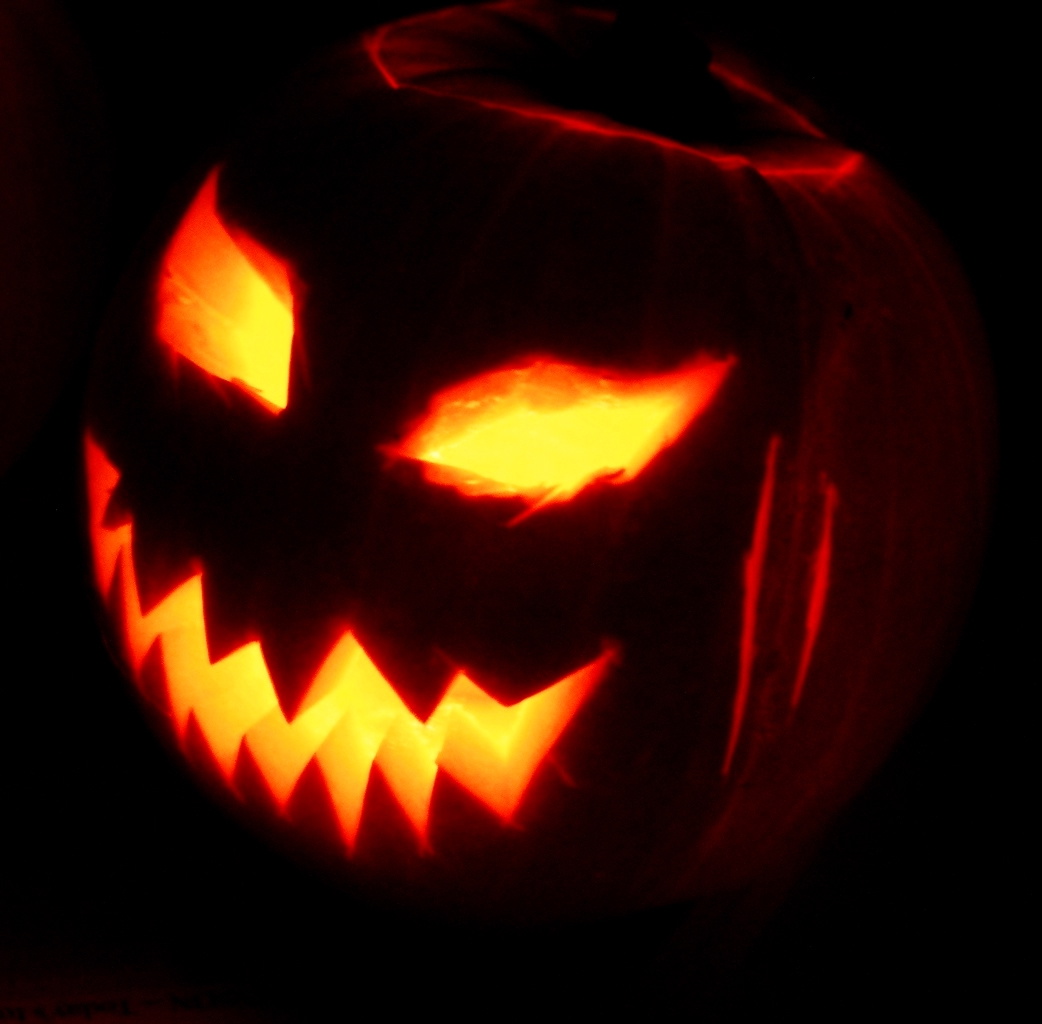 🇮🇪 Ireland and 2 moreJack-o'-lantern
A carved pumpkin lantern lit with a candle to brighten and protect Halloween nightsFolklore
🇮🇪 Ireland and 2 moreJack-o'-lantern
A carved pumpkin lantern lit with a candle to brighten and protect Halloween nightsFolklore
 🇺🇸 United States and 4 moreFriday the 13th
A Western folk superstition regarding the unluckiness of a Friday falling on the 13th.Folklore
🇺🇸 United States and 4 moreFriday the 13th
A Western folk superstition regarding the unluckiness of a Friday falling on the 13th.Folklore