Mongolian calligraphy
In its own language: Монгол уран бичлэг
Artistic handwriting of the traditional Mongolian script, passed from mentor to student

Mongolian calligraphy is the art of writing the Mongolian language by hand in the traditional Mongolian script. Everyday Mongolian is written in Cyrillic, adopted in the Communist period, so the two scripts differ. Only a few teachers pass the skill on, and in 2013 UNESCO named the practice as heritage at risk.
Mongolian calligraphy is the art of writing the Mongolian language by hand in the traditional Mongolian script, not the Cyrillic alphabet that Mongolia adopted in the Communist era. A mentor picks the most promising students and trains them for years. Only a small number of calligraphers work today, and in 2013 UNESCO flagged the practice as one that could be lost.
What it is
Mongolian calligraphy means writing Mongolian as an art rather than only as a record. The script it uses is the traditional Mongolian script. Daily writing in Mongolia, by contrast, runs on Cyrillic, which came in during the Communist years, so the calligrapher's hand keeps an older system of letters alive. The practice is passed on between individuals rather than taught widely, and in 2013 UNESCO added it to a register of cultural practices facing serious risk. That international recognition sits alongside national recognition in China, given a year later.
Mentors and students
Traditionally a teacher looks out for the strongest pupils and takes them on as apprentices. The training runs five to eight years, and it does not finish there: mentor and student are said to be tied to each other for life, each continuing to push the other's writing forward. Today that chain of teaching is thin. Three scholars, all in middle age, teach without payment, and the group they train amounts to a little more than twenty young calligraphers. Numbers like these are why the practice is described as being at risk.
Pens, ink and surfaces
A reed pen was the writer's first tool here, and it held that place for centuries. In the 18th century the brush arrived from China and took over, and pens of reed stopped being the norm. Other materials were used for pens as well: bamboo and other woods, bone, bronze and iron. Ink came in black or in cinnabar red. Writers put it on paper, on birch bark, on cloth woven from silk or cotton, and on plates made of wood or silver. The record of these implements shows what writers had in hand at different periods.
Recognition and decline
In 2013 UNESCO placed the practice on a register of living heritage that it considers endangered. A year later, China entered Mongolian calligraphy in a national heritage list, in that scheme's fourth round. Both steps point to the same worry. Social transformation, urbanisation and globalisation have cut the number of young people taking up the art, according to the article. With fewer students there will be fewer teachers in time, which is the concern behind these listings.
How Mongolian calligraphy is kept
The practice is carried by a very small circle. Three scholars in middle age teach it, and a little over twenty young calligraphers make up their students. A mentor starts by selecting the pupils judged most able, then guides them through five to eight years of training. After that the tie continues: the two are said to stay in touch and to keep spurring each other on. The writing itself is done by hand in the traditional script, using a pen or brush and ink on paper or another surface. There is no ceremony and no set day; the craft simply passes from one person to the next.
When and where
No season or date governs the practice; it runs through the year. The dates attached to it are modern. UNESCO acted in 2013, and China's national listing came in 2014. Otherwise calligraphy is simply taught and practised when teacher and student can meet.
Mongolia is its home, and the tradition there keeps the old script in use alongside the Cyrillic alphabet of everyday life. The teachers and students described all work in that setting. China's national listing of Mongolian calligraphy in 2014 shows the practice also has a place among calligraphers in China.
What Mongolian calligraphy means
The point of the practice, for those who keep it, is continuity. Writing the traditional script by hand holds on to a way of setting down Mongolian words that Cyrillic does not carry forward. The bond between mentor and student is part of that: the two are said to stay connected for life and to keep encouraging one another's work. The heritage listings mark both honour and alarm, since they recognise the art and warn how few now practise it.


Questions people ask about Mongolian calligraphy
What is Mongolian calligraphy?
It is the art of writing the Mongolian language by hand in the traditional Mongolian script. Daily writing in Mongolia uses Cyrillic, which arrived in the Communist period, so calligraphy keeps the older script going as an artistic practice.
Where is it kept?
Mongolia is where the tradition belongs, and China also recognises it: Mongolian calligraphy went onto a national heritage list there in 2014. Today a tiny group keeps it going, with three scholars teaching a little more than twenty young calligraphers.
How long does the training take?
A mentor chooses the students thought most capable and works with them for five to eight years. The link does not end then. Teacher and student are said to remain bound to each other for life, each continuing to encourage the other's writing.
Why is the practice at risk?
Very few young people take it up. Social transformation, urbanisation and globalisation are named as the reasons for the drop. In 2013 UNESCO placed Mongolian calligraphy on a register of living heritage considered endangered.
What tools does a calligrapher use?
The reed pen came first; the brush replaced it in the 18th century, brought by Chinese influence. Pens have also been shaped from bamboo and other woods, from bone, bronze and iron. Ink is black or a red made from cinnabar, and writing surfaces include paper, birch bark, silk and cotton textiles, and plates of wood or silver.
See also
 Shell moneyTraditional currency made from cowries, ground clam beads, and carved sea shells
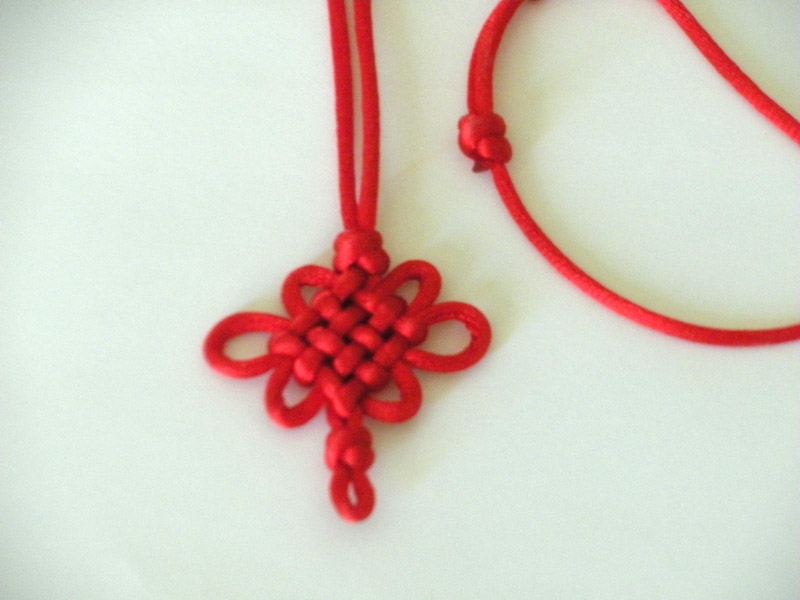 Chinese knottingA folk craft of cord tied into lucky shapes, made in China and given as charms
 CeladonGreen-glazed pottery first made in China, valued for colours that echo jade
 BarkclothCloth beaten from tree bark across Africa, Asia and the Pacific
Good reading and sources
- Mongolian calligraphy on WikipediaEncyclopedia
- More photos on Wikimedia CommonsPhotos and video
- Wikidata recordOpen data
The facts on this page come from the Wikipedia article "Mongolian calligraphy", written by its contributors and used under the CC BY-SA 4.0 licence, and from its Wikidata record (CC0). EveryParampara rewrote the text in its own words, with AI assistance, and compares every page with the article to make sure no passage is copied. It may be reused under the same CC BY-SA 4.0 licence with a link back.
It may contain mistakes. Traditions differ from one family, village and community to the next, and the people who keep them know them best. If something is wrong, tell us. Last refreshed 2026-10-11.
More from Mongolia
All the traditions of Mongolia 🇰🇬 Kyrgyzstan and 2 moreAla kiyizала кийиз
Patterned felt carpets pressed by hand for the tents of Central Asian herdersCraft
🇰🇬 Kyrgyzstan and 2 moreAla kiyizала кийиз
Patterned felt carpets pressed by hand for the tents of Central Asian herdersCraft
 🇲🇳 Ölgii, Mongolia and 3 moreHunting with eagles
The Central Asian tradition of hunting foxes and hares from horseback with golden eagles.Game
🇲🇳 Ölgii, Mongolia and 3 moreHunting with eagles
The Central Asian tradition of hunting foxes and hares from horseback with golden eagles.Game
 🇲🇳 Ulaanbaatar, Mongolia and 2 moreMongolian wrestlingBökh
A traditional folk wrestling style of the Mongols, kept as a central part of Naadam festivals across Mongolia and neighbGame
🇲🇳 Ulaanbaatar, Mongolia and 2 moreMongolian wrestlingBökh
A traditional folk wrestling style of the Mongols, kept as a central part of Naadam festivals across Mongolia and neighbGame
 🇲🇳 Ulaanbaatar, Mongolia and 1 moreShagaiшагай
Traditional ankle bone games and fortune-telling played across Central Asia.Game
🇲🇳 Ulaanbaatar, Mongolia and 1 moreShagaiшагай
Traditional ankle bone games and fortune-telling played across Central Asia.Game
The same idea elsewhere
All of this kind 🇮🇷 Shiraz, Iran and 1 moreKhatamخاتم
A Persian inlay craft that builds geometric patterns from thousands of tiny cut piecesCraft
🇮🇷 Shiraz, Iran and 1 moreKhatamخاتم
A Persian inlay craft that builds geometric patterns from thousands of tiny cut piecesCraft
 🇮🇪 Galway, Ireland and 1 moreBrigid's crossCros Bhríde
A cross of woven rushes or straw, made for Saint Brigid's Day on the first of FebruaryCraft
🇮🇪 Galway, Ireland and 1 moreBrigid's crossCros Bhríde
A cross of woven rushes or straw, made for Saint Brigid's Day on the first of FebruaryCraft
 🇦🇺 AustraliaBark painting
Ochre pictures on flattened tree bark, an Aboriginal art form of northern AustraliaCraft
🇦🇺 AustraliaBark painting
Ochre pictures on flattened tree bark, an Aboriginal art form of northern AustraliaCraft
 🇺🇸 United States and 1 moreDreamcatcherᐊᓴᐱᑫᔒᓐᐦ (asabikeshiinh)
A hand-woven hoop from Anishinaabe tradition, hung above a cradle to protect a childCraft
🇺🇸 United States and 1 moreDreamcatcherᐊᓴᐱᑫᔒᓐᐦ (asabikeshiinh)
A hand-woven hoop from Anishinaabe tradition, hung above a cradle to protect a childCraft