Mughal clothing
Court dress of the Mughal Empire in silk, muslin and velvet, worn with jewels

The dress of the Mughal Empire, which covered much of the Indian subcontinent from the sixteenth to the eighteenth century. Men wore the jama coat, a waistband, trousers and a turban; women wore shalwar, churidar, gharara and other garments. Both wore jewellery, and jewelled turban ornaments were the emperor's alone.
When is Mughal clothing kept?
Mughal clothing is kept on worn through the years of the Mughal Empire, the sixteenth to the eighteenth century.
Mughal clothing is the dress of the people of the Mughal Empire, a state that covered much of the Indian subcontinent between the sixteenth and eighteenth centuries. Court and household alike used fine cloth, jewellery and careful tailoring to show rank and occasion. Men wore coats and turbans, women layered vests and trousers or skirts over tight bodices, and the emperor alone was allowed to set his turban with jewels.
What the dress was
Mughal clothing is the dress worn by people living under the Mughal Empire, a multi-faith, multi-ethnic state that lasted through the sixteenth, seventeenth and eighteenth centuries. Long before the Mughals reached the Indian subcontinent, many of the same garments were already in use there. What marked the style was expense and detail: muslin, silk, velvet and brocade, and patterns of dots, checks and waves. Dyes included cochineal and sulfates of iron, copper and antimony. Clothes were layered, and they changed with the weather, the court calendar and the wearer's rank. Men and women both wore a good deal of jewellery.
Men at court
A man's dress turned on the jama, a coat overlapping at the front that fell to the knee or lower, drawn in at the waist by a cummerbund and worn over paijama trousers. In Persian the word jama covers a robe, gown or coat. The yaktahi jama came from Persia and Central Asia, where it was worn long or short over pai-jama in an outfit called Bast Agag. Akbar changed the shape of the coat, taking out the slits, rounding the hem and giving the skirt more fullness. Courtiers wore the same coat whether they were Hindu or Muslim; Hindus fastened theirs on the left, Muslims on the right. His wardrobe also held the angrakha, the peshwaz and the takauchiya.
Turbans, caps and shoes
Headwear was varied. Akbar set the fashion for a turban wrapped straight on the head with no cap beneath, gathered tightly at the front and rising to a bulge at the back, kept in place by a band of different cloth. Caps came in many cuts: the chau-goshia of four joined segments, the domed qubbedar, and others called kashiti, dupalli, nukka dar and mandil, some embroidered and one of velvet. Women's headwear included silk Karakul and boqta hats trimmed with jewels, a feathered pin and veils. Shoes and slippers mostly turned up at the toe. The jhuti was the shoe most visitors to Akbar's court wore, and Lucknow was known for its footwear and for gold and silver embroidery.
Women's dress
In the early empire, women of the court lived in purdah and followed the dress of Khurasan and Persia. Under Babur and Humayun, a noblewoman's outfit began with wide, loose trousers, plain or striped, and a loose top tied at the neck or cut in a V. The yalek was a close-fitting vest reaching almost to the floor, buttoned down the front. When Rajput princesses entered the household in Akbar's reign, Indian dress came into court, and wives and consorts began to dress alike whatever their religion. Muslim women preferred trousers, Hindu women a skirt, and the peshwaz was worn over the top. Pearls and jewels trimmed the drawstrings.
Jewels and making
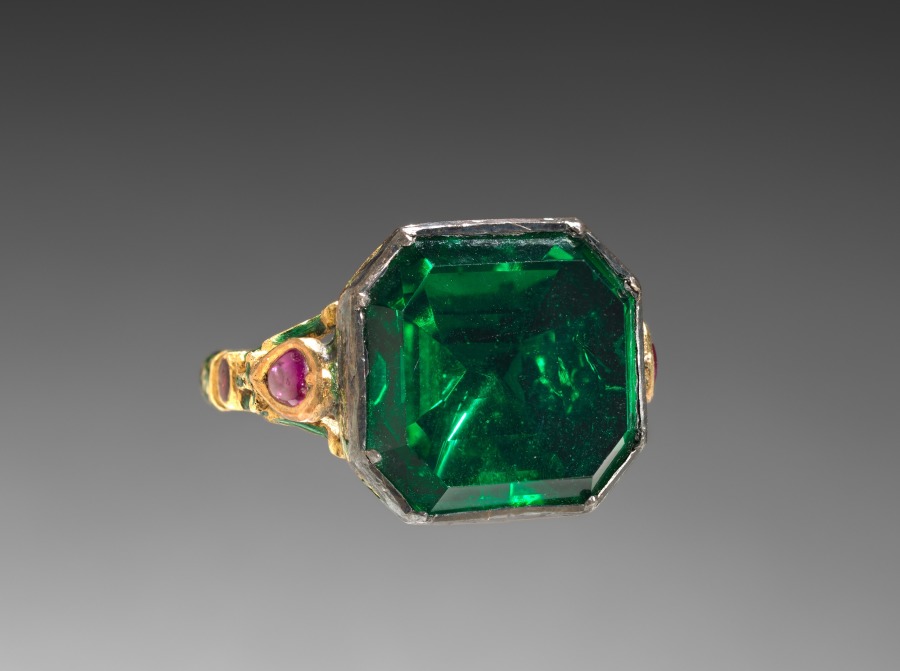
Jewellery was part of daily life for men, women and even the emperor's horse. Chronicles and paintings show armlets above the elbow, bracelets and pearl strings stacked at the wrist, rings, and ornaments set in the hair in the shape of a star, sun, moon or flower. A woman might own eight complete sets. Turban ornaments were different: only the emperor, his nearest kin and a few chosen people could wear them, and over time such pieces took the general name sarpech. Jahangir's portraits show a softer plume, weighed down by a large pearl; Shah Jahan's kalgi was built from gems set in gold over enamel. Jewellery-making, shoe-making and embroidery were skilled trades, and designs multiplied as the empire grew.
How Mughal clothing is kept
A man began with paijama trousers, drew the jama over them, and girded it with a waistband or cummerbund; a pagri turban finished the look, with shoes turning up at the toe for court. A woman's layers could include a tight bodice, a peshwaz above it, and trousers or a skirt below, with the front opening and drawstrings trimmed in gold, pearls and jewels. In the zenana an outfit might be worn once and then given away. Jewellery went on last: armlets, bracelets, rings, ear and nose pieces, and for the emperor a jewelled turban ornament.
When and where
Mughal dress belongs to the years of the empire, the sixteenth to the eighteenth century, and many of its parts were worn in the subcontinent for centuries before that. It is not tied to one date or season. Clothes changed with the day, the court calendar and the weather, and in the zenana several changes might happen in a single day.
It was worn across the Mughal Empire, whose heartland lay in the Indian subcontinent. Lucknow was noted in the period for shoes and for embroidery worked in gold and silver. Muslim and Hindu wearers at court shared the same garments with small differences, and Rajput influence grew as princesses joined the imperial household.
What Mughal clothing means
Cloth signalled standing. Fine cotton, silk, wool, velvet and brocade were for those who could afford them, and the thinnest garments might weigh less than an ounce. Jewels marked rank as well as beauty, and one ornament, the jewelled turban piece, belonged to the emperor, his close kin and a chosen few of his household. The empire's dress also shows a slow turn from Central Asian custom toward Indian life, as Akbar took up Indian garments and fabrics.


Questions people ask about Mughal clothing
When is Mughal clothing kept?
Mughal clothing is kept on worn through the years of the Mughal Empire, the sixteenth to the eighteenth century.
What is Mughal clothing?
It is the dress worn by people of the Mughal Empire, which held much of the Indian subcontinent from the sixteenth to the eighteenth century. Men wore the jama coat, waistband, trousers and turban; women wore garments such as shalwar, churidar and gharara. Both wore jewellery, and fine cloth was common.
Where was it worn?
Across the Mughal Empire, with its main home in the Indian subcontinent. Lucknow was known for its shoes and for gold and silver embroidery. Persian and Central Asian styles were part of the story from early on, and Rajput and other Indian influences entered the court later.
What kinds of shoes belonged to it?
Shoes and slippers usually curled up at the front. The jhuti, Persian in style, was common at Akbar's court; the mojari was woven with gold and silver thread and set with jewels; the kafsh, charhvan, salim shahi and khurd nau were other types. Flat juttis did not tell left from right foot.
Was jewellery part of the dress?
Yes. Men and women both wore it, and it could even be worn by the emperor's horse. Armlets, stacked bracelets, rings, ear ornaments and nose ornaments appear in paintings and chronicles. Women might own eight full sets. Jewelled turban ornaments, however, were reserved for the emperor and a few others.
See also
 Dhaka topiA patterned cotton cap worn across Nepal as part of the national dress
 TurbanCloth wound around the head, worn for faith, rank, shade and identity
 SherwaniA long buttoned coat for men, worn at weddings and state occasions in South Asia
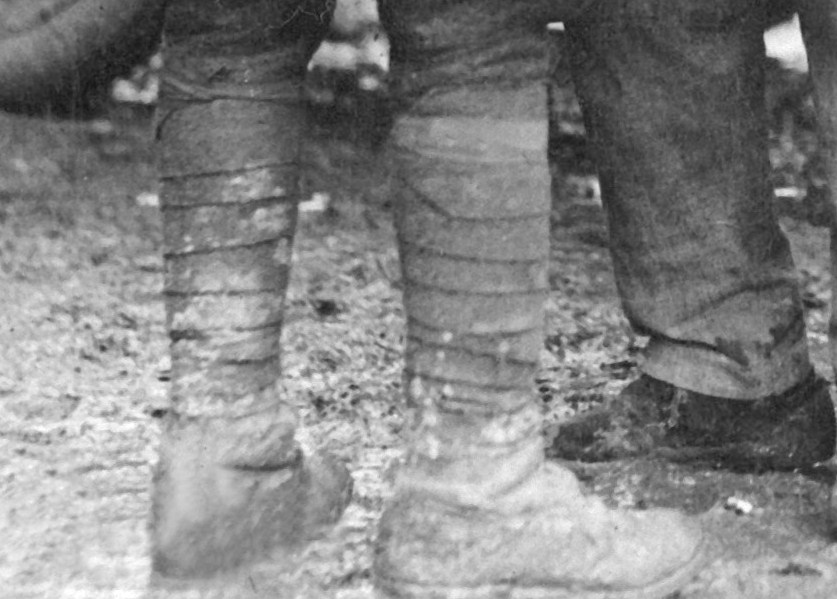 PutteeA cloth leg wrap worn by soldiers, from the Himalayas to the armies of two world wars
Good reading and sources
The facts on this page come from the Wikipedia article "Mughal clothing", written by its contributors and used under the CC BY-SA 4.0 licence, and from its Wikidata record (CC0). EveryParampara rewrote the text in its own words, with AI assistance, and compares every page with the article to make sure no passage is copied. It may be reused under the same CC BY-SA 4.0 licence with a link back.
It may contain mistakes. Traditions differ from one family, village and community to the next, and the people who keep them know them best. If something is wrong, tell us. Last refreshed 2026-10-12.
More from India
All the traditions of India 🇮🇳 Srinagar, India and 3 morePashmina
Ultra-fine wool of Himalayan goats, hand-woven in Kashmir into shawls of rankDress
🇮🇳 Pune, India and 5 moreTurbanدولبند (dolband)
Cloth wound around the head, worn for faith, rank, shade and identityDress
🇮🇳 Lucknow, India and 3 moreSherwani
A long buttoned coat for men, worn at weddings and state occasions in South AsiaDress
🇳🇵 Nepal and 1 moreDhaka topiढाका टोपी
A patterned cotton cap worn across Nepal as part of the national dressDress
🇮🇳 Srinagar, India and 3 morePashmina
Ultra-fine wool of Himalayan goats, hand-woven in Kashmir into shawls of rankDress
🇮🇳 Pune, India and 5 moreTurbanدولبند (dolband)
Cloth wound around the head, worn for faith, rank, shade and identityDress
🇮🇳 Lucknow, India and 3 moreSherwani
A long buttoned coat for men, worn at weddings and state occasions in South AsiaDress
🇳🇵 Nepal and 1 moreDhaka topiढाका टोपी
A patterned cotton cap worn across Nepal as part of the national dressDress
The same idea elsewhere
Royalty and coronation compared 🇮🇱 IsraelRosh Hashanahרֹאשׁ הַשָּׁנָה
The Jewish New Year marked by shofar horn blasts, prayer and sweet foodsSpiritual
🇮🇱 IsraelRosh Hashanahרֹאשׁ הַשָּׁנָה
The Jewish New Year marked by shofar horn blasts, prayer and sweet foodsSpiritual
 🇵🇪 Cusco, Peru and 4 moreIntiinti (Quechua)
The Inca sun deity, honoured with temples, offerings and the June festival Inti RaymiSpiritual
🇹🇭 ThailandThai solar calendarปฏิทินสุริยคติไทย
The official solar calendar of Thailand, numbered in the Buddhist EraSeasonal
🇵🇪 Cusco, Peru and 4 moreIntiinti (Quechua)
The Inca sun deity, honoured with temples, offerings and the June festival Inti RaymiSpiritual
🇹🇭 ThailandThai solar calendarปฏิทินสุริยคติไทย
The official solar calendar of Thailand, numbered in the Buddhist EraSeasonal
 🇺🇸 United StatesTalking stick
A carved staff that shows who may speak at a Northwest Coast gatheringCeremony
🇺🇸 United StatesTalking stick
A carved staff that shows who may speak at a Northwest Coast gatheringCeremony