Life-cycle ritesSoutheast AsiaHindu
Ngerorod
A Balinese Hindu way of marrying, where a couple wed by their own choice
Ngerorod is one of the traditional marriage systems of Bali, described in the source as elopement. It lets a couple who have chosen each other marry by their own will when parents, relatives or the community object. Balinese customary law and Hindu religious law govern it, and Hindu practice accepts such a marriage as valid.
Ngerorod is a Balinese marriage custom that the source also calls elopement. A man and a woman who love each other and mean to share a home marry by their own decision, even when parents, family or the community stand against the match. It is the opening step of a marriage rather than the whole of it. Balinese customary law and Hindu religious law both govern it, and Hindu practice treats such a marriage as valid.
What it is
Ngerorod is a Balinese marriage custom. The source also gives it the English label elopement, meaning a couple marry without waiting for permission from those in authority over them. It is one of several traditional ways of marrying in Bali. What sets it apart is who begins it: the man and the woman themselves. They agree between them to build a household, and their own wish carries the step forward. The source calls ngerorod the first step of a marriage, not the whole ceremony, and says it is undertaken only by the will of the two people concerned.
Why couples take it
A ngerorod marriage usually begins with affection. Two people love each other and want to set up a home together. Something then blocks the ordinary path. Their parents may refuse, other relatives may object, or the wider community may disapprove. When that happens, the couple can still marry through ngerorod. The source presents it as a route open to people whose relationship is held back by family or society. The decision belongs to the pair themselves rather than to anyone standing over them.
Conditions to be met
The source sets out four conditions for a ngerorod marriage. Neither person may already be married. Neither may have a mental illness. Both must reach the age that Hindu law requires. And the two must not be close blood relatives of a kind that religious rules forbid to marry. Balinese customary law, Hindu religious law and local custom all speak to these requirements. They are the checks that must hold before the marriage goes ahead. Where they do, the couple may proceed by this route.
Law and faith
Ngerorod sits inside the legal and religious systems of Bali. The source says it is regulated by Balinese Customary Law and by Hindu Religious Law, and also through customary custom. Within Hinduism a marriage made this way is accepted as valid, so a couple who marry by ngerorod are not outside their faith's rules. That recognition carries weight, because ngerorod often happens where permission was refused. Religious acceptance gives the marriage standing among the people who keep these customs. The source treats the practice as an accepted part of Balinese Hindu marriage.
How Ngerorod is kept
Ngerorod starts with the two people themselves. A man and a woman who wish to marry decide together, since the source says the step rests on their own will and no one else's. The conditions are checked first: neither is already married, neither has a mental illness, both meet the age Hindu law sets, and the pair are not close blood relatives whose match religious rules forbid. Once those hold, they marry by this route. The source describes ngerorod as the first step of the marriage rather than its whole, and the marriage is valid under Hindu law.
When and where
Ngerorod belongs to Bali and to Balinese Hindus. The source ties it to the Hindu community and to Balinese customary law, so it is strongest on the island and among families who follow those customs. It is named as one of Bali's traditional marriage systems, kept alongside the other customary ways of marrying.
What Ngerorod means
Ngerorod places the couple's own choice at the centre of a marriage. Love and shared intent begin the household, and the source says the step rests on the will of the man and the woman alone. It also keeps the marriage within the community's rules: customary law and Hindu religious law regulate it, and Hindu practice accepts it as valid. For Balinese Hindus it carries standing and approval rather than shame, even when parents or community objected at the start.
Questions people ask about Ngerorod
What is ngerorod?
It is a Balinese marriage custom, one of the island's traditional marriage systems. The source also calls it elopement. A couple marry by their own wish, and the source describes this as the first step of the marriage. Balinese customary law and Hindu religious law both cover it.
When does a ngerorod marriage happen?
Usually when two people love each other and want to build a household, but parents, family or the community stand in the way. The couple then marry by their own decision. The source does not tie ngerorod to a season, a month or a fixed day.
Does Hinduism accept a ngerorod marriage?
Yes. The source says that within Hinduism a ngerorod marriage is looked on as valid. It is also regulated by Balinese Customary Law and Hindu Religious Law. A couple who marry this way are counted as married within their faith, even where family or community approval was missing.
What must be true before a couple marry this way?
Four things, according to the source. Neither person may already be married. Neither may have a mental illness. Both must meet the age set by Hindu law. And they must not be close blood relatives of a kind religious rules forbid. Where those hold, the marriage can go ahead.
Where is ngerorod kept?
In Bali, among Balinese Hindus. The source links it to the Hindu community and to Balinese customary law, and names it as one of Bali's traditional marriage systems. It is kept alongside the other customary ways of marrying on the island.
See also
 Tooth ablationA global custom of deliberately removing healthy teeth for social, ritual, or aesthetic reasons.
 Saber archA wedding custom where sabers form an arch for the couple to walk through.
 IkatA resist-dyeing craft from Southeast Asia, where yarns are tied and dyed before weaving
 KenduriA communal prayer meal and gathering shared across Indonesia, Malaysia and Brunei
Good reading and sources
The facts on this page come from the Wikipedia article "Ngerorod", written by its contributors and used under the CC BY-SA 4.0 licence, and from its Wikidata record (CC0). EveryParampara rewrote the text in its own words, with AI assistance, and compares every page with the article to make sure no passage is copied. It may be reused under the same CC BY-SA 4.0 licence with a link back.
It may contain mistakes. Traditions differ from one family, village and community to the next, and the people who keep them know them best. If something is wrong, tell us. Last refreshed 2026-10-09.
More from Indonesia
All the traditions of Indonesia
🇿🇦 Cape Town, South Africa and 5 moreTooth ablation
A global custom of deliberately removing healthy teeth for social, ritual, or aesthetic reasons.Rite of passage
🇺🇸 United States and 5 moreSaber arch
A wedding custom where sabers form an arch for the couple to walk through.Rite of passage
 🇮🇳 India and 5 moreTribal youth dormitoryMorung
A communal house where a tribe's unmarried young people sleep, learn and serveRite of passage
🇮🇳 India and 5 moreTribal youth dormitoryMorung
A communal house where a tribe's unmarried young people sleep, learn and serveRite of passage
 🇮🇩 Bali, IndonesiaNgaben
A Balinese Hindu cremation rite held to free the soul of the deadRite of passage
🇮🇩 Bali, IndonesiaNgaben
A Balinese Hindu cremation rite held to free the soul of the deadRite of passage
The same idea elsewhere
Weddings compared 🇳🇪 In-Gall, NigerCure Salée
A yearly gathering of Tuareg and Wodaabe nomads in In-Gall to mark the end of the rainy season.Festival
🇺🇬 UgandaKwanjula
A formal marriage introduction ritual of the Baganda people in Uganda, where families meet to exchange gifts and seek blRite of passage
🇳🇪 In-Gall, NigerCure Salée
A yearly gathering of Tuareg and Wodaabe nomads in In-Gall to mark the end of the rainy season.Festival
🇺🇬 UgandaKwanjula
A formal marriage introduction ritual of the Baganda people in Uganda, where families meet to exchange gifts and seek blRite of passage
 🇼🇸 Samoa and 1 moreʻIe tōga
Precious woven mats exchanged in Samoan ceremonies to honor family ties and chiefly status.Dress
🇼🇸 Samoa and 1 moreʻIe tōga
Precious woven mats exchanged in Samoan ceremonies to honor family ties and chiefly status.Dress
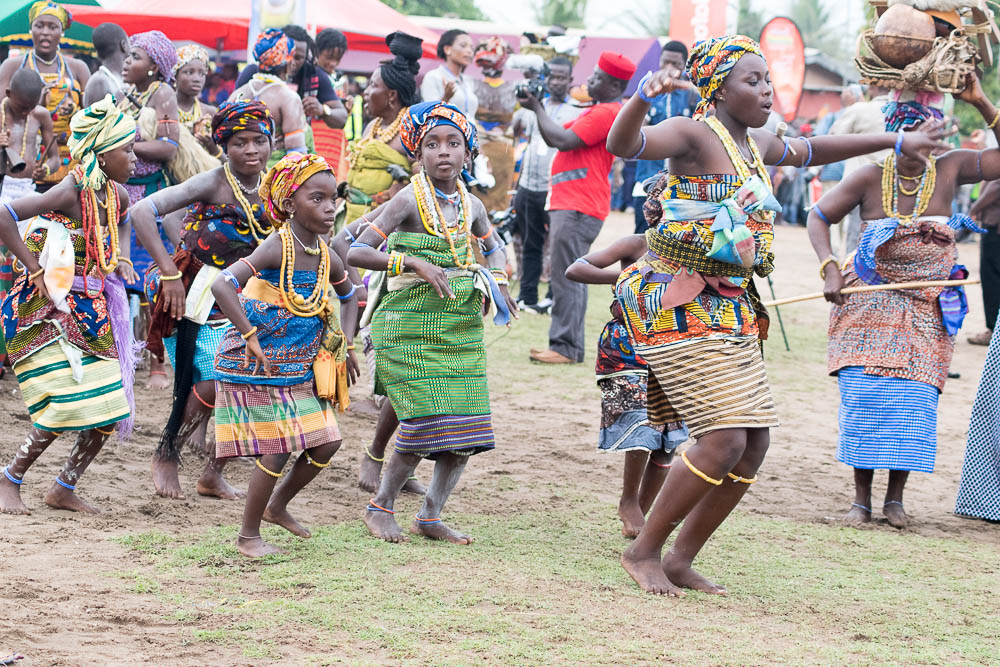 🇬🇭 Ghana and 2 moreAgbadza
An Ewe music and dance, born of war songs and kept for funerals, weddings and festivalsPerformance
🇬🇭 Ghana and 2 moreAgbadza
An Ewe music and dance, born of war songs and kept for funerals, weddings and festivalsPerformance