Spiritual and religiousSub-Saharan AfricaIndigenous and traditional
Nkisi
Spiritual vessels and figures crafted to channel ancestral power, healing and justice

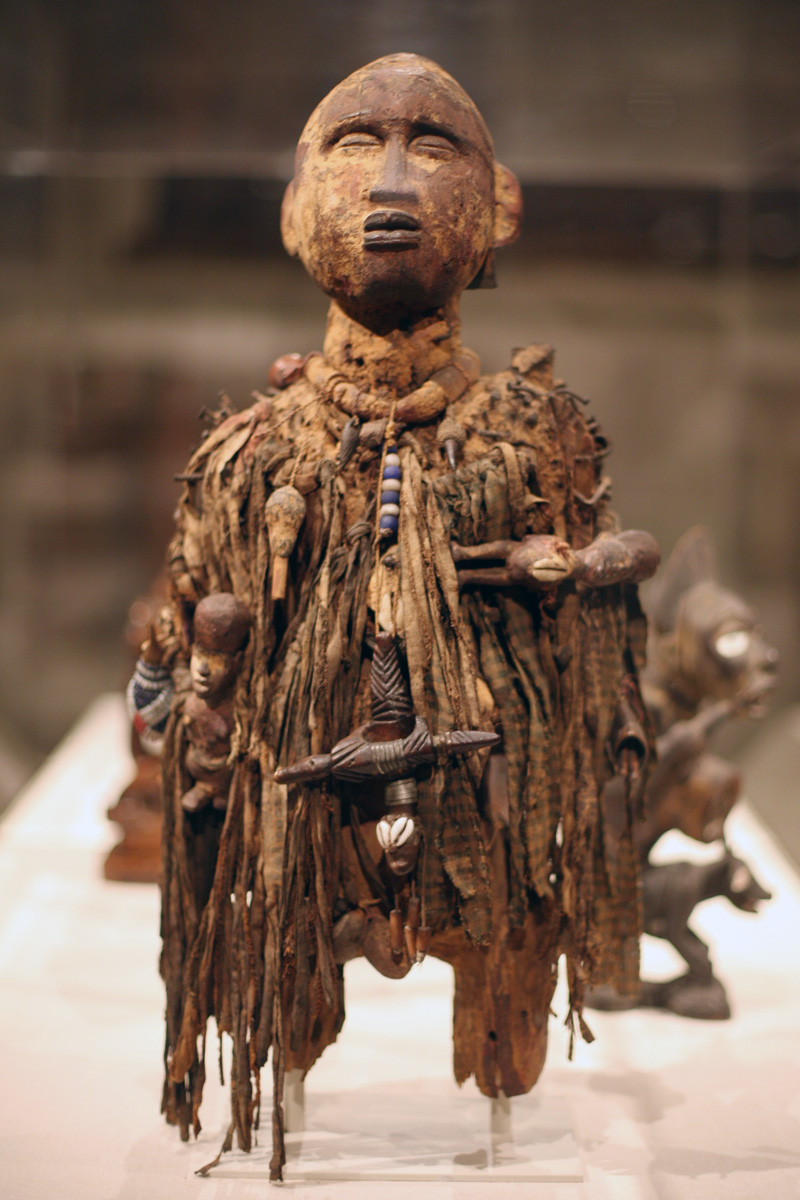
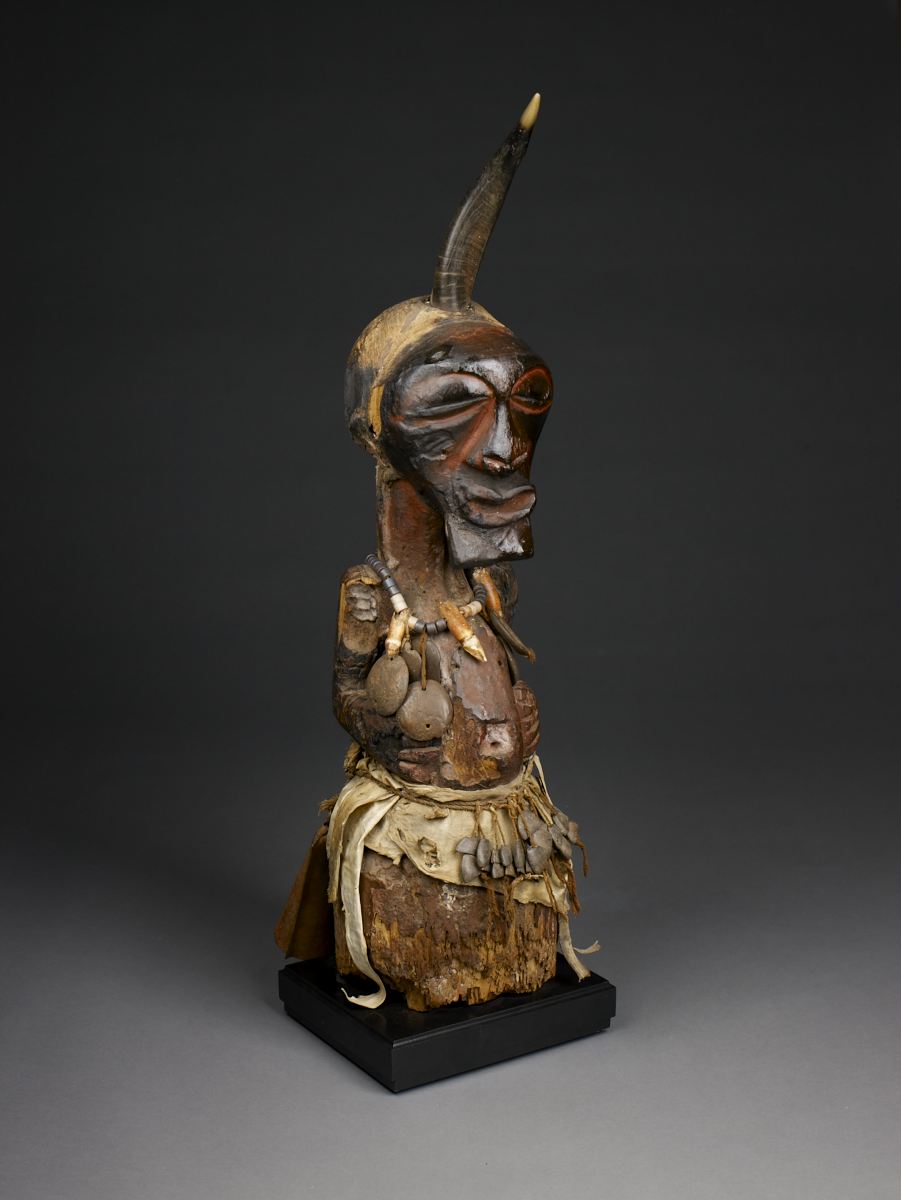
An nkisi is a sacred vessel or carved figure used in Central Africa to house spirits and direct the powers of the dead for healing, justice and protection. Spiritual experts known as banganga create and activate these objects for individuals or entire communities through dedicated rituals, medicines and vows.
When is Nkisi kept?
Nkisi is kept during times of illness, dispute resolution or ritual need.
In Kongo traditions, an nkisi is a spiritual entity as well as the physical object that shelters it. Practitioners turn to skilled mediators called banganga to craft these consecrated items, which range from clay pots and fabric bundles to carved wooden figures. People rely on them to cure ailments, guard against harmful witchcraft, seal solemn pacts and seek justice through direct communication with the ancestral realm.
Containers of spiritual force
A sacred specialist known as a nganga creates each nkisi to hold unseen forces. The container itself can take many shapes, including animal horns, ceramic pots, gourds, shells, wrapped cloth packets or sculpted wooden statues. Graves are also regarded as primal homes for spirits, so builders often embed earth or relics gathered from a burial ground into the container. These physical components link the item directly to the realm of the dead. The nganga then adds specific therapeutic substances, known as bilongo. Selected for their symbolic meaning, these elements might include charcoal, dried mushrooms, riverbed sediment, bird claws to seize offenders, or gunpowder to strike down malicious witchcraft.
Varieties and cosmic realms
Tradition divides these entities into two broad categories based on their cosmic connections. Upper entities belong to the sky, storms and lightning. Considered masculine and forceful, they govern communal justice, treaty enforcement and violent conflict, while also being linked to pains in the head, throat and chest. Lower entities connect with the soil and inland waters. Sculpted figures reflect diverse roles. Double-headed dog figures, called kozo, represent the ability of canines to see into both the daylight world of humans and the shadowy forest of the ancestors. Some statues appear serene and richly adorned to bring wisdom and prosperity, while others, known as npezo, present menacing faces to intimidate wrongdoers.
The aggressive nkondi
Among the most striking power figures are the nkondi, an assertive class designed to hunt lawbreakers and enforce solemn promises. When parties conclude an agreement or an oath is sworn, the participants hammer metal blades or nails into the wooden body. Every inserted nail represents a binding vow or an appeal to wipe out wrongdoing. Driving metal into the figure activates its spiritual duty to track down anyone who violates the pact. These statues frequently carry reflective glass or mirrors across their eyes and stomachs. Mirror surfaces serve as spiritual windows, allowing the entity to gaze into the unseen world to expose hidden misdeeds, cure illnesses or punish guilty individuals.
Colors and ritual meaning
The physical materials chosen to assemble an nkisi carry deep symbolic weight. White clay holds exceptional importance because it evokes the pale tone of the afterlife and stands for moral goodness, clarity and spiritual purity. In contrast, black elements represent danger, chaos and negativity. Red ochre serves as a bridge between these two states, signifying the active mediation between the living community and ancestral powers. While private household figures remain discreetly placed inside homes, larger community guardians stand watch over whole settlements, often resting in dedicated shelters during daylight. Whether seeking successful trade, relief from an illness or justice against theft, community members rely on these sacred works to maintain equilibrium.
How Nkisi is kept
When a person faces illness, witchcraft or a dispute, they consult a nganga. This practitioner prepares a suitable receptacle, adding charged ingredients like grave earth, minerals and plant matter to attract ancestral spirits. To seal an agreement, pursue an offender or activate healing, the specialist and the petitioner drive iron nails or blades into the figure. The nganga chants, performs divination and directs the spirit to carry out the required task, while communal figures are displayed to protect entire villages.
When and where
These rituals take place whenever an individual or a community needs guidance, healing or protection. There is no set annual calendar day. Instead, rites occur during times of illness, legal conflicts, treaty signings, hunting preparations or when seeking justice against offenders.
The practice developed across the Congo Basin in Central Africa, notably in the territory of Cabinda and the Kasai region. Related spiritual concepts also traveled across the Atlantic to the Americas through the transatlantic slave trade, influencing Afro-diasporic traditions like Candomblé.
What Nkisi means
Each material embedded in an nkisi reinforces its spiritual intent. White clay embodies moral integrity and the light of ancestral wisdom, while black represents spiritual danger. Mirror inserts symbolize the ability to gaze into the unseen spirit world. The metal pieces pounded into the surface mark sworn oaths, completed treaties and communal commitments to overcome social disorder and malicious magic.


Questions people ask about Nkisi
When is Nkisi kept?
Nkisi is kept during times of illness, dispute resolution or ritual need.
What is an nkisi?
An nkisi is a spirit or a sacred vessel created to house that spirit. Originating in Kongo spiritual practice in Central Africa, it is crafted by a ritual healer called a nganga to direct ancestral forces for healing, protection and justice.
Why are nails driven into these statues?
Driving nails or metal blades into a power figure awakens the resident spirit and seals a solemn oath. Each piece of inserted metal represents a signed treaty, a sworn vow or an active demand to punish wrongdoers and abolish evil.
Where is this tradition found?
This tradition belongs to Central Africa, especially across the Congo Basin, Cabinda and the Kasai region among Bakongo and Songye communities. Related concepts also crossed the Atlantic into the Americas through the slave trade.
Who creates and manages an nkisi?
A trained spiritual specialist known as a nganga creates and manages each nkisi. The nganga gathers symbolic ingredients, prepares the vessel and acts as an intermediary between the community and the spirits of the dead.
See also
 Eid al-FitrThe feast that ends Ramadan, opened with morning prayers, sweets and visits home
 SukkotA seven-day autumn Jewish festival of temporary booths, harvest prayers and hospitality
 CandlemasA Christian feast of candle blessings marking the end of the Christmas season
 St John's EveBonfires, feasting and worship on the short night before John the Baptist's feast
Good reading and sources
- Nkisi on WikipediaEncyclopedia
- More photos on Wikimedia CommonsPhotos and video
- Wikidata recordOpen data
The facts on this page come from the Wikipedia article "Nkisi", written by its contributors and used under the CC BY-SA 4.0 licence, and from its Wikidata record (CC0). EveryParampara rewrote the text in its own words, with AI assistance, and compares every page with the article to make sure no passage is copied. It may be reused under the same CC BY-SA 4.0 licence with a link back.
It may contain mistakes. Traditions differ from one family, village and community to the next, and the people who keep them know them best. If something is wrong, tell us. Last refreshed 2026-10-04.

The same idea elsewhere
Remembering the ancestors compared 🇮🇳 India and 4 moreWater lantern
Small lamps floated on water to honour the dead and ask for good fortuneFestival
🇮🇳 India and 4 moreWater lantern
Small lamps floated on water to honour the dead and ask for good fortuneFestival
 🇬🇪 Tbilisi, Georgia and 4 moreGeorgian polyphonic singing
Several voices at once, sung without instruments at Georgian feasts and weddingsPerformance
🇬🇪 Tbilisi, Georgia and 4 moreGeorgian polyphonic singing
Several voices at once, sung without instruments at Georgian feasts and weddingsPerformance
 🇮🇪 Ireland and 2 moreJack-o'-lantern
A carved pumpkin lantern lit with a candle to brighten and protect Halloween nightsFolklore
🇮🇪 Ireland and 2 moreJack-o'-lantern
A carved pumpkin lantern lit with a candle to brighten and protect Halloween nightsFolklore
 🇪🇬 Egypt and 5 moreTraditional tattooing
The ancient custom of marking the skin for protection, healing, status and sacred ritesDress
🇪🇬 Egypt and 5 moreTraditional tattooing
The ancient custom of marking the skin for protection, healing, status and sacred ritesDress