Music, dance and storytellingEast AsiaShinto, Taoist and folk Chinese
Nōgaku
In its own language: 能楽
A traditional Japanese theater form combining the lyric drama noh and the comic interludes kyōgen.

Nōgaku is a classical Japanese theatrical tradition that pairs the solemn, masked noh plays with the unmasked, humorous kyōgen scenes. Performers present these works in an alternating sequence, typically placing a kyōgen piece between two noh acts. The art form holds significant cultural weight in Japan and was recognized by UNESCO in 2008 for its intangible heritage value.
When is Nōgaku kept?
Nōgaku is kept on year-round performances at shrines and theaters.
Nōgaku represents one of the oldest surviving forms of theater in Japan. It blends two distinct performance styles into a single program. The serious, poetic noh drama alternates with the lively, spoken-word kyōgen comedy. This structure creates a balanced experience for audiences who appreciate both spiritual depth and human humor.
What it is
Nōgaku serves as a comprehensive label for two specific types of Japanese stagecraft. The first component is noh, which functions as a lyrical drama often involving masks and slow, stylized movement. The second part is kyōgen, known as mad words or comic theater. These two elements are not separate events but are woven together into a unified performance schedule. Historically, they were presented as a complete package rather than isolated shows.
How it is kept
Performers follow a strict structural order when presenting nōgaku to an audience. A day of performances typically begins with a kyōgen piece to warm up the crowd. This is followed by a noh play, which is then interrupted by another kyōgen interlude. The cycle continues until the main dramatic pieces are concluded. This alternating pattern keeps the audience engaged by balancing intense emotion with lighthearted relief.
Cultural impact
The techniques and storytelling methods used in nōgaku have shaped other major Japanese arts. Later forms of theater, such as bunraku puppetry and kabuki drama, drew inspiration from its conventions. The emphasis on precise movement, vocal delivery, and character archetypes established standards that influenced generations of artists. Its enduring legacy is evident in how modern Japanese performance still references these classical roots.
Global recognition
In 2008, UNESCO added Nōgaku theatre to the Representative List of the Intangible Cultural Heritage of Humanity. This designation highlights the art form's importance to global culture. Japan submitted the nomination to ensure the preservation of these traditional skills. The recognition helps support the training of new actors and the maintenance of historic venues where these performances continue today.
How Nōgaku is kept
Actors perform noh and kyōgen in an alternating sequence. A kyōgen comedy usually opens the program. Then a noh play follows. Another kyōgen piece interrupts the next noh act. This pattern continues throughout the day. Performers train rigorously in music, dance, and dialogue to maintain these ancient standards.
When and where
Performances occur year-round. Specific dates depend on shrine festivals or theater schedules. No fixed calendar month applies universally.
The tradition is strongest in Japan. Performances take place at Shinto shrines and dedicated theaters across the country.
What Nōgaku means
No specific symbolic meanings are detailed in the sources beyond the contrast between lyric drama and comedy.

Questions people ask about Nōgaku
When is Nōgaku kept?
Nōgaku is kept on year-round performances at shrines and theaters.
Where is Nōgaku kept?
Nōgaku belongs to the traditions of Japan.
Who keeps Nōgaku?
As our sources describe it, Nōgaku is kept by Japanese performers. Many other communities and families now share it too.
See also
 RakugoJapanese solo comic storytelling told from a cushion using a fan and a cloth
 IkebanaThe Japanese art of arranging cut branches and flowers in a vessel
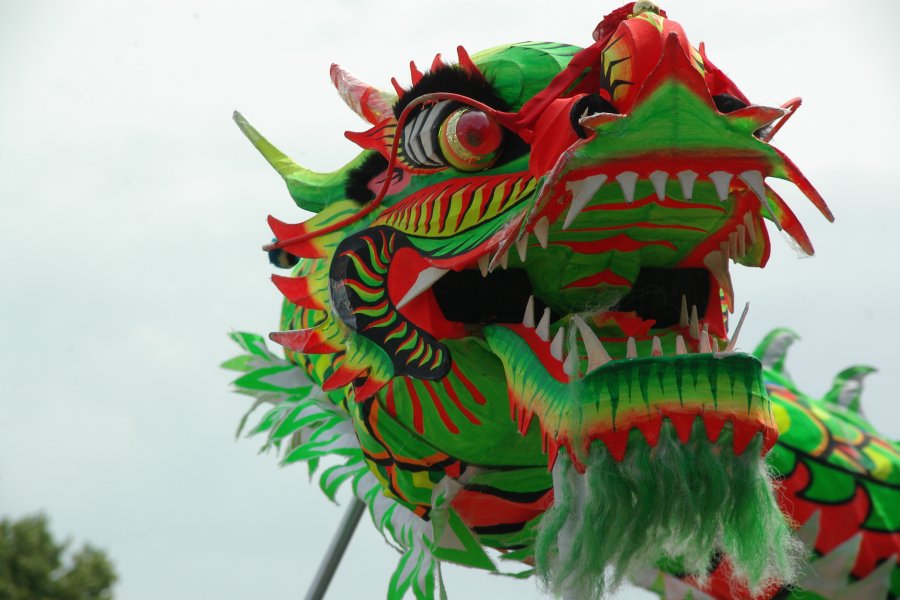 Dragon danceA long dragon puppet on poles, danced by a team at Chinese New Year and other festivals
 KyōgenA traditional Japanese comic theatre of short farces, spoken dialogue and satire
Good reading and sources
The facts on this page come from the Wikipedia article "Nōgaku", written by its contributors and used under the CC BY-SA 4.0 licence, and from its Wikidata record (CC0). EveryParampara rewrote the text in its own words, with AI assistance, and compares every page with the article to make sure no passage is copied. It may be reused under the same CC BY-SA 4.0 licence with a link back.
It may contain mistakes. Traditions differ from one family, village and community to the next, and the people who keep them know them best. If something is wrong, tell us. Last refreshed 2026-10-06.
More from Japan
All the traditions of Japan 🇨🇳 China and 5 moreLion dance舞獅
A dynamic ritual dance featuring costumed lions, drums and martial acrobaticsPerformance
🇯🇵 Kyoto, JapanKyōgen狂言
A traditional Japanese comic theatre of short farces, spoken dialogue and satirePerformance
🇯🇵 Tokyo, JapanRakugo落語
Japanese solo comic storytelling told from a cushion using a fan and a clothPerformance
🇨🇳 China and 3 moreDragon dance舞龍 / 舞龙
A long dragon puppet on poles, danced by a team at Chinese New Year and other festivalsPerformance
🇨🇳 China and 5 moreLion dance舞獅
A dynamic ritual dance featuring costumed lions, drums and martial acrobaticsPerformance
🇯🇵 Kyoto, JapanKyōgen狂言
A traditional Japanese comic theatre of short farces, spoken dialogue and satirePerformance
🇯🇵 Tokyo, JapanRakugo落語
Japanese solo comic storytelling told from a cushion using a fan and a clothPerformance
🇨🇳 China and 3 moreDragon dance舞龍 / 舞龙
A long dragon puppet on poles, danced by a team at Chinese New Year and other festivalsPerformance
The same idea elsewhere
All of this kind 🇹🇷 Kayseri, Turkey and 4 moreHalay
A traditional line and circle folk dance kept across Turkey, Azerbaijan, Armenia, Iran, and Syria.Performance
🇧🇷 BrazilBaião
A syncopated folk rhythm and partnered dance from northeastern BrazilPerformance
🇹🇷 Kayseri, Turkey and 4 moreHalay
A traditional line and circle folk dance kept across Turkey, Azerbaijan, Armenia, Iran, and Syria.Performance
🇧🇷 BrazilBaião
A syncopated folk rhythm and partnered dance from northeastern BrazilPerformance
 🇺🇦 Kyiv, UkraineBanduraБандура
A Ukrainian plucked string instrument played to accompany epic songs and folk balladsPerformance
🇺🇦 Kyiv, UkraineBanduraБандура
A Ukrainian plucked string instrument played to accompany epic songs and folk balladsPerformance
 🇳🇿 Auckland, New ZealandPoi
A Māori performing art of swinging tethered weights in rhythmical patterns.Performance
🇳🇿 Auckland, New ZealandPoi
A Māori performing art of swinging tethered weights in rhythmical patterns.Performance