Dress and adornmentSoutheast Asia
Nón lá
In its own language: 𥶄蘿
A pointed leaf and bamboo hat worn across Vietnam for shelter, work and celebration

Nón lá is a traditional Vietnamese conical hat crafted from layered leaves over bamboo hoops. People across Vietnam wear it daily to shield against sun and rain, use it as a fan or water scoop, and feature distinct regional styles in weddings, crafts and dances.
When is Nón lá kept?
Nón lá is kept on throughout the year in daily work, celebrations and stage performances.
The nón lá is a conical leaf hat worn across Vietnam to protect against tropical sun and downpours. Built from stitched leaves over rounded bamboo rings, it has served rice farmers and townspeople since ancient times. Beyond shielding the face during field work, this practical headwear acts as a cooling fan or water carrier, while decorated versions appear in regional weddings, dance performances and craft markets.
Materials and craft
Hat makers construct the hat by shaping thin, flexible bamboo strips into circular hoops of increasing diameter. These rings are fitted onto a pyramid-shaped frame. The artisan flattens dried leaves from palms, pandan, bamboo or other plants, trimming them along an angle. Between 24 and 35 leaves are stitched together with needles and positioned over the framework. To keep the delicate leaves intact during heavy tropical rains, makers insert a sturdy middle layer made from dry bamboo sheath between two sheets of leaves. The entire piece is tied securely with cord, stitched into place, and finished with a protective coat of clear varnish.
Regional varieties
While the pointed cone is the most common shape today, traditional hat styles vary widely by purpose and region. In Huế, artisans make the nón bài thơ, a light hat that reveals embedded verses or illustrations when held to the light. Southern Vietnamese bridal wear historically included the nón cụ, while the flat, wide nón ba tầm became standard in northern provinces. Other distinct forms include the horse-riding nón ngựa woven from lụi leaves in Bình Định, basket-shaped rounded hats called nón thúng, and specialized styles once worn by feudal soldiers, retainers and palace servants.
Daily life and arts
Beyond its primary role as a sun and rain shield, the hat serves many spontaneous everyday needs. Wearers turn it into an impromptu fan during hot afternoons, or use the tight weave to gather and carry fresh water. Bright velvet or silk ribbons attached between the inner hoops keep the cone firmly fastened under the chin. In traditional performing arts, dancers incorporate the hats into stage choreography, turning and tilting the wide brims to create fluid optical patterns and delicate visual illusions that match the gentle rhythms of Vietnamese theatre.
Traditional making villages
Hat making remains an active village craft passed down through generations in several dedicated localities. Notable centres include Chuông in Hanoi and Phủ Cam within the historic city of Huế. Other well-known craft communities operate in Trường Giang, Dạ Lê and Đồng Di. In these settlements, local artisans maintain regional variations, supplying everyday hats for agricultural labourers alongside elaborately decorated souvenir hats sought out by visitors exploring Vietnam.
How Nón lá is kept
Artisans begin by bending supple bamboo sticks into concentric rings on a wooden mold. They prepare leaves from palm, pandan, straw or bamboo, flattening each piece and slicing the tips. Up to 35 leaves are threaded in rows, then laid over the frame alongside an inner protective sheath of dry bamboo. Craftsmen stitch the layers tightly with needle and thread, trim the borders, and coat the finished cone in varnish. Wearers attach coloured silk or velvet chinstraps to the third and fourth hoops, securing the hat for daily outdoor tasks, regional ceremonies or theatrical dances.
When and where
The hat is worn year-round in every season, providing shelter during the intense heat of dry months and keeping off torrential downpours during the monsoon. Specific styles also mark special occasions, including weddings and cultural performances.
The custom is widespread across rural and urban Vietnam. Production is anchored in established craft villages such as Chuông near Hanoi, Phủ Cam in Huế, Đồng Di and Dạ Lê in Thừa Thiên Huế province, and Trường Giang in Thanh Hóa.
What Nón lá means
Originally developed to help agricultural workers endure long hours standing in flooded rice paddies, the conical hat reflects Vietnam's rice-farming peasant heritage. Different versions signify local identity, social roles and celebratory occasions, such as Southern wedding ceremonies or traditional stage dances where the hat represents grace and flexibility.


Questions people ask about Nón lá
When is Nón lá kept?
Nón lá is kept on throughout the year in daily work, celebrations and stage performances.
What is a nón lá?
A nón lá is a traditional Vietnamese conical hat made from layered leaves stitched over curved bamboo hoops. It shields the wearer from sun and rain, and doubles as a handheld fan or water container.
Where are these conical hats produced in Vietnam?
While worn across the country, they are crafted in specialized hat-making villages. Well-known centres include Chuông in Hanoi, Phủ Cam in Huế, Trường Giang, Dạ Lê, and Đồng Di.
What materials are used to make the hat?
Makers use bamboo sticks for the inner frame hoops and dry bamboo sheaths for inner reinforcement. The covering is woven from palm leaves, pandan, straw, or other local foliage, finished with silk or velvet chin straps.
What are some special types of nón lá?
Varieties include the nón bài thơ from Huế, which features hidden poems and images, the southern wedding hat known as nón cụ, the northern nón ba tầm, and the sturdy horse-riding nón ngựa of Bình Định.
See also
 Lion danceA dynamic ritual dance featuring costumed lions, drums and martial acrobatics
 BarkclothCloth beaten from tree bark across Africa, Asia and the Pacific
 Qixi FestivalA Chinese night of romance, needlecraft wishes and stargazing for two mythic lovers
 MizmarA traditional double-reed instrument and drum ensemble for weddings and folk dances
Good reading and sources
- Nón lá on WikipediaEncyclopedia
- More photos on Wikimedia CommonsPhotos and video
- Wikidata recordOpen data
The facts on this page come from the Wikipedia article "Nón lá", written by its contributors and used under the CC BY-SA 4.0 licence, and from its Wikidata record (CC0). EveryParampara rewrote the text in its own words, with AI assistance, and compares every page with the article to make sure no passage is copied. It may be reused under the same CC BY-SA 4.0 licence with a link back.
It may contain mistakes. Traditions differ from one family, village and community to the next, and the people who keep them know them best. If something is wrong, tell us. Last refreshed 2026-10-04.
More from Vietnam
All the traditions of Vietnam
🇨🇳 China and 5 moreLion dance舞獅
A dynamic ritual dance featuring costumed lions, drums and martial acrobaticsPerformance
🇺🇬 Uganda and 4 moreBarkcloth
Cloth beaten from tree bark across Africa, Asia and the PacificCraft
🇨🇳 China and 2 moreQixi Festival七夕
A Chinese night of romance, needlecraft wishes and stargazing for two mythic loversFestival
 🇨🇳 China and 6 moreRed envelope紅包 / 红包 (hóngbāo)
Money in a red packet, given at Lunar New Year, weddings and other big daysEtiquette
🇨🇳 China and 6 moreRed envelope紅包 / 红包 (hóngbāo)
Money in a red packet, given at Lunar New Year, weddings and other big daysEtiquette
The same idea elsewhere
Weddings compared 🇳🇪 In-Gall, NigerCure Salée
A yearly gathering of Tuareg and Wodaabe nomads in In-Gall to mark the end of the rainy season.Festival
🇺🇬 UgandaKwanjula
A formal marriage introduction ritual of the Baganda people in Uganda, where families meet to exchange gifts and seek blRite of passage
🇳🇪 In-Gall, NigerCure Salée
A yearly gathering of Tuareg and Wodaabe nomads in In-Gall to mark the end of the rainy season.Festival
🇺🇬 UgandaKwanjula
A formal marriage introduction ritual of the Baganda people in Uganda, where families meet to exchange gifts and seek blRite of passage
 🇼🇸 Samoa and 1 moreʻIe tōga
Precious woven mats exchanged in Samoan ceremonies to honor family ties and chiefly status.Dress
🇼🇸 Samoa and 1 moreʻIe tōga
Precious woven mats exchanged in Samoan ceremonies to honor family ties and chiefly status.Dress
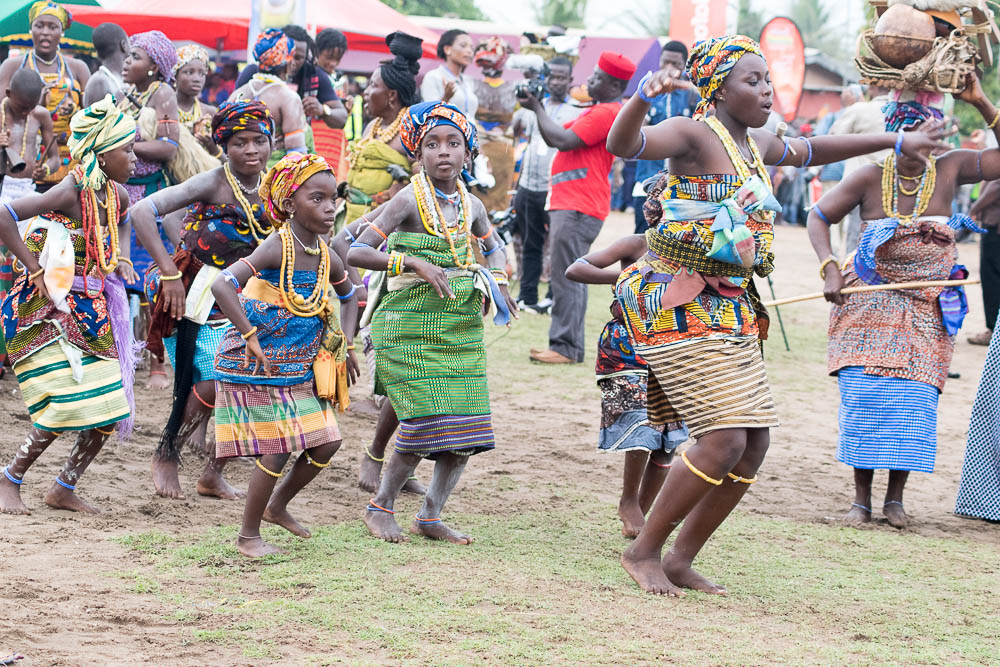 🇬🇭 Ghana and 2 moreAgbadza
An Ewe music and dance, born of war songs and kept for funerals, weddings and festivalsPerformance
🇬🇭 Ghana and 2 moreAgbadza
An Ewe music and dance, born of war songs and kept for funerals, weddings and festivalsPerformance