Festivals and celebrationsSouth AsiaHindu
Pooram
An annual Kerala temple festival with percussion orchestras, elephants and fireworks

Pooram is an annual temple festival celebrated across Kerala, India, after the summer harvest. Dedicated mostly to goddesses Durga and Kali, the events feature large percussion ensembles, fireworks displays, and processions of caparisoned elephants or decorated animal mannequins.
When is Pooram marked?
Pooram is kept as part of Vishu, which is on Thursday, 15 April 2027.
Pooram is a traditional Hindu temple festival held across the state of Kerala in southern India following the summer harvest. Associated primarily with shrines dedicated to the goddesses Durga or Kali, these gatherings bring together local communities. They are known for classical percussion orchestras, displays of afternoon and nighttime fireworks, and outdoor processions featuring decorated elephants or tall animal mannequins.
Percussion and music
Music forms the core of any Pooram celebration, driven by classical ensembles unique to Kerala. A melam is an instrumental performance that gathers large groups of musicians. Pandi Melam takes place outside the temple gates, while Panchari Melam follows a different rhythm and is performed within the inner grounds. Another major performance is Panchavadyam, a fast percussion orchestra made up of five traditional instruments: madhalam, kombu, edakka, elathalam, and timila. Audiences also gather for Thayambaka, an intense performance where a solo chenda drum player improvises complex rhythms, surrounded and answered by a chorus of accompanying drummers and cymbal players.
Processions and pageantry
Processions outside the temple walls are the most visible spectacle of a Pooram. At many shrines, ornately caparisoned elephants march in formation, carrying sacred emblems while crowds watch rituals like kudamattam, the rhythmic changing of decorative umbrellas. In certain regions, including parts of Palakkad and Thrissur districts, festivals known as velas avoid live elephants entirely. Instead, participants parade towering stilted effigies of bullocks and horses through the streets. These processions are often accompanied by other folk arts and cultural events, such as Tholpavakoothu, a regional tradition of shadow puppetry, and dramatic daytime or midnight fireworks.
Regional gatherings
Pooram festivals take place across several districts of Kerala, with deep roots in the historic Valluvanad region as well as Palakkad, Thrissur, Malappuram, Kollam, and Ernakulam. Each temple observes its own customs and scale. Thrissur Pooram stands out as the most widely known, acclaimed especially for its competitive fireworks. Thirumandhamkunnu Pooram draws over a million visitors from across India. Other notable gatherings include the ancient Arattupuzha and Peruvanam poorams, Kavassery Pooram with its afternoon pyrotechnics, and regional events like Harimattom Pooram, celebrated on the Uttram star in the Malayalam month of Medam.
How Pooram is kept
A Pooram festival centres around temple rituals, musical performances, and grand community processions. Outside the temple sanctum, large percussion groups stage extended performances of Pandi Melam, Panchavadyam, or Thayambaka. Elephants adorned with decorative headpieces parade out of the temple precincts, or communities carry giant stilted figures of bullocks and horses. In some regions, shadow puppet theatre entertains gathering crowds, while umbrella exchanges take place atop the elephants. The celebrations culminate in fireworks displays held either in the afternoon or late at night.
When and where
Poorams are held annually during the post-harvest summer season. Individual temple dates follow the Malayalam calendar and specific astrological stars, such as Harimattom Pooram falling on the star Uttram in the month of Medam, or Kollam Pooram taking place on the day following the festival of Vishu.
The festival is celebrated across Kerala in south India. It is especially prominent in the historic Valluvanad region and across Palakkad, Thrissur, Malappuram, Kollam, and Ernakulam districts, centred on temples dedicated to Kali, Durga, and other deities.
What Pooram means
Celebrated after the summer harvest, Pooram serves as a devotional celebration of temple deities, particularly the mother goddesses Durga and Kali. It honours local tradition and religious beliefs through cooperative community displays, uniting neighbourhoods through shared music, sacred processions, and temple arts.


Days Pooram is marked
Questions people ask about Pooram
When is Pooram marked?
Pooram is kept as part of Vishu, which is on Thursday, 15 April 2027.
What is Pooram?
Pooram is an annual temple festival celebrated in Kerala, India. Dedicated mostly to goddesses Durga and Kali, it features large-scale percussion ensembles, elephant processions, folk arts, and fireworks.
Where and when does Pooram take place?
The festival takes place across Kerala, particularly in Thrissur, Palakkad, Malappuram, and Kollam districts. It is held during the summer season following the harvest, with dates set by local temple calendars.
What kinds of music are played during the festival?
Performances include classical ensembles such as Pandi Melam, Panchari Melam, and Panchavadyam, which uses five instruments. Drummers also perform Thayambaka, a dynamic solo chenda improvisation.
Do all Pooram festivals use elephants?
No. While many poorams parade caparisoned elephants, some regional festivals, including certain vela celebrations, use large stilted mannequins of horses and bullocks instead.
See also
 DiwaliA five-day festival of lights celebrated across India and its diaspora to mark the victory of light over darkness.
 HoliA spring festival of colours and bonfires that marks the end of winter and the triumph of good over evil.
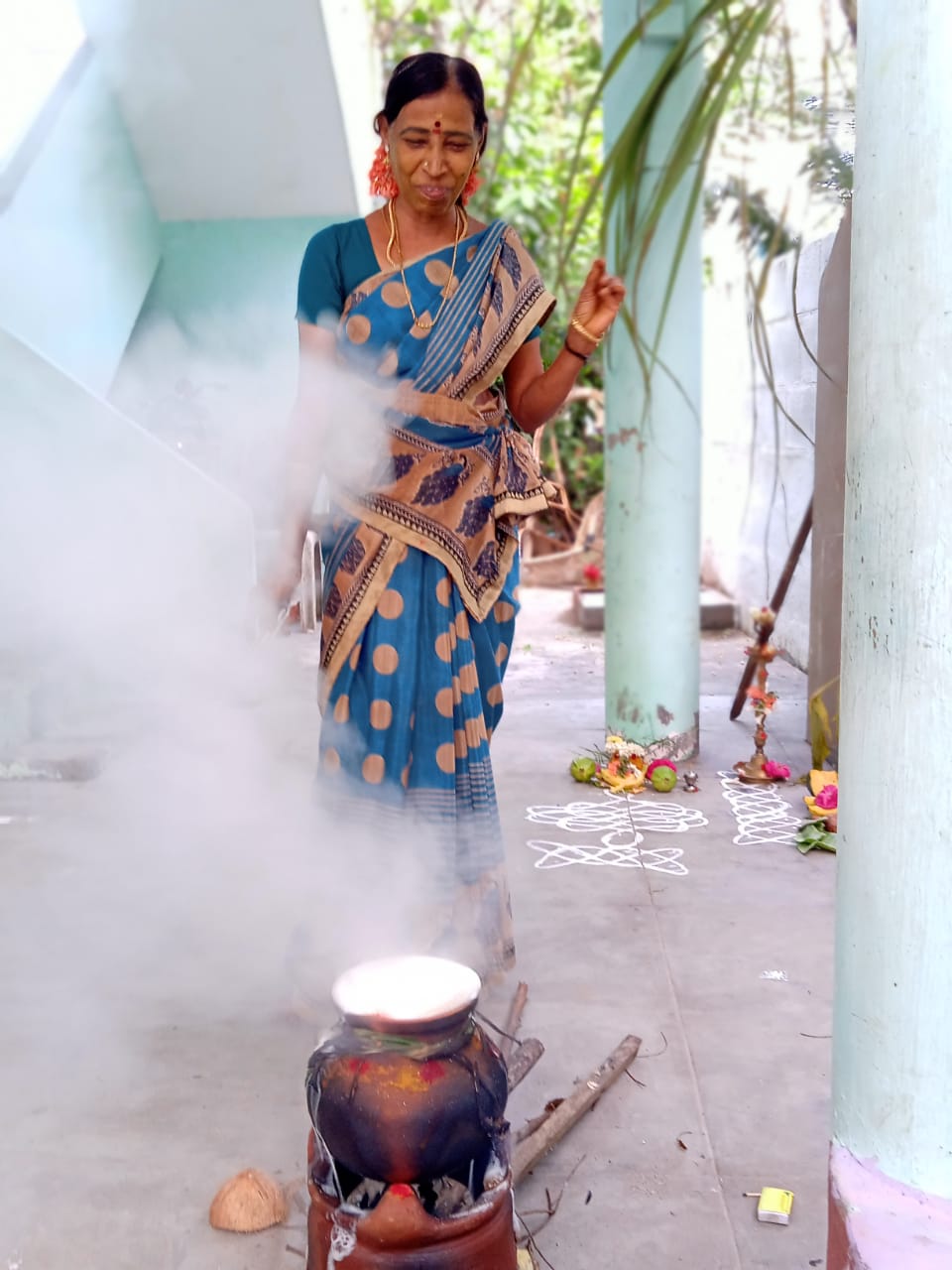 PongalThree or four days of boiling rice, garlanded cattle and thanks to the sun
 OnamA ten-day harvest festival in Kerala celebrating the return of King Mahabali with feasts, flower carpets and boat races.
Good reading and sources
The facts on this page come from the Wikipedia article "Pooram", written by its contributors and used under the CC BY-SA 4.0 licence, and from its Wikidata record (CC0). EveryParampara rewrote the text in its own words, with AI assistance, and compares every page with the article to make sure no passage is copied. It may be reused under the same CC BY-SA 4.0 licence with a link back.
It may contain mistakes. Traditions differ from one family, village and community to the next, and the people who keep them know them best. If something is wrong, tell us. Last refreshed 2026-10-06.
More from India
All the traditions of India
🇮🇳 Ayodhya, India and 7 moreDiwaliदीपावली (Dīpāvalī)
A five-day festival of lights celebrated across India and its diaspora to mark the victory of light over darkness.Festival · Feasts and festival meals
🇮🇳 Kochi, India and 5 moreOnamഓണം
A ten-day harvest festival in Kerala celebrating the return of King Mahabali with feasts, flower carpets and boat races.Festival · Feasts and festival meals
 🇮🇳 Prayagraj, India and 6 moreMakar Sankrantiमकरसङ्क्रान्ति (Makarasaṅkrānti)
A mid-winter harvest festival marking the sun's northward journey, celebrated across South and Southeast Asia with fairsFestival · Feasts and festival meals
🇮🇳 Prayagraj, India and 6 moreMakar Sankrantiमकरसङ्क्रान्ति (Makarasaṅkrānti)
A mid-winter harvest festival marking the sun's northward journey, celebrated across South and Southeast Asia with fairsFestival · Feasts and festival meals
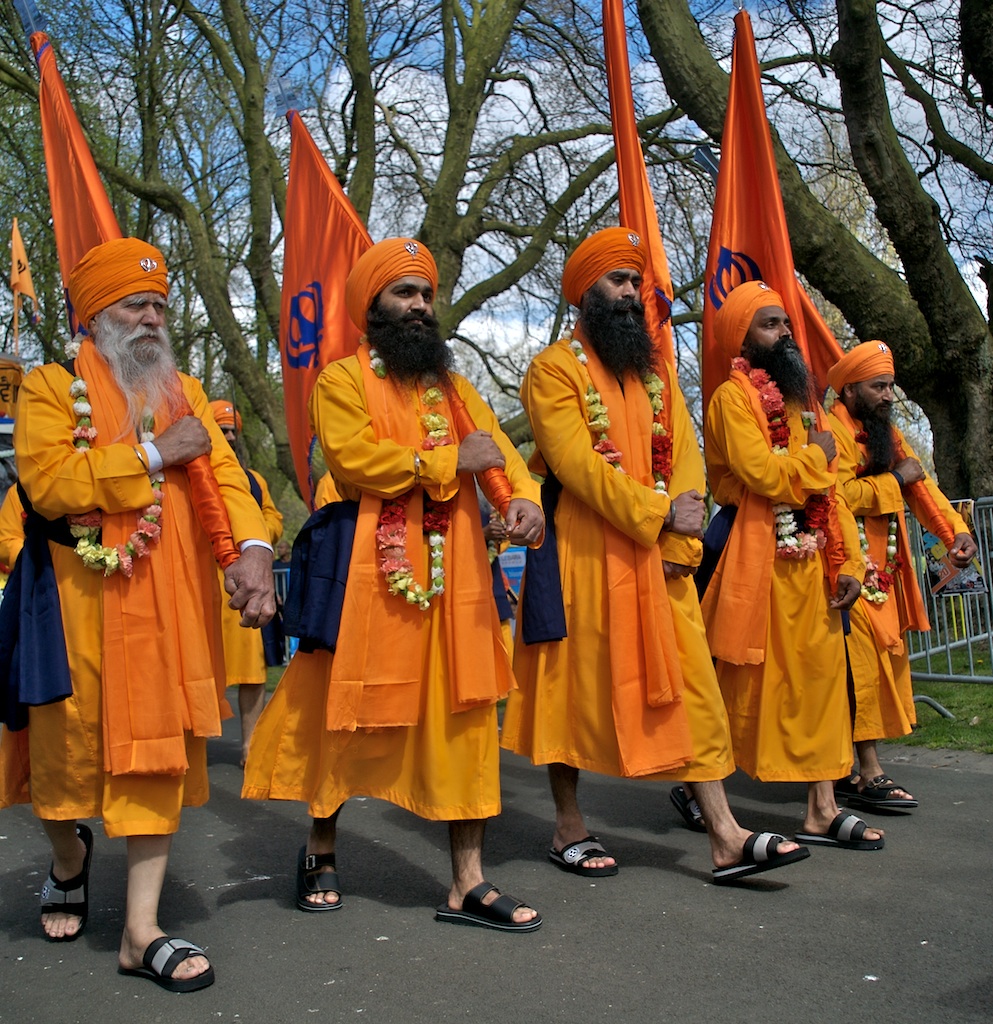 🇮🇳 Amritsar, India and 1 moreVaisakhi
A spring harvest and new year festival kept across India and Pakistan by Hindus and Sikhs.Festival
🇮🇳 Amritsar, India and 1 moreVaisakhi
A spring harvest and new year festival kept across India and Pakistan by Hindus and Sikhs.Festival
The same idea elsewhere
Harvest and thanksgiving compared 🇮🇱 Jerusalem, IsraelPassoverפסח
A Jewish spring festival celebrating freedom from slavery with ritual mealsSpiritual · Dinner
🇮🇱 Jerusalem, IsraelPassoverפסח
A Jewish spring festival celebrating freedom from slavery with ritual mealsSpiritual · Dinner
 🇮🇱 Jerusalem, IsraelSukkotסוכות
A seven-day autumn Jewish festival of temporary booths, harvest prayers and hospitalitySpiritual
🇮🇱 Jerusalem, IsraelSukkotסוכות
A seven-day autumn Jewish festival of temporary booths, harvest prayers and hospitalitySpiritual
 🇵🇪 Cusco, Peru and 4 moreIntiinti (Quechua)
The Inca sun deity, honoured with temples, offerings and the June festival Inti RaymiSpiritual
🇵🇪 Cusco, Peru and 4 moreIntiinti (Quechua)
The Inca sun deity, honoured with temples, offerings and the June festival Inti RaymiSpiritual
 🇮🇪 Ireland and 2 moreJack-o'-lantern
A carved pumpkin lantern lit with a candle to brighten and protect Halloween nightsFolklore
🇮🇪 Ireland and 2 moreJack-o'-lantern
A carved pumpkin lantern lit with a candle to brighten and protect Halloween nightsFolklore