Music, dance and storytellingNorth AmericaIndigenous and traditional
Danza de los Viejitos
In its own language: T'arche Uarakua
A Purépecha masked dance honouring the sun and the four elements in Michoacán

Originated by the Purépecha people of Michoacán, Mexico, this expressive masked dance honours the sun god and seeks fruitful harvests. Performers wear elderly masks, colourful cloaks, and wood-soled sandals to strike rhythmic steps accompanied by guitar, violin, and clarinet.
Danza de los Viejitos is an expressive Indigenous dance rooted in the Purépecha communities of Michoacán, Mexico. Known earlier as T'arche Uarakua, the ritual historically brought together wise elders to make contact with the spirit realm and petition Tata Jurhiata, the sun deity, for bountiful crops. Performers disguise themselves as elderly men using carved masks and walking sticks, stamping their wooden shoes to acoustic melodies.
Purépecha roots
The Purépecha people developed this performance in Michoacán before the arrival of Spanish colonists. In its earliest practice, four village elders, known as Petamunis, carried out the ritual movements. These four leaders served as the community's wisest authorities. Through their movements, they reached out to Tata Jurhiata, the sun god, asking for agricultural abundance, communion with ancestral spirits, guidance from history, and insights into future days. The ceremony reinforced the vital relationship between the people, cosmic forces, and nature's cycle.
Costume and masks
Each dancer wears white blanket garments covered by a brightly patterned sarape, a traditional Latin American cloak. Upon their heads sit woven straw hats adorned with multicoloured ribbons, which split at the crown and drop ten centimetres down the sides. To complete the disguise, dancers fit masks sculpted from wood, clay, or cornstalk paste, painted to depict aged faces. In their hands they carry wooden walking canes, while their feet bear wooden-soled sandals that clack sharply against the ground with every movement.
Music and rhythm
Three acoustic instruments provide the soundtrack for the dancers: a violin, a clarinet, and a guitar. As the musicians play, the performers tap out crisp beats using their wooden sandals, punctuating the music with their walking sticks. The dance balances the physical appearance of infirmity with lively acoustic cadence, creating a distinct auditory and visual rhythm that remains central to Purépecha cultural expression in western Mexico.
Meaning of four
The number four carries deep significance across the dance. Traditionally, four performers take the floor to embody the primary physical elements: earth, air, fire, and water. This quartet also mirrors the four distinct shades found in native corn, namely yellow, red, white, and blue. By aligning the dancers with elemental forces and vital crops, the performance honors both the natural world and the essential food that sustains the community.
How Danza de los Viejitos is kept
A group of dancers, historically four in number, steps forward dressed in white cloth, distinctive colourful sarapes, and straw hats trimmed with ribbons. Each wears an elderly mask made of wood, clay, or corn paste, and leans upon a wooden cane. Accompanied by a live trio playing guitar, violin, and clarinet, the performers move through their routine. They strike the floor with their wood-soled sandals, creating sharp percussive sounds that accompany the melodic music as they honour the sun and the natural elements.
When and where
The performance is tied to agricultural and spiritual cycles rather than a fixed calendar day. Historically, communities held the ceremony to ask the sun deity for fertile crops, guidance from the spirit realm, and knowledge of things to come.
This custom belongs to the state of Michoacán in western Mexico, where it was established by the Indigenous Purépecha people. It is practiced within local Purépecha communities as an enduring piece of regional heritage.
What Danza de los Viejitos means
The dance carries profound cosmic and agricultural meaning. Its four performers represent the four fundamental elements of water, earth, fire, and air, while also reflecting the four natural colours of corn: blue, red, white, and yellow. Appealing directly to the sun god, Tata Jurhiata, the ritual symbolizes human dependence on nature, seeking bountiful crops, connection to the spirit world, and wisdom from both past and future.


Questions people ask about Danza de los Viejitos
What is Danza de los Viejitos?
It is an Indigenous Mexican folk dance created by the Purépecha people of Michoacán. Performers wear aged masks, white clothes, colourful cloaks, and straw hats, tapping wooden sandals to the sounds of a guitar, violin, and clarinet.
Where is this tradition from?
The dance comes from Michoacán in Mexico, where it was created by the Purépecha community prior to Spanish colonization under the name T'arche Uarakua.
Why are there four dancers?
Four performers traditionally dance to represent the four classical elements of earth, air, fire, and water. The number also corresponds to the four natural colours of maize: red, yellow, blue, and white.
What is the spiritual purpose of the dance?
The dance appeals to Tata Jurhiata, the sun god. Purépecha elders performed it to request bountiful harvests, communicate with spirits, understand historical events, and seek predictions of the future.
See also
 Day of the DeadA Mexican remembrance of deceased family and friends with altars, marigolds and feasts
 GuelaguetzaAn annual Oaxacan festival of indigenous dance, music, costumes and communal sharing
 SegaA music and dance tradition from Mauritius and Réunion with Afro-Malagasy roots.
 Christmas carolFestive songs and hymns sung during the Christmas season and door to door
Good reading and sources
- Danza de los Viejitos on WikipediaEncyclopedia
- More photos on Wikimedia CommonsPhotos and video
- Wikidata recordOpen data
The facts on this page come from the Wikipedia article "Danza de los Viejitos", written by its contributors and used under the CC BY-SA 4.0 licence, and from its Wikidata record (CC0). EveryParampara rewrote the text in its own words, with AI assistance, and compares every page with the article to make sure no passage is copied. It may be reused under the same CC BY-SA 4.0 licence with a link back.
It may contain mistakes. Traditions differ from one family, village and community to the next, and the people who keep them know them best. If something is wrong, tell us. Last refreshed 2026-10-04.
More from Mexico
All the traditions of Mexico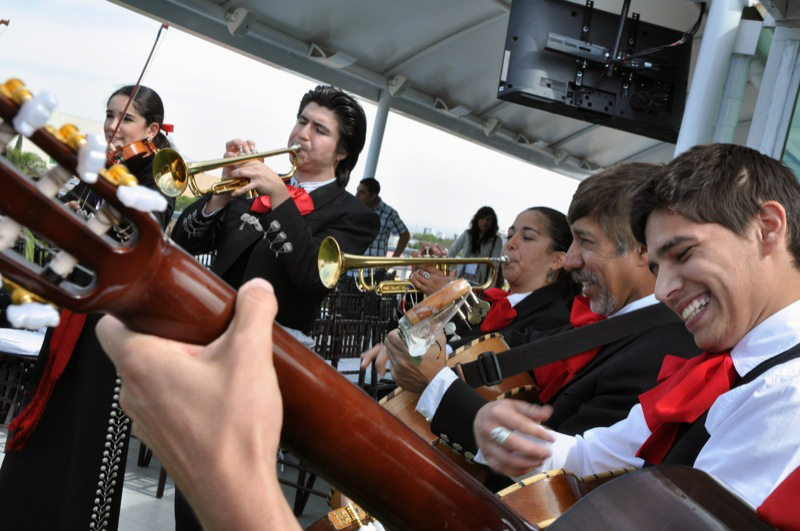 🇲🇽 Guadalajara, Mexico and 1 moreMariachi
A Mexican string and trumpet music tradition featuring charro attire and communal singing.Performance
🇲🇽 Guadalajara, Mexico and 1 moreMariachi
A Mexican string and trumpet music tradition featuring charro attire and communal singing.Performance
 🇲🇽 Veracruz, Mexico and 3 moreBaile folklórico
Staged folk dances of Mexico and Central America, with regional dress and mariachi musicPerformance
🇲🇽 Veracruz, Mexico and 3 moreBaile folklórico
Staged folk dances of Mexico and Central America, with regional dress and mariachi musicPerformance
 🇲🇽 Guadalajara, MexicoMexican hat danceJarabe tapatío
Mexico's national courtship dance, in which a dancer's steps circle the brim of a hatPerformance
🇲🇽 Guadalajara, MexicoMexican hat danceJarabe tapatío
Mexico's national courtship dance, in which a dancer's steps circle the brim of a hatPerformance
 🇲🇽 Tlayacapan, MexicoChinelos
Masked dancers from Morelos who spoof colonial manners at CarnivalPerformance
🇲🇽 Tlayacapan, MexicoChinelos
Masked dancers from Morelos who spoof colonial manners at CarnivalPerformance
The same idea elsewhere
Harvest and thanksgiving compared 🇮🇳 Ayodhya, India and 7 moreDiwaliदीपावली (Dīpāvalī)
A five-day festival of lights celebrated across India and its diaspora to mark the victory of light over darkness.Festival · Feasts and festival meals
🇮🇳 Ayodhya, India and 7 moreDiwaliदीपावली (Dīpāvalī)
A five-day festival of lights celebrated across India and its diaspora to mark the victory of light over darkness.Festival · Feasts and festival meals
 🇮🇱 Jerusalem, IsraelSukkotסוכות
A seven-day autumn Jewish festival of temporary booths, harvest prayers and hospitalitySpiritual
🇮🇱 Jerusalem, IsraelSukkotסוכות
A seven-day autumn Jewish festival of temporary booths, harvest prayers and hospitalitySpiritual
 🇹🇱 Timor-LesteUma Lulik
Sacred ancestral clan houses and ritual shrines in East TimorSpiritual
🇹🇱 Timor-LesteUma Lulik
Sacred ancestral clan houses and ritual shrines in East TimorSpiritual
 🇮🇪 Ireland and 2 moreJack-o'-lantern
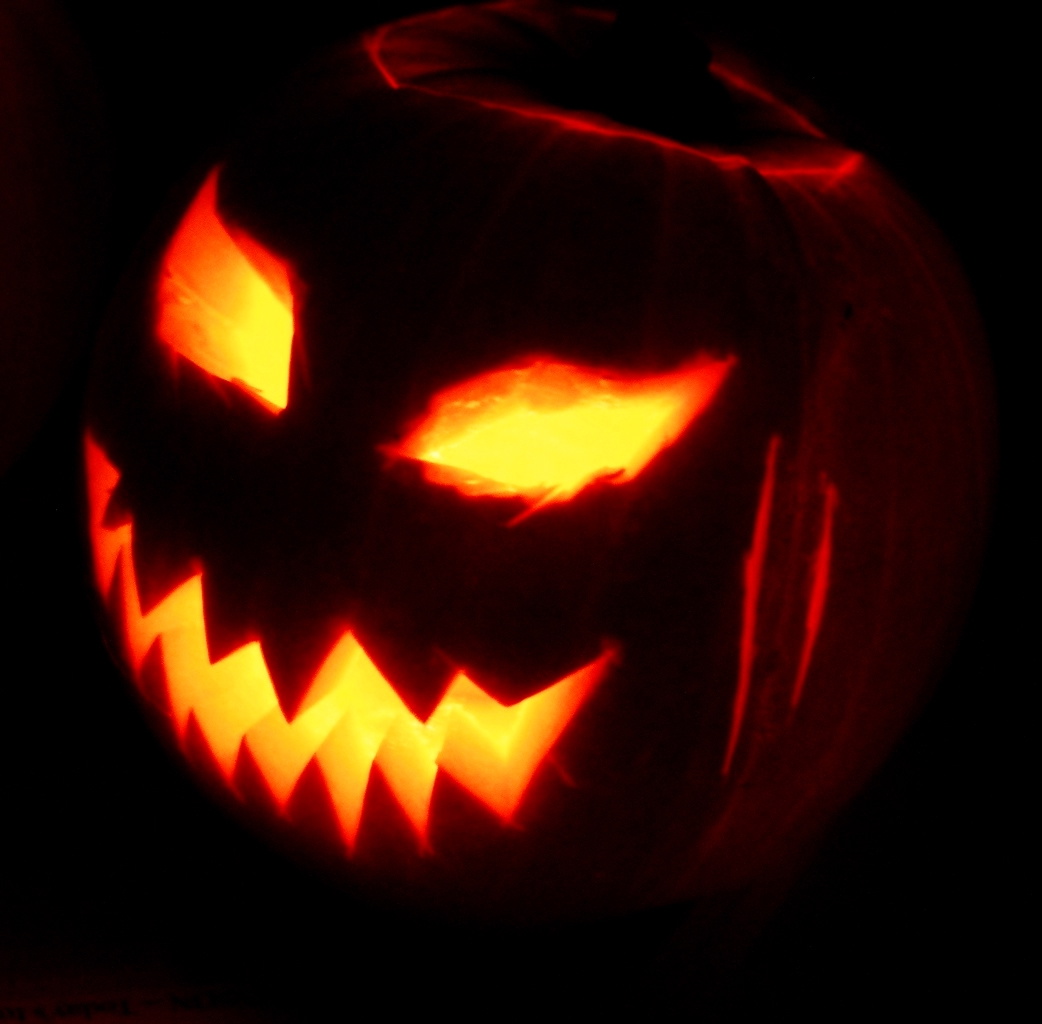
A carved pumpkin lantern lit with a candle to brighten and protect Halloween nightsFolklore
🇮🇪 Ireland and 2 moreJack-o'-lantern
A carved pumpkin lantern lit with a candle to brighten and protect Halloween nightsFolklore