Festivals and celebrationsEast AsiaShinto, Taoist and folk ChineseBuddhist
Sanja Matsuri
In its own language: 三社祭
A loud three-day Shinto festival in Tokyo honoring the founders of Sensō-ji temple.

Held every May at Asakusa Shrine, this event is one of the largest and most energetic celebrations in Japan. It honors three men who founded the nearby Buddhist temple Sensō-ji by carrying their spirits in portable shrines through the streets of Tokyo.
When is Sanja Matsuri kept?
Sanja Matsuri is kept every year on the third weekend of May.
Sanja Matsuri is a major annual celebration held in Tokyo during the third weekend of May. It takes place at Asakusa Shrine and honors the three men credited with founding the historic Sensō-ji temple. The event features loud parades, traditional music, and the carrying of massive portable shrines through the neighborhood streets.
Origins and history
The roots of this gathering trace back to the early seventh century. Legend holds that two fishermen discovered a statue of the Bodhisattva Kannon in a river net. A local landlord helped them establish a small temple for the figure. That site became Sensō-ji, the oldest temple in Tokyo. The modern format solidified during the Edo period after a shogun built Asakusa Shrine specifically to honor these three founders as spiritual guardians.
How it is kept
The official religious work begins Thursday when priests move the spirits into miniature shrines. Friday starts with a large parade featuring dancers and musicians in traditional dress. Saturday sees about one hundred smaller shrines visiting the main temple for blessings before returning to their districts. Sunday brings the heavy black lacquered mikoshi into the streets, where teams of carriers shake them vigorously to spread good fortune to the neighborhoods they visit.
Food and drink
Hundreds of food stalls line the streets connecting the shrine gates throughout the weekend. Visitors can find various snacks and drinks while watching the processions. These vendors provide refreshments for the crowds that gather to watch the events. The area around Nakamise-dōri becomes a busy market space filled with people enjoying local treats.
Music and dance
Traditional taiko drumming fills the air during the festival days. Geisha groups perform on specific afternoons for ticketed audiences at the Asakusa Kenban building. These shows are considered among the finest performances in the city. Local academies also offer free drumming demonstrations at the shrine on Sunday afternoons. Flutes and chanting accompany the processions along the route.
What it means
This event bridges Buddhist and Shinto traditions by honoring Buddhist founders within a Shinto framework. The vigorous shaking of the heavy shrines is intended to awaken the power of the spirits inside. This action is believed to bring luck and protection to the areas the carriers pass through. The gathering strengthens community bonds as neighbors work together to support the processions.
How Sanja Matsuri is kept
Priests transfer spirits into shrines on Thursday. A grand parade with costumed performers marks Friday. Saturday involves smaller shrines receiving blessings. Sunday features the main mikoshi carried through forty-four districts. Teams of people lift and shake the heavy wooden structures to bless the communities they pass.
When and where
It occurs annually on the third weekend of May. The dates shift slightly each year based on the calendar but always fall within that specific timeframe.
The main activities center around Asakusa Shrine in Tokyo. Parades travel through the surrounding streets and districts of Asakusa. The event draws millions of visitors to this specific part of the city.
What Sanja Matsuri means
The festival honors the three founders of Sensō-ji temple. Carriers shake the shrines to activate the spirits for the benefit of the neighborhoods. This practice is meant to ensure good luck and protection for the local residents.


Questions people ask about Sanja Matsuri
When is Sanja Matsuri kept?
Sanja Matsuri is kept every year on the third weekend of May.
What is Sanja Matsuri?
It is a major Shinto festival in Tokyo held every May. It honors the three men who founded Sensō-ji temple and features large processions of portable shrines through the Asakusa district.
Where is it held?
The main shrine is located at Asakusa Shrine in Tokyo. Processions move through the streets and neighborhoods surrounding the shrine and the nearby Sensō-ji temple.
Why do they shake the shrines?
Carriers shake the heavy mikoshi to awaken the spirits inside. This action is believed to intensify their power and bestow good luck upon the neighborhoods the shrines visit.
See also
 HalloweenAn annual observance on 31 October marking the eve of All Saints' Day, rooted in Christian tradition and Celtic heritage
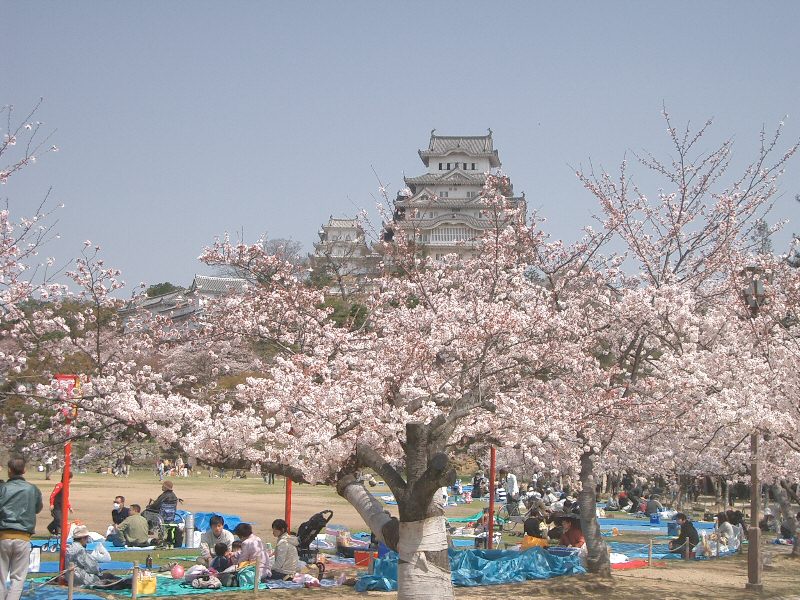 HanamiA Japanese spring custom of gathering under blooming cherry trees to eat, drink, and celebrate the fleeting beauty of th
 Buddha's BirthdayA festival marking the birth of Siddhartha Gautama, observed across Asia with temple rituals and community gatherings.
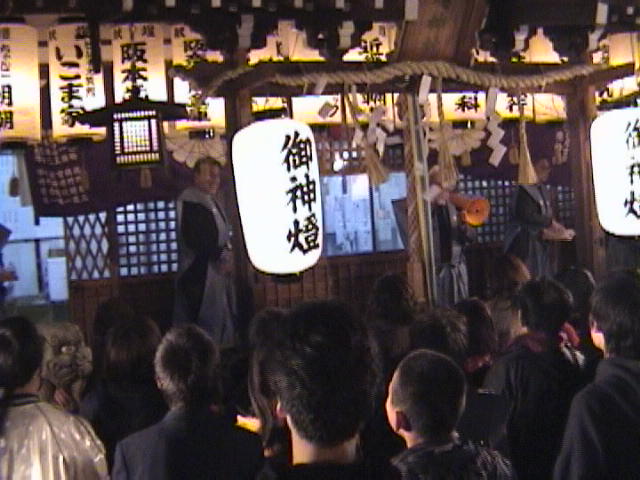 SetsubunA Japanese ritual of throwing roasted soybeans to banish evil spirits and welcome spring.
Good reading and sources
- Sanja Matsuri on WikipediaEncyclopedia
- More photos on Wikimedia CommonsPhotos and video
- Wikidata recordOpen data
The facts on this page come from the Wikipedia article "Sanja Matsuri", written by its contributors and used under the CC BY-SA 4.0 licence, and from its Wikidata record (CC0). EveryParampara rewrote the text in its own words, with AI assistance, and compares every page with the article to make sure no passage is copied. It may be reused under the same CC BY-SA 4.0 licence with a link back.
It may contain mistakes. Traditions differ from one family, village and community to the next, and the people who keep them know them best. If something is wrong, tell us. Last refreshed 2026-10-04.
More from Japan
All the traditions of Japan
🇮🇪 Ireland and 5 moreHalloween
An annual observance on 31 October marking the eve of All Saints' Day, rooted in Christian tradition and Celtic heritageFestival · Sweets given and shared
 🇮🇳 India and 4 moreWater lantern
Small lamps floated on water to honour the dead and ask for good fortuneFestival
🇯🇵 Kyoto, Japan and 4 moreHanami花見
A Japanese spring custom of gathering under blooming cherry trees to eat, drink, and celebrate the fleeting beauty of thFestival · Lunch
🇮🇳 India and 6 moreBuddha's Birthday佛诞 (Fódàn)
A festival marking the birth of Siddhartha Gautama, observed across Asia with temple rituals and community gatherings.Festival
🇮🇳 India and 4 moreWater lantern
Small lamps floated on water to honour the dead and ask for good fortuneFestival
🇯🇵 Kyoto, Japan and 4 moreHanami花見
A Japanese spring custom of gathering under blooming cherry trees to eat, drink, and celebrate the fleeting beauty of thFestival · Lunch
🇮🇳 India and 6 moreBuddha's Birthday佛诞 (Fódàn)
A festival marking the birth of Siddhartha Gautama, observed across Asia with temple rituals and community gatherings.Festival
The same idea elsewhere
Remembering the ancestors compared 🇮🇳 Ayodhya, India and 7 moreDiwaliदीपावली (Dīpāvalī)
A five-day festival of lights celebrated across India and its diaspora to mark the victory of light over darkness.Festival · Feasts and festival meals
🇮🇳 Ayodhya, India and 7 moreDiwaliदीपावली (Dīpāvalī)
A five-day festival of lights celebrated across India and its diaspora to mark the victory of light over darkness.Festival · Feasts and festival meals
 🇮🇷 Iran and 7 moreNowruzنوروز
The Iranian new year at the March equinox, kept with fire, greenery and picnicsSeasonal
🇮🇷 Iran and 7 moreNowruzنوروز
The Iranian new year at the March equinox, kept with fire, greenery and picnicsSeasonal
 🇮🇱 Jerusalem, Israel and 1 moreHanukkahחֲנֻכָּה
An eight-day Jewish festival marking the rededication of the Second Temple in Jerusalem and the miracle of a single day'Festival
🇮🇱 Jerusalem, Israel and 1 moreHanukkahחֲנֻכָּה
An eight-day Jewish festival marking the rededication of the Second Temple in Jerusalem and the miracle of a single day'Festival
 🇮🇳 Mathura, India and 5 moreHoliहोली (Hindi)
A spring festival of colours and bonfires that marks the end of winter and the triumph of good over evil.Festival
🇮🇳 Mathura, India and 5 moreHoliहोली (Hindi)
A spring festival of colours and bonfires that marks the end of winter and the triumph of good over evil.Festival