Festivals and celebrationsEast AsiaShinto, Taoist and folk ChineseSecular and civic
Setsubun
In its own language: 節分
A Japanese ritual of throwing roasted soybeans to banish evil spirits and welcome spring.
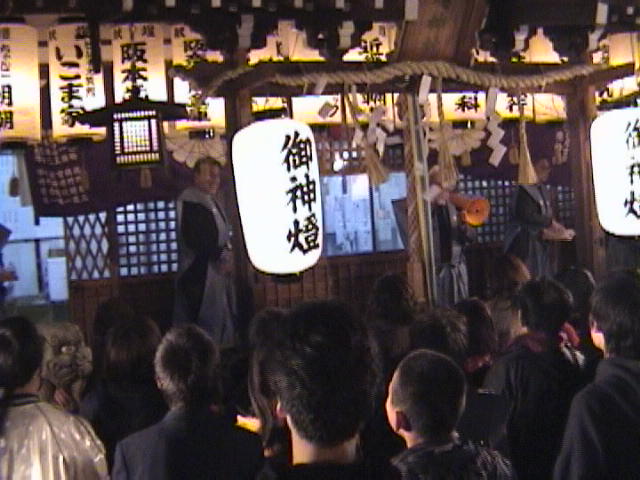
Setsubun marks the day before spring begins in the traditional Japanese calendar. Families and communities throw roasted beans while shouting at demons to drive away bad luck and invite prosperity for the coming year.
When is Setsubun in 2027?
Setsubun 2027 is on Wednesday, 3 February 2027. Other years: 2026, Tuesday, 3 February 2026; 2028, Thursday, 3 February 2028.
Setsubun is a seasonal marker in Japan that signals the end of winter and the start of spring. People perform rituals to cleanse their homes of misfortune and invite good fortune. The most famous practice involves throwing roasted soybeans at figures representing evil spirits.
Origins and history
The custom traces back to an eighth-century Chinese exorcism called tsuina. Initially held at the imperial court, it involved decorating gates with clay figures and using peach branches to repel disease. By the Muromachi period, the practice shifted toward bean-throwing among aristocrats. A legend from the tenth century suggests a monk blinded demons with beans on Mount Kurama. Over time, commoners merged the court exorcism with this new rite. During the Edo period, the tradition spread widely across Japan. Households began hanging holly sprigs with sardine heads at entrances to frighten away malevolent forces using thorns and strong smells.
How it is kept
The central activity is mamemaki, or bean scattering. Participants shout 'Devils out! Fortune in!' while tossing roasted soybeans. They may throw them outside or at a family member wearing an ogre mask. Afterward, people eat one bean per year of their age plus one extra for luck. In temples and shrines, priests and celebrities distribute beans wrapped in foil or containing small prizes. Some families avoid this ritual if they bear the surname Watanabe, due to a historical legend about a demon-slaying warrior. Geisha in Kyoto also perform dances and toss beans to crowds during local festivals.
Food and drink
Eating ehōmaki, a thick uncut sushi roll, is a popular custom. People face the auspicious direction for the year and consume the entire roll in silence to pray for happiness. This practice originated in geisha districts and later gained national popularity through commercial marketing. Other regional foods include shōgazake, a ginger-flavored sake, and various local specialties. In some areas, people eat peanuts, soba noodles, or specific soups depending on their location. These meals are believed to bring health and prosperity as the seasons change.
Symbolism and meaning
Setsubun represents a boundary between seasons when the spirit world is close to the physical realm. The rituals aim to purify spaces and protect households from wandering spirits. Throwing beans symbolizes driving away bad health and misfortune. Eating beans internalizes purity and luck. Decorations like holly and sardines create barriers against evil. The celebration reinforces community bonds and personal resilience. It marks a fresh start, encouraging people to leave past troubles behind and embrace renewal. The focus remains on maintaining harmony and safety within the home and society.
How Setsubun is kept
Families gather to throw roasted soybeans while chanting phrases to expel demons. Some wear masks to represent the spirits being chased away. Others attend shrine festivals where priests distribute blessed beans. People eat specific foods like sushi rolls or ginger sake to seal the blessing. The head of the household often leads the prayers and bean-tossing. Communities in cities like Tokyo and Kyoto hold large public events with celebrity appearances.
When and where
It falls between February 2 and 4 annually, based on the traditional calendar. The date shifts slightly each year but always precedes the first day of spring, known as Risshun.
It is primarily observed throughout Japan. Major celebrations occur in Tokyo, Kyoto, and Kobe. Regional variations exist, with different foods and chants used in areas like Tohoku and Kansai.
What Setsubun means
The ritual cleanses the home of negative energy and invites good fortune. Beans represent purity and strength against evil. Eating them absorbs that luck. The timing marks a critical transition in nature, requiring spiritual protection. It reflects a deep respect for seasonal cycles and the balance between humans and spirits.
On the table
- Roasted soybeans
- Ehōmaki
- Shōgazake
- Peanuts
- Soba noodles
- Kenchin-jiru
- Konjac
- Whale meat


Days Setsubun is marked
Setsubun dates: 2026, 2027, 2028
| Year | Setsubun date |
|---|---|
| 2026 | Tuesday, 3 February 2026 |
| 2027 | Wednesday, 3 February 2027 |
| 2028 | Thursday, 3 February 2028 |
Questions people ask about Setsubun
When is Setsubun in 2027?
Setsubun 2027 is on Wednesday, 3 February 2027. Other years: 2026, Tuesday, 3 February 2026; 2028, Thursday, 3 February 2028.
What is Setsubun?
Setsubun is a Japanese seasonal festival marking the beginning of spring. It involves rituals to drive away evil spirits and welcome good luck for the new season.
Why do people throw beans?
Throwing roasted soybeans, called mamemaki, symbolically purifies the home. Participants shout at demons to chase away bad fortune and invite prosperity.
What food is eaten on Setsubun?
People often eat ehōmaki, a thick uncut sushi roll. They face the lucky direction and eat it silently to pray for happiness and health in the coming year.
See also
 HalloweenAn annual observance on 31 October marking the eve of All Saints' Day, rooted in Christian tradition and Celtic heritage
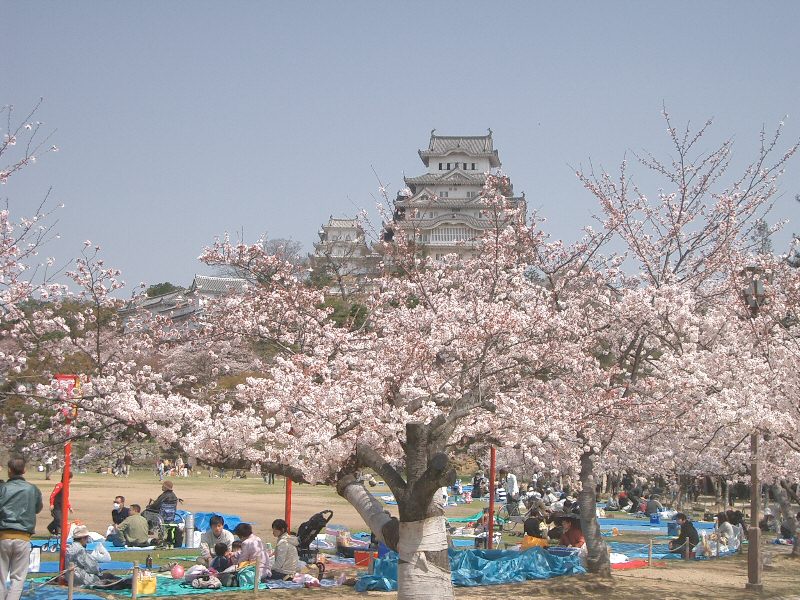 HanamiA Japanese spring custom of gathering under blooming cherry trees to eat, drink, and celebrate the fleeting beauty of th
 Buddha's BirthdayA festival marking the birth of Siddhartha Gautama, observed across Asia with temple rituals and community gatherings.
 Children's DayA Japanese holiday on May fifth celebrating the happiness and growth of children
Good reading and sources
- Setsubun on WikipediaEncyclopedia
- More photos on Wikimedia CommonsPhotos and video
- Wikidata recordOpen data
The facts on this page come from the Wikipedia article "Setsubun", written by its contributors and used under the CC BY-SA 4.0 licence, and from its Wikidata record (CC0). EveryParampara rewrote the text in its own words, with AI assistance, and compares every page with the article to make sure no passage is copied. It may be reused under the same CC BY-SA 4.0 licence with a link back.
It may contain mistakes. Traditions differ from one family, village and community to the next, and the people who keep them know them best. If something is wrong, tell us. Last refreshed 2026-10-04.
More from Japan
All the traditions of Japan
🇮🇪 Ireland and 5 moreHalloween
An annual observance on 31 October marking the eve of All Saints' Day, rooted in Christian tradition and Celtic heritageFestival · Sweets given and shared
 🇮🇳 India and 4 moreWater lantern
Small lamps floated on water to honour the dead and ask for good fortuneFestival
🇯🇵 Kyoto, Japan and 4 moreHanami花見
A Japanese spring custom of gathering under blooming cherry trees to eat, drink, and celebrate the fleeting beauty of thFestival · Lunch
🇮🇳 India and 6 moreBuddha's Birthday佛诞 (Fódàn)
A festival marking the birth of Siddhartha Gautama, observed across Asia with temple rituals and community gatherings.Festival
🇮🇳 India and 4 moreWater lantern
Small lamps floated on water to honour the dead and ask for good fortuneFestival
🇯🇵 Kyoto, Japan and 4 moreHanami花見
A Japanese spring custom of gathering under blooming cherry trees to eat, drink, and celebrate the fleeting beauty of thFestival · Lunch
🇮🇳 India and 6 moreBuddha's Birthday佛诞 (Fódàn)
A festival marking the birth of Siddhartha Gautama, observed across Asia with temple rituals and community gatherings.Festival
The same idea elsewhere
Remembering the ancestors compared 🇮🇷 Iran and 7 moreNowruzنوروز
The Iranian new year at the March equinox, kept with fire, greenery and picnicsSeasonal
🇮🇷 Iran and 7 moreNowruzنوروز
The Iranian new year at the March equinox, kept with fire, greenery and picnicsSeasonal
 🇮🇳 Mathura, India and 5 moreHoliहोली (Hindi)
A spring festival of colours and bonfires that marks the end of winter and the triumph of good over evil.Festival
🇮🇳 Mathura, India and 5 moreHoliहोली (Hindi)
A spring festival of colours and bonfires that marks the end of winter and the triumph of good over evil.Festival
 🇮🇳 Guwahati, IndiaBihu dance
A folk dance from Assam that celebrates spring, fertility and the new year with energetic movement and music.Performance
🇮🇳 Guwahati, IndiaBihu dance
A folk dance from Assam that celebrates spring, fertility and the new year with energetic movement and music.Performance
 🇺🇦 Ukraine and 5 moreKupala Night
A summer solstice folk festival marked by bonfires, water rituals and herbal gatherings across Eastern Europe.Festival
🇺🇦 Ukraine and 5 moreKupala Night
A summer solstice folk festival marked by bonfires, water rituals and herbal gatherings across Eastern Europe.Festival