Music, dance and storytellingSub-Saharan Africa
Sega
In its own language: séga
A music and dance tradition from Mauritius and Réunion with Afro-Malagasy roots.

Sega is a performance art combining music, storytelling, and dance. It originated among enslaved people in Mauritius and Réunion. The tradition spread to other Indian Ocean islands like Seychelles and Rodrigues.
When is Sega kept?
Sega is kept on year-round as a cultural practice.
Sega is a vibrant performance art form from the Indian Ocean. It blends music, dance, and storytelling. The tradition began with enslaved communities in Mauritius and Réunion. Today it remains a key part of local identity across several island nations.
Origins and history
The genre emerged from the experiences of enslaved Africans and their descendants. It fused African rhythms with European folk dances like the polka and waltz. Early forms expressed the hardships of subjugation. For a long time, the Catholic Church discouraged the practice due to its associations with sexuality and alcohol. A major shift occurred in 1964 when artist Ti Frère performed publicly at Mount Le Morne. This event helped transform sega from a private custom into a national symbol.
Music and instruments
Traditional performances rely on percussion. Key instruments include the ravanne drum, the triangle, and the maravanne rattle. Modern versions often add electric guitars and keyboards. Lyrics typically describe daily life rather than ancestral homelands. One specific style called Santé engagé uses the music for social protest. Another fusion genre, seggae, combines sega with Jamaican reggae rhythms.
Dance and dress
The dance keeps the feet grounded while emphasizing hip and waist movement. Women traditionally wear colorful circular skirts and tops that expose the midriff to highlight these motions. Men often wear bright shirts, shorts, and straw hats. In Réunion, couples dance slightly apart compared to the closer contact seen in Mauritius. The rhythm dictates a steady, swaying motion that connects dancers to the beat.
Regional variations
Different islands have developed distinct styles. Rodriguan sega tambour features prominent drums and swift accordion music. Seychellois varieties include moutya, which shares similarities with Réunionnais traditions. Chagos Islanders also maintained their own unique version before displacement. These regional differences reflect the diverse ethnic makeup of the indigenous populations across the archipelago.
How Sega is kept
Musicians play traditional percussion instruments like the ravanne and triangle. Dancers move their hips and waists while keeping their feet planted. Performers sing lyrics about community life and social issues. The art form is practiced in homes, festivals, and public venues. Younger generations learn the steps and rhythms through community engagement and formal lessons.
When and where
It is performed year-round as a living cultural practice. There is no single fixed date for the tradition.
The tradition is strongest in Mauritius and Réunion. It is also widely practiced in Seychelles, Rodrigues, and parts of Madagascar.
What Sega means
Sega represents resilience and cultural survival. It transformed the trauma of slavery into a powerful artistic expression. The music serves as a voice for social justice and community solidarity. It connects modern islanders to their ancestors and shared history.

Questions people ask about Sega
When is Sega kept?
Sega is kept on year-round as a cultural practice.
What is sega?
Sega is a music and dance tradition from Mauritius and Réunion. It involves singing, storytelling, and rhythmic movement. The art form has roots in the experiences of enslaved people.
Where did sega originate?
It originated among enslaved populations in Mauritius and Réunion. The style later spread to neighboring islands like Seychelles and Rodrigues. Its musical roots are Afro-Malagasy with European influences.
What instruments are used?
Traditional instruments include the ravanne drum, triangle, and maravanne rattle. Modern performers also use electric guitars, keyboards, and accordions depending on the regional style.
Is sega still popular today?
Yes, it remains a major cultural force in Mauritius and Réunion. Fusion genres like seggae continue to evolve the tradition. It is recognized by UNESCO as an important intangible cultural heritage.
See also
 ChristmasA festival of Jesus's birth, kept on 25 December with gifts, lights and shared meals
 DiwaliA five-day festival of lights celebrated across India and its diaspora to mark the victory of light over darkness.
 Mardi GrasA festive day of parades and rich foods marking the final celebration before the Christian fasting season of Lent begins
 Ganesh ChaturthiA Hindu festival celebrating the arrival of Ganesha, marked by clay idols, sweets, and public processions.
Good reading and sources
- Rioting in Mauritius set off by jail death of singerThe Guardian, Article
- Traditional Mauritian SegaUNESCO, Heritage listing
- Rioting in Mauritius set off by jail death of singerThe Guardian, Article
- Traditional Mauritian SegaUNESCO, Article
- Sega (genre) on WikipediaEncyclopedia
- More photos on Wikimedia CommonsPhotos and video
- Wikidata recordOpen data
The facts on this page come from the Wikipedia article "Sega (genre)", written by its contributors and used under the CC BY-SA 4.0 licence, and from its Wikidata record (CC0). EveryParampara rewrote the text in its own words, with AI assistance, and compares every page with the article to make sure no passage is copied. It may be reused under the same CC BY-SA 4.0 licence with a link back.
It may contain mistakes. Traditions differ from one family, village and community to the next, and the people who keep them know them best. If something is wrong, tell us. Last refreshed 2026-10-04.
More from Mauritius
All the traditions of Mauritius 🇮🇳 Varanasi, India and 5 moreRamlilaरामलीला
Open-air community plays staged across autumn nights, recounting the journey of Rama.Performance
🇮🇳 Ayodhya, India and 7 moreDiwaliदीपावली (Dīpāvalī)
A five-day festival of lights celebrated across India and its diaspora to mark the victory of light over darkness.Festival · Feasts and festival meals
🇮🇳 Pune, India and 5 moreGanesh Chaturthiगणेश चतुर्थी
A Hindu festival celebrating the arrival of Ganesha, marked by clay idols, sweets, and public processions.Festival
🇮🇳 Varanasi, India and 5 moreRamlilaरामलीला
Open-air community plays staged across autumn nights, recounting the journey of Rama.Performance
🇮🇳 Ayodhya, India and 7 moreDiwaliदीपावली (Dīpāvalī)
A five-day festival of lights celebrated across India and its diaspora to mark the victory of light over darkness.Festival · Feasts and festival meals
🇮🇳 Pune, India and 5 moreGanesh Chaturthiगणेश चतुर्थी
A Hindu festival celebrating the arrival of Ganesha, marked by clay idols, sweets, and public processions.Festival
 🇮🇳 Madurai, India and 4 morePuthanduபுத்தாண்டு (Puttāṇṭu)
The first day of the Tamil solar calendar, celebrated by Tamils with family feasts and auspicious trays.Festival · Feasts and festival meals
🇮🇳 Madurai, India and 4 morePuthanduபுத்தாண்டு (Puttāṇṭu)
The first day of the Tamil solar calendar, celebrated by Tamils with family feasts and auspicious trays.Festival · Feasts and festival meals
The same idea elsewhere
Remembering the ancestors compared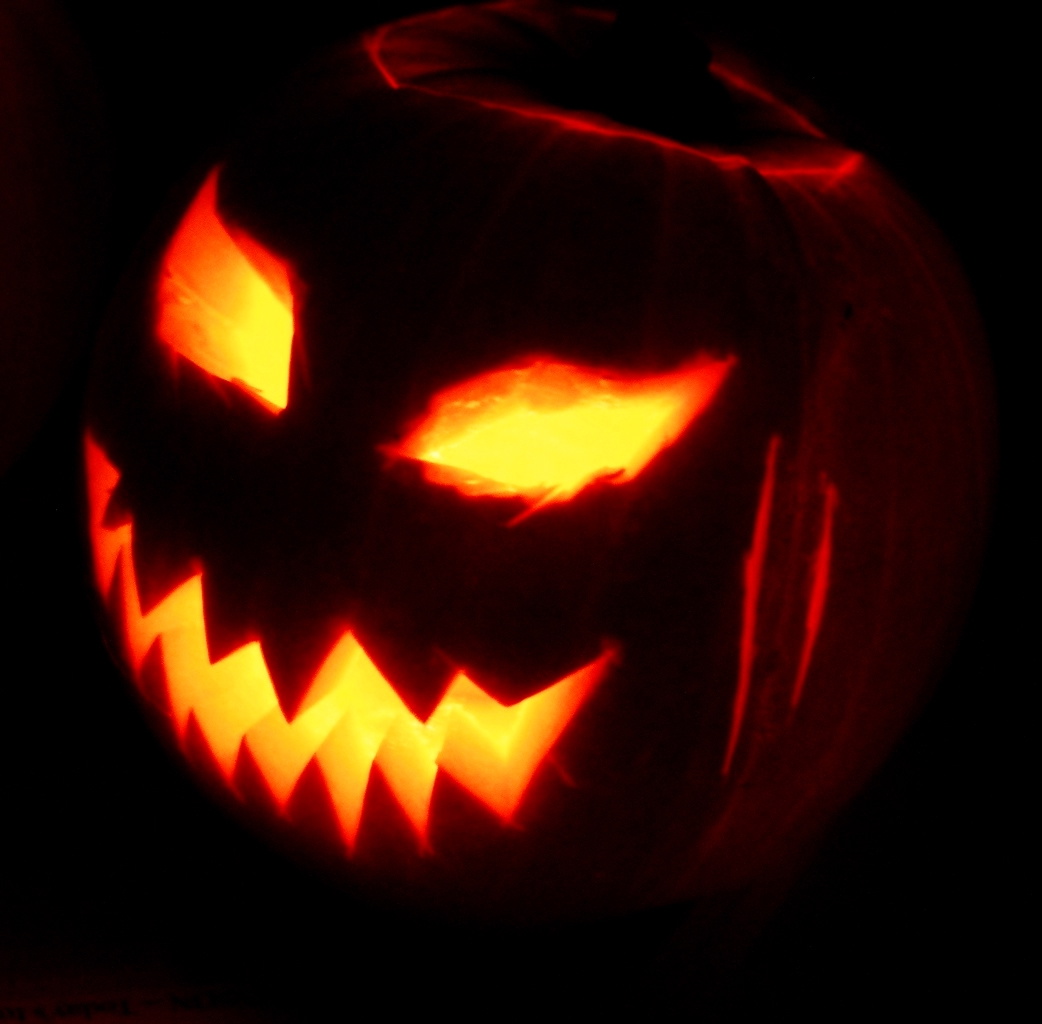 🇮🇪 Ireland and 5 moreHalloween
An annual observance on 31 October marking the eve of All Saints' Day, rooted in Christian tradition and Celtic heritageFestival · Sweets given and shared
🇮🇪 Ireland and 5 moreHalloween
An annual observance on 31 October marking the eve of All Saints' Day, rooted in Christian tradition and Celtic heritageFestival · Sweets given and shared
 🇮🇷 Iran and 7 moreNowruzنوروز
The Iranian new year at the March equinox, kept with fire, greenery and picnicsSeasonal
🇮🇷 Iran and 7 moreNowruzنوروز
The Iranian new year at the March equinox, kept with fire, greenery and picnicsSeasonal
 🇮🇱 Jerusalem, Israel and 1 moreHanukkahחֲנֻכָּה
An eight-day Jewish festival marking the rededication of the Second Temple in Jerusalem and the miracle of a single day'Festival
🇮🇱 Jerusalem, Israel and 1 moreHanukkahחֲנֻכָּה
An eight-day Jewish festival marking the rededication of the Second Temple in Jerusalem and the miracle of a single day'Festival
 🇮🇳 Mathura, India and 5 moreHoliहोली (Hindi)
A spring festival of colours and bonfires that marks the end of winter and the triumph of good over evil.Festival
🇮🇳 Mathura, India and 5 moreHoliहोली (Hindi)
A spring festival of colours and bonfires that marks the end of winter and the triumph of good over evil.Festival