🇲🇬 Traditions of Madagascar
14 traditions from Madagascar, best known first, across 1 city and town.
Malagasy life centers on the living bond with ancestors, expressed through tomb rituals and cyclical time. The culture blends Southeast Asian roots with African and Indian influences, visible in music, dress, and cuisine.
The people of Madagascar weave together traditions from Southeast Asia, Africa, and India into a single cultural fabric. Their daily lives are guided by respect for ancestors and a belief in sacred life force. Festivals, meals, and music all serve to honor the past while navigating the present.
Honoring the dead
Families maintain close ties with their razana, or ancestors, who are believed to influence daily life. This veneration drives the construction of elaborate stone tombs that often surpass homes in durability and decoration. A key practice is famadihana, where remains are exhumed and wrapped in fresh silk shrouds during festive family gatherings. Offerings such as rum poured in corners show continued respect. Misfortune is often linked to neglected ancestral wishes, making these rituals essential for community harmony and spiritual balance.
Faith and beliefs
While many Malagasy identify as Christian, they frequently blend these faiths with traditional views on Zanahary, the creator god. Core values include fihavanana, or solidarity, and hasina, a sacred force legitimizing authority. Astrology guides important dates, with Mpanandro selecting auspicious days for weddings. Some communities trace lineage to ancient Israelites, maintaining distinct dietary and lifecycle practices. Islam and Hinduism also have established presences, particularly in northern regions, adding to the island's diverse spiritual landscape.
Music and home
The valiha, a bamboo tube zither from Borneo, stands as the national instrument, linking modern sounds to ancient origins. Traditional houses mirror this heritage with rectangular layouts, peaked roofs, and central pillars. These structures hold deep symbolic meaning for families. Weaving silk into the lamba, a refined national garment, continues as a vital art form. The architecture and music together create an environment where ancestral presence is felt within the very walls of the home.
Food and cattle
Rice serves as the foundation of every meal, typically paired with flavorful vegetable or meat dishes reflecting Southeast Asian culinary roots. Zebu cattle hold sacred importance, embodying wealth and status in African-influenced traditions. Sacrificing a zebu remains a primary method to honor ancestors. In some regions, cattle rustling was once a rite of passage but has shifted toward dangerous criminal activity. The table thus reflects both shared sustenance and deep social hierarchies.
The facts in this overview come from the Wikipedia article "Culture of Madagascar", written by its contributors and used under the CC BY-SA 4.0 licence. EveryParampara rewrote the text in its own words, with AI assistance, and compares every page with the article to make sure no passage is copied. It may be reused under the same CC BY-SA 4.0 licence with a link back.
The table in Madagascar
Foods and drinks by the moment they belong to.
| Feasts and festival meals | Fandroana |
|---|
Cities, towns and villages of Madagascar
 🇲🇬 Antananarivo, MadagascarHiragasyHira gasy
A day-long Malagasy highland tradition of song, dance, and poetic speech competitionsPerformance
🇲🇬 Antananarivo, MadagascarHiragasyHira gasy
A day-long Malagasy highland tradition of song, dance, and poetic speech competitionsPerformance
 🇲🇬 MadagascarFady
A system of cultural taboos in Madagascar that regulate daily life and spiritual practice.Spiritual
🇲🇬 MadagascarFady
A system of cultural taboos in Madagascar that regulate daily life and spiritual practice.Spiritual
 🇲🇺 Mauritius and 3 moreSegaséga
A music and dance tradition from Mauritius and Réunion with Afro-Malagasy roots.Performance
🇲🇺 Mauritius and 3 moreSegaséga
A music and dance tradition from Mauritius and Réunion with Afro-Malagasy roots.Performance
 🇹🇿 Zanzibar, Tanzania and 1 moreNgalawa
A traditional double-outrigger sailing canoe of the Swahili coastCraft
🇹🇿 Zanzibar, Tanzania and 1 moreNgalawa
A traditional double-outrigger sailing canoe of the Swahili coastCraft
 🇲🇬 MadagascarValiha
A bamboo tube zither from Madagascar, played for recreation and spirit ritualsPerformance
🇲🇬 MadagascarValiha
A bamboo tube zither from Madagascar, played for recreation and spirit ritualsPerformance
 🇺🇬 Uganda and 4 moreBarkcloth
Cloth beaten from tree bark across Africa, Asia and the PacificCraft
🇺🇬 Uganda and 4 moreBarkcloth
Cloth beaten from tree bark across Africa, Asia and the PacificCraft
 🇲🇬 MadagascarFamadihana
A Malagasy reburial custom where families gather to rewrap and honour their ancestorsRite of passage
🇲🇬 MadagascarFamadihana
A Malagasy reburial custom where families gather to rewrap and honour their ancestorsRite of passage
 🇲🇬 MadagascarLamba
A rectangular cloth wrapped around the body, worn across Madagascar and at burialsDress
🇲🇬 MadagascarLamba
A rectangular cloth wrapped around the body, worn across Madagascar and at burialsDress
 🇨🇳 China and 5 moreAncestor veneration
Honouring dead relatives with offerings, meals and prayers, kept in cultures worldwideSpiritual
🇨🇳 China and 5 moreAncestor veneration
Honouring dead relatives with offerings, meals and prayers, kept in cultures worldwideSpiritual
 🇨🇳 China and 5 moreAncestor worship
Honouring dead relatives with offerings and prayers, kept in many cultures worldwideSpiritual
🇲🇬 MadagascarFandroana
The Merina new year of Madagascar's highlands, with zebu feasting and a royal bathFestival · Feasts and festival meals
🇨🇳 China and 5 moreAncestor worship
Honouring dead relatives with offerings and prayers, kept in many cultures worldwideSpiritual
🇲🇬 MadagascarFandroana
The Merina new year of Madagascar's highlands, with zebu feasting and a royal bathFestival · Feasts and festival meals
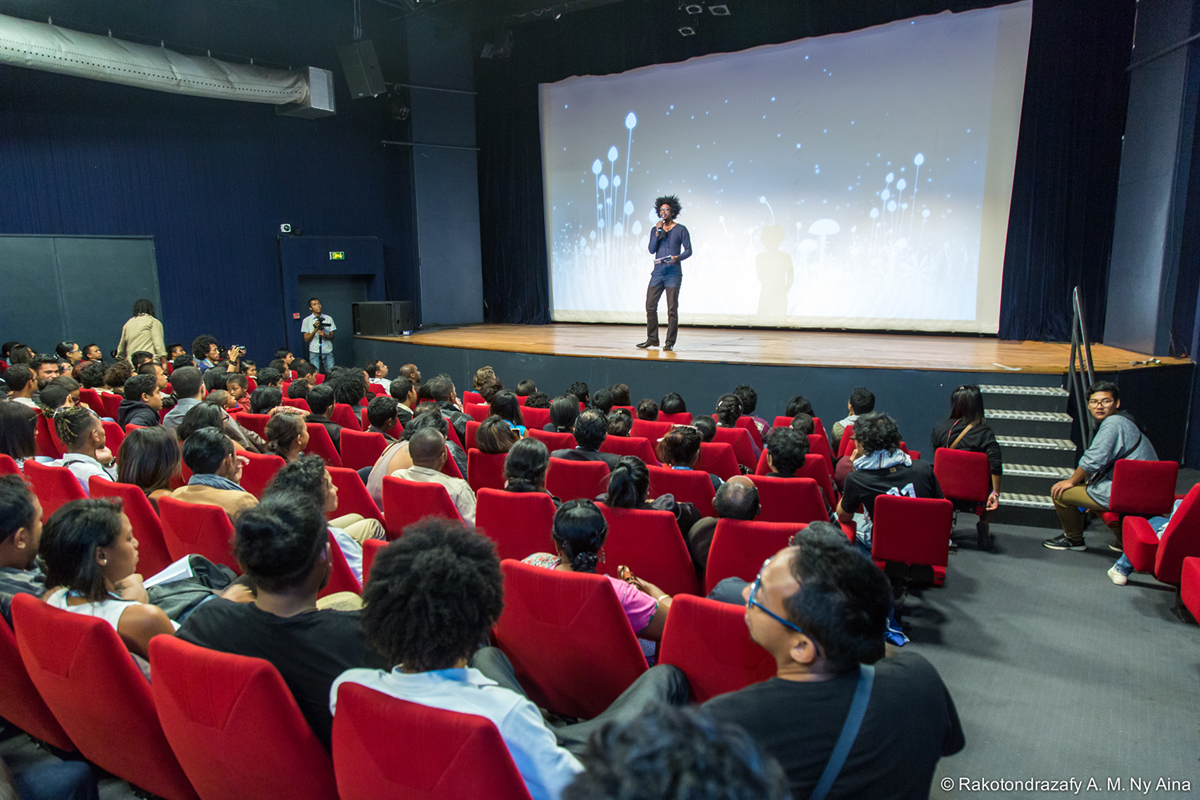 🇲🇬 Antananarivo, MadagascarRencontres du Film Court MadagasikaraRencontres du Film Court Madagascar
Madagascar's annual short film festival, held in Antananarivo with free screeningsFestival
🇲🇬 Antananarivo, MadagascarRencontres du Film Court MadagasikaraRencontres du Film Court Madagascar
Madagascar's annual short film festival, held in Antananarivo with free screeningsFestival
 🇲🇬 Antananarivo, MadagascarSavika
Traditional Betsileo zebu wrestling and courtship rite in MadagascarGame
🇲🇬 Antananarivo, MadagascarSavika
Traditional Betsileo zebu wrestling and courtship rite in MadagascarGame
 🇹🇿 Tanzania and 4 moreKanga
A colourful printed cotton wrap bearing proverbs, worn across East AfricaDress
🇹🇿 Tanzania and 4 moreKanga
A colourful printed cotton wrap bearing proverbs, worn across East AfricaDress
Photo credits on this page
The small pictures above come from Wikimedia Commons under free licences. Some are cropped to fit.
- Famadihana: Saveoursmile (Hery Zo Rakotondramanana), CC BY-SA 2.0, source
- Lamba: Lemurbaby at English Wikipedia, CC BY 3.0, source
- Sega: HelenOnline, CC BY-SA 4.0, source
- Hiragasy: Hopeandlink, CC BY-SA 4.0, source
- Fady: Robin Taylor, CC BY 2.0, source
- Valiha: Unknown author, Public domain, source
- Barkcloth: Hiart, CC0, source
- Ngalawa: Zenith4237, CC BY-SA 4.0, source
- Ancestor veneration: Thang Nguyen, CC BY-SA 2.0, source
- Ancestor worship: Lyn Gateley, CC BY 2.0, source
- Rencontres du Film Court Madagasikara: Natsuyasumi, CC BY-SA 4.0, source
- Savika: Obiniaina RANDRIANADRASANA, CC BY-SA 4.0, source
- Kanga: Petr Berka ( Petrberka ), Public domain, source