Folklore and beliefEast AsiaShinto, Taoist and folk Chinese
Senninbari
In its own language: 千人針
A belt stitched 1,000 times by many women, given to departing soldiers as a lucky amulet.

Senninbari is a belt or cloth strip bearing a thousand stitches, made in Japan and given to soldiers heading to war as a Shinto amulet. Women, often the departing man's mother, sister or wife, collected the stitches from passers-by near temples and stations, and the custom grew from the First Sino-Japanese War of 1894 to 1895.
When is Senninbari kept?
Senninbari is kept on when a soldier left for war, with no fixed annual date.
A senninbari is a strip of cloth, usually a belt, covered in a thousand stitches or knots. Each one came from a different woman. Families made them for men leaving for war, trusting the cloth to carry courage and protection. The white cloth and red thread were chosen as a lucky pairing. Some belts were kept as reminders of the women who had sewn them.
What it is
The word senninbari means thousand person stitches. The object itself is a belt or a length of cloth marked with a thousand knots or stitches, and normally no single seamstress supplied more than one of them. Most measured about fifteen centimetres across, and anywhere from ninety to a hundred and twenty centimetres long, sometimes longer. Strings, snaps or buttons at the ends let the wearer tie it around the waist; belts without them were simply tucked in. A long version called tasuki crossed the chest, shoulders and back. Others were never worn at all, but folded into a helmet liner, a pocket or a pack.
Origins and history
The practice appeared during the First Sino-Japanese War, which ran from 1894 to 1895. In that first period the amulets were small, square and about the size of a handkerchief. A thousand stitches were worked into the cloth to make it stronger, and the idea was that this strength would pass to the man who carried it. The custom continued and spread. By the Second World War, women's groups were gathering to make senninbari in large numbers, and finished belts went into imonbukuro, the bags prepared for troops at the front.
How it was made
A soldier's mother, sister or wife usually took charge. She would stand outside a local temple, a railway station or a department store and ask women passing by to add a stitch or a knot, so that the thousand marks came from many different hands. Women's organisations also met to work on them together when demand was high. Tradition held that a woman born under the Tiger sign might add twelve stitches, or as many as she had years. Some belts were lined with hair, sometimes from several women, a practice rooted in Okinawan folk belief. Coins were sewn into some belts too.
Cloth and patterns
White cloth with red thread was the usual choice, since the two colours together were thought lucky. Cloth in yellow, red or green also appears, worked with thread in yellow, gold, red or white. The stitches could sit in neat rows, or be arranged into pictures and words: flags, tigers, or patriotic slogans. The phrase most often stitched was bu-un cho-kyu, asking for lasting good fortune in war. Tigers were popular because people said a tiger could travel far from home and still come back safely. Besides belts, there were headbands called hachimaki, vests and caps.
Meaning and belief
People believed a senninbari gave its wearer courage, good fortune and safety from wounds, bullets above all. Not every soldier accepted that. Some held that the amulet would instead let them do the greatest possible harm to the enemy before they lost their own lives. Others treated the belt simply as a keepsake, a reminder of the women who had made it for them. A version worn around the belly, called senninbari haramaki, was thought to keep the wearer in good health as well as bring luck.
How Senninbari is kept
Making a senninbari began when a man received orders to leave for war. His mother, sister or wife obtained a length of cloth, often white, and stood where women passed by, at a temple, a station or a shop, asking each one to add a stitch. The belt was finished once a thousand marks were in place, then handed to the departing soldier to wear at his waist or carry folded. Through the Second World War, women's groups produced them in quantity, and they were packed into imonbukuro for the troops.
When and where
Senninbari belong to no date in the calendar. A belt was made when a particular man was about to go to war, so the work happened in the weeks before his departure. Large numbers were produced through the years of the Second World War, and the custom itself reaches back to the First Sino-Japanese War of 1894 to 1895.
The custom belongs to Japan and to the Empire of Japan, whose soldiers carried the belts. Women made them in towns and cities across the country, standing at local temples, railway stations and department stores to collect stitches. One strand of the practice, the lining of a belt with women's hair, comes from folk belief on the island of Okinawa.
What Senninbari means
For the families who made them, a senninbari carried hope. The thousand stitches stood for many hands and many wishes joined on one piece of cloth, and the belt was trusted to lend courage, luck and protection from bullets. Tigers spoke of a safe return from far away, and the stitched slogan asked for lasting fortune in war. To some soldiers the belt was less a shield than a memory of home and of the women who had sewn it.


Questions people ask about Senninbari
When is Senninbari kept?
Senninbari is kept on when a soldier left for war, with no fixed annual date.
What is a senninbari?
It is a belt or strip of cloth worked with a thousand stitches or knots, each usually made by a different woman, and given as a Shinto amulet to a Japanese soldier leaving for war. Most were about fifteen centimetres wide and between ninety and a hundred and twenty centimetres long.
Where does this custom come from?
It is Japanese. Women made senninbari in towns across Japan, working at temples, railway stations and department stores to gather stitches from passers-by. Soldiers of the Empire of Japan carried them. The practice of lining a belt with women's hair comes from folk belief on Okinawa.
Did people believe the belt could stop bullets?
Many did. The amulet was thought to give courage, good luck and protection from injury, especially from bullets. Some soldiers disagreed, holding instead that it would let them strike the enemy hard before they died. Others kept the belt simply as a memento of the women who made it.
What part does the tiger play?
Tigers stitched or painted on a senninbari echoed a popular idea: a tiger could go far from home and still return safely. According to tradition, a woman born under the Tiger sign might contribute twelve stitches, or a number matching her age.
See also
 Maneki-nekoA lucky cat figurine, paw raised, kept by shop doors and in homes across Japan
 Three CorpsesA Daoist belief in three inner parasites that cause illness and cut life short
 Daruma dollA round Japanese wishing doll: fill one eye to set a goal, the other to mark it done.
 Yin and yangTwo opposite but complementary forces that Chinese thought sees in all things
Good reading and sources
- Senninbari on WikipediaEncyclopedia
- More photos on Wikimedia CommonsPhotos and video
- Wikidata recordOpen data
The facts on this page come from the Wikipedia article "Senninbari", written by its contributors and used under the CC BY-SA 4.0 licence, and from its Wikidata record (CC0). EveryParampara rewrote the text in its own words, with AI assistance, and compares every page with the article to make sure no passage is copied. It may be reused under the same CC BY-SA 4.0 licence with a link back.
It may contain mistakes. Traditions differ from one family, village and community to the next, and the people who keep them know them best. If something is wrong, tell us. Last refreshed 2026-10-14.
More from Japan
All the traditions of Japan
🇯🇵 Takasaki, JapanDaruma doll達磨 (daruma)
A round Japanese wishing doll: fill one eye to set a goal, the other to mark it done.Folklore
🇯🇵 Tokyo, Japan and 2 moreManeki-neko招き猫
A lucky cat figurine, paw raised, kept by shop doors and in homes across JapanFolklore
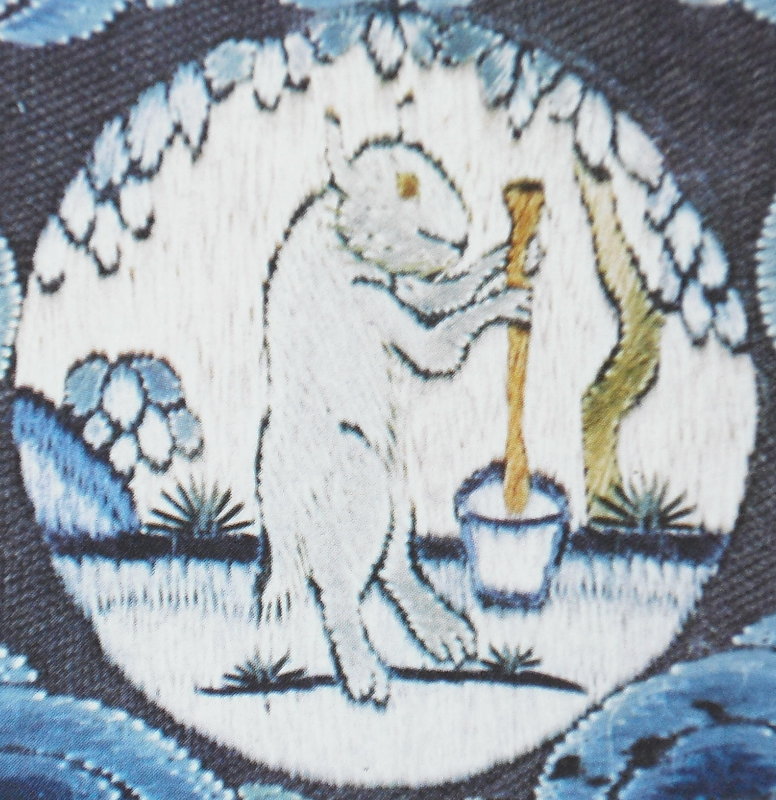 🇨🇳 China and 5 moreMoon rabbit月兔
A hare seen in the Moon's dark patches, pounding rice cakes or the elixir of lifeFolklore
🇨🇳 Luoyang, China and 1 moreYin and yang陰陽
Two opposite but complementary forces that Chinese thought sees in all thingsFolklore
🇨🇳 China and 5 moreMoon rabbit月兔
A hare seen in the Moon's dark patches, pounding rice cakes or the elixir of lifeFolklore
🇨🇳 Luoyang, China and 1 moreYin and yang陰陽
Two opposite but complementary forces that Chinese thought sees in all thingsFolklore
The same idea elsewhere
Healing, luck and protection compared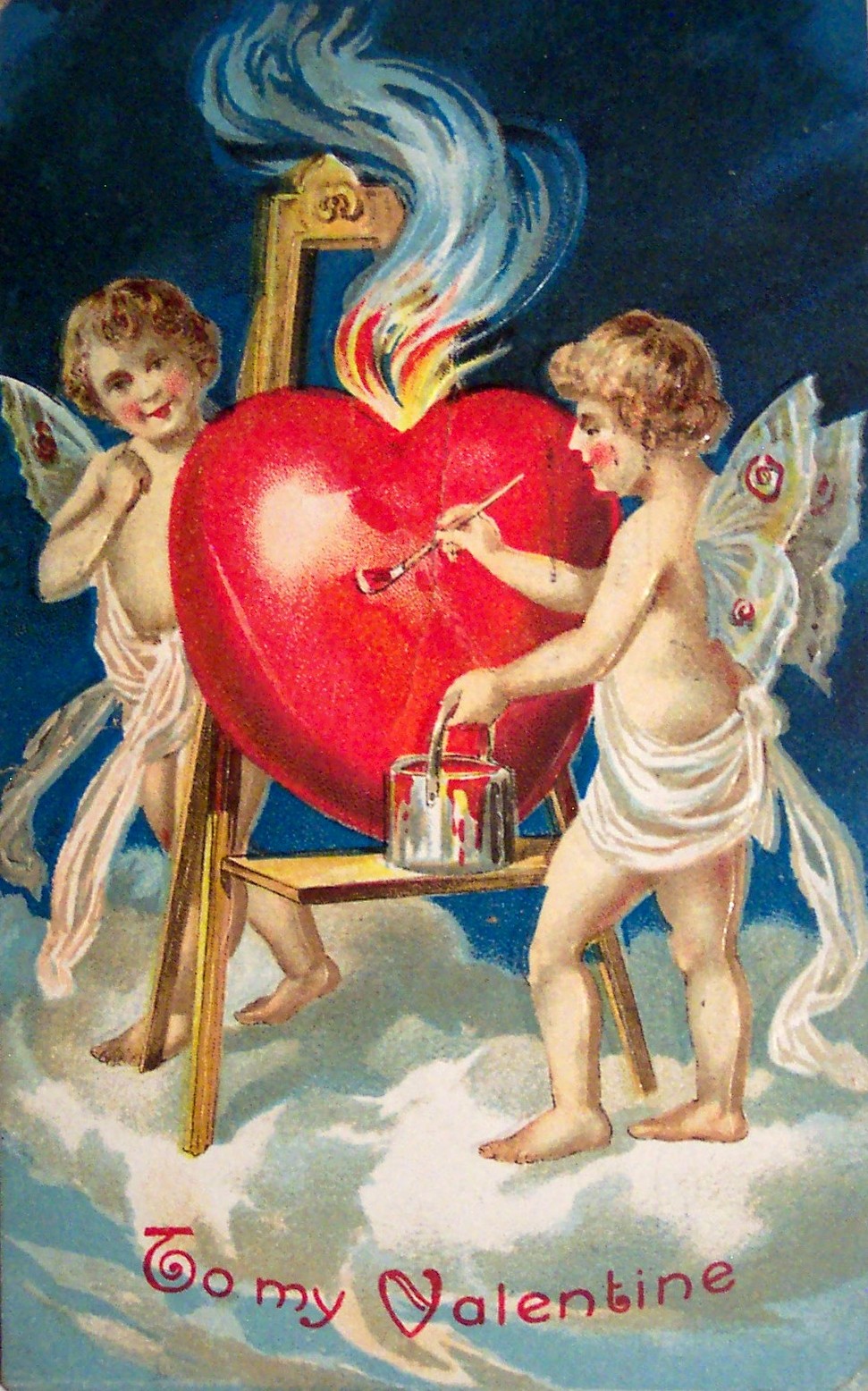 🇮🇹 Rome, Italy and 4 moreValentine's Day
A Christian feast day and cultural celebration of love kept on February 14 in many countries.Festival
🇮🇹 Rome, Italy and 4 moreValentine's Day
A Christian feast day and cultural celebration of love kept on February 14 in many countries.Festival
 🇩🇪 Germany and 5 moreChristmas tree
A decorated evergreen or artificial tree placed indoors to mark the Christmas season.Festival
🇩🇪 Germany and 5 moreChristmas tree
A decorated evergreen or artificial tree placed indoors to mark the Christmas season.Festival
 🇫🇷 France and 5 moreCandlemas
A Christian feast of candle blessings marking the end of the Christmas seasonSpiritual
🇫🇷 France and 5 moreCandlemas
A Christian feast of candle blessings marking the end of the Christmas seasonSpiritual
 🇺🇸 United States and 4 moreFriday the 13th
A Western folk superstition regarding the unluckiness of a Friday falling on the 13th.Folklore
🇺🇸 United States and 4 moreFriday the 13th
A Western folk superstition regarding the unluckiness of a Friday falling on the 13th.Folklore