Folklore and beliefEast AsiaBuddhistIndigenous and traditional
Moon rabbit
In its own language: 月兔
A hare seen in the Moon's dark patches, pounding rice cakes or the elixir of life
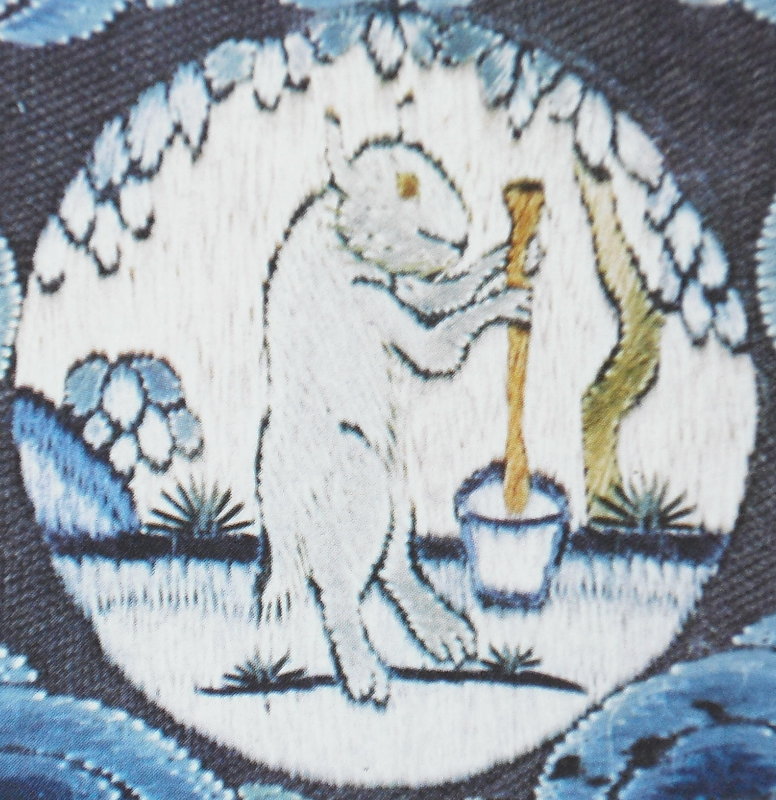
The Moon rabbit is the hare that people see in the dark and light patterns on the Moon's face. Stories about it are told in China, Japan, Korea, Vietnam and elsewhere in Asia, and among some indigenous peoples of the Americas; in East Asia it stands at a mortar and pestle, pounding rice cakes or an elixir of life.
When is Moon rabbit marked?
Moon rabbit is kept as part of Mid-Autumn Festival, which is on Wednesday, 15 September 2027.
Look at the Moon's dark patches and many people see a hare. In China, Japan, Korea and Vietnam it stands upright at a mortar and works a pestle, pounding rice cakes, cakes or the elixir of life. The same likeness appears in legends from several indigenous cultures of the Americas. Its story is told at the mid-autumn full moon and in Buddhist tales of a rabbit's generosity.
What it is
People have long picked out a hare in the light and dark shapes of the Moon's surface. In the East Asian telling, the animal sits or stands upright beside a mortar and works a pestle. What it is pounding changes from place to place. In Chinese lore the rabbit is called Yutu and is often shown with the Moon goddess Chang'e, making the elixir of life for her; some versions have it pounding cakes, rice cakes or mooncakes, or medicine for people on Earth. Japanese and Korean stories give it the ingredients for mochi, tteok or other rice cakes. In Vietnam it appears with Hằng Nga and Chú Cuội and pounds the elixir of immortality.
Origins and history
A Chinese anthology called the Chu Ci is an early source. It gathers poems from the Warring States period and was put together in the Western Han. It mentions a toad and a hare on the Moon, with the hare endlessly grinding herbs for the immortals' medicine. Later books, among them the Song-era Taiping Imperial Reader, repeat the idea. Because rabbits had not yet reached China in Western Han times, the animal in that first image was a hare. Han dynasty poets gave it names: the Jade Hare and the Gold Hare, both used as ways of saying the Moon itself. The Tang poet Li Bai wrote that the rabbit in the Moon pounds medicine to no purpose.
The Buddhist tale
Tale 316 of the Buddhist Jataka stories tells of four animals who promise to give to others on the full moon day, Uposatha. The four are a monkey, a jackal, an otter and a rabbit. Each believes a great act of virtue earns a great reward. An old man comes begging. The monkey gathers fruit, the otter catches fish, the jackal finds a lizard and a pot of milk-curd. The rabbit knows only how to gather grass, so it throws itself into a prepared fire, and is not burnt. The beggar is Śakra, who is so moved that he draws the rabbit's likeness on the Moon. The rabbit is believed to be a Bodhisattva.
Indigenous American legends
Some indigenous peoples of the Americas also saw a rabbit in the Moon, most likely for the same reason: the shapes on its face. In ancient Maya art a rabbit often stands beside the Moon Goddess and another deity linked to the Moon. One Aztec story tells how Quetzalcoatl, walking the Earth as a man, grew hungry and tired with no food or water. A rabbit grazing nearby offered her own body to save him. Moved by this, he lifted her to the Moon and left her image there, telling her that everyone would remember her. In another Mesoamerican account, the gods threw a rabbit at Tecciztecatl to dim his light when he became the Moon. A Cree legend says Rabbit still rides the Moon.
Festivals and today
The legend is remembered at mid-autumn festivals: the Mid-Autumn Festival in China, Tết Trung Thu in Vietnam, Tsukimi in Japan, Chuseok in Korea and Bon Om Touk in Cambodia. In Vietnam, the Jade Rabbit, the Moon Lady and Cuội are the three figures of the holiday, and people say they come down to the world and hand out cellophane lanterns, mooncakes and presents to children. The rabbit also appears in Chinese fiction, where in Journey to the West the fairy Chang'e and Taiyin Xingjun come to rescue a Jade Rabbit who has escaped from a palace on the Moon. In modern times China named its Moon rovers Yutu and Yutu-2 after the figure.
How Moon rabbit is kept
In the countries where the story is told, people keep it by watching the Moon. On the night of the mid-autumn full moon, families gather outdoors, watch it rise and point out the hare's outline. In Vietnam children are given cellophane lanterns, mooncakes and small gifts, and hear that the Jade Rabbit, the Moon Lady and Cuội have come down for the evening. Chinese families tell the tale of Chang'e and Yutu as they eat. The story is told rather than performed, so the details change with the teller and the country.
When and where
The rabbit is pointed out on any clear full moon. The festivals that carry its story are autumn ones: the Mid-Autumn Festival, Tết Trung Thu, Tsukimi, Chuseok and Cambodia's Bon Om Touk. Since they follow the lunar calendar, their dates shift from year to year.
The story is best known in East Asia: China, Japan, Korea and Vietnam. The sources also place it in India, Sri Lanka, Cambodia, Thailand and Myanmar. Chinese and Vietnamese versions are the ones most often told outside the region. In the Americas, a rabbit on the Moon also appears in the art of the ancient Maya and in Aztec and Cree legends.
What Moon rabbit means
For the people who tell it, the hare is a picture of self-sacrifice. In the Buddhist tale it gives up its own body, and its image is left in the sky as a reward; a Bodhisattva, in this tradition, is a being who puts others first. Chinese versions tie the animal to Chang'e and to the elixir of life, so the Moon holds both longing and the promise of long life. In the Aztec story, the rabbit's willingness to feed a hungry god is what earns her a place in the Moon.
Days Moon rabbit is marked
Questions people ask about Moon rabbit
When is Moon rabbit marked?
Moon rabbit is kept as part of Mid-Autumn Festival, which is on Wednesday, 15 September 2027.
What is the Moon rabbit?
It is a hare that many people see in the dark and light patterns on the Moon's face. In East Asian stories it stands at a mortar and pestle, pounding rice cakes or an elixir of life. Similar rabbit legends exist among some indigenous peoples of the Americas.
Where does the story come from?
The legend is said to have begun in China and to have spread through Asia. It can be found in Japan, Korea, Vietnam, India, Sri Lanka, Cambodia, Thailand and Myanmar. Legends of a rabbit on the Moon also exist among some indigenous peoples of the Americas, quite apart from the Asian stories.
Why is the rabbit pounding?
In Chinese tellings it works at the elixir of life for the goddess Chang'e, and some versions have it pounding cakes, rice cakes, mooncakes or medicine for people on Earth. Japanese and Korean stories give it the ingredients for mochi or tteok. Vietnamese versions say it pounds the elixir of immortality.
Is the Moon rabbit a religious figure?
Buddhist storytelling gives the rabbit one of its oldest tellings: Jataka tale 316, in which a rabbit offers its own body to a beggar and is honoured by Śakra. The rabbit is believed to be a Bodhisattva. The same figure appears in Chinese, Japanese, Korean and Vietnamese folklore.
See also
 NazarA blue glass eye amulet worn and displayed to deflect the evil eye.
 OvooA stone cairn on a peak or pass, circled by travellers and honoured in sky worship
 Water lanternSmall lamps floated on water to honour the dead and ask for good fortune
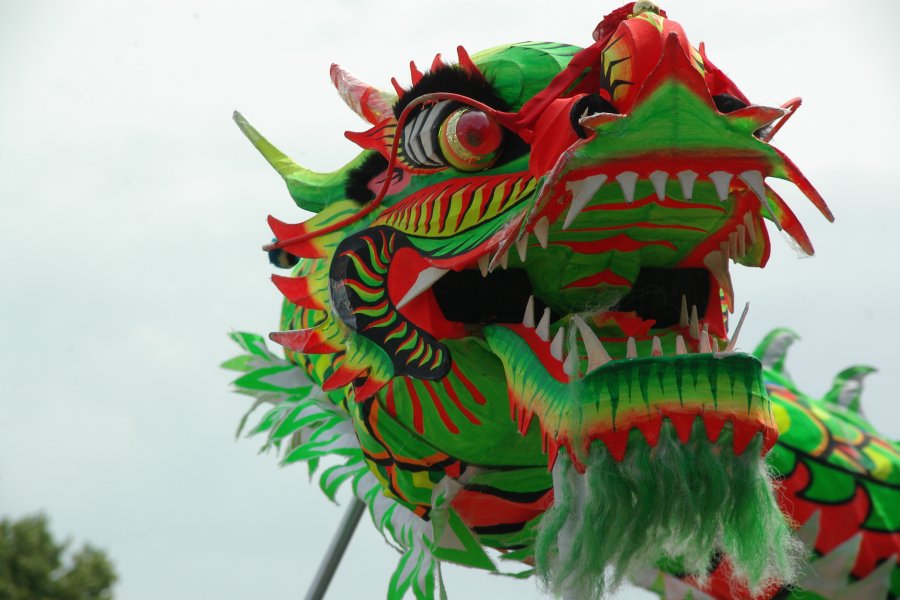 Dragon danceA long dragon puppet on poles, danced by a team at Chinese New Year and other festivals
Good reading and sources
- China to Send 'Jade Rabbit' Rover to the MoonThe New York Times, Article
- Oldest Brit winner David Bowie enters independence debateBBC, Article
- China to Send 'Jade Rabbit' Rover to the MoonThe New York Times, Article
- Oldest Brit winner David Bowie enters independence debateBBC, Article
- Moon rabbit on WikipediaEncyclopedia
- More photos on Wikimedia CommonsPhotos and video
- Wikidata recordOpen data
The facts on this page come from the Wikipedia article "Moon rabbit", written by its contributors and used under the CC BY-SA 4.0 licence, and from its Wikidata record (CC0). EveryParampara rewrote the text in its own words, with AI assistance, and compares every page with the article to make sure no passage is copied. It may be reused under the same CC BY-SA 4.0 licence with a link back.
It may contain mistakes. Traditions differ from one family, village and community to the next, and the people who keep them know them best. If something is wrong, tell us. Last refreshed 2026-10-05.
More from China
All the traditions of China 🇯🇵 Tokyo, Japan and 2 moreManeki-neko招き猫
A lucky cat figurine, paw raised, kept by shop doors and in homes across JapanFolklore
🇯🇵 Tokyo, Japan and 2 moreManeki-neko招き猫
A lucky cat figurine, paw raised, kept by shop doors and in homes across JapanFolklore
 🇨🇳 Beijing, ChinaZangfu臟腑 (simplified 脏腑; zàngfǔ)
A Chinese medicine view of organs as networks of qi, blood and five phasesFolklore
🇨🇳 ChinaSymbolic stars神煞
Helpful and harmful influences read from the Chinese calendar's stems and branchesFolklore
🇨🇳 Beijing, ChinaZangfu脏腑
A traditional Chinese model of internal organs as paired networks of energy and functionFolklore
🇨🇳 Beijing, ChinaZangfu臟腑 (simplified 脏腑; zàngfǔ)
A Chinese medicine view of organs as networks of qi, blood and five phasesFolklore
🇨🇳 ChinaSymbolic stars神煞
Helpful and harmful influences read from the Chinese calendar's stems and branchesFolklore
🇨🇳 Beijing, ChinaZangfu脏腑
A traditional Chinese model of internal organs as paired networks of energy and functionFolklore
The same idea elsewhere
Healing, luck and protection compared 🇩🇪 Germany and 5 moreChristmas tree
A decorated evergreen or artificial tree placed indoors to mark the Christmas season.Festival
🇩🇪 Germany and 5 moreChristmas tree
A decorated evergreen or artificial tree placed indoors to mark the Christmas season.Festival
 🇫🇷 France and 5 moreCandlemas
A Christian feast of candle blessings marking the end of the Christmas seasonSpiritual
🇫🇷 France and 5 moreCandlemas
A Christian feast of candle blessings marking the end of the Christmas seasonSpiritual
 🇮🇪 Ireland and 2 moreJack-o'-lantern
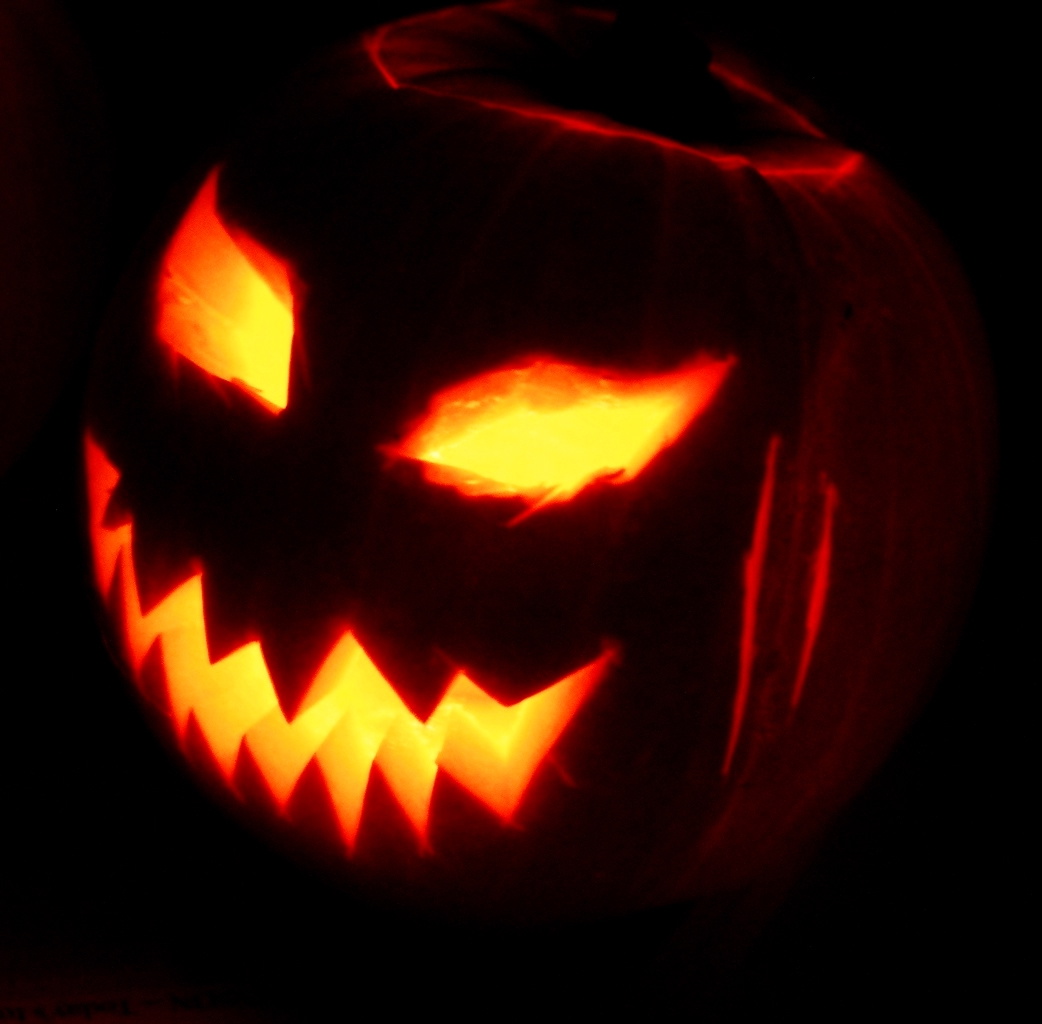
A carved pumpkin lantern lit with a candle to brighten and protect Halloween nightsFolklore
🇮🇪 Ireland and 2 moreJack-o'-lantern
A carved pumpkin lantern lit with a candle to brighten and protect Halloween nightsFolklore
 🇺🇸 United States and 4 moreFriday the 13th
A Western folk superstition regarding the unluckiness of a Friday falling on the 13th.Folklore
🇺🇸 United States and 4 moreFriday the 13th
A Western folk superstition regarding the unluckiness of a Friday falling on the 13th.Folklore