Folklore and beliefEast AsiaBuddhist
Daruma doll
In its own language: 達磨 (daruma)
A round Japanese wishing doll: fill one eye to set a goal, the other to mark it done.

A daruma is a hollow, rounded doll from Japan, modeled on Bodhidharma, the monk honored as the founder of Zen. People there set a wish, ink one of its eyes and fill in the second when it comes true; old dolls go back to temples to be burned, above all in Takasaki.
When is Daruma doll kept?
Daruma doll is kept on a goal is marked when a doll is bought. Old dolls go back to the temple to be burned as one year closes and the next opens..
A daruma is a round, hollow doll from Japan, made in the likeness of Bodhidharma, the monk who brought Zen teaching to China. Buyers leave its eyes blank, fill one when they set themselves a task, and fill the other once the task is done. It is kept as a lucky charm and a reminder to keep going.
A round wishing doll
Daruma dolls are hollow, rounded and weighted at the base. Tip one and it rights itself. In Japanese such a toy is called okiagari, from words meaning to get up and to rise. Most are formed from papier-mâché, and red is the usual color, though both color and design shift with the region and the artist. Some people see only a plaything. For many others the daruma is a charm against bad luck and a present for someone facing a hard task. Children meet the shape again in yukidaruma, the snow daruma, and in games such as Daruma Otoshi.
From charms to dolls
The good-luck daruma is traced to Shorinzan Daruma Temple in Takasaki, Gunma Prefecture. Josef Kyburz, who wrote about toys, records that the temple's founder drew New Year charms showing Bodhidharma, kept by households for prosperity and protection. Such a charm lasted a single year, so people asked for new ones each New Year. During the Meiwa period, about 1764 to 1772, the ninth priest, Togaku, gave out wooden molds so they could make their own, and local farmers pressed papier-mâché into them. Kyburz adds that nobody knows when the daruma shape joined the tumbler doll, but the two were treated as the same toy by the mid-1800s.
Marking a goal
A new daruma has two blank white eyes. The owner thinks of a wish or a task and inks the left eye, using Chinese or Japanese ink. The right eye stays empty. Each time the half-painted doll is seen, the aim returns to mind. When the wish is granted, the second eye goes in, and the doll is said to have both eyes open. In older households only the head of the family painted them. Politicians have used the same gesture, and Japanese parties have kept large daruma at their offices while campaigning. The Matsukawa Daruma comes with both eyes already painted, to watch over a home.
Red robes and long life
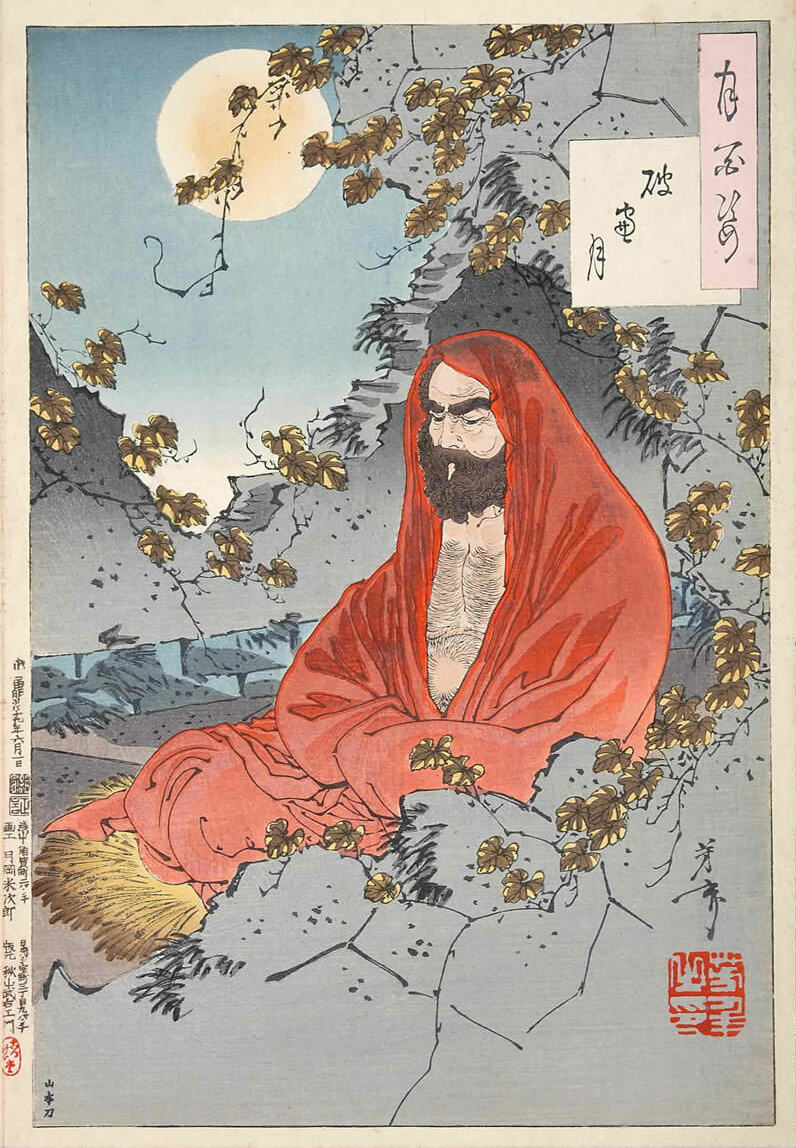
Red is the traditional color, and one common explanation links it to the robes of Buddhist priests. The art historian James T. Ulak traced images of Bodhidharma in rich red robes that come before the doll. In the Edo period red was tied to smallpox and measles: families strung red paper strips on ropes, dressed a sick child in red and set a small altar for the god of smallpox, hoping the child would be spared. Dolls now come in five-color sets called Goshiki Daruma, and in gold for luck with money. Eyebrows shaped as a crane and cheek hair like a tortoise's shell wish long life. Princess Daruma and Lady Daruma are feminine forms, begun in the Edo period, that keep the same promise of good luck.
Burning and the market
Old daruma are not thrown away. At the close of the year, owners carry the figures they have kept back to the temple that sold them. They give thanks, hand the dolls over and buy new ones for the year ahead. The gathered figures are burned in a rite called daruma kuyō, most famously at Nishi-Arai Daishi Temple in Tokyo and Dairyū-ji Temple in Gifu. Monks enter in procession, read sutras and sound horns before the flames take tens of thousands of dolls. Takasaki's own market, the daruma-ichi, draws visitors by the hundred thousand, and its monks read sutras for world peace.
How Daruma doll is kept
A daruma is bought with both eyes blank. The owner chooses a wish or a task, then inks the left eye with Chinese or Japanese ink. The doll is kept where it can be seen, so that the single painted eye keeps the aim in mind. Once the wish is fulfilled, the right eye is filled in. At the end of the year, people take used dolls back to the temple that sold them, thank them, hand them over and buy new ones. The temple then burns the collected figures.
When and where
New Year is the fixed point in the daruma year. Charms and dolls are bought then, and the burning of old figures comes as one year ends and the next begins. Takasaki's daruma market, the daruma-ichi, is a New Year event, and the temple rites there run through the day and night.
Daruma dolls belong to Japan. Takasaki, north of Tokyo in Gunma Prefecture, calls itself their birthplace and supplies most of the country's dolls. The most renowned burning rites take place at Nishi-Arai Daishi Temple in Tokyo and at Dairyū-ji Temple in Gifu. Politicians in Tokyo have also kept large daruma at party offices as prayers for election wins.
What Daruma doll means
A daruma stands for not giving up. Its rounded base rights itself however often it is tipped, and Japanese speakers sum this up with a saying about falling seven times and getting up eight. The blank eyes turn an ordinary wish into something you watch over. The crane in the eyebrows and the tortoise in the cheek hair point to long life. Red, once tied to the smallpox god and to a patient's recovery, still carries a wish for good health and good fortune.


Questions people ask about Daruma doll
When is Daruma doll kept?
Daruma doll is kept on a goal is marked when a doll is bought. Old dolls go back to the temple to be burned as one year closes and the next opens..
What is a daruma doll?
It is a hollow, rounded Japanese doll modeled on Bodhidharma, the monk honored as the founder of Zen. Most are made of papier-mâché and most are red. Many owners keep one as a lucky charm or give one to someone beginning a difficult task.
Why do daruma have blank eyes?
The buyer paints one eye when setting a goal and the second when the goal is reached. Until then the single painted eye keeps the aim in view. Some explain the custom as a promise to give the doll full sight once it grants the wish.
Where is the daruma festival?
Takasaki in Gunma Prefecture, the city that calls itself the doll's birthplace, holds the daruma-ichi at Shorinzan Daruma Temple. City figures put attendance above 400,000, and the temple's monks read sutras through the night for world peace.
Are all daruma red?
No. Red is the traditional color, but dolls come in many shades, and sets of five, called Goshiki Daruma, hold blue, yellow, red, white and black. Gold ones are kept for luck in money matters, and some regions make slimmer blue dolls whose eyes are painted already.
See also
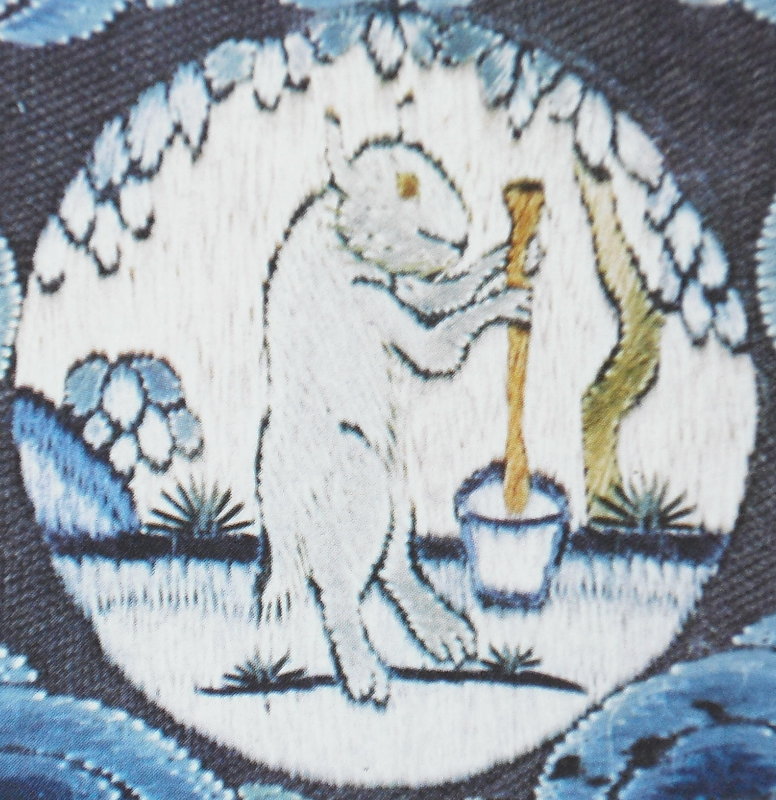 Moon rabbitA hare seen in the Moon's dark patches, pounding rice cakes or the elixir of life
 KarutaJapanese playing cards from the 16th century, still raced over poems each New Year
 Water lanternSmall lamps floated on water to honour the dead and ask for good fortune
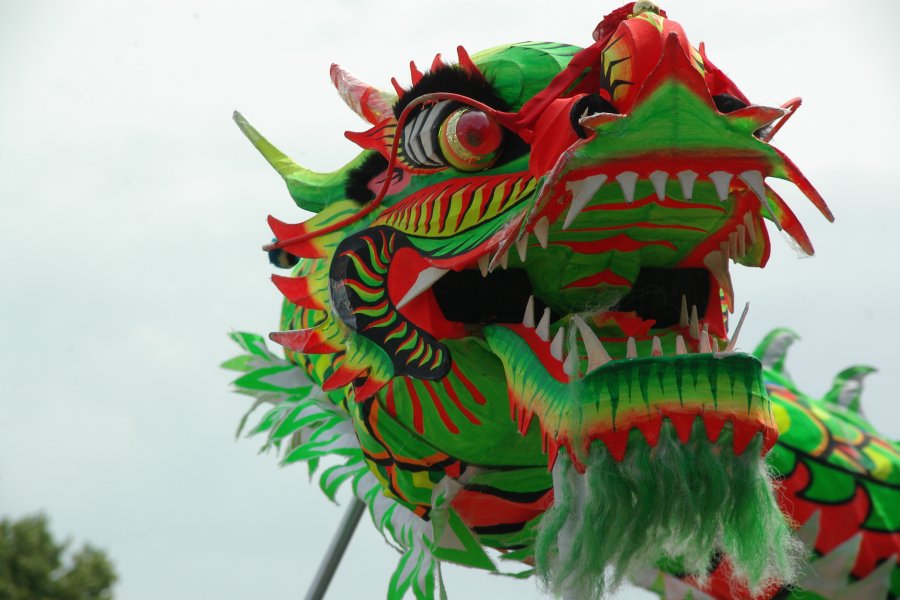 Dragon danceA long dragon puppet on poles, danced by a team at Chinese New Year and other festivals
Good reading and sources
- Prime Minister Narendra Modi receives sacred Daruma doll on trip to Japan; how this cultural artifact forms a bridge between Indian heritageThe Indian Express, Article
- Prime Minister Narendra Modi receives sacred Daruma doll on trip to Japan; how this cultural artifact forms a bridge between Indian heritageThe Indian Express, Article
- Daruma doll on WikipediaEncyclopedia
- More photos on Wikimedia CommonsPhotos and video
- Wikidata recordOpen data
The facts on this page come from the Wikipedia article "Daruma doll", written by its contributors and used under the CC BY-SA 4.0 licence, and from its Wikidata record (CC0). EveryParampara rewrote the text in its own words, with AI assistance, and compares every page with the article to make sure no passage is copied. It may be reused under the same CC BY-SA 4.0 licence with a link back.
It may contain mistakes. Traditions differ from one family, village and community to the next, and the people who keep them know them best. If something is wrong, tell us. Last refreshed 2026-10-05.
More from Japan
All the traditions of Japan 🇯🇵 Tokyo, Japan and 2 moreManeki-neko招き猫
A lucky cat figurine, paw raised, kept by shop doors and in homes across JapanFolklore
🇨🇳 China and 5 moreMoon rabbit月兔
A hare seen in the Moon's dark patches, pounding rice cakes or the elixir of lifeFolklore
🇯🇵 Tokyo, Japan and 2 moreManeki-neko招き猫
A lucky cat figurine, paw raised, kept by shop doors and in homes across JapanFolklore
🇨🇳 China and 5 moreMoon rabbit月兔
A hare seen in the Moon's dark patches, pounding rice cakes or the elixir of lifeFolklore
 🇨🇳 Luoyang, China and 1 moreYin and yang陰陽
Two opposite but complementary forces that Chinese thought sees in all thingsFolklore
🇨🇳 Luoyang, China and 1 moreYin and yang陰陽
Two opposite but complementary forces that Chinese thought sees in all thingsFolklore
 🇮🇪 Ireland and 5 moreFairy ring
A natural ring of mushrooms formed by fungal growth, surrounded by folklore across Europe and beyond.Folklore
🇮🇪 Ireland and 5 moreFairy ring
A natural ring of mushrooms formed by fungal growth, surrounded by folklore across Europe and beyond.Folklore
The same idea elsewhere
New Year compared 🇮🇩 IndonesiaOgoh-ogohᬳᭀᬕᭀᬄᬳᭀᬕᭀᬄ
Giant handcrafted statues paraded and burned on the eve of the Balinese Saka New YearFestival
🇮🇩 IndonesiaOgoh-ogohᬳᭀᬕᭀᬄᬳᭀᬕᭀᬄ
Giant handcrafted statues paraded and burned on the eve of the Balinese Saka New YearFestival
 🇬🇧 United Kingdom and 5 moreYule log
A log kept burning on the hearth through the twelve days of Christmas, for luckSeasonal
🇬🇧 United Kingdom and 5 moreYule log
A log kept burning on the hearth through the twelve days of Christmas, for luckSeasonal
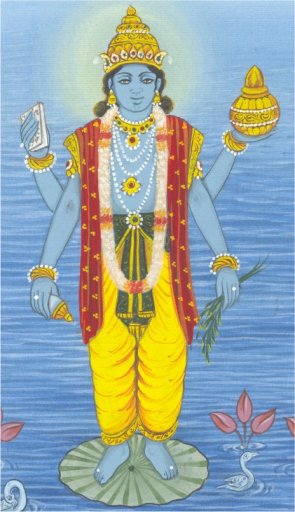 🇮🇳 India and 1 moreDhanterasधनतेरस (Hindi), धनत्रयोदशी (Sanskrit)
The first day of Diwali, a festival of lamps, health and wealth kept across India and Nepal.Festival
🇮🇳 India and 1 moreDhanterasधनतेरस (Hindi), धनत्रयोदशी (Sanskrit)
The first day of Diwali, a festival of lamps, health and wealth kept across India and Nepal.Festival
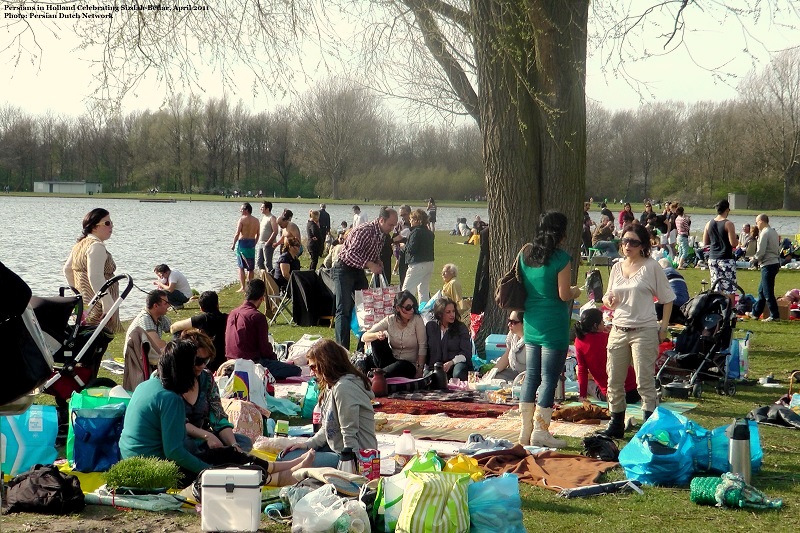 🇮🇷 Iran and 4 moreSizdah Bedarسیزدهبدر
An open-air picnic holiday concluding the Iranian New Year celebrationsFestival
🇮🇷 Iran and 4 moreSizdah Bedarسیزدهبدر
An open-air picnic holiday concluding the Iranian New Year celebrationsFestival