Home and family lifeEuropeMuslimSecular and civic
Siesta
A short afternoon rest or sleep taken after the midday meal

A siesta is a short sleep or rest taken during the early afternoon, usually right after the main midday meal. Practised across Southern Europe, the Mediterranean, parts of Asia, Latin America, and the Middle East, it helps people escape daytime heat and recharge before evening work.
When is Siesta kept?
Siesta is kept on daily in the early afternoon, following the midday meal.
A siesta is a short period of rest or sleep taken in the early afternoon, typically after finishing the midday meal. Rooted in ancient habits across sunny climates, this pause allows people to avoid the harshest heat of the day, digest their food, and refresh themselves before resuming work or household duties late into the evening.
Ancient roots and names
The tradition traces back to antiquity. Ancient Romans took an afternoon pause known as the sixth hour or merīdiātiō, measured from dawn. Roman writers recorded the habit, which was later kept by rulers such as Charlemagne in summer. The word siesta entered Spanish from this Roman count of hours. Other cultures developed their own terms for the same habit. In Italy, people speak of a riposino, a pennichella, or a pisolino. French speakers named the midday couch a méridienne, while coastal Croatians call the break pižolot. In China, the customary midday nap is known as wǔshuì, where a large majority of citizens take a brief sleep after eating.
Schedules and daily life
Midday naps shape daily routines across Southern Europe, Latin America, and the Middle East. Farm workers originally rested during the hottest afternoon hours so they could labour comfortably until dusk. In countries such as Spain and Greece, the working day is often split. People pause in the early afternoon and return to jobs between five and nine in the evening. In Egypt and neighbouring lands, office staff commonly finish work around midday, eat their principal meal, and take a nap before evening chores. Rather than going to bed in pyjamas, most people who keep the custom today choose to rest comfortably on a living-room sofa.
Spiritual and physical benefits
In Islamic tradition, the midday rest is called qailulah and is considered an encouraged practice recommended by the Prophet Muhammad. Taken between the midday and mid-afternoon prayers, it helps worshippers stay alert for pre-dawn devotions and night prayers. Beyond spiritual life, science links afternoon rest to natural human biology. Sleep pressure builds during the morning hours, while body temperature and alertness dip after lunch. Studies conducted in Greece linked regular naps with reduced cardiovascular strain and healthier heart outcomes. Modern variations range from rapid five-minute pauses and coffee-assisted snoozes to longer rests lasting over half an hour.
Modern changes and revival
Urban life and modern office hours have altered how often people rest at noon. In Spain and Portugal, daily siestas among working adults have dropped steadily over recent decades, remaining most frequent among older generations or during hot summer breaks. At the same time, the concept has gained fresh respect in places like the United States and the United Kingdom. Rebranded as the power nap, short daytime rests are increasingly welcomed in workplaces to combat fatigue and avoid burnout. Rather than viewing the pause as inactivity, contemporary workplaces recognise that a brief nap helps workers reset attention and sustain energy throughout the day.
How Siesta is kept
People generally begin the custom after eating a heavy midday meal. In warm climates, workers and families retreat indoors during the hottest hours, usually between one and four o'clock. Rather than changing into sleepwear, individuals often stretch out on a couch or recliner for a short slumber. Some people choose a quick five-minute rest, while others sleep for twenty to thirty minutes or longer. In places where the workday splits, people wake, sometimes drink tea or coffee, and return to work until late in the evening.
When and where
The break takes place every day in the early afternoon, roughly six hours after sunrise, following the main midday meal. It is especially common during the hot summer months.
The custom thrives in Mediterranean nations like Spain, Greece, and Italy, throughout Latin America, in mainland China, and across the Middle East. It is also practised in colder areas such as Patagonia.
What Siesta means
For those who practise it, the afternoon rest represents balance, recuperation, and sensible living aligned with the climate. It counters daily stress and burnout, offering a mindful pause between the morning's labours and evening social life. In religious settings, it is valued as an intentional discipline that restores physical energy for evening tasks and pre-dawn worship.


Questions people ask about Siesta
When is Siesta kept?
Siesta is kept on daily in the early afternoon, following the midday meal.
What is a siesta?
A siesta is a short nap or restful break taken in the early afternoon, usually following the midday meal. It allows people to avoid peak heat, digest food, and recharge for the remaining day.
Where is the afternoon nap customary?
It is widely practised in Southern Europe, including Spain, Italy, and Greece, as well as in mainland China, Latin America, the Philippines, and across the Middle East.
Does taking a siesta mean people work less?
No. In countries with split workdays like Spain and Greece, employees return to their duties in the late afternoon and work until eight or nine at night, completing standard or longer total annual hours.
What is the Islamic practice of qailulah?
Qailulah is an encouraged midday nap recommended by the Prophet Muhammad. Taken between midday and mid-afternoon prayers, it helps Muslims regain strength for daily duties and nighttime prayer.
See also
 Mother's DayA worldwide annual celebration dedicated to mothers, maternal bonds and family care
 ChristmasA festival of Jesus's birth, kept on 25 December with gifts, lights and shared meals
 HalloweenAn annual observance on 31 October marking the eve of All Saints' Day, rooted in Christian tradition and Celtic heritage
 Valentine's DayA Christian feast day and cultural celebration of love kept on February 14 in many countries.
Good reading and sources
- Spaniards’ lack of sleep isn’t a cultural thing – they’re in the wrong time zoneThe Guardian, Article
- Spaniards’ lack of sleep isn’t a cultural thing – they’re in the wrong time zoneThe Guardian, Article
- Siesta on WikipediaEncyclopedia
- More photos on Wikimedia CommonsPhotos and video
- Wikidata recordOpen data
The facts on this page come from the Wikipedia article "Siesta", written by its contributors and used under the CC BY-SA 4.0 licence, and from its Wikidata record (CC0). EveryParampara rewrote the text in its own words, with AI assistance, and compares every page with the article to make sure no passage is copied. It may be reused under the same CC BY-SA 4.0 licence with a link back.
It may contain mistakes. Traditions differ from one family, village and community to the next, and the people who keep them know them best. If something is wrong, tell us. Last refreshed 2026-10-04.
More from Spain
All the traditions of Spain
🇮🇪 Ireland and 5 moreHalloween
An annual observance on 31 October marking the eve of All Saints' Day, rooted in Christian tradition and Celtic heritageFestival · Sweets given and shared
 🇵🇭 Philippines and 5 moreHoly WeekἉγία καὶ Μεγάλη Ἑβδομάς
The solemn seven days leading to Easter, recalling the final week and Passion of JesusSpiritual · Fasting and breaking the fast
🇵🇭 Philippines and 5 moreHoly WeekἉγία καὶ Μεγάλη Ἑβδομάς
The solemn seven days leading to Easter, recalling the final week and Passion of JesusSpiritual · Fasting and breaking the fast
 🇪🇸 Valencia, Spain and 5 moreFeast of Corpus ChristiCorpus Domini
A Christian feast celebrating the presence of Christ in the bread and wine of the EucharistSpiritual
🇪🇸 Valencia, Spain and 5 moreFeast of Corpus ChristiCorpus Domini
A Christian feast celebrating the presence of Christ in the bread and wine of the EucharistSpiritual
 🇫🇷 France and 5 moreCandlemas
A Christian feast of candle blessings marking the end of the Christmas seasonSpiritual
🇫🇷 France and 5 moreCandlemas
A Christian feast of candle blessings marking the end of the Christmas seasonSpiritual
The same idea elsewhere
All of this kind
🇺🇸 United States and 5 moreMother's Day
A worldwide annual celebration dedicated to mothers, maternal bonds and family careHome
 🇮🇩 Jakarta, Indonesia and 2 moreMudik
Indonesians head home to family before Lebaran, in the year's biggest journeyHome
🇮🇩 Jakarta, Indonesia and 2 moreMudik
Indonesians head home to family before Lebaran, in the year's biggest journeyHome
 🇳🇿 Auckland, New ZealandWharenui
A Māori carved communal meeting house at the centre of tribal life in New ZealandHome
🇳🇿 Auckland, New ZealandWharenui
A Māori carved communal meeting house at the centre of tribal life in New ZealandHome
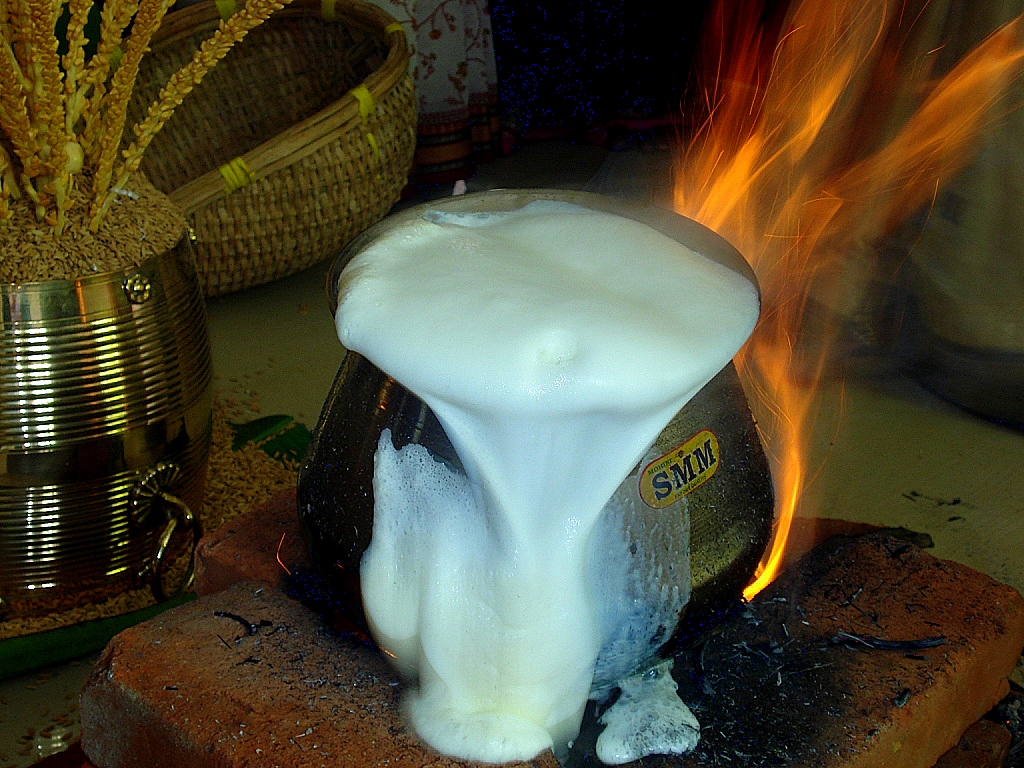 🇮🇳 India and 1 moreGrihapraveshगृहप्रवेश (Gṛhapravēśa)
A Hindu housewarming ritual to purify a new home and invite blessings.Home
🇮🇳 India and 1 moreGrihapraveshगृहप्रवेश (Gṛhapravēśa)
A Hindu housewarming ritual to purify a new home and invite blessings.Home