Festivals and celebrationsEast Asia
Singles' Day
In its own language: 光棍节
A day for people without a partner that grew into the world's biggest shopping event

Singles' Day falls on 11 November and began among students at Nanjing University in the 1990s as a way for unmarried people to mark their own company. Today it is best known as Double 11, when online shops in China and across Southeast Asia offer discounts and the date draws the largest retail sales in the world.
When is Singles' Day kept?
Singles' Day is kept on once a year, on 11 November.
Singles' Day is a date kept by unmarried people in China and beyond, held every 11 November because the four ones in 11/11 look like bare sticks, the slang word for a single man. It started among students in Nanjing, then became a shopping festival after an online retailer turned it into a day of discounts and shows. Officially it is only a date on the calendar.
A day for singles
The date is 11 November, written 11/11, and the four ones in it are the reason for the choice. In Chinese internet slang a bare stick, guanggun, means an unmarried man, so the numbers stand for single people. The day belongs to anyone without a partner, and each year it lands on the same date. Parties, club nights and gatherings are held, many of them meant to help people meet. Some single people mark their own company; others use the occasion to look for someone.
Origins and history
According to the account most often told, the date began at Nanjing University in 1993, in a dormitory called Mingcaowuzhu where the students were all unmarried men. Four of them wanted a break from the sameness of single life, so they agreed to set aside 11 November for events that honoured it. The idea travelled to other universities in Nanjing during the 1990s and then into wider Chinese society. Social media helped it spread further. Other explanations for the holiday's beginnings exist, and the dorm story is the one most widely accepted.
Shopping and shows
What changed the scale of the day was a decision in 2009 by Daniel Zhang, then chief executive of Alibaba, who turned it into a 24-hour event with discounts online and entertainment offline. Rival sellers such as JD.com run their own versions. The figures are enormous: Chinese platforms reported about US$44.5 billion of sales in 2017, and more than US$150 billion in 2025, more than Black Friday and Amazon Prime Day together. Alibaba holds a gala on the night before, and singers including Taylor Swift and Katy Perry have appeared at these shows.
Outside China
Through the internet the date has reached shoppers well beyond China, especially in Southeast Asia, where the Lazada marketplaces took 6.5 million orders in 2017. In Indonesia some shops call 11 November Harbolnas, a national online shopping day, though that event is usually held a month later, on 12 December. German retailer MediaMarkt promotes the date in its shops and Belgian stores take part, which drew criticism there because 11 November is also the anniversary of the 1918 armistice. In Britain a separate National Singles Day is kept on 11 March.
How Singles' Day is kept
Unmarried people are the ones the day is named for, but it is now kept by both women and men, and mostly by younger Chinese. Groups of friends and colleagues mark it together. Clubs and bars put on parties, and blind date events are common, since many people use the evening to try to meet a partner. Online, the shopping runs for one full day, with a gala from Alibaba on the night before it opens. In schools the date was once simply a reason for students to gather.
When and where
It falls on 11 November every year, the same date each time, which is why it is written 11/11 or Double 11. The choice is tied to the four ones in the date. In 2011 there were six ones, because the year added two more, and that occasion was called the Singles Day of the Century.
The day belongs to China, where it began among Nanjing students and where the biggest sales are held. It is strongest in the cities, among them Beijing, Shanghai, Nanjing and Hong Kong, and it has travelled through the internet to Southeast Asia, with shoppers in Indonesia and other markets taking part. Retailers in Germany, Belgium and Norway have also promoted it.
What Singles' Day means
Those who read meaning into the digits say the single 1 stands for one person alone. Two of them, 11, become two people who have found each other and are together on one side of the date. Doubled again, 2 x 11, the number speaks of couples, each made of two single people who met on the day. The date is also a popular one for weddings, which sits oddly with its name.
Questions people ask about Singles' Day
When is Singles' Day kept?
Singles' Day is kept on once a year, on 11 November.
What is Singles' Day?
It is a date kept by people without a partner, mostly in China. It falls on 11 November because the ones in 11/11 look like bare sticks, the slang word for an unmarried man. It is a cultural and shopping occasion rather than a public holiday.
Where did it start?
According to the story most people repeat, it began at Nanjing University in 1993, in a dormitory of unmarried male students. It spread to other Nanjing universities in the 1990s and then into wider society. Other explanations for its origin also exist.
Is it a public holiday?
No. Nothing in the state calendar sets it apart, so shops and offices carry on as usual. Even so, it has grown into the biggest shopping date anywhere, larger than Black Friday and Cyber Monday.
Do people only shop?
No. Parties, club nights and blind date gatherings are part of it, and it began as a way for single students to celebrate their own company. Some people use the day to look for a partner, and it is a popular date for weddings as well.
See also
 ChristmasA festival of Jesus's birth, kept on 25 December with gifts, lights and shared meals
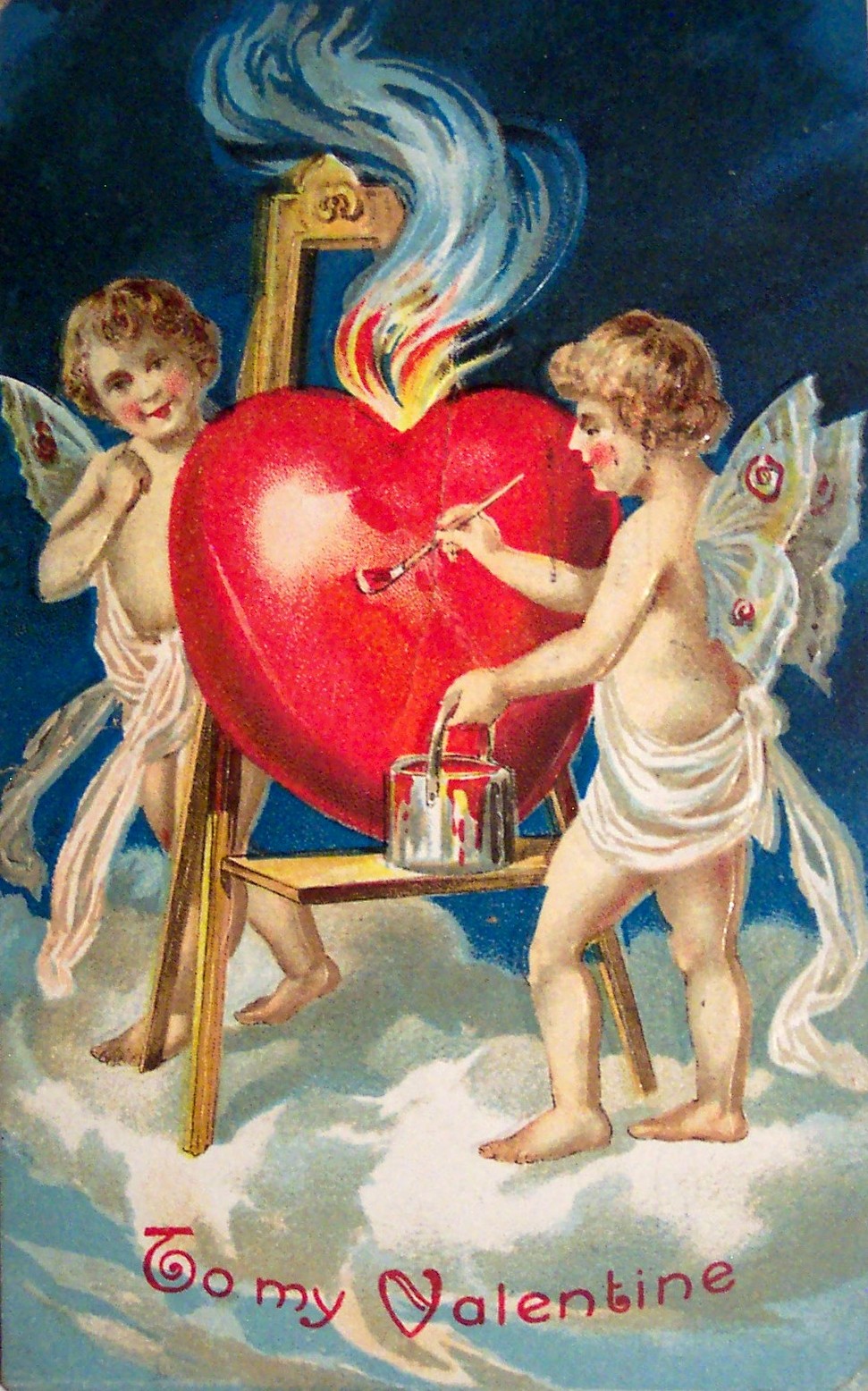 Valentine's DayA Christian feast day and cultural celebration of love kept on February 14 in many countries.
 MawlidAn annual festival marking the birth of the Prophet Muhammad, marked by poetry, processions and feasts.
 Water lanternSmall lamps floated on water to honour the dead and ask for good fortune
Good reading and sources
- Chinese shoppers spend a record $25bn in Singles Day splurgeThe Guardian, Article
- Chinese shoppers spend a record $25bn in Singles Day splurgeThe Guardian, Article
- Singles' Day on WikipediaEncyclopedia
- More photos on Wikimedia CommonsPhotos and video
- Wikidata recordOpen data
The facts on this page come from the Wikipedia article "Singles' Day", written by its contributors and used under the CC BY-SA 4.0 licence, and from its Wikidata record (CC0). EveryParampara rewrote the text in its own words, with AI assistance, and compares every page with the article to make sure no passage is copied. It may be reused under the same CC BY-SA 4.0 licence with a link back.
It may contain mistakes. Traditions differ from one family, village and community to the next, and the people who keep them know them best. If something is wrong, tell us. Last refreshed 2026-10-05.
More from China
All the traditions of China
🇮🇳 India and 4 moreWater lantern
Small lamps floated on water to honour the dead and ask for good fortuneFestival
 🇨🇳 China and 5 moreMid-Autumn Festival中秋節
An annual harvest festival celebrating family reunions, full moons and mooncakesFestival · Sweets given and shared
🇨🇳 China and 5 moreMid-Autumn Festival中秋節
An annual harvest festival celebrating family reunions, full moons and mooncakesFestival · Sweets given and shared
 🇮🇳 India and 6 moreBuddha's Birthday佛诞 (Fódàn)
A festival marking the birth of Siddhartha Gautama, observed across Asia with temple rituals and community gatherings.Festival
🇮🇳 India and 6 moreBuddha's Birthday佛诞 (Fódàn)
A festival marking the birth of Siddhartha Gautama, observed across Asia with temple rituals and community gatherings.Festival
 🇷🇺 Kazan, Russia and 2 moreSabantuyСабан туе (Saban tuyı)
A summer festival of folk sports and feasting celebrated by Tatar, Bashkir, Chuvash, and Kazakh communities.Festival · Feasts and festival meals
🇷🇺 Kazan, Russia and 2 moreSabantuyСабан туе (Saban tuyı)
A summer festival of folk sports and feasting celebrated by Tatar, Bashkir, Chuvash, and Kazakh communities.Festival · Feasts and festival meals
The same idea elsewhere
All of this kind
🇮🇹 Rome, Italy and 4 moreChristmas
A festival of Jesus's birth, kept on 25 December with gifts, lights and shared mealsFestival
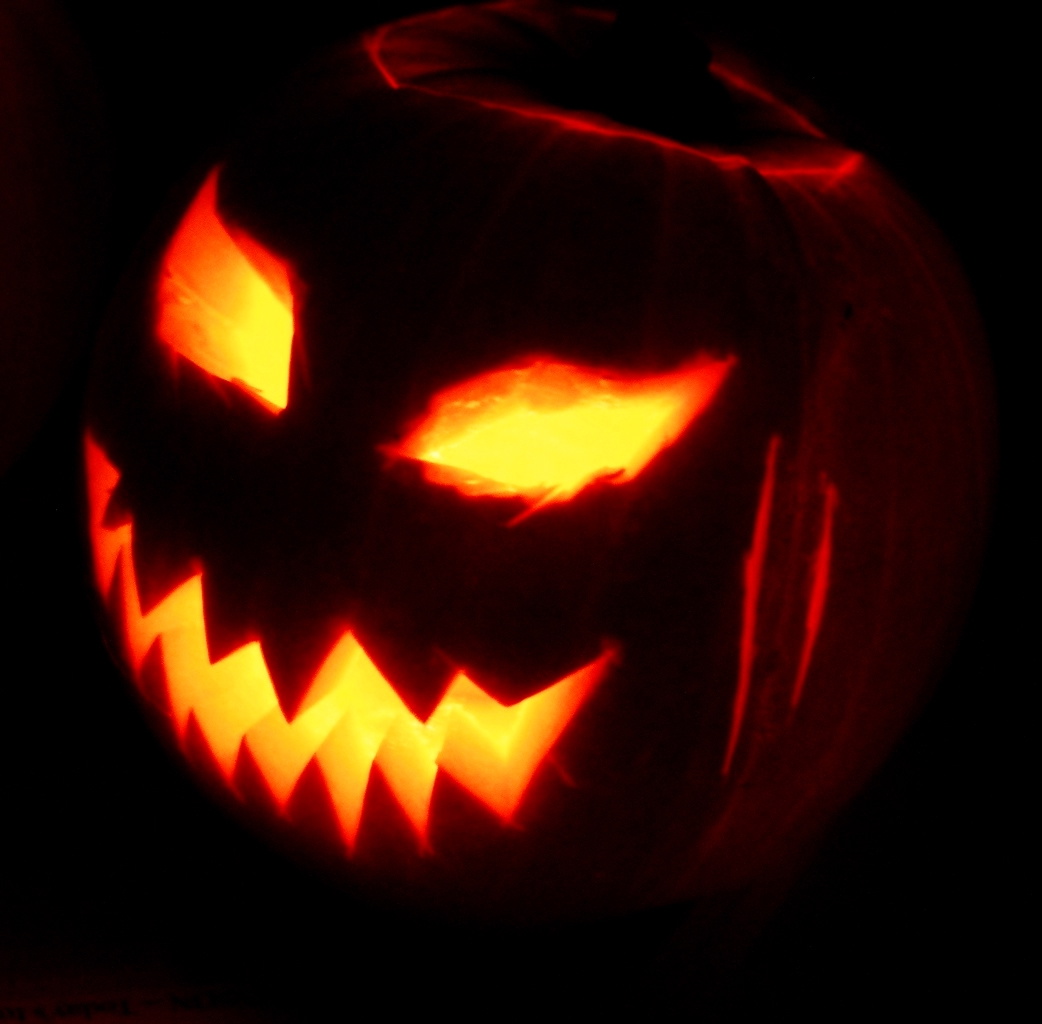 🇮🇪 Ireland and 5 moreHalloween
An annual observance on 31 October marking the eve of All Saints' Day, rooted in Christian tradition and Celtic heritageFestival · Sweets given and shared
🇬🇧 United Kingdom and 4 moreValentine's Day
A Christian feast day and cultural celebration of love kept on February 14 in many countries.Festival
🇮🇪 Ireland and 5 moreHalloween
An annual observance on 31 October marking the eve of All Saints' Day, rooted in Christian tradition and Celtic heritageFestival · Sweets given and shared
🇬🇧 United Kingdom and 4 moreValentine's Day
A Christian feast day and cultural celebration of love kept on February 14 in many countries.Festival
 🇹🇷 Turkey and 5 moreEid al-Fitrعيد الفطر
The feast that ends Ramadan, opened with morning prayers, sweets and visits homeFestival · Feasts and festival meals
🇹🇷 Turkey and 5 moreEid al-Fitrعيد الفطر
The feast that ends Ramadan, opened with morning prayers, sweets and visits homeFestival · Feasts and festival meals