Spiritual and religiousEuropeChristian
Solemnity
In its own language: Solemnitas
The highest rank of celebration in the Roman Catholic liturgical calendar
A solemnity is the highest category of feast day in the Roman Rite of the Catholic Church, honouring central mysteries of faith, events in Jesus's life, Mary, Joseph, and major saints. Celebrations start with an evening vigil and include special Mass readings, the Creed, and the Gloria.
When is Solemnity marked?
Solemnity is kept as part of Epiphany and Three Kings, which is on Wednesday, 6 January 2027.
In the Roman Rite of the Catholic Church, a solemnity represents the highest rank among liturgical celebrations. These special feast days honour principal mysteries of faith, pivotal moments in the life of Jesus, the Virgin Mary, Saint Joseph, and notable saints. Marked by distinctive prayers, hymns, and scripture readings, solemnities take precedence over ordinary Sunday services, calling congregations to participate in worship with joyful reverence.
Liturgical order and rank
Solemnities sit at the pinnacle of the liturgical year. The greatest amongst them, such as the Nativity of the Lord, Epiphany, the Ascension, and Pentecost, yield only to the Paschal Triduum. Other general solemnities give way to key seasons, such as the Sundays of Advent, Lent, and Easter, along with Ash Wednesday and Holy Week. When a higher celebration takes over a date, the displaced solemnity is transferred to the next available day. Celebrations honouring the Lord always take precedence over those for Mary, which in turn outrank solemnities dedicated to other saints.
Service and ritual customs
Worship on a solemnity begins on the previous evening with a vigil. During Mass, special elements distinguish the day from normal services. The Gloria is recited or sung even during penitential seasons like Lent and Advent, and the Creed is proclaimed by the congregation. Instead of a single scripture reading before the Gospel, two distinct readings are offered. Liturgies often feature opening and closing hymns alongside the burning of incense. If a solemnity falls on a Friday, normal rules requiring fasting or abstinence from meat are lifted.
Universal and local feasts
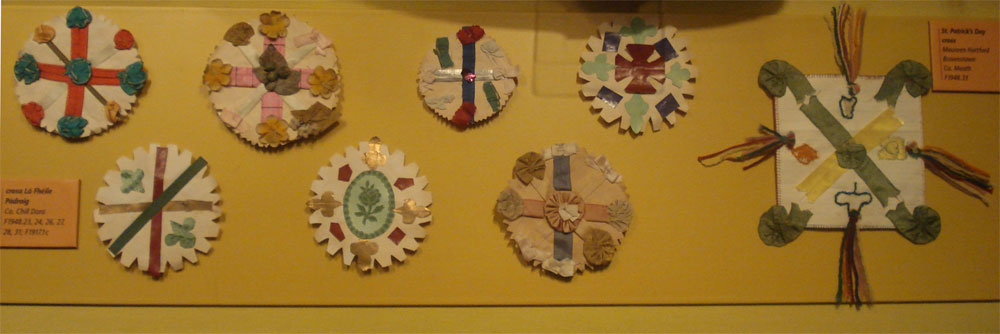
While many solemnities appear on the General Roman Calendar for the worldwide Latin Church, others belong to particular places or communities. Local solemnities honour the patron saint of a city, region, or nation, or mark the anniversary of a church building's dedication. Religious orders also celebrate the feast days of their founders as solemnities. For example, Saint Patrick's Day is kept as a solemnity across Ireland, while the Carmelites observe the feast of Our Lady of Mount Carmel with solemn rank.
Days of obligation
Certain solemnities are designated as holy days of obligation. On these designated dates, Catholics are expected to attend Mass and refrain from activities or business duties that might interfere with worship or proper rest. Most universal solemnities are named under church canon law as days of obligation, though individual national bishops decide which ones are observed locally. Notable exceptions that do not carry this obligation in universal law include the Annunciation, the Sacred Heart of Jesus, and the Birth of Saint John the Baptist.
How Solemnity is kept
A solemnity begins on the eve of the feast with a vigil service. During the Mass, worshipers recite the Creed and chant or speak the Gloria, even during seasons when it is normally omitted. The liturgy includes two scriptural readings preceding the Gospel passage. Processions, recessional songs, and incense are frequently used during these gatherings. When observed as a day of obligation, members of the faithful attend Mass and take time away from routine labour to rest and pray.
When and where
Solemnities take place on specific calendar dates or movable feast days throughout the church year. They begin on the evening before the official date with a vigil and take precedence over ordinary weekday and Sunday services.
Solemnities are celebrated throughout the global Catholic Church within the Roman Rite. Proper solemnities are also observed locally in specific regions, such as Ireland, as well as in particular dioceses, parishes, and religious institutes.
What Solemnity means
Solemnities reflect the most vital truths and sacred figures of Christian belief. By giving these days the highest rank, the church underscores core mysteries, such as the Trinity, and remembers significant milestones in the story of salvation, drawing believers together in communal thanksgiving and celebration.
Days Solemnity is marked
Questions people ask about Solemnity
When is Solemnity marked?
Solemnity is kept as part of Epiphany and Three Kings, which is on Wednesday, 6 January 2027.
What is a solemnity in the Catholic Church?
A solemnity is the highest category of celebration in the Roman Catholic liturgical calendar. It commemorates essential Christian mysteries, events in the life of Jesus, Mary, Saint Joseph, or principal saints with elevated ceremonial practices.
Where are solemnities observed?
Solemnities are celebrated worldwide across the Latin Church. In addition to universal feast days, local communities, dioceses, and religious institutes observe proper solemnities for their patron saints and church anniversaries, such as Saint Patrick in Ireland.
How does a solemnity affect Friday abstinence?
If a solemnity happens to fall on a Friday, Catholic rules that require abstaining from meat or other designated foods are set aside for that day, allowing the faithful to celebrate the feast fully.
See also
 Good FridayA solemn Christian holy day commemorating the crucifixion and death of Jesus Christ.
 HalloweenAn annual observance on 31 October marking the eve of All Saints' Day, rooted in Christian tradition and Celtic heritage
 Saint Patrick's Day in the United StatesAn annual celebration of Irish heritage across America with parades, feasts and green dye
 Saint Patrick's DayAn annual Irish holiday of parades, church services, green dress and shamrocks
Good reading and sources
The facts on this page come from the Wikipedia article "Solemnity", written by its contributors and used under the CC BY-SA 4.0 licence, and from its Wikidata record (CC0). EveryParampara rewrote the text in its own words, with AI assistance, and compares every page with the article to make sure no passage is copied. It may be reused under the same CC BY-SA 4.0 licence with a link back.
It may contain mistakes. Traditions differ from one family, village and community to the next, and the people who keep them know them best. If something is wrong, tell us. Last refreshed 2026-10-06.
More from Ireland
All the traditions of Ireland
🇦🇺 Australia and 5 moreGood Friday
A solemn Christian holy day commemorating the crucifixion and death of Jesus Christ.Spiritual · Fasting and breaking the fast
 🇺🇸 New York, United States and 4 moreFeast of the Ascension
The fortieth day of Easter, when Christians remember Jesus being taken up into heavenSpiritual
🇺🇸 New York, United States and 4 moreFeast of the Ascension
The fortieth day of Easter, when Christians remember Jesus being taken up into heavenSpiritual
 🇺🇸 United States and 2 moreSweat lodge
A purification ceremony kept by Indigenous peoples of the Americas using a heated hut and steam.Spiritual
🇺🇸 United States and 2 moreSweat lodge
A purification ceremony kept by Indigenous peoples of the Americas using a heated hut and steam.Spiritual
 🇮🇪 Waterford, IrelandPatternpátrún
A parish feast honoring a patron saint, marked by prayers at holy wells and local gatherings in Ireland.Spiritual
🇮🇪 Waterford, IrelandPatternpátrún
A parish feast honoring a patron saint, marked by prayers at holy wells and local gatherings in Ireland.Spiritual
The same idea elsewhere
Fasting and feasting compared 🇹🇷 Turkey and 5 moreEid al-Fitrعيد الفطر
The feast that ends Ramadan, opened with morning prayers, sweets and visits homeFestival · Feasts and festival meals
🇹🇷 Turkey and 5 moreEid al-Fitrعيد الفطر
The feast that ends Ramadan, opened with morning prayers, sweets and visits homeFestival · Feasts and festival meals
 🇮🇳 Ayodhya, India and 7 moreDiwaliदीपावली (Dīpāvalī)
A five-day festival of lights celebrated across India and its diaspora to mark the victory of light over darkness.Festival · Feasts and festival meals
🇮🇳 Ayodhya, India and 7 moreDiwaliदीपावली (Dīpāvalī)
A five-day festival of lights celebrated across India and its diaspora to mark the victory of light over darkness.Festival · Feasts and festival meals
 🇵🇭 Philippines and 5 moreHoly WeekἉγία καὶ Μεγάλη Ἑβδομάς
The solemn seven days leading to Easter, recalling the final week and Passion of JesusSpiritual · Fasting and breaking the fast
🇵🇭 Philippines and 5 moreHoly WeekἉγία καὶ Μεγάλη Ἑβδομάς
The solemn seven days leading to Easter, recalling the final week and Passion of JesusSpiritual · Fasting and breaking the fast
 🇮🇱 Jerusalem, IsraelYom Kippurיוֹם כִּפּוּר
The holiest day in Judaism, dedicated to fasting, prayer and atonementSpiritual · Fasting and breaking the fast
🇮🇱 Jerusalem, IsraelYom Kippurיוֹם כִּפּוּר
The holiest day in Judaism, dedicated to fasting, prayer and atonementSpiritual · Fasting and breaking the fast