Spiritual and religiousEuropeChristian
Pattern
In its own language: pátrún
A parish feast honoring a patron saint, marked by prayers at holy wells and local gatherings in Ireland.

A pattern is a traditional Irish Catholic devotion held on the feast day of a parish's patron saint. It centers on religious rituals at holy wells or church ruins, often followed by community festivals with music and games. The practice blends ancient Celtic rites with Catholic observance.
When is Pattern kept?
Pattern is kept on the feast day of the local patron saint or the nearest Sunday.
A pattern is an Irish devotional tradition honoring a parish's patron saint. It involves prayers at holy wells or ruined churches, blending Catholic ritual with older Celtic customs like circumambulation. Once widespread across rural Ireland, these events now survive as smaller local festivals featuring both religious observance and community celebration.
Origins and history
The word pattern comes from patron, referring to the patron saint. Before the seventeenth century, festivities started at the church. Religious suppression during the Reformation destroyed many Catholic buildings. People moved their devotions to holy wells, which were believed to have healing powers. Priests assigned visits to these sites as penance. The earliest recorded mention dates to 1611 in County Waterford. Large crowds gathered at sites like Croagh Patrick for these pilgrimages.
How it is kept
Participants visit holy wells or old church ruins to pray. They often walk around the well clockwise while reciting rosaries, a practice called deiseal. Some groups move between stations like oratories or crosses in a set order. After the religious part, people engage in gaming, singing, dancing, and horse racing. These gatherings could last several days and drew thousands from nearby towns. Today, some patterns include secular summer festival activities alongside the prayers.
Decline and revival
Cardinal Paul Cullen opposed the excesses of these festivals in the eighteen fifties. Bishops issued edicts against the wild celebrations. The Famine and social changes also reduced participation. As the Irish language declined, traditional lore faded. However, the early twentieth century saw a revival. Many parishes no longer hold them, but some survive as local summer festivals. Examples include Ardmore in July and Ballyheigue in September, keeping the spirit of the old traditions alive.
How Pattern is kept
Devotees gather at holy wells or ruined chapels on the patron saint's feast day. They perform religious rituals, such as walking clockwise around a well while praying. Some follow a route of stations including graves or crosses. Afterward, communities celebrate with music, dance, and games. These events blend sacred duty with social gathering, drawing locals and visitors alike.
When and where
Held on the feast day of the local patron saint or the nearest Sunday. Some align with Cemetery Sunday for ancestor veneration. Others occur on specific days like Garland Sunday before Lughnasadh.
Strongest in rural Ireland, particularly in counties like Waterford, Kerry, Mayo, and Roscommon. Sites include Ardmore, Ballyheigue, and the Aran Islands. Historically common across the country, now limited to surviving parishes.
What Pattern means
Patterns honor the patron saint and seek healing or protection through holy wells. The clockwise walking (deiseal) reflects ancient Celtic rites. Visiting ruins connects believers to pre-Reformation faith. Cemetery Sunday links the living with ancestors. The blend of prayer and festivity shows how faith and community life intertwine in Irish culture.
Questions people ask about Pattern
When is Pattern kept?
Pattern is kept on the feast day of the local patron saint or the nearest Sunday.
What is a pattern?
A pattern is an Irish Catholic devotion held on a patron saint's feast day. It involves prayers at holy wells or church ruins, often combined with community festivals. The name comes from 'patron' saint.
Where do patterns take place?
Primarily in rural Ireland, especially in counties like Waterford, Kerry, and Mayo. Locations include holy wells, ruined churches, and sites like Croagh Patrick. Only a few parishes still observe them today.
Why did patterns decline?
Church leaders opposed excesses like drunkenness and fighting. The Famine and loss of the Irish language also reduced participation. Social changes and education reforms further diminished the tradition over time.
See also
 Sweat lodgeA purification ceremony kept by Indigenous peoples of the Americas using a heated hut and steam.
 HalloweenAn annual observance on 31 October marking the eve of All Saints' Day, rooted in Christian tradition and Celtic heritage
 MummingA medieval European custom of masked house-to-house visits, performances and seasonal revelry.
 ImbolcA Gaelic festival on February first marking the start of spring and the feast day of Saint Brigid.
Good reading and sources
The facts on this page come from the Wikipedia article "Pattern (devotional)", written by its contributors and used under the CC BY-SA 4.0 licence, and from its Wikidata record (CC0). EveryParampara rewrote the text in its own words, with AI assistance, and compares every page with the article to make sure no passage is copied. It may be reused under the same CC BY-SA 4.0 licence with a link back.
It may contain mistakes. Traditions differ from one family, village and community to the next, and the people who keep them know them best. If something is wrong, tell us. Last refreshed 2026-10-05.
More from Ireland
All the traditions of Ireland
🇺🇸 United States and 2 moreSweat lodge
A purification ceremony kept by Indigenous peoples of the Americas using a heated hut and steam.Spiritual
 🇮🇹 Rome, Italy and 5 moreAll Souls' Day
A Christian observance on 2 November for prayer and remembrance of those who have died.Spiritual
🇮🇹 Rome, Italy and 5 moreAll Souls' Day
A Christian observance on 2 November for prayer and remembrance of those who have died.Spiritual
 🇦🇺 Australia and 5 moreGood Friday
A solemn Christian holy day commemorating the crucifixion and death of Jesus Christ.Spiritual · Fasting and breaking the fast
🇦🇺 Australia and 5 moreGood Friday
A solemn Christian holy day commemorating the crucifixion and death of Jesus Christ.Spiritual · Fasting and breaking the fast
 🇺🇸 United States and 3 moreFeast of the Ascension
A Christian holy day marking Jesus Christ's bodily ascent into Heaven, kept forty days after Easter.Spiritual
🇺🇸 United States and 3 moreFeast of the Ascension
A Christian holy day marking Jesus Christ's bodily ascent into Heaven, kept forty days after Easter.Spiritual
The same idea elsewhere
Pilgrimage compared 🇮🇱 Jerusalem, IsraelSukkotסוכות
A seven-day autumn Jewish festival of temporary booths, harvest prayers and hospitalitySpiritual
🇮🇱 Jerusalem, IsraelSukkotסוכות
A seven-day autumn Jewish festival of temporary booths, harvest prayers and hospitalitySpiritual
 🇯🇵 Kyoto, JapanTorii鳥居
A traditional Japanese gate marking the entrance to a Shinto shrine and separating the sacred from the mundane.Spiritual
🇯🇵 Kyoto, JapanTorii鳥居
A traditional Japanese gate marking the entrance to a Shinto shrine and separating the sacred from the mundane.Spiritual
 🇲🇲 Bagan, MyanmarNat worshipနတ်
Veneration of guardian spirits and nature deities alongside Buddhism in MyanmarSpiritual
🇲🇲 Bagan, MyanmarNat worshipနတ်
Veneration of guardian spirits and nature deities alongside Buddhism in MyanmarSpiritual
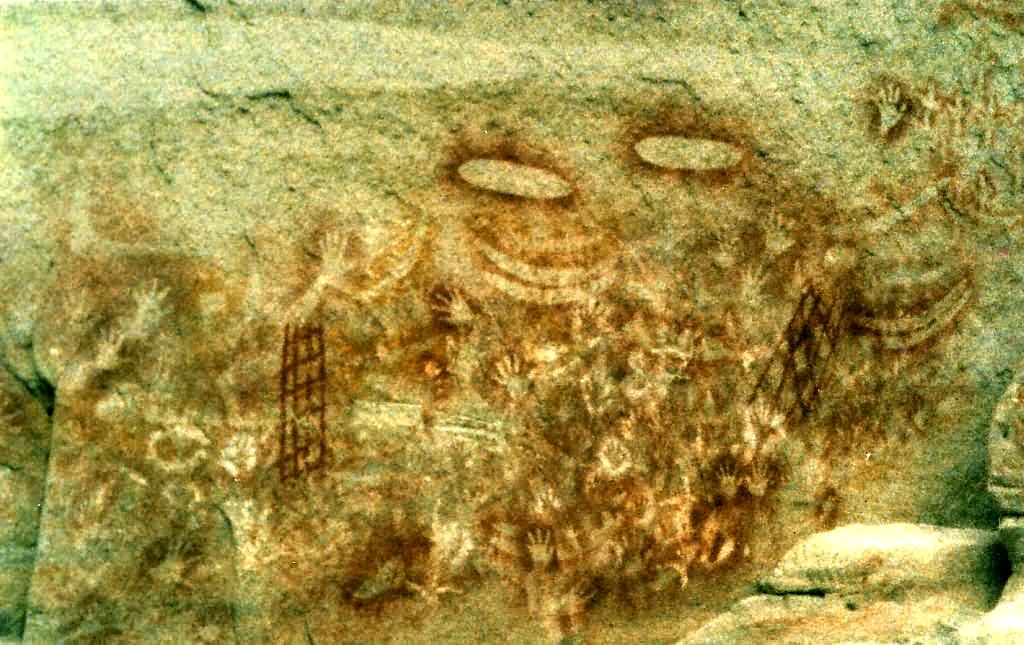 🇦🇺 AustraliaThe Dreaming
A living spiritual worldview and law connecting Aboriginal Australians to ancestors, land, and community.Spiritual
🇦🇺 AustraliaThe Dreaming
A living spiritual worldview and law connecting Aboriginal Australians to ancestors, land, and community.Spiritual