Festivals and celebrationsNorth Africa
Tan-Tan Moussem
An annual gathering of Saharan nomadic tribes with music, trading and equestrian arts

The Tan-Tan Moussem is an annual festival in southwestern Morocco that brings together over thirty nomadic Saharan tribes every December. Families and traders set up a vast tent encampment to exchange goods, celebrate weddings, race horses and camels, and share music, poetry, and ancestral traditions.
When is Tan-Tan Moussem kept?
Tan-Tan Moussem is kept every year in December.
The Tan-Tan Moussem is a major desert gathering held each December in the town of Tan-Tan in southwestern Morocco. More than thirty nomadic communities from across the Sahara assemble to maintain social ties, trade livestock and goods, and celebrate their shared heritage. Through music, poetry contests, camel races, and equestrian displays, the festival serves as a vital meeting place where regional customs and oral folklore are passed down across generations.
Origins and history
The gathering was established in 1963 to encourage local customs and create a central place for celebration and commerce. It links to the memory of Mohamed Laghdaf, a regional Saharan figure who opposed French and Spanish colonial forces over several decades until his death in 1960. He was laid to rest near Tan-Tan. Authorities paused the event in 1979 because of regional security issues. In 2004, the Moroccan tourism ministry partnered with UNESCO to revive the tradition. Four years later, the festival gained international recognition when UNESCO designated it as part of Morocco's intangible cultural heritage.
The desert encampment
Nomadic groups travel across vast desert distances to reach Tan-Tan, forming the largest meeting of wandering communities in northern Africa. Organisers and visitors erect roughly eight hundred tents on the site. These dwellings shelter arriving families and host displays dedicated to traditional Berber lifestyle. The encampment becomes an active marketplace where people barter products, buy provisions, and conduct camel sales. Beyond trade, families use this communal space to arrange and celebrate marriages, share plant-based medical lore, and renew bonds between scattered desert groups.
Music, poetry and sport
The festival grounds host a broad spectrum of cultural pastimes and artistic performances. Attendees take part in storytelling, group chanting, and Hassanie spoken-word and poetry competitions. Lively musical performances entertain the crowds throughout the gathering. Pastoral activities take centre stage through animal breeding contests focused on horses and dromedaries. Spectators also gather to watch competitive horse racing and traditional games, transforming the assembly into an active arena for athletic competition, spoken literature, and folk amusement.
The fantasia display
A key highlight of the festival is the fantasia, a dramatic and coordinated military riding demonstration. Groups of Berber horsemen charge forward in unison across the open field, brandishing long traditional firearms. At the climax of the sprint, the riders fire their weapons together into the sky while shouting a coordinated battle cry. This choreographed spectacle reflects historic Saharan cavalry skills, drawing large crowds of onlookers who assemble to watch the precision and equestrian mastery of the participating riders.
How Tan-Tan Moussem is kept
Each year, members of more than thirty desert tribes travel to Tan-Tan and pitch hundreds of tents on the gathering grounds. Participants trade goods and livestock, compete in horse races, and hold camel-breeding contests. Elders and storytellers recite poetry and share traditional herbal knowledge, while musicians and chanters perform for the crowd. Families celebrate weddings in the camp, and horse riders perform the dramatic fantasia charge, galloping together and firing into the air.
When and where
The festival is held once a year in December. When the gathering first began in 1963, it took place during the month of May, but modern editions are scheduled during early winter.
The event takes place in the southwestern Moroccan town of Tan-Tan. It draws nomadic tribes from across the southern desert expanses of Morocco and neighbouring regions of Northwest Africa.
What Tan-Tan Moussem means
The gathering functions as a vital social anchor for dispersed nomadic communities. It keeps alive Saharan oral history, Hassanie poetry, and traditional healing crafts. By celebrating communal ties, weddings, and historic cavalry arts, the event honours regional resistance figures like Mohamed Laghdaf and strengthens shared Sahrawi and Berber identity.
Questions people ask about Tan-Tan Moussem
When is Tan-Tan Moussem kept?
Tan-Tan Moussem is kept every year in December.
What is the Tan-Tan Moussem?
It is an annual cultural and commercial gathering in Morocco where more than thirty Saharan nomadic tribes meet to trade, race horses, perform music, and celebrate weddings.
Where and when does the festival take place?
The festival is held every December in the town of Tan-Tan, located in southwestern Morocco. When it first began in 1963, it was held during the month of May.
What happens during the fantasia performance?
Tribal horsemen execute a coordinated cavalry charge across the field. At the end of the rush, the riders let out a battle cry and discharge their rifles together into the air.
Why was the moussem suspended in 1979?
Authorities prohibited the gathering in 1979 due to regional security concerns. It remained on hold until 2004, when Morocco and UNESCO helped revive it.
See also
 MimounaA Maghrebi Jewish celebration marking the end of Passover with sweets and open doors
 FantasiaA North African equestrian display of synchronized charging and simultaneous rifle fire
 MawlidAn annual festival marking the birth of the Prophet Muhammad, marked by poetry, processions and feasts.
 Ogoh-ogohGiant handcrafted statues paraded and burned on the eve of the Balinese Saka New Year
Good reading and sources
- Tan-Tan Moussem on WikipediaEncyclopedia
- More photos on Wikimedia CommonsPhotos and video
- Wikidata recordOpen data
The facts on this page come from the Wikipedia article "Tan-Tan Moussem", written by its contributors and used under the CC BY-SA 4.0 licence, and from its Wikidata record (CC0). EveryParampara rewrote the text in its own words, with AI assistance, and compares every page with the article to make sure no passage is copied. It may be reused under the same CC BY-SA 4.0 licence with a link back.
It may contain mistakes. Traditions differ from one family, village and community to the next, and the people who keep them know them best. If something is wrong, tell us. Last refreshed 2026-10-04.
More from Morocco
All the traditions of Morocco
🇲🇦 Morocco and 4 moreMimounaמִימוּנָה
A Maghrebi Jewish celebration marking the end of Passover with sweets and open doorsFestival · Dinner
🇪🇬 Egypt and 5 moreMawlidمولد (Mawlid)
An annual festival marking the birth of the Prophet Muhammad, marked by poetry, processions and feasts.Festival · Feasts and festival meals
 🇲🇦 MoroccoBujloodبوجلود
A masked carnival of animal skins held in Morocco just after Eid al-AdhaFestival
🇲🇦 MoroccoBujloodبوجلود
A masked carnival of animal skins held in Morocco just after Eid al-AdhaFestival
 🇲🇦 Marrakesh, Morocco and 5 moreGnawa musicڭْناوة or كْناوة
A spiritual musical tradition of Morocco that blends West African rhythms with Islamic ritual to heal and connect communPerformance
🇲🇦 Marrakesh, Morocco and 5 moreGnawa musicڭْناوة or كْناوة
A spiritual musical tradition of Morocco that blends West African rhythms with Islamic ritual to heal and connect communPerformance
The same idea elsewhere
Weddings compared 🇨🇳 China and 5 moreLion dance舞獅
A dynamic ritual dance featuring costumed lions, drums and martial acrobaticsPerformance
🇨🇳 China and 5 moreLion dance舞獅
A dynamic ritual dance featuring costumed lions, drums and martial acrobaticsPerformance
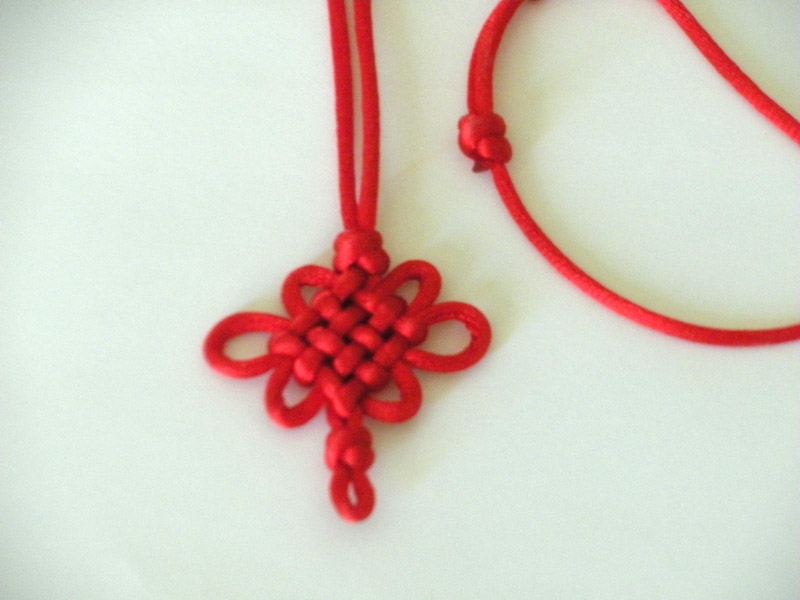 🇨🇳 China and 2 moreChinese knotting中國結 (Zhōngguó jié)
A folk craft of cord tied into lucky shapes, made in China and given as charmsCraft
🇨🇳 China and 2 moreChinese knotting中國結 (Zhōngguó jié)
A folk craft of cord tied into lucky shapes, made in China and given as charmsCraft
 🇬🇪 Tbilisi, Georgia and 4 moreGeorgian polyphonic singing
Several voices at once, sung without instruments at Georgian feasts and weddingsPerformance
🇬🇪 Tbilisi, Georgia and 4 moreGeorgian polyphonic singing
Several voices at once, sung without instruments at Georgian feasts and weddingsPerformance
 🇮🇩 IndonesiaSlametan
A short communal meal on Java where neighbours share food, prayer and a wish for peaceSpiritual · Feasts and festival meals
🇮🇩 IndonesiaSlametan
A short communal meal on Java where neighbours share food, prayer and a wish for peaceSpiritual · Feasts and festival meals