Music, dance and storytellingSub-Saharan AfricaIndigenous and traditional
Tumbuka dances and festivals
Dances for healing and celebration, and the yearly festivals that keep them
Tumbuka communities in Malawi, Zambia and Tanzania keep a set of dances used for healing, celebration and remembrance, among them Vimbuza, Mganda and Mtungo. Several yearly festivals, such as Gonapamuhanya in Rumphi and Zengani in Chasefu, give the dances a public place and pass them to the next generation.
When is Tumbuka dances and festivals kept?
Tumbuka dances and festivals is kept on through the year for the dances, each festival once a year, with Zengani usually in early October.
Tumbuka dances and festivals are the shared practices of Tumbuka communities in Malawi, Zambia and Tanzania. Some, like Vimbuza, are ritual and healing work: drums, song and movement help a person who is unwell. Others, such as Malipenga and Visekese, are for celebration and display. Yearly gatherings, from Gonapamuhanya to Zengani, keep the songs, the history and the language in use.
Kinds of dance
The best known is Vimbuza, a healing performance. Malipenga, called Mapenenga in some places, was made by northern groups in the early 1900s, when men took the marching style of the King's African Rifles and turned it into a competitive dance. Mganda is its central Malawian relative. Mtungo, or Magali, comes from Nkhamanga and Hewe in Rumphi, and also Kasungu and Mzimba; men and women dance it at beer gatherings, and many of its songs teach something. Ulumba, a men's dance from Rumphi, welcomes a hunter home. Visekese, near to Chiwoda, is a women's dance, spread by performers from Usisya in Nkhata Bay.
Yearly festivals
Gonapamuhanya is the main Tumbuka festival in Malawi. It is held in Nkhamanga, in Rumphi District, and remembers Gonapamhanya, the Chikulamayembe chief who was the first to settle at Bolero, where the chieftaincy is now based. History is recited, the lineage is honoured, and dances are shown. Mulindafwa belongs to the people of Hewe, also in Rumphi, and marks how the ancestor Themba Katumbi travelled and settled; a symbolic stone linked to his climb of Themba Hill is displayed. In Zambia, Kulonga is a harvest ceremony under Chief Mphamba in Lundazi, Chasefu and Lumezi. Vinkhakanimba, also written Vikamkanimba, is kept near Muyombe. Zengani at Emusa in Chasefu brings Tumbuka and Ngoni speakers together.
Instruments and sound
A Tumbuka dance group usually answers one voice with many, and the singing sits over several drum rhythms at once, with hands clapping along. Vimbuza relies on ng'oma drums, and each spirit has its own pattern. Other genres add simple instruments that shake or rattle: Mtungo uses a gourd with a narrow mouth, part filled with pebbles, which the player shakes while covering and uncovering the opening to change the sound. Visekese takes its name from a thin wooden box, about the size of a book, filled with small stones or dry grain. Malipenga and Mganda bring in singing horns and the ordered lines of a parade.
Illness, spirits and healing
Vimbuza works with sickness that people understand as coming from spirits. A patient is diagnosed and treated through drumming, singing and dance, and healers who know the rhythms lead the work. UNESCO notes that many patients are women. The tradition held on despite opposition from missionaries and from hospital medicine, and it is often described as a space where a sick person can move with what troubles them. Scholars place it inside the wider ng'oma complex of Central and Southern Africa, where drums are used to find out what is wrong and to bring a household or a village back into balance.
Today and change
Festivals now carry weight as public events. Gonapamuhanya receives government support, and its venue has moved in recent years. Organisers in Zambia and Malawi use the gatherings to teach young people, and sponsors present them as a way of guarding culture. Dance groups also perform at civic occasions and for radio, television and recordings, so choreography travels beyond the village. Zengani was named to suggest building together, and unity is part of its stated purpose. Kulonga is spoken of in terms of food security. Vimbuza, on UNESCO's intangible cultural heritage list since 2008, is the best documented of all these practices.
How Tumbuka dances and festivals is kept
At a healing session, drummers and singers begin, the sick person joins the dance, and the rhythm that belongs to the troubling spirit is found and treated. At a festival, there are speeches, the history of the lineage is recited, and dance troupes perform one after another; Zengani's programme has included Ingoma, Vimbuza, Mganda and Chiwoda. When a hunter returns home, Ulumba is staged, with villagers pretending to be an animal that rushes at them and the hunter acting out its killing. Beer gatherings bring Mtungo, whose songs often teach. The festivals are the places where these dances are performed, handed on and celebrated.
When and where
Zengani falls on the first weekend of October in most years. Other festivals keep to their own yearly dates: Gonapamuhanya, Mulindafwa, Kulonga and Vinkhakanimba each have theirs. The dances themselves are not fixed to a season: Vimbuza is performed when someone needs treatment, Ulumba when a hunt ends well, and Mtungo at gatherings where beer is shared.
The dances belong to Tumbuka country: northern and central Malawi, the Muchinga and Eastern provinces of Zambia, and Tanzania. In Malawi they are strongest around Rumphi, Nkhamanga, Hewe, Mzimba, Kasungu and Nkhata Bay. In Zambia they are kept in Lundazi, Chasefu, Lumezi, Mafinga and at Muyombe. Zengani brings Tumbuka and Ngoni speakers of the three Zambian districts together.
What Tumbuka dances and festivals means
These dances hold history that is not written down elsewhere. Vimbuza carries the idea that illness can have a social cause, and that a community can mend itself by naming the trouble and moving through it. Festivals tie people to ancestors and to chiefs: Gonapamuhanya honours the Chikulamayembe line, Mulindafwa recalls Themba Katumbi, Vinkhakanimba remembers journeys, Zengani speaks of building together. For performers, the drum patterns, the songs and the steps are a form of belonging.
Questions people ask about Tumbuka dances and festivals
When is Tumbuka dances and festivals kept?
Tumbuka dances and festivals is kept on through the year for the dances, each festival once a year, with Zengani usually in early October.
What are the Tumbuka dances and festivals?
They are the dances and yearly gatherings of Tumbuka communities. The best known are Vimbuza, a healing rite with drums and trance; Malipenga and Mganda, competitive dances in parade lines; Mtungo, Ulumba and Visekese; and festivals from Gonapamuhanya to Zengani.
Where are they kept?
In northern and central Malawi, in the Muchinga and Eastern provinces of Zambia, and in Tanzania. Malawi's Rumphi, Nkhamanga, Hewe, Mzimba and Kasungu districts, Nkhata Bay, and Zambia's Lundazi, Chasefu, Lumezi, Mafinga and Muyombe areas are named as homes for particular dances and festivals.
Why is Vimbuza well known?
It is the most documented of these traditions, and UNESCO added it to its list of intangible cultural heritage in 2008. The listing notes the depth of its history, the large number of women among those treated, and how it has continued despite opposition.
See also
 Gule WamkuluA masked Chewa dance of the Nyau society, danced at funerals and chief installations
 AdumuA Maasai warrior dance of high jumps from a circle, done at weddings and ritesNyauA secret society and masked dance tradition of the Chewa people in Southern Africa.
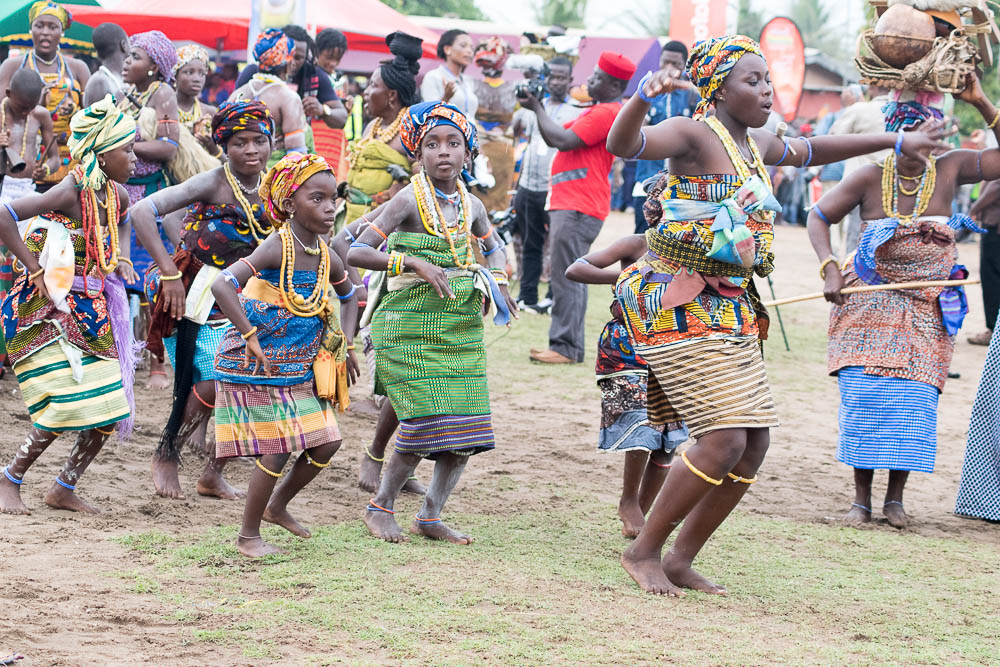 AgbadzaAn Ewe music and dance, born of war songs and kept for funerals, weddings and festivals
Good reading and sources
- Traditional dances and festivals of the Tumbuka people on WikipediaEncyclopedia
- Wikidata recordOpen data
The facts on this page come from the Wikipedia article "Traditional dances and festivals of the Tumbuka people", written by its contributors and used under the CC BY-SA 4.0 licence, and from its Wikidata record (CC0). EveryParampara rewrote the text in its own words, with AI assistance, and compares every page with the article to make sure no passage is copied. It may be reused under the same CC BY-SA 4.0 licence with a link back.
It may contain mistakes. Traditions differ from one family, village and community to the next, and the people who keep them know them best. If something is wrong, tell us. Last refreshed 2026-10-05.
More from Malawi
All the traditions of Malawi
🇲🇼 Malawi and 2 moreGule Wamkulu
A masked Chewa dance of the Nyau society, danced at funerals and chief installationsPerformance
🇲🇼 Malawi and 3 moreNyau
A secret society and masked dance tradition of the Chewa people in Southern Africa.Spiritual
🇲🇼 Chonde, MalawiMulhako wa Alhomwe
An annual gathering in Malawi where the Lhomwe people celebrate their language, dance and heritage.Festival
 🇲🇼 Bolero, MalawiGonapamhanya festival
An annual gathering of the Tumbuka people honouring their first paramount chiefFestival · Feasts and festival meals
🇲🇼 Bolero, MalawiGonapamhanya festival
An annual gathering of the Tumbuka people honouring their first paramount chiefFestival · Feasts and festival meals
The same idea elsewhere
Healing, luck and protection compared 🇵🇪 Cusco, Peru and 4 moreIntiinti (Quechua)
The Inca sun deity, honoured with temples, offerings and the June festival Inti RaymiSpiritual
🇵🇪 Cusco, Peru and 4 moreIntiinti (Quechua)
The Inca sun deity, honoured with temples, offerings and the June festival Inti RaymiSpiritual
 🇨🇱 ChileNgillatun
A communal Mapuche rite of prayer, sacrifice and dance to maintain cosmic balanceSpiritual
🇨🇱 ChileNgillatun
A communal Mapuche rite of prayer, sacrifice and dance to maintain cosmic balanceSpiritual
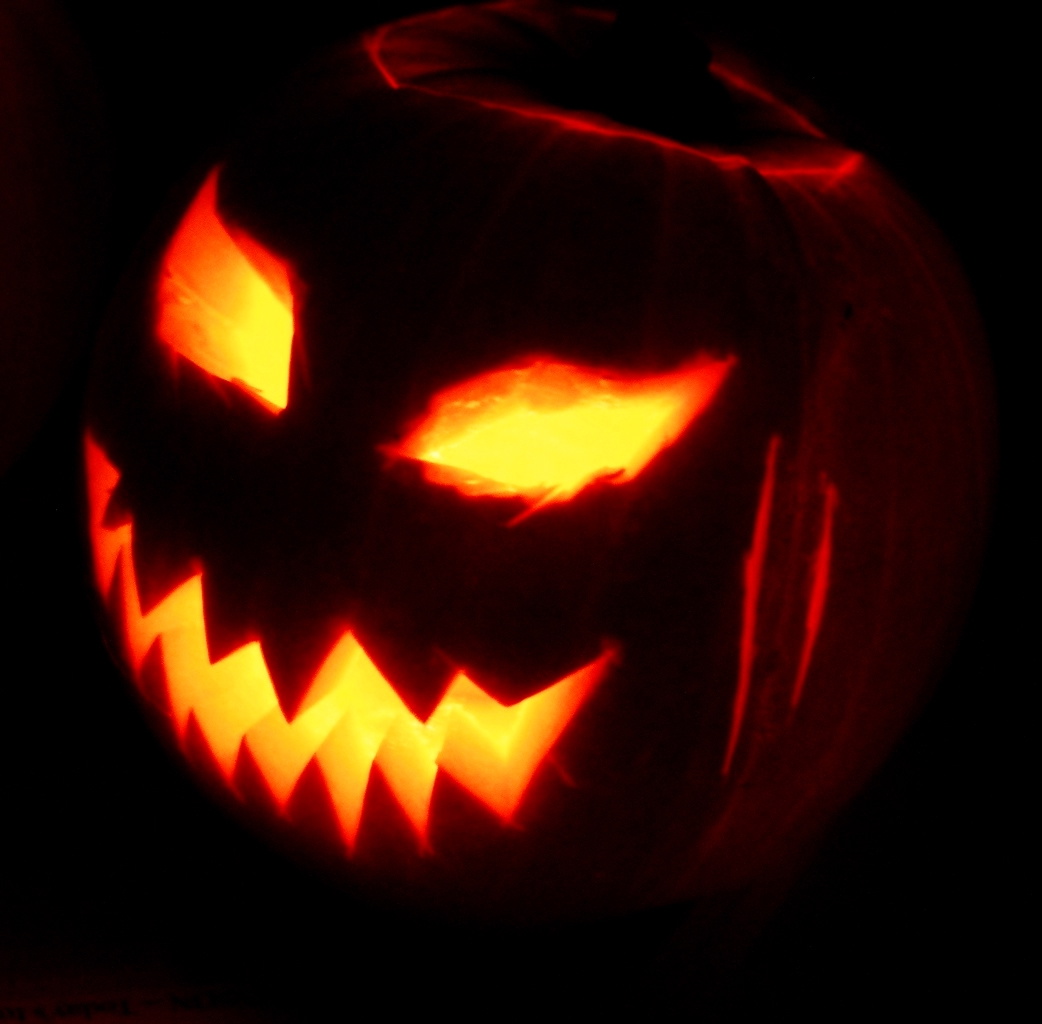 🇮🇪 Ireland and 2 moreJack-o'-lantern
A carved pumpkin lantern lit with a candle to brighten and protect Halloween nightsFolklore
🇨🇳 Beijing, ChinaLaba Festival臘八節
A winter porridge festival marking the start of the Chinese New Year seasonFestival · Feasts and festival meals
🇮🇪 Ireland and 2 moreJack-o'-lantern
A carved pumpkin lantern lit with a candle to brighten and protect Halloween nightsFolklore
🇨🇳 Beijing, ChinaLaba Festival臘八節
A winter porridge festival marking the start of the Chinese New Year seasonFestival · Feasts and festival meals