Folklore and beliefEast AsiaShinto, Taoist and folk Chinese
Tui na
In its own language: 推拿
A traditional Chinese hands-on therapy using pushing, grasping, and acupressure points
Tui na is a hands-on manual therapy from China rooted in traditional Chinese medicine and Daoist concepts. Practitioners use pushing, kneading, and joint stimulation to balance bodily energy, often combining it with practices like acupuncture and qigong.
Tui na is a traditional Chinese form of therapeutic bodywork. Grounded in Daoist thought, it aims to harmonize internal energy and release tension across the body. Practitioners work along energy pathways and joints through targeted pressure, kneading, and stretching movements. Often used alongside acupuncture, herbal remedies, and qigong, this manual art is practiced for both adults and young children seeking physical relief and balanced vitality.
Core methods and movements
The name tui na comes from two basic actions: pushing and grasping with a squeeze. Practitioners apply a wide variety of strokes, ranging from soft brushing and rolling to vigorous kneading, shaking, and rhythmic tapping. They also employ traction, joint movement, and direct stimulation on acupressure points. By working the spaces separating the joints, called the eight gates, practitioners seek to activate the body's protective energy, or wei qi, and encourage smooth flow through muscles and meridian channels. These varied techniques address both long-standing aches and sudden physical complaints.
Care for young children
A specialized branch adapts these methods for infants and young youths up to twelve years of age. Traditional theory views a child's internal organs, particularly the kidneys, lungs, and spleen, as tender and developing. Because children are thought to respond rapidly to gentle contact, practitioners use swift, light strokes rather than heavy pressure. Work focuses on specific zones and lines across the palms, forearms, stomach, and spine. Common methods include circular kneading on fleshy points, meridian strokes along the thumb, and spinal rolling, in which practitioners gently pinch and glide skin along the spine toward the neck.
Connections and global reach
Different traditions and lineages within traditional Chinese medicine have developed distinct styles of manual therapy. The practice shares close historical links with other Asian healing arts, including Korean chu na as well as Japanese anma, shiatsu, and sekkotsu. In modern clinical settings, tui na is frequently integrated with complementary disciplines such as moxibustion, fire cupping, and tai chi. Its techniques have also spread outside Asia, where western acupuncture colleges include the system in their training curricula, and international studies have examined its role in easing neck and back discomfort.
How Tui na is kept
A session is led by a trained practitioner who evaluates the individual's energy balance according to traditional principles. The therapist applies manual pressure along meridians and acupoints using the hands, fingers, and elbows. Common movements include pushing, pulling, rolling, kneading, and stretching limbs to open joint areas. For children, treatments use much lighter, rapid brushing on the hands, arms, and back, alongside gentle spinal rolling. In many settings, the practice is combined with complementary therapies such as cupping, moxibustion, or qigong exercises.
When and where
Tui na is not tied to a specific calendar date or season. Sessions take place year-round whenever an individual seeks relief from physical discomfort, digestive troubles, or seeks to maintain general balance and vitality.
The tradition originated in China, where it remains widely practiced in hospitals, clinics, and wellness settings. Related systems exist in Korea and Japan, and the discipline is also taught in acupuncture schools across Western nations.
What Tui na means
In Daoist philosophy and traditional Chinese medicine, health reflects the harmonious balance of yin and yang and the free circulation of vital energy, or qi. Tui na treats the body as an interconnected system. Clearing blockages across meridian pathways and mobilizing defensive energy at the eight gates restores internal equilibrium between organs, helping the body maintain its natural resilience against disharmony.
Questions people ask about Tui na
What is tui na?
Tui na is a traditional Chinese hands-on therapy rooted in Daoist principles. Practitioners use pushing, kneading, traction, and acupressure to stimulate the flow of qi through meridians and muscles.
Where is tui na practiced?
Originating in China, tui na is practiced throughout Chinese medical clinics and hospitals. It has related counterparts in Korea and Japan, and is taught in acupuncture schools internationally.
How does pediatric tui na differ from adult treatments?
Pediatric tui na uses lighter, faster, and gentler strokes designed for children up to twelve years old. It targets specific childhood points on the hands, arms, stomach, and spine, avoiding forceful pressure.
What other traditional practices are used alongside tui na?
Practitioners frequently combine tui na with acupuncture, moxibustion, fire cupping, and Chinese herbalism, as well as internal movement arts like tai chi and qigong.
See also
 Maneki-nekoA lucky cat figurine, paw raised, kept by shop doors and in homes across Japan
 ZangfuA traditional Chinese model of internal organs as paired networks of energy and function
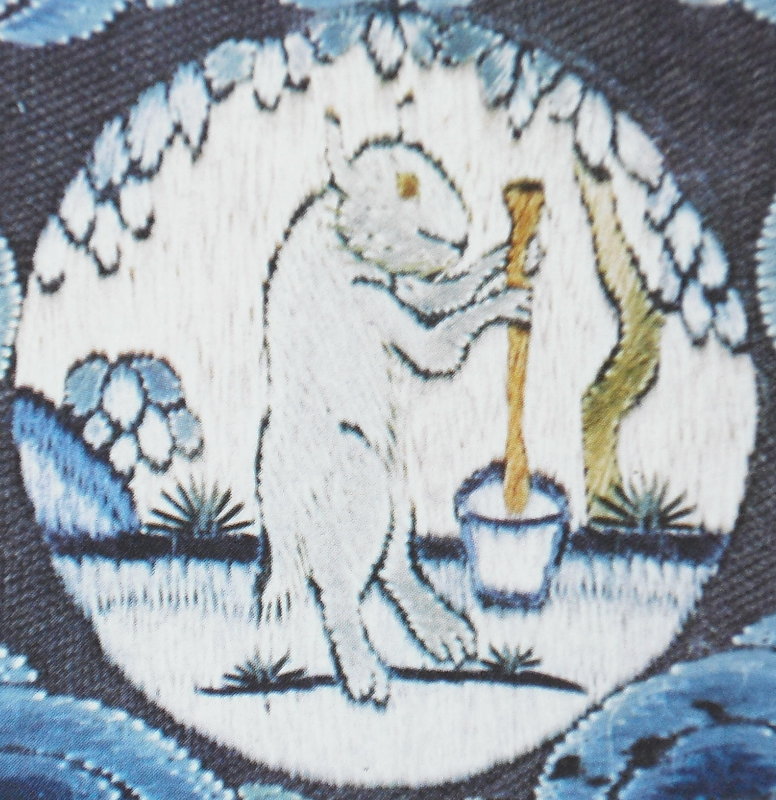 Moon rabbitA hare seen in the Moon's dark patches, pounding rice cakes or the elixir of lifeZangfuThe traditional Chinese medical model of interconnected organ networks and vital energy
Good reading and sources
The facts on this page come from the Wikipedia article "Tui na", written by its contributors and used under the CC BY-SA 4.0 licence, and from its Wikidata record (CC0). EveryParampara rewrote the text in its own words, with AI assistance, and compares every page with the article to make sure no passage is copied. It may be reused under the same CC BY-SA 4.0 licence with a link back.
It may contain mistakes. Traditions differ from one family, village and community to the next, and the people who keep them know them best. If something is wrong, tell us. Last refreshed 2026-10-07.
More from China
All the traditions of China
🇯🇵 Tokyo, Japan and 2 moreManeki-neko招き猫
A lucky cat figurine, paw raised, kept by shop doors and in homes across JapanFolklore
🇨🇳 China and 5 moreMoon rabbit月兔
A hare seen in the Moon's dark patches, pounding rice cakes or the elixir of lifeFolklore
🇨🇳 ChinaSymbolic stars神煞
Helpful and harmful influences read from the Chinese calendar's stems and branchesFolklore
 🇨🇳 Luoyang, China and 1 moreYin and yang陰陽
Two opposite but complementary forces that Chinese thought sees in all thingsFolklore
🇨🇳 Luoyang, China and 1 moreYin and yang陰陽
Two opposite but complementary forces that Chinese thought sees in all thingsFolklore
The same idea elsewhere
Healing, luck and protection compared 🇩🇪 Germany and 5 moreChristmas tree
A decorated evergreen or artificial tree placed indoors to mark the Christmas season.Festival
🇩🇪 Germany and 5 moreChristmas tree
A decorated evergreen or artificial tree placed indoors to mark the Christmas season.Festival
 🇫🇷 France and 5 moreCandlemas
A Christian feast of candle blessings marking the end of the Christmas seasonSpiritual
🇫🇷 France and 5 moreCandlemas
A Christian feast of candle blessings marking the end of the Christmas seasonSpiritual
 🇮🇪 Ireland and 2 moreJack-o'-lantern
A carved pumpkin lantern lit with a candle to brighten and protect Halloween nightsFolklore
🇮🇪 Ireland and 2 moreJack-o'-lantern
A carved pumpkin lantern lit with a candle to brighten and protect Halloween nightsFolklore
 🇺🇸 United States and 4 moreFriday the 13th
A Western folk superstition regarding the unluckiness of a Friday falling on the 13th.Folklore
🇺🇸 United States and 4 moreFriday the 13th
A Western folk superstition regarding the unluckiness of a Friday falling on the 13th.Folklore