Folklore and beliefEast AsiaShinto, Taoist and folk Chinese
Zangfu
In its own language: 脏腑
The traditional Chinese medical model of interconnected organ networks and vital energy

Zangfu is a traditional Chinese medical model that views internal organs as interrelated energetic systems rather than separate physical parts. Rooted in Taoist, Confucian, and folk philosophies, this Chinese tradition maps bodily health through yin-yang balance, elemental cycles, and the movement of vital energy.
Zangfu is an organ philosophy central to traditional Chinese medicine. Shaped by ancient Taoist thought, Confucian ideas, and folk customs, it treats the body as a web of interrelated functions instead of isolated flesh. Practitioners rely on these concepts to understand how vital forces circulate through a person. By matching inner systems with broader cosmic patterns, this framework offers a distinct way to evaluate physical balance and emotional well-being.
Yin and yang organs
The tradition divides the body into two complementary types of internal systems. The solid zang organs are yin. According to traditional texts, they generate and hold vital substances, including blood, essential fluid, and qi, the body's circulating life energy. In contrast, the hollow fu organs are yang. Their role is to receive, process, digest, and pass matter through the digestive tract. Each yin organ pairs directly with a hollow partner. Together, they regulate the flow of bodily moisture and energy, maintaining an active balance that supports daily vitality across the entire physical network.
Five elemental pairings
In this worldview, bodily processes correspond to five natural phases: Fire, Earth, Metal, Water, and Wood. The heart and small intestine align with Fire, while the spleen and stomach represent Earth. The lungs and large intestine match Metal, and the kidneys and bladder pair with Water. The liver and gallbladder link to the Wood phase. Each network influences a particular sense organ and emotion. For instance, the liver governs eye function and relates to anger, while the heart expresses itself on the tongue and governs joy. These paired systems constantly balance and nourish one another in ongoing cycles.
Emotions and body clocks
Practitioners believe that each organ network governs specific mental states and bodily tissues. The spleen oversees intellectual thought, digestion, and the limbs, whereas the lungs correspond to grief. In addition, traditional doctrine assigns peak functional hours to each organ during the daily cycle. The liver is said to be most active between one and three in the morning, while the heart reaches its height between late morning and early afternoon. Stagnation or distress in any network is believed to trigger particular physical discomforts, disrupted sleep, or shifts in a person's emotional state.
Historical evolution
Early medical writings such as the Suwen treated these organ systems as physical entities with energetic qualities. Over the centuries, limited anatomical dissections provided only rough revisions to basic models. When modern biomedical science entered China, traditional scholars faced a conceptual crisis regarding organ accuracy. In the 1920s, scholar Yun Tieqiao helped resolve this tension by developing zangxiang theory. This reform explicitly separated the zangfu concepts from literal anatomical structures, redefining them as functional and energetic patterns rather than simple physical tissues.
How Zangfu is kept
Traditional medicine practitioners apply the zangfu model during patient assessments. They observe outward signs like complexion, tongue appearance, voice tone, and emotional cues to judge the internal harmony of paired organ channels. Clinicians trace physical symptoms back to specific imbalances between yin and yang or blocks in the five elemental cycles. Treatment focuses on restoring the smooth movement of qi and blood across these energetic pathways, using traditional methods to unblock stagnant channels or support weakened organs.
When and where
The zangfu concept developed in ancient China and remains a core theoretical foundation of traditional Chinese medicine. It is practiced throughout China and East Asia, as well as in global clinics and schools where traditional Chinese healing methods are taught.
What Zangfu means
The zangfu system reflects a holistic philosophy where the human body mirrors the wider cosmos. Instead of seeing internal organs as isolated mechanisms, the framework treats the person as an integrated web of relationships. Bodily health, mental clarity, and emotional balance are believed to depend on the smooth, harmonious flow of vital energies through these interconnected pathways.

Questions people ask about Zangfu
What is the zangfu system?
Zangfu is a traditional Chinese medical model that classifies internal bodily functions into complementary yin and yang networks, linking physical organs to vital energy, emotions, and elemental qualities.
Where did the zangfu tradition originate?
The concept originated in ancient China, shaped by early medical texts like the Suwen and philosophical ideas from Taoism, Confucianism, and folk traditions. It is still studied and practiced in Chinese medical traditions today.
How do zang and fu organs differ?
Solid zang organs are classified as yin, responsible for creating and storing life energy, blood, and fluids. Hollow fu organs are yang, responsible for receiving, processing, and transmitting food and bodily waste.
How does zangfu relate to modern anatomical science?
While originally viewed as physical structures, zangfu concepts were redefined in the 1920s as functional energetic patterns. Modern evidence-based biomedical science has not verified the existence of these theoretical organ networks.
See also
 Maneki-nekoA lucky cat figurine, paw raised, kept by shop doors and in homes across Japan
 ZangfuA traditional Chinese model of internal organs as paired networks of energy and function
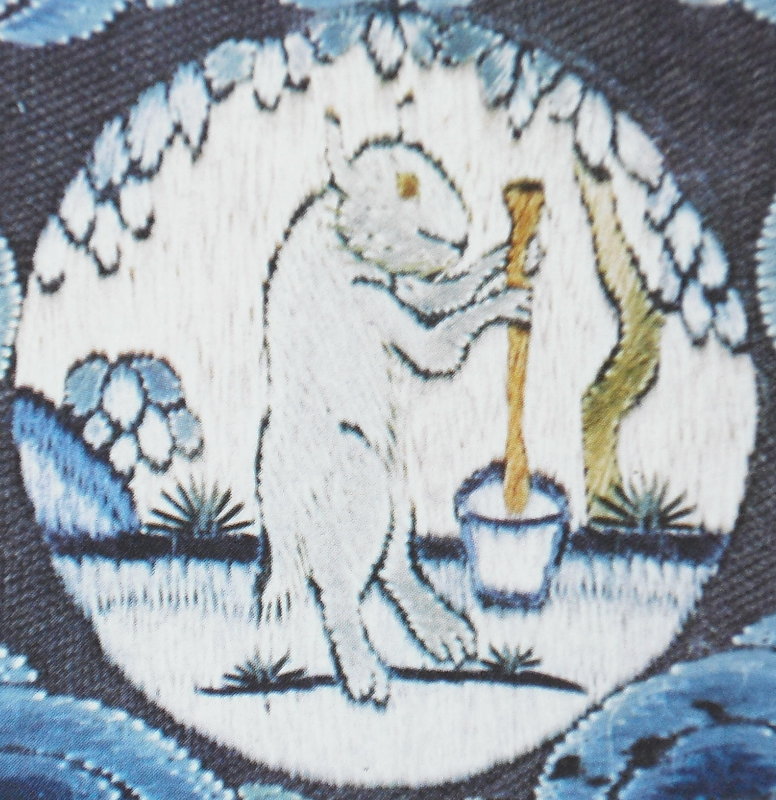 Moon rabbitA hare seen in the Moon's dark patches, pounding rice cakes or the elixir of life
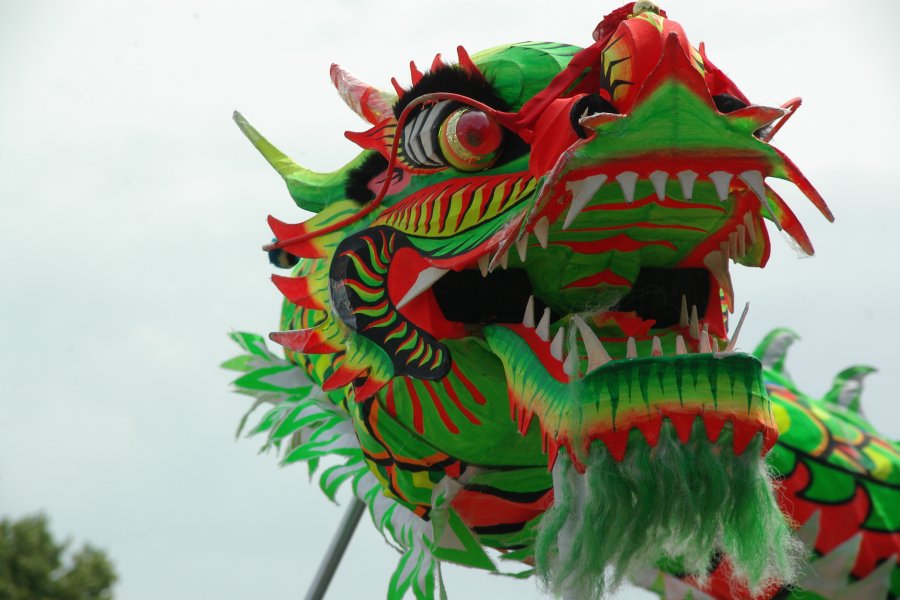 Dragon danceA long dragon puppet on poles, danced by a team at Chinese New Year and other festivals
Good reading and sources
The facts on this page come from the Wikipedia article "Zangfu", written by its contributors and used under the CC BY-SA 4.0 licence, and from its Wikidata record (CC0). EveryParampara rewrote the text in its own words, with AI assistance, and compares every page with the article to make sure no passage is copied. It may be reused under the same CC BY-SA 4.0 licence with a link back.
It may contain mistakes. Traditions differ from one family, village and community to the next, and the people who keep them know them best. If something is wrong, tell us. Last refreshed 2026-10-07.
More from China
All the traditions of China
🇯🇵 Tokyo, Japan and 2 moreManeki-neko招き猫
A lucky cat figurine, paw raised, kept by shop doors and in homes across JapanFolklore
🇨🇳 China and 5 moreMoon rabbit月兔
A hare seen in the Moon's dark patches, pounding rice cakes or the elixir of lifeFolklore
🇨🇳 ChinaSymbolic stars神煞
Helpful and harmful influences read from the Chinese calendar's stems and branchesFolklore
 🇨🇳 Luoyang, China and 1 moreYin and yang陰陽
Two opposite but complementary forces that Chinese thought sees in all thingsFolklore
🇨🇳 Luoyang, China and 1 moreYin and yang陰陽
Two opposite but complementary forces that Chinese thought sees in all thingsFolklore
The same idea elsewhere
Healing, luck and protection compared 🇩🇪 Germany and 5 moreChristmas tree
A decorated evergreen or artificial tree placed indoors to mark the Christmas season.Festival
🇩🇪 Germany and 5 moreChristmas tree
A decorated evergreen or artificial tree placed indoors to mark the Christmas season.Festival
 🇫🇷 France and 5 moreCandlemas
A Christian feast of candle blessings marking the end of the Christmas seasonSpiritual
🇫🇷 France and 5 moreCandlemas
A Christian feast of candle blessings marking the end of the Christmas seasonSpiritual
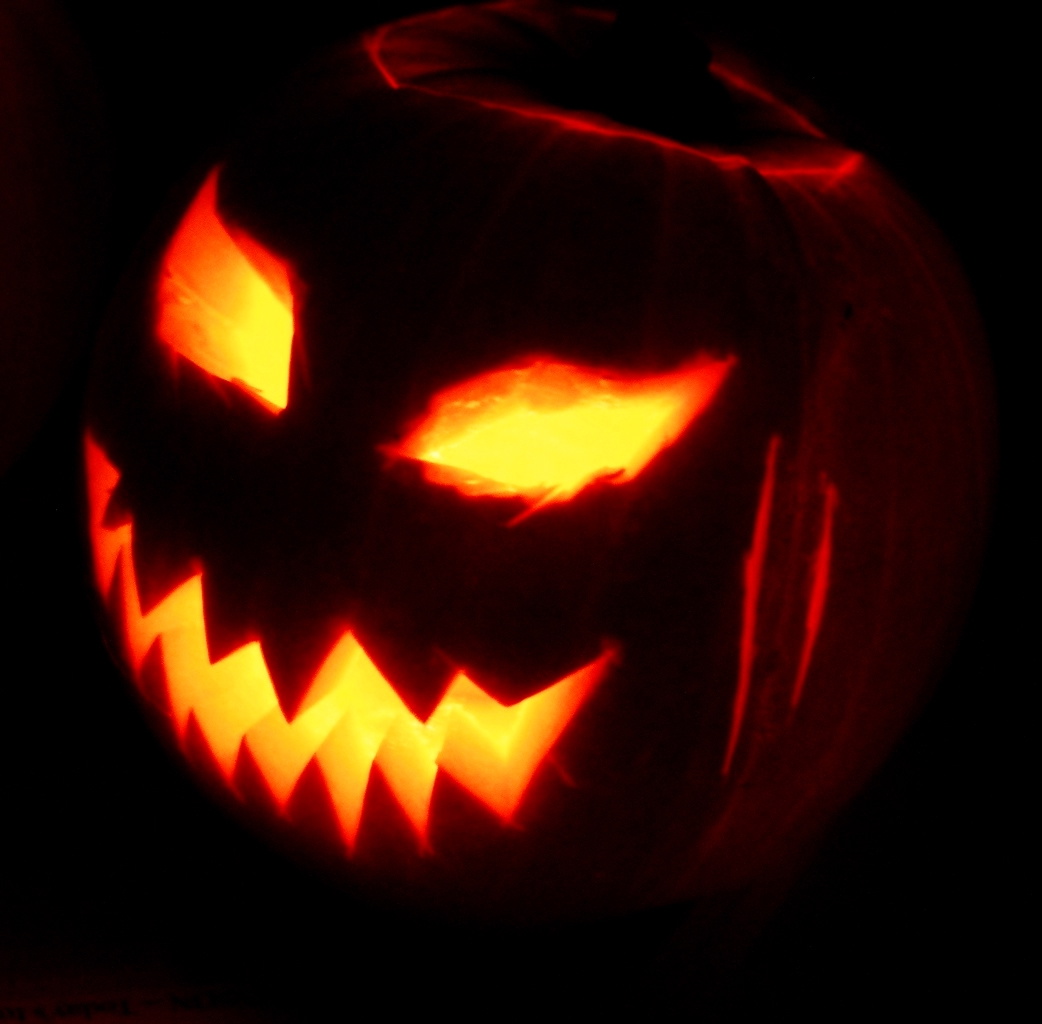 🇮🇪 Ireland and 2 moreJack-o'-lantern
A carved pumpkin lantern lit with a candle to brighten and protect Halloween nightsFolklore
🇮🇪 Ireland and 2 moreJack-o'-lantern
A carved pumpkin lantern lit with a candle to brighten and protect Halloween nightsFolklore
 🇺🇸 United States and 4 moreFriday the 13th
A Western folk superstition regarding the unluckiness of a Friday falling on the 13th.Folklore
🇺🇸 United States and 4 moreFriday the 13th
A Western folk superstition regarding the unluckiness of a Friday falling on the 13th.Folklore