Seasons, harvest and the calendarSub-Saharan AfricaIndigenous and traditional
Umkhosi Wokweshwama
The annual Zulu first fruits and harvest festival held around the December solstice
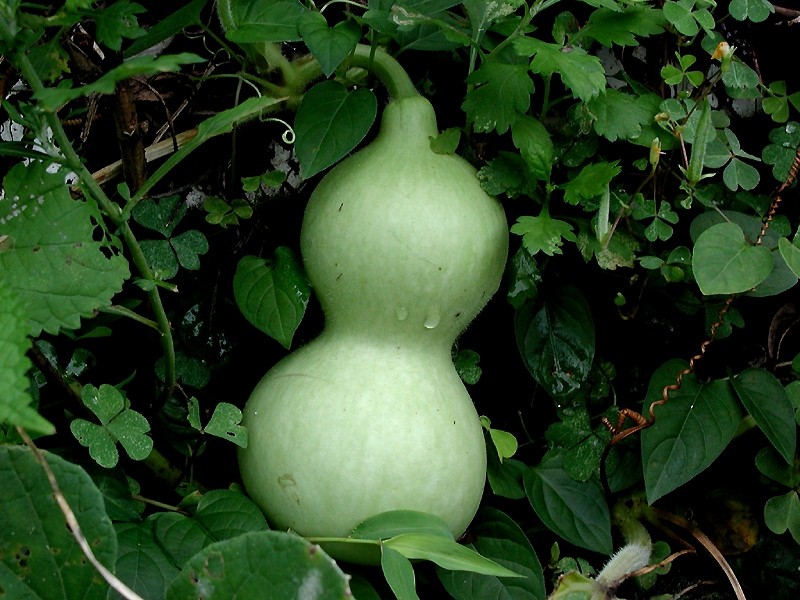
Umkhosi Wokweshwama is an annual Zulu harvest festival observed near the December solstice at the Enyokeni Royal Palace in Nongoma, South Africa. Led by the Zulu monarch, young men participate in communal rites before the king breaks a calabash to allow the harvest to be eaten.
When is Umkhosi Wokweshwama kept?
Umkhosi Wokweshwama is kept on annually around the December solstice.
Umkhosi Wokweshwama is the annual first fruits celebration of the Zulu nation, taking place near the December solstice. Held at the Enyokeni Royal Palace in Nongoma, South Africa, the gathering centers on the Zulu king and the blessing of the incoming harvest. It brings together thousands of young men for sacred royal ceremonies that signal the community may begin enjoying newly harvested produce.
The royal harvest rites
At the core of the festival is a ritual tasting carried out by the Zulu monarch. Acting as sacred ruler, the king tastes the early seasonal crops on behalf of the nation. The ritual reaches its climax when the king smashes a calabash gourd against the ground. This deliberate act gives official permission for the Zulu people to gather and eat their new crops. Historically, King Shaka expanded the event into a grand military muster, turning the royal gathering into a prominent display of national discipline, unity, and seasonal renewal.
The bull ceremony
During the gathering, young Zulu men assemble inside the royal kraal to take part in a physical rite involving a black bull. Working entirely barehanded without iron blades or weapons, the group overpowers the animal. Within Zulu tradition, this sacrifice serves to transfer the vital power and fortitude of the bull to the monarch. The ritual also provides an occasion to renew the iNkatha, a sacred symbol of national unity. In 2009, animal welfare campaigners launched a legal challenge against the barehanded sacrifice, though South African courts dismissed the case.
Suppression and revival
British colonial officials banned Umkhosi Wokweshwama in the late nineteenth century, after the Anglo-Zulu War and the 1879 Battle of Isandlwana. The final official festival of that period took place during the winter of 1877 to 1878, although smaller community observances may have continued quietly. The tradition remained officially absent for over a century until the late King Goodwill Zwelithini kaBhekuzulu reinstated it in 1990. Its modern return re-established a central gathering point for young men, complementing the Umkhosi woMhlanga reed dance attended by young women.
Cultural influence and counterparts
Umkhosi Wokweshwama is part of a broader family of Nguni first fruit ceremonies across Southern Africa, closely related to the Incwala festival observed in Eswatini. Elements of the Zulu harvest ritual have crossed into religious life, influencing how the Zulu-initiated Nazareth Baptist Church marks Christmas. Beyond Africa, the festival provided a foundational model for the African-American celebration of Kwanzaa, created in the twentieth century. Through these regional and global connections, the symbolism of the first fruits continues to resonate well beyond the royal palace at Nongoma.
How Umkhosi Wokweshwama is kept
The observance brings thousands of young men to the Enyokeni Royal Palace. Inside the king's kraal, groups of youths work together to subdue and sacrifice a black bull without weapons, a rite intended to fortify the monarch. The king then conducts a sacred tasting of the earliest harvest produce. The rituals culminate when the king dashes a calabash to the ground, signalling to the entire Zulu community that the harvest season is open and the crops are safe to consume.
When and where
The festival takes place every year around the December solstice, during the Southern Hemisphere midsummer. This timing coincides with the ripening of the season's first agricultural yield, marking the moment before the wider community starts harvesting.
Umkhosi Wokweshwama is held at the Enyokeni Royal Palace in Nongoma, located within the KwaZulu-Natal province of South Africa. The royal kraal and palace grounds host the central rituals led by the monarch.
What Umkhosi Wokweshwama means
The ritual represents the renewal of the Zulu nation and the blessing of agricultural sustenance. Subduing the black bull symbolizes transferring raw strength and vitality to the king, reinforcing his role as protector. The shattering of the calabash serves as a protective threshold, ensuring that the fruits of the soil are spiritually safe for the populace to eat, while the renewal of the iNkatha reinforces national solidarity.

Questions people ask about Umkhosi Wokweshwama
When is Umkhosi Wokweshwama kept?
Umkhosi Wokweshwama is kept on annually around the December solstice.
What is Umkhosi Wokweshwama?
Umkhosi Wokweshwama is the annual first fruits and harvest festival of the Zulu people. It brings together the community to witness royal tasting rituals and ceremonies that bless the seasonal harvest.
What is the purpose of breaking the calabash?
The king dashes the calabash gourd against the ground to officially signify that the harvest has been consecrated and that the Zulu people may freely consume the new season's crops.
Why was the festival suspended in the past?
British colonial authorities banned the gathering following the Anglo-Zulu War in 1879. The tradition was absent for over a century until King Goodwill Zwelithini kaBhekuzulu revived it in 1990.
See also
 Heritage DayA nationwide South African public holiday honouring the country's diverse cultures
 LosarThe Tibetan Buddhist New Year festival of renewal, offerings, and family feasts
 UgadiA South Indian New Year feast celebrating life with sweet, sour, and bitter tastes
 MehreganAn Iranian autumn festival honoring Mithra, friendship, and the harvest
Good reading and sources
The facts on this page come from the Wikipedia article "Umkhosi Wokweshwama", written by its contributors and used under the CC BY-SA 4.0 licence, and from its Wikidata record (CC0). EveryParampara rewrote the text in its own words, with AI assistance, and compares every page with the article to make sure no passage is copied. It may be reused under the same CC BY-SA 4.0 licence with a link back.
It may contain mistakes. Traditions differ from one family, village and community to the next, and the people who keep them know them best. If something is wrong, tell us. Last refreshed 2026-10-04.
More from South Africa
All the traditions of South Africa 🇿🇦 South Africa and 1 moreIndlamu
A Zulu war dance of two warriors in pelts, matched move for move and stamped on the beatPerformance
🇿🇦 South AfricaHeritage DayErfenisdag
A nationwide South African public holiday honouring the country's diverse culturesCeremony
🇿🇦 South Africa and 1 moreIndlamu
A Zulu war dance of two warriors in pelts, matched move for move and stamped on the beatPerformance
🇿🇦 South AfricaHeritage DayErfenisdag
A nationwide South African public holiday honouring the country's diverse culturesCeremony
 🇬🇧 United Kingdom and 4 moreBonfire Night
Yearly nights of bonfires and fireworks, kept in Britain, Ireland and beyondFestival
🇬🇧 United Kingdom and 4 moreHip hip hooray
A traditional celebratory cheer of call and response to honour someoneFestival
🇬🇧 United Kingdom and 4 moreBonfire Night
Yearly nights of bonfires and fireworks, kept in Britain, Ireland and beyondFestival
🇬🇧 United Kingdom and 4 moreHip hip hooray
A traditional celebratory cheer of call and response to honour someoneFestival
The same idea elsewhere
Harvest and thanksgiving compared 🇵🇪 Cusco, Peru and 4 moreIntiinti (Quechua)
The Inca sun deity, honoured with temples, offerings and the June festival Inti RaymiSpiritual
🇮🇷 Isfahan, Iran and 4 moreMehreganمهرگان
An Iranian autumn festival honoring Mithra, friendship, and the harvestSeasonal
🇵🇪 Cusco, Peru and 4 moreIntiinti (Quechua)
The Inca sun deity, honoured with temples, offerings and the June festival Inti RaymiSpiritual
🇮🇷 Isfahan, Iran and 4 moreMehreganمهرگان
An Iranian autumn festival honoring Mithra, friendship, and the harvestSeasonal
 🇪🇬 Luxor, EgyptOpet Festivalḥb nfr n jpt
An ancient Egyptian festival in Thebes celebrating divine kingship and the Nile floodSpiritual
🇪🇬 Luxor, EgyptOpet Festivalḥb nfr n jpt
An ancient Egyptian festival in Thebes celebrating divine kingship and the Nile floodSpiritual
 🇰🇭 Cambodia and 4 moreRoyal Ploughing Ceremonyព្រះរាជពិធីបុណ្យច្រត់ព្រះនង្គ័ល
A royal agricultural rite opening the rice season across mainland Southeast AsiaCeremony
🇰🇭 Cambodia and 4 moreRoyal Ploughing Ceremonyព្រះរាជពិធីបុណ្យច្រត់ព្រះនង្គ័ល
A royal agricultural rite opening the rice season across mainland Southeast AsiaCeremony