Festivals and celebrationsCentral Asia and the CaucasusChristianPagan and ancient
Vardavar
In its own language: Վարդավառ
An Armenian midsummer festival where people playfully douse each other with water

Vardavar is an Armenian festival where people soak friends and passersby with buckets of water. Kept fourteen weeks after Easter, it unites ancient customs of water and fertility with the Christian Feast of the Transfiguration.
When is Vardavar in 2027?
Vardavar 2027 is on Sunday, 4 July 2027. Other years: 2026, Sunday, 12 July 2026; 2028, Sunday, 23 July 2028.
Vardavar is an Armenian holiday celebrated with open-air water games, folk music, and community gatherings. On this day, ordinary social rules soften as children and adults soak anyone in sight using buckets, hoses, and cups. Rooted in ancient rites for the goddess Astghik and later joined to the Christian Feast of the Transfiguration, it offers refreshing fun during the dry summer heat across Armenia and its global diaspora.
Origins and history
The festival began in pre-Christian antiquity as an observance honoring Astghik, the Armenian deity of water, love, beauty, and fertility. Traditional folklore claimed worshippers presented roses to her, linking the Armenian word for rose, vard, to the celebration during harvest season, though scholars propose the name comes from an older root meaning to bring. Other lore attributes the ritual to Noah, who instructed his family to sprinkle water on one another and release doves to recall the great flood. Following the Christianization of Armenia, the Armenian Apostolic Church paired these popular customs with the Feast of the Transfiguration.
How it is celebrated
On the day of the feast, streets turn into lively water fight arenas. People of all ages splash passersby without warning, while residents empty buckets from high apartment balconies onto walkers below. Getting soaked is received with good humor, as the water brings welcome coolness to the hot, arid days of late June or July. For children, the holiday is a beloved occasion to play practical jokes in public without getting into trouble, keeping squares and neighborhood lanes filled with laughter, chases, and flying water.
Festivals and diaspora life
Organized cultural events run alongside spontaneous neighborhood splashing. Youth organisations host festive programs at historic landmarks such as the pagan temple in Garni and the medieval monastery of Geghard. These gatherings feature choral performances of traditional songs by groups like the Nairyan Vocal Ensemble, blessings for young people, and themed pavilions exhibiting regional crafts and folkways. Armenian communities abroad also maintain the tradition, holding community splash days and picnics with grilled khorovats and chilled tahn yogurt drinks in places like Russia and Glendale, California.
How Vardavar is kept
People of all generations take part by filling buckets, bowls, and hoses to douse friends, family, and strangers in the street. Balconies serve as lookout spots to pour water over pedestrians below. Alongside street splashing, cultural celebrations at historic sites feature youth blessings, traditional songs performed by choral groups, and pavilions showcasing regional crafts and heritage.
When and where
Vardavar is observed 98 days, or 14 weeks, after Easter. This places the holiday in late June or July during the Feast of the Transfiguration, though exact dates and customs vary slightly in certain regions.
The holiday is celebrated across Armenia, with prominent cultural festivities held at the Garni temple and Geghard monastery. It is also kept by diaspora communities in Russia and in Glendale, California.
What Vardavar means
Water serves as a sign of refreshment, renewal, and remembrance. Early traditions honored Astghik and natural fertility, while later Christian meaning tied the day to the Transfiguration. Another folk association recalls Noah's flood through water sprinkling and the flight of doves.
On the table
- Khorovats
- Tahn


Vardavar dates: 2026, 2027, 2028
| Year | Vardavar date |
|---|---|
| 2026 | Sunday, 12 July 2026 |
| 2027 | Sunday, 4 July 2027 |
| 2028 | Sunday, 23 July 2028 |
Questions people ask about Vardavar
When is Vardavar in 2027?
Vardavar 2027 is on Sunday, 4 July 2027. Other years: 2026, Sunday, 12 July 2026; 2028, Sunday, 23 July 2028.
What is Vardavar?
Vardavar is an Armenian summer festival where people of all ages celebrate by splashing and drenching each other with water in public streets.
Where did Vardavar originate?
It originated in pagan times as a celebration of Astghik, the goddess of water, love, and fertility, before being integrated into the Christian church calendar.
Is it acceptable to douse strangers?
Yes. Soaking anyone walking by, even with buckets thrown from apartment balconies, is a core part of the holiday that participants welcome in good spirits.
See also
 MaslenitsaA seven-day Eastern Slavic festival of pancakes and bonfires marking the end of winter before Lent.
 KwanzaaA seven-day African American celebration of heritage, family and community values
 TanabataA Japanese summer star festival of written wishes hung on leafy bamboo.
 OnamA ten-day harvest festival in Kerala celebrating the return of King Mahabali with feasts, flower carpets and boat races.
Good reading and sources
- Vardavar on WikipediaEncyclopedia
- More photos on Wikimedia CommonsPhotos and video
- Wikidata recordOpen data
The facts on this page come from the Wikipedia article "Vardavar", written by its contributors and used under the CC BY-SA 4.0 licence, and from its Wikidata record (CC0). EveryParampara rewrote the text in its own words, with AI assistance, and compares every page with the article to make sure no passage is copied. It may be reused under the same CC BY-SA 4.0 licence with a link back.
It may contain mistakes. Traditions differ from one family, village and community to the next, and the people who keep them know them best. If something is wrong, tell us. Last refreshed 2026-10-04.
More from Armenia
All the traditions of Armenia 🇮🇹 Rome, Italy and 4 moreChristmas
A festival of Jesus's birth, kept on 25 December with gifts, lights and shared mealsFestival
🇮🇷 Iran and 2 moreKhordad Salخرداد روز
A Zoroastrian festival marking the birth of the prophet Zarathushtra with prayers and feasts.Festival · Feasts and festival meals
🇮🇹 Rome, Italy and 4 moreChristmas
A festival of Jesus's birth, kept on 25 December with gifts, lights and shared mealsFestival
🇮🇷 Iran and 2 moreKhordad Salخرداد روز
A Zoroastrian festival marking the birth of the prophet Zarathushtra with prayers and feasts.Festival · Feasts and festival meals
 🇬🇧 United Kingdom and 5 moreApril Fools' Day
An annual day of lighthearted pranks, hoaxes and teasing kept on the first of AprilFestival
🇬🇧 United Kingdom and 5 moreApril Fools' Day
An annual day of lighthearted pranks, hoaxes and teasing kept on the first of AprilFestival
 🇷🇺 Moscow, Russia and 5 moreImmortal RegimentБессмертный полк (Bessmertnyy polk)
A civic procession where people carry portraits of relatives who served in the Second World War.Festival
🇷🇺 Moscow, Russia and 5 moreImmortal RegimentБессмертный полк (Bessmertnyy polk)
A civic procession where people carry portraits of relatives who served in the Second World War.Festival
The same idea elsewhere
Harvest and thanksgiving compared 🇮🇳 Ayodhya, India and 7 moreDiwaliदीपावली (Dīpāvalī)
A five-day festival of lights celebrated across India and its diaspora to mark the victory of light over darkness.Festival · Feasts and festival meals
🇮🇳 Ayodhya, India and 7 moreDiwaliदीपावली (Dīpāvalī)
A five-day festival of lights celebrated across India and its diaspora to mark the victory of light over darkness.Festival · Feasts and festival meals
 🇮🇱 Jerusalem, IsraelPassoverפסח
A Jewish spring festival celebrating freedom from slavery with ritual mealsSpiritual · Dinner
🇮🇱 Jerusalem, IsraelPassoverפסח
A Jewish spring festival celebrating freedom from slavery with ritual mealsSpiritual · Dinner
 🇮🇱 Jerusalem, IsraelSukkotסוכות
A seven-day autumn Jewish festival of temporary booths, harvest prayers and hospitalitySpiritual
🇮🇱 Jerusalem, IsraelSukkotסוכות
A seven-day autumn Jewish festival of temporary booths, harvest prayers and hospitalitySpiritual
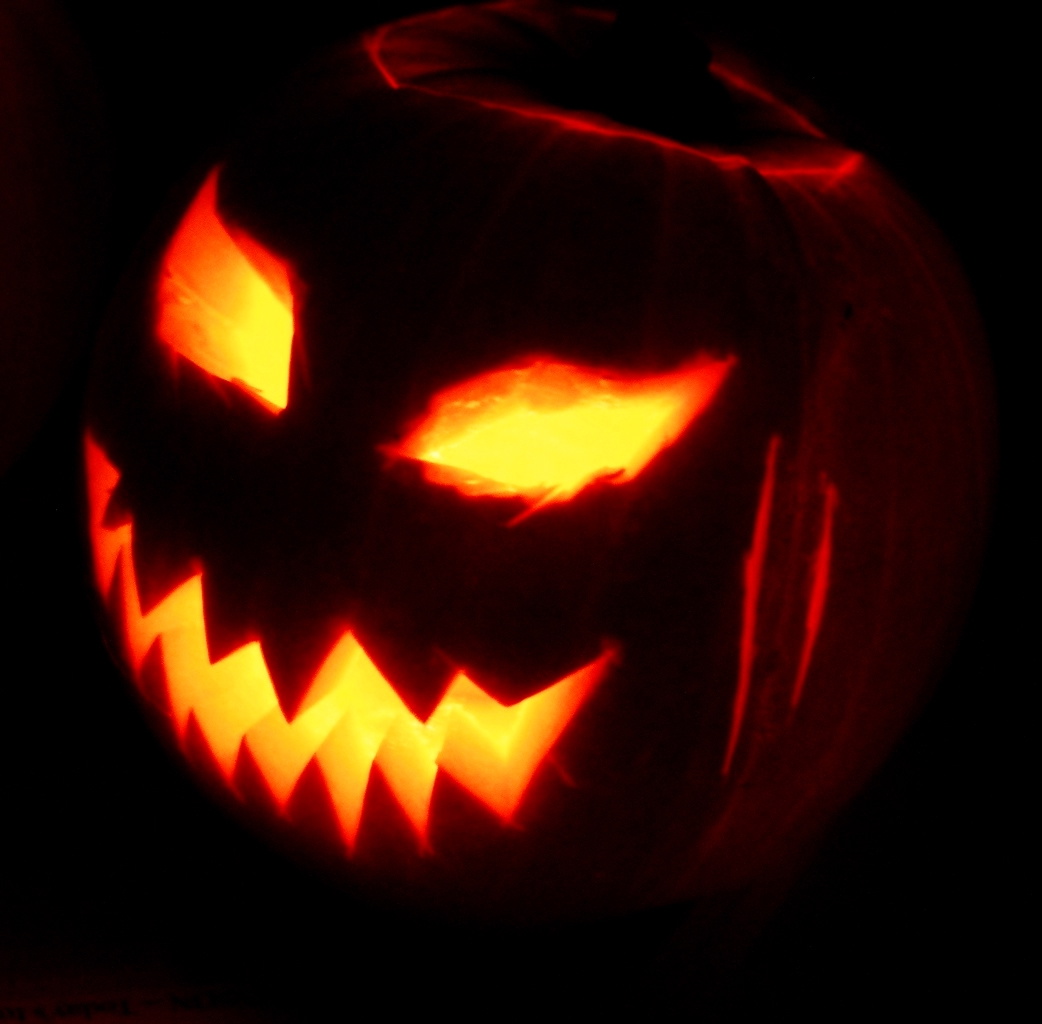 🇮🇪 Ireland and 2 moreJack-o'-lantern
A carved pumpkin lantern lit with a candle to brighten and protect Halloween nightsFolklore
🇮🇪 Ireland and 2 moreJack-o'-lantern
A carved pumpkin lantern lit with a candle to brighten and protect Halloween nightsFolklore